
REVIEW · EVENING EXPERIENCES
Gobekli Tepe & Mountain Nemrut Tour-2 Days 1 Night From Istanbul
Two UNESCO-class sites in one tight schedule. This tour knits together Göbekli Tepe’s 12,000-year-old ritual complex and Mount Nemrut’s giant-statue summit with an expert guide and a small group capped at about 15 people. It’s the kind of plan that saves you from logistics headaches while still keeping the sightseeing focused.
I especially like how the day is paced around real moments, not just checkboxes. The Mount Nemrut sunset setup is timed for the East and West terraces, and you’re also given time to wander nearby valleys for photos before heading back to your base. One thing to consider: the roads can be windy and the walking is “moderate fitness,” so if you’re prone to motion sickness or fatigue, plan accordingly and pack what helps.
In This Review
- Key things I’d circle before booking
- A rare Istanbul combo: Nemrut first, Göbekli Tepe next
- Day 1 in Adıyaman: from airport landing to Commagene monuments
- The schedule is dense, so you should travel with the right expectations
- Karakuş Tumulusu: three columns, one funerary story
- Cendere Köprüsü and Arsemia: Roman engineering meets Commagene mythology
- A practical note on these stops
- Mount Nemrut summit: the East and West terraces at golden hour
- What to watch for up there
- Photo time is part of the plan
- The overnight and the “energy math” of doing this in 2 days
- Day 2 in Şanlıurfa: museums, covered bazaars, and fish-filled meaning
- Then the itinerary shifts into prehistory mode
- Göbekli Tepe: the ritual complex that rewrites your timeline
- Balıklıgöl and Abraham’s cave: where prophecy meets the fish lake
- Price and value: what about $1,189.57 buys you
- Should you book? My practical take
- FAQ
- How long is the tour and when does it start?
- What’s included in the price?
- Is there pickup from hotels?
- What’s the group size?
- Is the tour available in English?
- How much time do you get at Göbekli Tepe?
- What about Mount Nemrut—do you get sunset time?
- What’s the cancellation and weather approach?
- What kind of walking or fitness level is expected?
Key things I’d circle before booking
- Small group size (max 15) with English guiding makes the story feel personal, not rushed.
- Two big intellectual shocks back-to-back: Göbekli Tepe’s pre-writing era and Nemrut’s 1st-century-BC monumental cult site.
- Nemrut at the East and West terraces so you’re in position for sunset views.
- Şanlıurfa museums plus Balıklıgöl holy sites gives you both context and pilgrimage-level meaning.
- Flights, transfers, and key admission tickets are handled for you, reducing day-to-day friction.
Worth putting side by side with this Istanbul pick:

A rare Istanbul combo: Nemrut first, Göbekli Tepe next
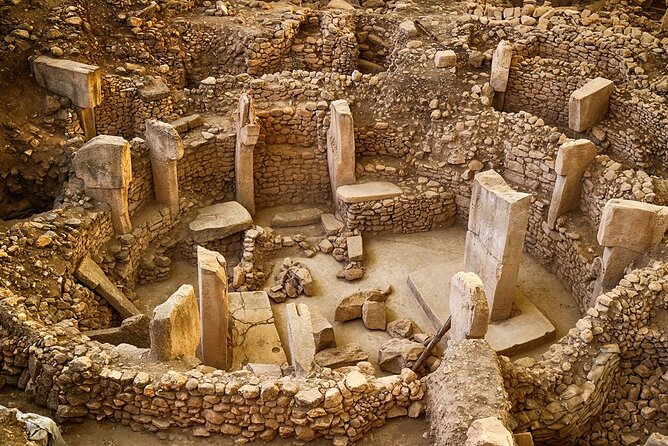
If you’re trying to hit the “big names” of southeastern Turkey without turning your trip into a transportation puzzle, this route makes sense. You fly from Istanbul into the Adıyaman area for Mount Nemrut, then you move on to Şanlıurfa for museums and the Göbekli Tepe experience.
The value here is not just that you see famous places. It’s that you get guided context at each stop. When you’re standing in front of enormous carved stones—some shattered, some fallen—it helps to have someone explain what you’re looking at and why it mattered.
This also works well if you don’t want to drive long stretches yourself. Between flights, airport transfers, and a set itinerary, you spend more time in sites and less time negotiating schedules.
Day 1 in Adıyaman: from airport landing to Commagene monuments
Your day starts with pickup in Istanbul for the trip to the airport, with a departure around 11:10 for Adıyaman. You land around 13:00, meet your group, and then start moving right into the archaeological story rather than wasting time.
Lunch is included on the way during your first touring block. That matters because the rest of the day is packed with outdoor sites where you’ll want energy—and in this region, summer heat can be a real factor.
From there, you’re guided through a cluster of sites tied to the Commagene world and the royal landscape around Nemrut. The exact pacing feels efficient: you’ll rotate between monuments, bridges, and ancient city remains, then finish with the summit experience.
The schedule is dense, so you should travel with the right expectations
This is not a slow “take your time” tour. It’s more like a focused study day in the landscape: you’ll see a lot, and you’ll need to be ready for early starts and long stretches in a vehicle.
If you’re the type who wants 90 minutes of free roaming in only one place, you might feel slightly rushed. But if you like structured sightseeing and clear time windows, it’s a strength.
Worth putting side by side with this Istanbul pick:
- Istanbul: 1 or 2-Day Private Guided Tour with Hotel Transfer★ 4.7 · 438 reviews
- From Istanbul: 2-Day All-Inclusive Cappadocia Guided Trip★ 4.9 · 380 reviews
- Istanbul: 2-Day Cappadocia Trip with Flights and Cave Hotel★ 4.7 · 318 reviews
- 2 Days Cappadocia from Istanbul with Cave Hotel+Optional Balloon★ 5.0 · 260 reviews
Karakuş Tumulusu: three columns, one funerary story
One of the first major stops is Karakuş Tumulusu, a funerary monument linked to the royal women of the Commagene kingdom. The site near Çukurtaş (Kâhta District) is named Karakuş, meaning black bird, partly because of an eagle-topped element in the monument’s design.
Here’s what makes this stop more than a quick look: the monument is surrounded by groups of tall Doric columns, topped with steles, reliefs, and animal imagery like bull, lion, and eagle. There’s also an inscription connection to a royal tomb that housed three women.
You get about an hour at the site, which is just enough time to understand the layout and see the key features without feeling like you’re only rushing past the best parts. Admission is listed as included (or ticket-free in the itinerary notes), so you won’t waste time tracking down extra fees on the ground.
Cendere Köprüsü and Arsemia: Roman engineering meets Commagene mythology
Next comes Cendere Bridge (Cendere Köprüsü), described as a late Roman bridge near ancient Arsameia (modern Eskikale). The bridge spans the Cendere Çayı on a provincial road route in the Adıyaman region, and it’s one of those sites where the “why it matters” is tied to history and geography.
It’s also one of those places where the guide’s job is crucial. A bridge can sound boring on paper, but it becomes part of a route system, a trade/traffic connection, and an archaeological clue about how people moved through the region.
After that, you visit Arsemia Antik Kenti, once a summer residence of the Commagene kings. The most memorable detail is the big relief at the foot of the ancient city, featuring Heracles (or possibly Artagnes, a Persian deity the Greeks associated with Heracles) shaking hands with King Mithridates of Commagene.
The guide also points you toward major inscriptions, including what’s described as the greatest Greek inscription of Anatolia. You get about an hour here, so you can read the mood and symbolism, then continue.
A practical note on these stops
These are outdoor ruins and monuments where you’ll depend on the guide to translate what you see. If you like being able to visualize the bigger story—Greek and Persian religious blending, royal propaganda in stone—these will click.
If you prefer purely scenic viewpoints, you might want to save your phone storage and accept that you’ll spend more time on explanation than on sunsets.
Mount Nemrut summit: the East and West terraces at golden hour
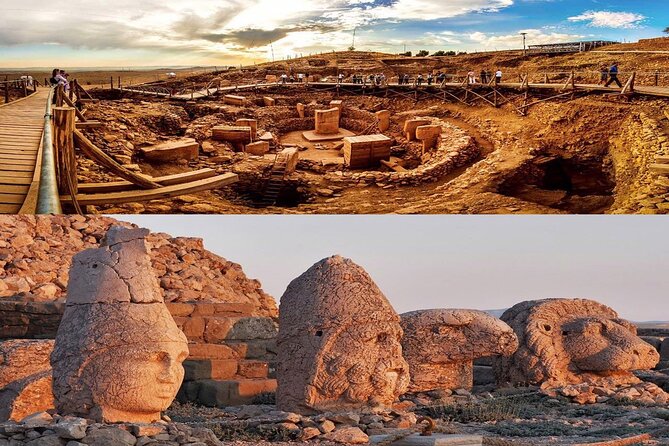
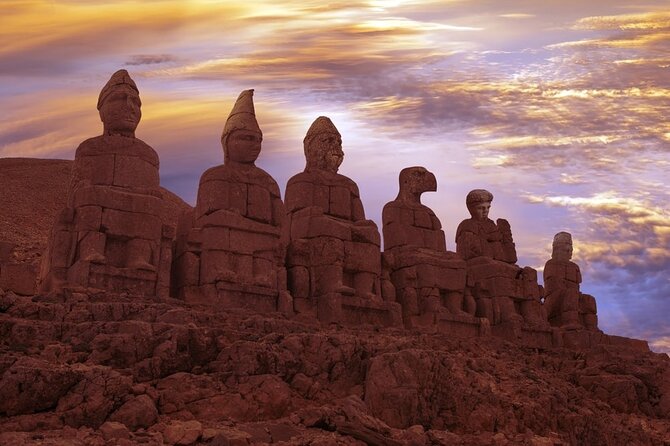
Then comes the moment most people remember: Mount Nemrut. You’re looking at a 2,134-meter summit where huge statues were arranged around what’s believed to be a royal tomb from the 1st century BC.
The key visual hook is the massive scale. Statues are described as roughly 8–9 meters high, with figures like kings, lions, and eagles, plus gods tied to Greek, Armenian, and Iranian traditions. Names were carved, and many heads have been removed over time and are scattered across the site.
You’ll spend around two hours at Nemrut, with special attention on the East and West terraces for the most dramatic sunset viewing. This timing is the difference between seeing rocks and feeling the place. The terraces are where you understand the layout—and where light makes the broken stone feel like part of the story.
What to watch for up there
Expect a summit experience where weather matters. This tour is listed as requiring good weather, which tells you the operator considers visibility essential for the sunset payoff.
Also, the site can show signs of damage from seismic activity. In past experiences, some guests noted the mountain area suffered from earthquake effects, so don’t be surprised if you see fallen pieces and uneven remains.
Photo time is part of the plan
After your Nemrut visit, the schedule includes time to take photos in neighboring valleys before heading back to your hotel. This is a small detail that adds a lot: you get more than one “ending photo” and you’re not forced to leave immediately after the official viewing window.
The overnight and the “energy math” of doing this in 2 days
Because the tour is 2 days and 1 night, the best mindset is simple: sleep like it’s part of the itinerary. Day 1 includes flights plus a multi-stop touring block, and Day 2 is another concentrated day that ends with a return flight to Istanbul.
The tour includes breakfast, but dinners are not included. So if you want a relaxed end to your day, plan to grab something easy near where you’re staying.
You also need to be mentally ready for heat and time in vehicles. One review note mentioned hot conditions and that extra drinks were provided when temperatures climbed. Even if you don’t count on that, bring water habits you trust.
Day 2 in Şanlıurfa: museums, covered bazaars, and fish-filled meaning
Day 2 starts after breakfast with exploring Şanlıurfa. This is where you get more than ancient monuments—you get layers of cultural meaning tied to place names, stories, and objects gathered in museums.
You visit the Şanlıurfa Archaeological Museum and the Aleppo Bahçe Mosaic Museum, with exhibits described as built from collections from the Harran and Göbeklitepe area. That’s a smart move, because it prepares you for what Göbekli Tepe represents rather than treating it as a standalone “wow.”
The tour also includes the holy sites around Ainzelha, described as a lake with millions of domesticated fish. You’ll also see the cave connected to the prophet’s birth. Then you walk through the local covered bazaar and towns streets to find everyday surprises—before sitting down for a included lunch (kebabs are specifically mentioned).
This portion gives you a “human scale” to match the big stones you saw on Day 1. You’re not only dealing with archaeology; you’re seeing how communities keep meaning alive around the landscape.
Then the itinerary shifts into prehistory mode
After the Şanlıurfa exploration, you head to Göbekli Tepe next. It’s a good ordering. Museums and local context take the edge off the shock, so when you arrive at Göbekli Tepe, you’re ready to process it.
Göbekli Tepe: the ritual complex that rewrites your timeline
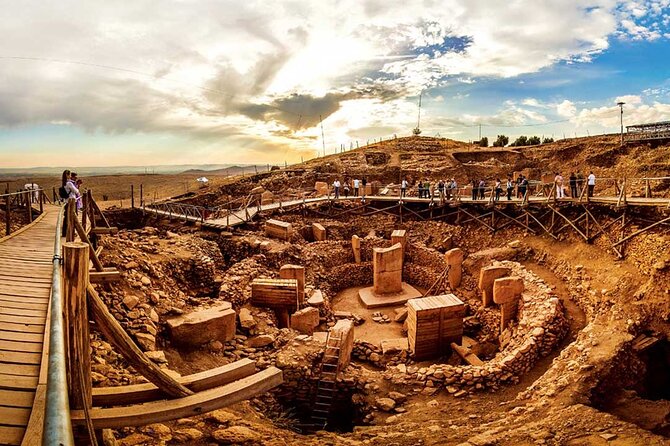
Göbekli Tepe is one of those places where the numbers alone can feel unreal: dating back as far as 12,000 years ago, built before writing or pottery. The tour frames it as the world’s oldest ritual complex—something that forces archaeologists to rethink how early human societies organized meaning and labor.
You get about two hours at the site, and that’s the sweet spot for first-time visitors. You’ll have enough time to orient yourself, notice the carved details, and understand how the structures were meant to function as a ritual space.
What I like about pairing Göbekli Tepe with Nemrut (instead of doing just one) is contrast. Nemrut is about monumental, visible power in stone on a summit. Göbekli Tepe is older and more elemental—ritual built long before the usual landmarks of civilization.
You’ll finish this portion feeling like you’ve stepped into prehistory with a guide who can explain the symbolism, not just the dates.
Balıklıgöl and Abraham’s cave: where prophecy meets the fish lake
The last sightseeing block in the itinerary focuses on Balıklıgöl, including Abraham’s cave and the Pool of Prophet Abraham. This is tied to the belief that Abraham was thrown into the fire by Nimrod, and local storytelling connects that moment to the pool and the fish.
You’re in a place where archaeology and living tradition overlap. Even if you’re not religious, you’ll likely appreciate how the site functions as a spiritual landmark for visitors and locals.
This stop is about 1.5 hours. It’s long enough to see what you came for, take a breath away from monuments, and then get ready for the return flight.
Price and value: what about $1,189.57 buys you
At $1,189.57 per person, this isn’t a budget tour. But you’re paying for a lot that would be painful to DIY:
- Domestic roundtrip flights are included.
- All airport transfers are included.
- Museum and site tickets for major stops are included (including Nemrut Mountain National Park, Karakuş Tumulusu, Arsemia Ancient City, Şanlıurfa museum sites, Göbekli Tepe, and Balıklıgöl).
- Breakfast and two lunches are included.
- The group stays small (max 15), and the guiding is specifically offered in English.
If you tried to replicate it on your own, you’d likely spend time and stress matching flight times, arranging transport between scattered sites, and buying tickets separately. Here, the operator compresses that into a single plan.
Is it still pricey? Yes. But the value is strongest if you want the itinerary without the hassle—and if you really care about guided context at Nemrut and Göbekli Tepe, where interpretation matters as much as the view.
Should you book? My practical take
I’d book this tour if you meet these conditions: you want to see Mount Nemrut and Göbekli Tepe in one go, you like guided storytelling more than wandering solo, and you don’t want to stitch together flights and transportation yourself.
I’d pause if you get motion sick easily (the roads in the region can be windy) or if you prefer slower travel with fewer transfers. This plan is efficient, which means you’ll be busy.
One more small tip: if you end up with guides like Sercan and Kerem—names mentioned in past experiences—take advantage of the chance to ask questions. The best parts are often the extra explanations that only happen when the guide is genuinely invested.
If you want a solid, guided introduction to southeastern Turkey’s two biggest “mind-blower” sites, this is one of the cleaner ways to do it.
FAQ
How long is the tour and when does it start?
It’s a 2-day experience. Pickup starts at 8:00 am, and the Day 1 flight departs around 11:10 from Istanbul toward Adıyaman.
What’s included in the price?
The tour includes breakfast, all airport transfers, domestic roundtrip flights, museum and admission tickets for the listed sites, and two lunches. Dinner and personal expenses are not included.
Is there pickup from hotels?
Yes. Pickup is offered from locations within the area specified by the operator, and travelers are met at the start time.
What’s the group size?
The maximum group size is 15 travelers.
Is the tour available in English?
Yes, the tour is offered in English.
How much time do you get at Göbekli Tepe?
You get about 2 hours at Göbekli Tepe.
What about Mount Nemrut—do you get sunset time?
Yes. You visit Nemrut with time at the East and West terraces, and the plan includes time to take photos in neighboring valleys before returning.
What’s the cancellation and weather approach?
You can cancel up to 3 days in advance for a full refund. The tour requires good weather; if it’s canceled due to poor weather, you’ll be offered a different date or a full refund.
What kind of walking or fitness level is expected?
The tour states you should have a moderate physical fitness level.
More Evening Experiences in Istanbul
- Istanbul: Daytime or Sunset Sightseeing Cruise & Audio Guide★ 4.8 · 14,430 reviews
- Istanbul: Bosphorus Dinner Cruise & Turkish Night Show★ 4.8 · 12,954 reviews
- Istanbul Bosphorus Sunset Cruise on Luxury Yacht★ 5.0 · 4,465 reviews
- Istanbul: Sunset or Day Small-Group Yacht Cruise with Snacks★ 4.9 · 3,774 reviews
- Istanbul: Bosphorus Sunset Cruise on Yacht with Live Guide★ 4.9 · 2,845 reviews
- Istanbul: Bosphorus Sunset Cruise with Drinks & Snack★ 4.8 · 2,716 reviews
More Tours in Istanbul
- Best of Istanbul 1, 2 or 3-Day Private Guided Istanbul Tour★ 5.0 · 8,922 reviews
- Istanbul: Bosphorus Sightseeing Cruise Tour with Audio Guide★ 4.6 · 4,704 reviews
- Istanbul: Blue Mosque & Hagia Sophia Guided Tour w/ Tickets★ 4.8 · 3,600 reviews
- Istanbul: Blue Mosque, Hagia Sophia, & Old Town Walking Tour★ 4.8 · 2,372 reviews
- Istanbul: Princes Islands Tour with Heybeliada and Buyukada★ 4.4 · 2,305 reviews
- Istanbul: Basilica, Hagia Sophia, Blue Mosque Tour & Cruise★ 4.5 · 1,929 reviews
More Tour Reviews in Istanbul
- Istanbul: Bosphorus Dinner Cruise & Show with Private Table★ 4.8 · 62,058 reviews
- Istanbul: Daytime or Sunset Sightseeing Cruise & Audio Guide★ 4.8 · 14,430 reviews
- Istanbul: Bosphorus Dinner Cruise & Turkish Night Show★ 4.8 · 12,954 reviews
- Best of Istanbul 1, 2 or 3-Day Private Guided Istanbul Tour★ 5.0 · 8,922 reviews
- Istanbul: Basilica Cistern Fast-Track Entry and Audio Guide★ 4.6 · 7,521 reviews
- Istanbul: Hagia Sophia Skip-the-Line Ticket & Museum Option★ 3.7 · 4,958 reviews
Fresh off the boat: new Istanbul reviews


Evening Experiences, compared.
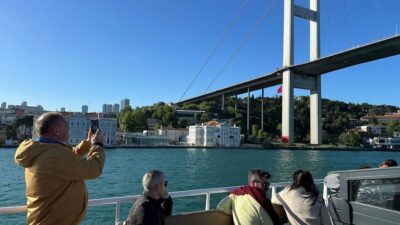 ★ 4.8Daytime or Sunset Sightseeing Cruise & Audio GuideFrom $814,430 reviews
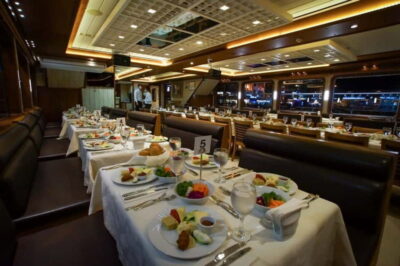 ★ 4.8Bosphorus Dinner Cruise & Turkish Night ShowFrom $2812,954 reviews
 ★ 5.0Istanbul Bosphorus Sunset Cruise on Luxury YachtFrom $304,465 reviews
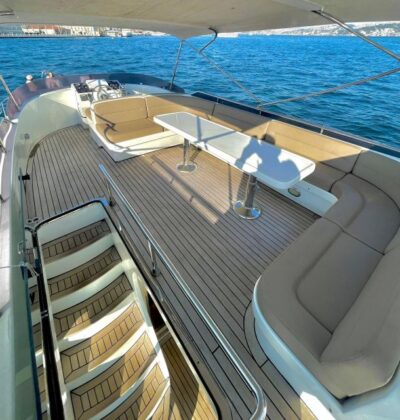 ★ 4.9Sunset or Day Small-Group Yacht Cruise with SnacksFrom $313,774 reviews
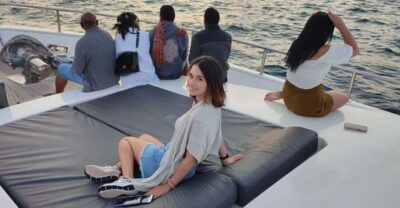 ★ 4.9Bosphorus Sunset Cruise on Yacht with Live GuideFrom $192,845 reviews
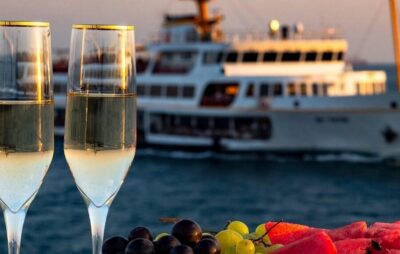 ★ 4.8Bosphorus Sunset Cruise with Drinks & SnackFrom $82,716 reviews
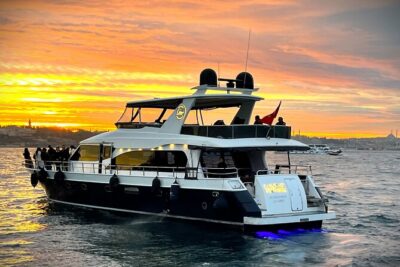 ★ 5.0Bosphorus Sunset Yacht Experience: Istanbul’s BestFrom $482,181 reviews
 ★ 5.0Sunset or Daytime Istanbul Guided Luxury Yacht Cruise with SnacksFrom $241,977 reviews
Browse the lists this tour appears in