
REVIEW · 3-DAY EXPERIENCES
Best of Istanbul 1, 2 or 3-Day Private Guided Istanbul Tour
Istanbul compresses centuries into one guided day. With 1, 2, or 3 days of a private licensed guide meeting you at a central hotel, you can customize the pace and hit the big landmarks without turning your trip into a logistics puzzle.
I love how the day stitches famous monuments to the smaller street scenes that make Istanbul click: Hagia Sophia, the Blue Mosque, and then the Grand Bazaar before the city shifts to modern areas like Taksim and Istiklal. One thing to watch: lots of major stops charge extra, and for a couple of them you may still face security lines or queue time, so build in patience and ticket budgeting.
In This Review
- Key Highlights You’ll Feel Right Away
- A Private Guide That Helps You Read Istanbul Fast
- Choose the Right Version: 1 Day for the Old City, 2 for Views, 3 for Neighborhoods
- Day One in Sultanahmet: Hagia Sophia, Blue Mosque, and the Grand Bazaar
- Sultanahmet Square and the Hippodrome area (the prelude)
- German Fountain (Alman Çeşmesi): a small landmark with big meaning
- Hagia Sophia: the “wait line” reality
- Blue Mosque: Ottoman scale and detail
- Topkapi Palace: entry is extra, but it fits the story
- Grand Bazaar: a full sensory stop (closed Sundays)
- Day Two: Bosphorus Ferry Views, Dolmabahce, Taksim, and Istiklal
- Bosphorus Strait by public ferry
- Dolmabahce Palace: a luxury palace with a museum rule caveat
- Taksim Square and Istiklal Street: Turkey in motion
- Galata Tower: exterior view and queue limits
- Spice Market (Misir Çarşısı) and Cicek Pasaji
- Day Three: Suleymaniye, Balat/Fener, St. Stephen Church, Chora, and Pierre Loti
- Suleymaniye Mosque and the terrace views
- Balat and Fener: steep streets, laundry lines, and church history
- St. Stephen Church: the Iron Church
- Chora Museum: mosaics that people talk about for a reason
- Pierre Loti Hill: cable car ride and a slow final view
- Price and Value: How $100 per Person Makes Sense (and where you’ll spend extra)
- Logistics That Matter: Pickups, Walking Pace, and When to Start
- Who This Tour Fits Best (and who may prefer another approach)
- Should You Book This Private Istanbul Tour?
- FAQ
- Is this a private tour or a group tour?
- Do I get picked up from my hotel?
- Are entry tickets included for Hagia Sophia, museums, and palaces?
- Is the Bosphorus cruise included?
- What happens on closed days like Tuesdays or Mondays?
- Can I cancel for a full refund?
Key Highlights You’ll Feel Right Away
- A guide who meets you at your hotel (or a walk-from point in some cases), so your day starts on easy mode
- 1–3 day flexibility, letting you choose Old City only or add Bosphorus + Golden Horn neighborhoods
- Hagia Sophia and the Blue Mosque on the same day with smart timing suggestions to cut waiting
- Bosphorus views by public ferry (option included), a classic way to get the European/Asian split
- Grand Bazaar replaced when it’s closed, with alternatives like the Spice Market when Sundays (or other closures) hit
- Golden Horn culture day options like Balat/Fener and Chora’s famed mosaics (ticket extra)
The big sights in one go, other options


A Private Guide That Helps You Read Istanbul Fast
Istanbul is one of those cities where the map looks simple, but the reality is complicated. Neighborhoods change fast. Language helps, but it’s the stories that make the stones make sense. This private tour is built for that: a professional guide meets you centrally, then keeps the day organized so you’re not bouncing between bus stops and “which entrance is the right entrance?” moments.
The best part is how the guide’s role goes beyond narration. You’re encouraged to set priorities, so you can lean into what you care about most—big monuments, street wandering, or modern Istanbul areas like Taksim and Istiklal. In practice, that also means better pacing for families, first-timers, and anyone who doesn’t want to feel herded.
I also like the human scale. You’re not sharing the day with strangers. Multiple guides in past experiences have been praised for organization, patience, and not rushing people—names like Mustafa, Ozan Ercan, Burak, Merve, Kemal, and Tuba show up repeatedly. Even if you don’t get the same person, the tour’s style is consistent: structured time with room to ask questions.
Choose the Right Version: 1 Day for the Old City, 2 for Views, 3 for Neighborhoods
You can book this as a 1-, 2-, or 3-day private introduction. The route is designed so each day builds naturally on the previous one.
- 1 day focuses on the UNESCO Historic Areas core: Sultanahmet landmarks plus the Grand Bazaar. It’s the fastest way to get your bearings.
- 2 days adds a Bosphorus day with ferry views and Dolmabahce Palace, plus a modern Istanbul sweep around Taksim, Istiklal Street, and the spice and shopping corridors.
- 3 days deepens things with Suleymaniye, Golden Horn neighborhoods like Balat/Fener, plus churches and museums such as the Bulgarian St. Stephen Church and Chora Museum, finishing with Pierre Loti Hill by cable car.
If you’re short on time, the 1-day version is strong. If you want less crowd pressure and better photo pacing, the 2- or 3-day setup usually feels calmer because you spread the walking and museum time across more mornings.
Day One in Sultanahmet: Hagia Sophia, Blue Mosque, and the Grand Bazaar
This is the “Greatest Hits” day, and it’s where the guide’s timing matters most.
Worth putting side by side with this Istanbul pick:
- Istanbul: Daytime or Sunset Sightseeing Cruise & Audio Guide★ 4.8 · 14,430 reviews
- Istanbul: Basilica Cistern Fast-Track Entry and Audio Guide★ 4.6 · 7,521 reviews
- Topkapi Palace and Harem Skip-the-Line-Tickets & Audio Guide★ 4.3 · 4,745 reviews
- Istanbul: Bosphorus Sightseeing Cruise Tour with Audio Guide★ 4.6 · 4,704 reviews
Sultanahmet Square and the Hippodrome area (the prelude)
The day often starts in the Sultanahmet District around the square and historic open spaces like the Hippodrome. Even though much of what you see is in fragments, the value is in learning the layers: Roman-era chariot racing context, then the later Byzantine and Ottoman overlays. If you’ve ever felt Istanbul’s history is confusing, this start helps you sort the timeline.
German Fountain (Alman Çeşmesi): a small landmark with big meaning
You’ll also pause by the German Fountain. It’s easy to walk past if you’re on your own, but with a guide you connect it to how different eras left their marks in very physical, street-level ways.
Hagia Sophia: the “wait line” reality
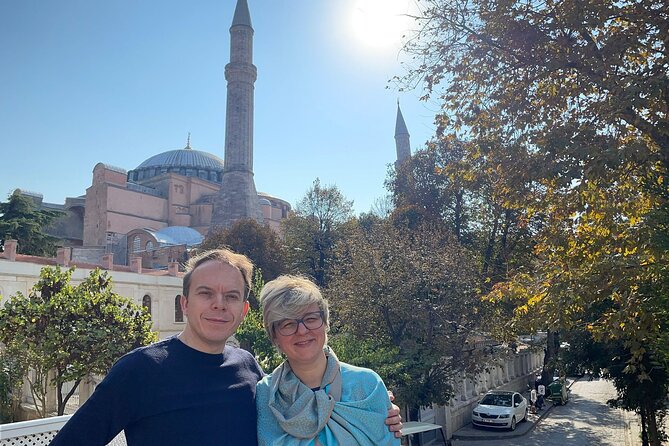
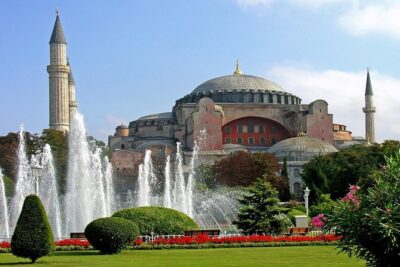
Hagia Sophia is the centerpiece, and it’s still an operating mosque now. What matters for your planning: it’s not run like a simple museum with guaranteed skip-the-line treatment from a guide. The tour suggests leaving for this early to reduce security time, with 8:30am or 9:00am as a target.
Inside, you’ll get the key story in plain terms: built in the 6th century, a major player in Christian and Islamic worlds. After the Ottoman conquest, church elements were removed, mosaics were plastered over during the conversion, then later it became a museum—then a mosque again. That history helps you see why Hagia Sophia looks the way it does.
Blue Mosque: Ottoman scale and detail
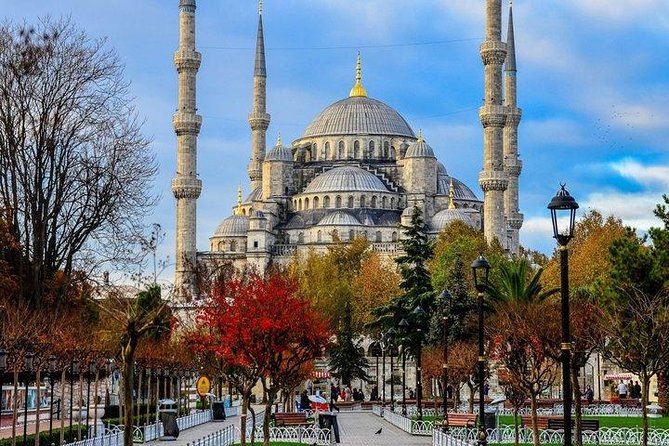
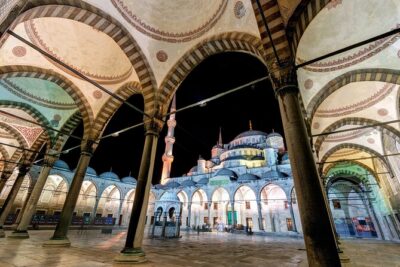
Next is the Blue Mosque, Sultan Ahmet I’s major Ottoman statement. It’s not just a “pretty building.” The guide’s job here is to show you proportions and design choices so you understand why it feels so striking. The tour gives you a solid block of time, and the entrance is free.
Topkapi Palace: entry is extra, but it fits the story
Topkapi Palace comes after—beautiful, grand, and Ottoman in its power display. You’ll need to pay entry separately. The value is that it’s not random sightseeing; it’s the next step in the political story after Hagia Sophia and the Blue Mosque. If you’re the type who likes context, Topkapi is usually worth the extra ticket.
There’s one practical note: Topkapi Palace is closed on Tuesdays. If your day lands on a Tuesday, the plan shifts to alternatives like the Turkish and Islamic Arts Museum, the Archaeological Museum, or Basilica Cistern.
Grand Bazaar: a full sensory stop (closed Sundays)
You finish the day at the Grand Bazaar, one of the oldest and largest covered markets in the world. With thousands of shops selling ceramics, leather, rugs, carpets, and more, it’s easy to get lost. That’s where a guide helps: you don’t just wander—you learn how to move through it without getting tunnel vision.
Grand Bazaar is closed on Sundays, and in that case it’s replaced by the Spice Market. Also note: during Eid, both the Grand Bazaar and Spice Market can close, so your guide will adjust.
Day Two: Bosphorus Ferry Views, Dolmabahce, Taksim, and Istiklal
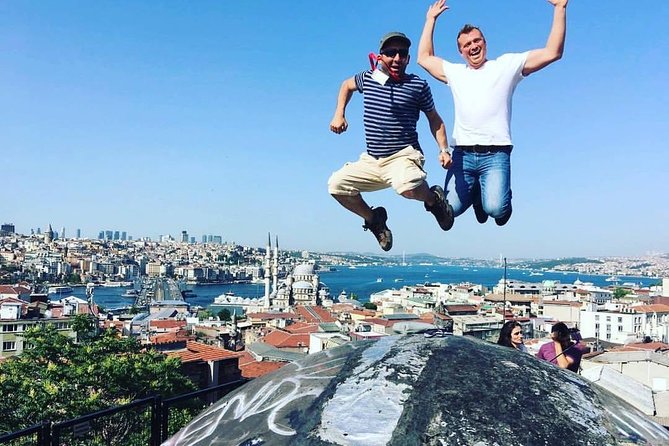
This is the day for water views and the “modern Istanbul” feel.
Bosphorus Strait by public ferry
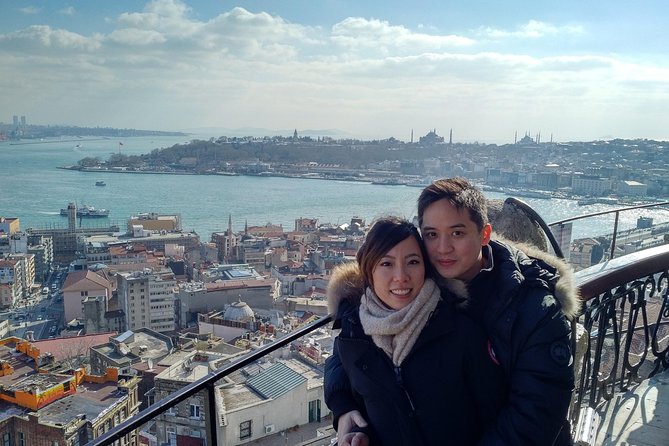
A Bosphorus cruise is built into the 2-day option, and the plan calls for a ferry route (public ferry is the baseline, private cruise may be offered as an option). This is a great compromise: you get the iconic views of the European and Asian sides, plus stops along the way like Galata Tower views, Dolmabahce Palace frontage, Beylerbeyi Palace area, and Ottoman-era villa silhouettes.
A private boat is a different experience, but the ferry works because it gives you real city life—people boarding, streets rolling by, and the skyline changing every few minutes. You also tend to come away with photos that feel like Istanbul, not like a model city.
Dolmabahce Palace: a luxury palace with a museum rule caveat
Dolmabahce Palace is next. It’s one of those places where the interior decorations hit you fast: chandeliers, rugs, crystal details, ceramics, and dramatic placement on the Bosphorus. Entry is extra.
Closed on Mondays, and there’s a specific practical limitation: museum regulations mean live guide service isn’t available at Dolmabahce Palace. Your guide can still provide context, but you may experience more self-guided time inside depending on the rules that day.
Taksim Square and Istiklal Street: Turkey in motion
After the palace, you shift gears to Taksim Square and Istiklal Street. Taksim is modern Turkey’s stage, connected to nightlife, embassies, and the city’s energy. Istiklal is known for shops, cafes, churches, and modern art galleries, so it’s a different Istanbul from Sultanahmet.
This part is valuable because it shows the city isn’t just monuments. You see how people live now, not only how empires ruled then.
Galata Tower: exterior view and queue limits
You’ll see Galata Tower from the outside. The tour notes that guide skip-the-line priority doesn’t apply here, which means queue time can eat your schedule. Still, it’s worth a quick look because the tower acts like a visual landmark between old and new Istanbul.
Spice Market (Misir Çarşısı) and Cicek Pasaji
Then you swing into the food-and-souvenir lanes: the Spice Market (Egyptian Bazaar) and Cicek Passage (Flower Passage). The Spice Market is a sensory win—spices, flavored teas, Turkish delight, nuts, plus small gift items. It’s also a practical choice if the Grand Bazaar is closed.
Cicek Passage is shorter and calmer than the bigger markets, and it’s a nice stretch break in the middle of a busy day.
Day Three: Suleymaniye, Balat/Fener, St. Stephen Church, Chora, and Pierre Loti
If Day One is about getting oriented and Day Two is about broad views, Day Three is about neighborhood mood and art.
Suleymaniye Mosque and the terrace views
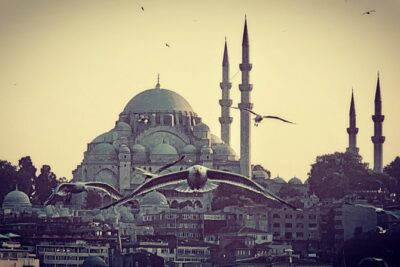
Suleymaniye Mosque is the largest mosque in Istanbul and it’s impressive from inside and out. The terrace area behind it is a payoff: you get views toward the Golden Horn and Bosphorus. It’s also a great moment to slow down, since the rest of this day involves walking through streets and historic corners.
Friday is a special case: the Blue Mosque visit shifts to the afternoon on Fridays.
Balat and Fener: steep streets, laundry lines, and church history
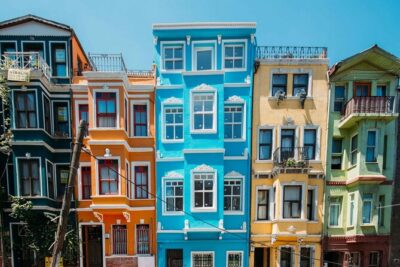
Balat and Fener are explored as a backstreet walk. You’ll notice the famous look—steep winding streets with lines of laundry stretching overhead, plus long-leaning Ottoman houses in strong color tones like reds, blues, and greens. Art galleries and design shops show up along the waterfront too.
The tour also includes stops connected to the Orthodox world, including the Church of St. George and the Orthodox Patriarch area (Fener Rum Patrikhanesi). You’ll hear how these religious institutions connect to the Ecumenical Patriarchate of Constantinople.
St. Stephen Church: the Iron Church
The Bulgarian Orthodox Church, also known as St. Stephen Church, is called the Iron Church because it’s made from prefabricated cast iron in the 19th century. That’s the kind of detail that makes a neighborhood stop more interesting than another photo break.
Chora Museum: mosaics that people talk about for a reason
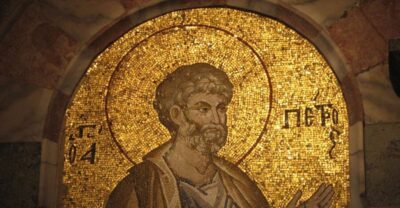
Chora Museum is on the schedule for the 3-day option. It’s famous for well-preserved mosaics and frescoes, with East Roman painting examples from the last period. If you love art that feels alive even after centuries, this is often a highlight because the detail is so specific.
Ticket is extra here. Plan for the time to look closely rather than rushing to the exit.
Pierre Loti Hill: cable car ride and a slow final view
The tour ends with Pierre Loti Hill by cable car. It’s a popular viewpoint and an easy way to finish with scenery and a short break. The tour notes you can enjoy a coffee or tea up top, which is a nice send-off after a day of monuments and streets.
Price and Value: How $100 per Person Makes Sense (and where you’ll spend extra)
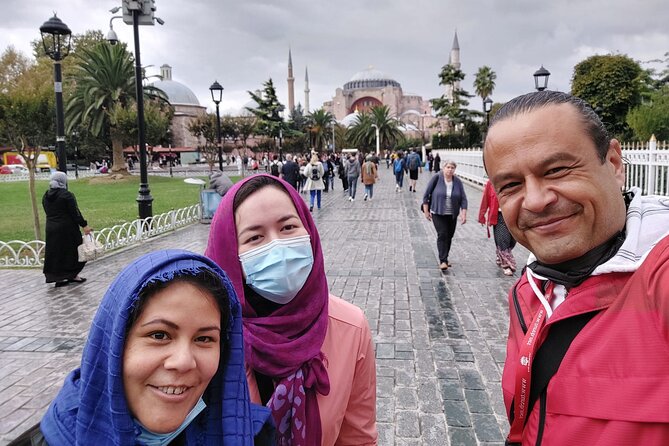
At $100 per person, the value is mostly about what you’re buying: time saved, fewer wrong turns, and a guide who can steer you through complicated sites and changing conditions.
You’re not paying just for someone to hold a map. You’re paying for:
- private pacing (your group only)
- hotel meeting and a structured route
- planning for closures (Topkapi Tuesdays, Dolmabahce Mondays, Grand Bazaar Sundays)
- context that helps you understand what you’re looking at
What’s not included is also important. Museum, ferry, and cable car tickets are extra. Lunch is not included. Transport between sites is also not included unless van service is booked.
One practical warning: ticket costs can surprise people. A past guest reported having to bring a lot of cash at attractions, which suggests that carrying some cash can help if a site’s payment situation gets messy. Even if you pay mostly by card, I’d still carry a small amount just in case.
Logistics That Matter: Pickups, Walking Pace, and When to Start
This tour is designed to work with real Istanbul public transit, and that affects your experience.
If van service isn’t booked, the guide can pick you up only at centrally located hotels or walk from Galataport on foot. The meeting point mentioned is the German Fountain when your hotel isn’t centrally located or isn’t accessible by public transportation. In many cases, guides and guests can operate the route using tram, funicular, and ferries.
If you want fewer walking stretches between neighborhoods, book van service. There can be a surcharge if your hotel is outside the city center or on the Asian side. Tours starting from airports should be booked with van service since airports are outside the pickup zone.
Timing also affects what you can see. If your tour starts later than 11am, some sites may need to be skipped because many attractions close by around 7pm. If you want the most complete day, pick an earlier departure time.
Finally, note the “queue” reality:
- Hagia Sophia is not treated as a guaranteed skip-the-line museum, and security lines can take time.
- Galata Tower is described as outside viewing due to regulations and queue limits.
Who This Tour Fits Best (and who may prefer another approach)
This is a great match if:
- you’re first time in Istanbul and want a guided orientation
- you like major landmarks but also want street-level storytelling
- you want flexibility to adjust based on interest and energy level
- you have kids or multi-generational needs and want a smooth, paced plan (some families have found the pacing works well)
It may be less ideal if:
- you hate walking and want long breaks throughout the day
- you dislike adding extra ticket costs at multiple stops
- you’d rather roam totally freely without a route structure
If you’re the type who wants the city fully curated, you’ll likely enjoy this. If you want pure independence, you might feel limited by the timing and ticket extras.
Should You Book This Private Istanbul Tour?
Book it if you want a smart first introduction to Istanbul with real order. The private guide, the hotel meeting, and the way the route moves from imperial landmarks to markets, then to Bosphorus views and Golden Horn neighborhoods, is exactly how you learn a city fast.
Think twice if your budget is tight for ticket fees. Also consider the timing: for Hagia Sophia especially, going early matters. If you’re traveling on a day with closures (Topkapi Tuesdays, Dolmabahce Mondays, Grand Bazaar Sundays), you’ll still be guided to substitutes, but you should be comfortable with that kind of shift.
If you want my practical final checklist: choose the number of days that matches your energy, start earlier when possible, and budget for museum and ferry tickets. Then let the guide do the hard part—turning Istanbul’s layers into a story you can actually follow.
FAQ
Is this a private tour or a group tour?
It’s a private tour, meaning only your group participates.
Do I get picked up from my hotel?
Pickup is offered from centrally located Istanbul hotels. If van service isn’t booked, pickup may be limited to centrally located hotels or walk-from points, such as Galataport on foot, and the tour may reference German Fountain as a meeting point depending on where you are staying.
Are entry tickets included for Hagia Sophia, museums, and palaces?
No. Museum, ferry, and cable car tickets are not included. Hagia Sophia and the Blue Mosque are listed as free, but Topkapi Palace and several other attractions require extra tickets.
Is the Bosphorus cruise included?
Yes, if you choose the 2-day option (and it’s described as a Bosphorus cruise by public ferry, with a private cruise option if chosen). Tickets for the cruise are not included.
What happens on closed days like Tuesdays or Mondays?
Topkapi Palace is closed on Tuesdays and will be replaced with alternatives such as Turkish and Islamic Arts Museum or Archaeological Museum or Basilica Cistern. Dolmabahce Palace is closed on Mondays, and live guide service isn’t available there due to museum regulations. Grand Bazaar is closed on Sundays and replaced with Spice Market.
Can I cancel for a full refund?
You can cancel for free up to 24 hours in advance for a full refund. If you cancel less than 24 hours before the start time, the amount you paid is not refunded.
More Tours in Istanbul
- Istanbul: Bosphorus Sightseeing Cruise Tour with Audio Guide★ 4.6 · 4,704 reviews
- Istanbul: Blue Mosque & Hagia Sophia Guided Tour w/ Tickets★ 4.8 · 3,600 reviews
- Istanbul: Blue Mosque, Hagia Sophia, & Old Town Walking Tour★ 4.8 · 2,372 reviews
- Istanbul: Princes Islands Tour with Heybeliada and Buyukada★ 4.4 · 2,305 reviews
- Istanbul: Basilica, Hagia Sophia, Blue Mosque Tour & Cruise★ 4.5 · 1,929 reviews
- Istanbul: Blue Mosque Guided Tour★ 4.5 · 1,910 reviews
More Tour Reviews in Istanbul
- Istanbul: Bosphorus Dinner Cruise & Show with Private Table★ 4.8 · 62,058 reviews
- Istanbul: Daytime or Sunset Sightseeing Cruise & Audio Guide★ 4.8 · 14,430 reviews
- Istanbul: Bosphorus Dinner Cruise & Turkish Night Show★ 4.8 · 12,954 reviews
- Istanbul: Basilica Cistern Fast-Track Entry and Audio Guide★ 4.6 · 7,521 reviews
- Istanbul: Hagia Sophia Skip-the-Line Ticket & Museum Option★ 3.7 · 4,958 reviews
- Istanbul: Hodjapasha Whirling Dervishes Show & Exhibition★ 4.4 · 4,790 reviews
The Istanbul Highlights, More Routes
- Best Of Istanbul 1, 2 or 3-Day Private City Guided Tour★ 4.7 · 530 reviews
- Best Of Istanbul: 1, 2 or 3 Day Private Guided Tour★ 5.0 · 435 reviews
- Istanbul Shore Excursion: Istanbul in One Day Sightseeing Tour★ 4.0 · 273 reviews
- Highlights & Hidden Gems With Locals: Best of Istanbul Private Tour★ 5.0 · 247 reviews
- Best of Istanbul City Full-Day Tour with Transfers★ 5.0 · 196 reviews
- Best of Istanbul in 4 Hours with the Must See Highlights★ 4.0 · 116 reviews
Fresh off the boat: new Istanbul reviews
3-Day Experiences, compared.
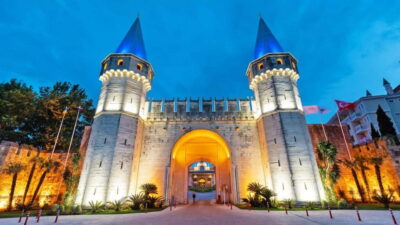 ★ 4.7Best Of Istanbul 1, 2 or 3-Day Private City Guided TourFrom $43530 reviews
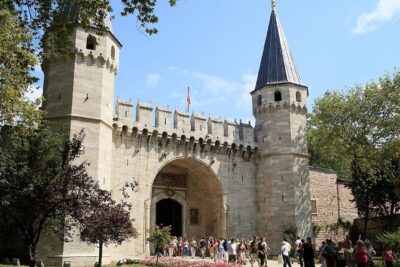 ★ 5.0Best Of Istanbul: 1, 2 or 3 Day Private Guided TourFrom $85435 reviews
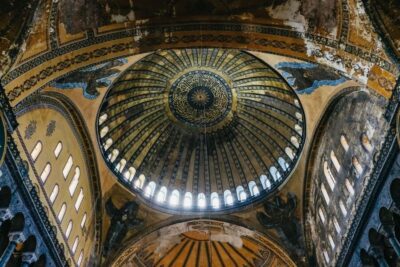 ★ 4.8Best of the City 1, 2 or 3-Day Private Guided TourFrom $102373 reviews
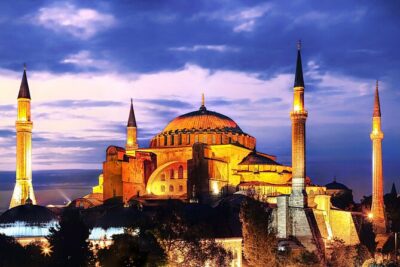 ★ 5.0Istanbul City and Hidden Gem Private Guided Tour 1, 2, 3 Day opt.From $250264 reviews
 ★ 5.0Cappadocia 2-3 Day Tour with Flights & HotelFrom $361202 reviews
 ★ 5.0Private Istanbul Tour with Guide for 1, 2 or 3 Day OptionsFrom $179172 reviews
 ★ 4.5Skip-The-Line:1, 2 or 3 Days Private Istanbul Guided TourFrom $8155 reviews
 ★ 5.03 Days 2 Nights Cappadocia Package Tour from Istanbul by PlaneFrom $83838 reviews
Browse the lists this tour appears in