
REVIEW · WHIRLING DERVISHES SHOWS
Istanbul: Hodjapasha Whirling Dervishes Show & Exhibition
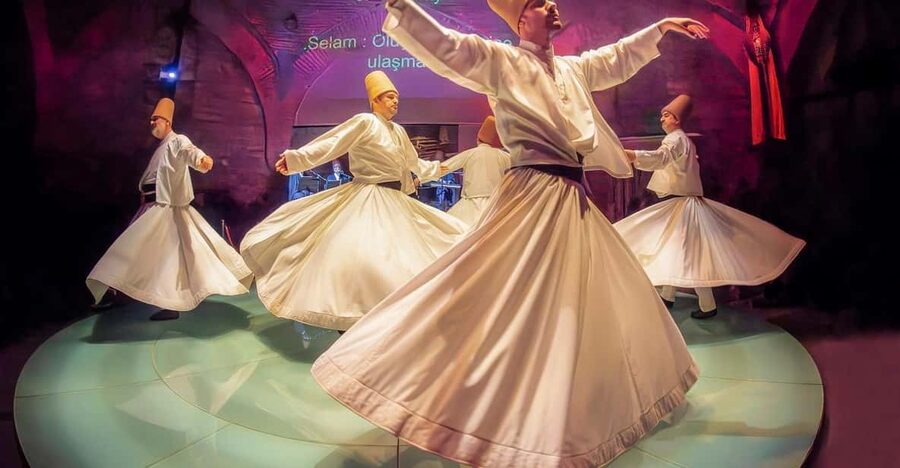
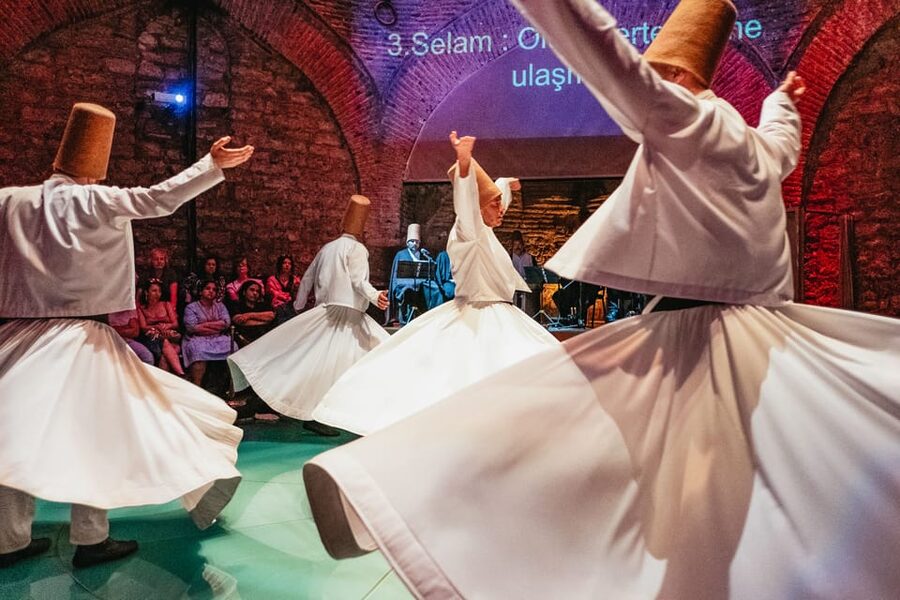
Sama in a 550-year-old Istanbul bath is powerful. The HodjaPasha Culture Center turns the Mevlevi Sema into a moving, tightly run ceremony—part live music, part spiritual ritual, with whirling dervishes at the center. It’s a rare way to see this tradition in an Ottoman setting built for stillness and sound.
I especially love two things: first, walking into the restored bath-house atmosphere, because the building makes the whole performance feel grounded and real. Second, the program’s structure—music first, then the seven-part Sema with chants and drums—gives you something to follow instead of just watching spins.
One possible drawback: the experience is strict about respect. No photos, no talking, no applause, and you’ll want your phone off so you don’t get in the way of the ritual.
In This Review
- Key things to know before you go
- HodjaPasha Culture Center: where the ceremony actually happens
- The Mevlevi Sema in one hour: how the ceremony unfolds
- The whirling and the music: what you’ll hear and notice
- Rules inside the center: how to avoid ruining your own night
- Tickets, seats, and timing: the real logistics that affect your view
- Value for $32: what you’re actually paying for
- Who should go (and who might not love it)?
- Should you book the HodjaPasha Whirling Dervishes?
- FAQ
- FAQ
- How long is the HodjaPasha Whirling Dervishes ceremony?
- Where do I start, and how close is it to public transit?
- What’s included with the ticket?
- Can I take photos inside the ceremony?
- Are there rules during the performance?
- Are children allowed?
- Is it wheelchair-accessible?
- What are the cancellation options?
Key things to know before you go
- HodjaPasha is a restored Ottoman bath (about 550 years old), not a theater set.
- A full Mevlevi Sema program runs about an hour, with music, chant, and the seven-part ceremony.
- Complimentary drinks are available during the show, plus bottled water is included.
- No photography inside, and the rules are enforced to keep the ritual quiet.
- Seating is first booked, first served, so arriving early helps your odds.
- It’s not for kids under 7 and it’s not wheelchair-friendly.
More evenings with the whirling dervishes
HodjaPasha Culture Center: where the ceremony actually happens
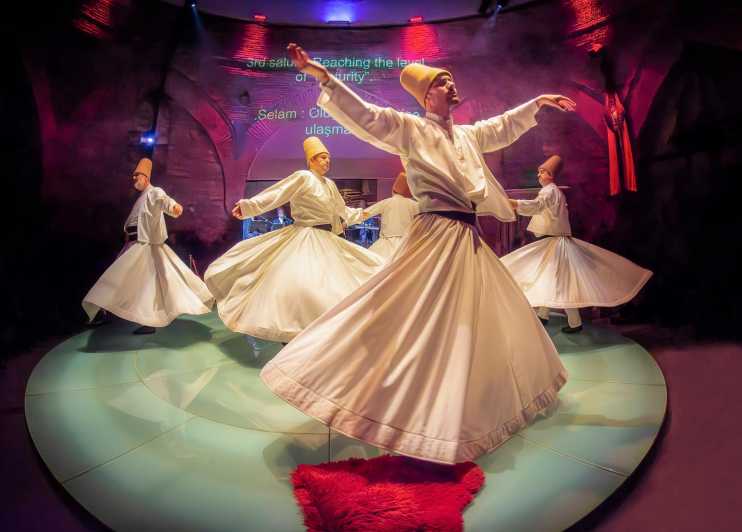
This is one of the main reasons the experience works. The Mevlevi Sema takes place inside the Hocapaşa / HodjaPasha Culture Center, a restored Ottoman Turkish bath that dates to roughly 550 years ago. Instead of bright lights and a stage far away, you get a domed, stone-room feel that makes sound travel—and it changes how the music lands.
Before the whirling starts, there’s an exhibition area where you can read up on what you’re seeing. The helpful part isn’t just dates and names. The panels and booklet setup give you the basic meaning behind the Sufi ideas presented in the ceremony. I found that kind of context makes the spinning easier to accept on its own terms, not just as a performance.
If you like architecture and old spaces, you’ll appreciate this more than average “show” venues. A historic bath-house has echoes, cool stone, and a sense of ceremony built into the room. Several people also point out that the venue is intimate enough to feel close to what’s happening, which matters because the ritual depends on attention.
Practical note: the site involves steps, and some visitors mention there are a lot getting upstairs to the venue area. If you’re not steady on your feet, plan for that and take your time.
The Mevlevi Sema in one hour: how the ceremony unfolds
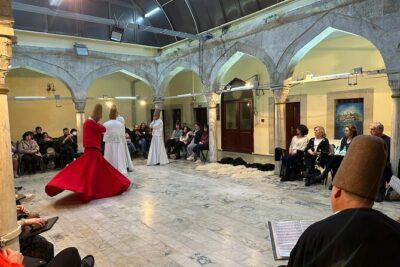
The program is built like a sequence of spiritual stations. You’ll start by taking your place at the HodjaPasha Culture Center, and the ceremony begins with live music.
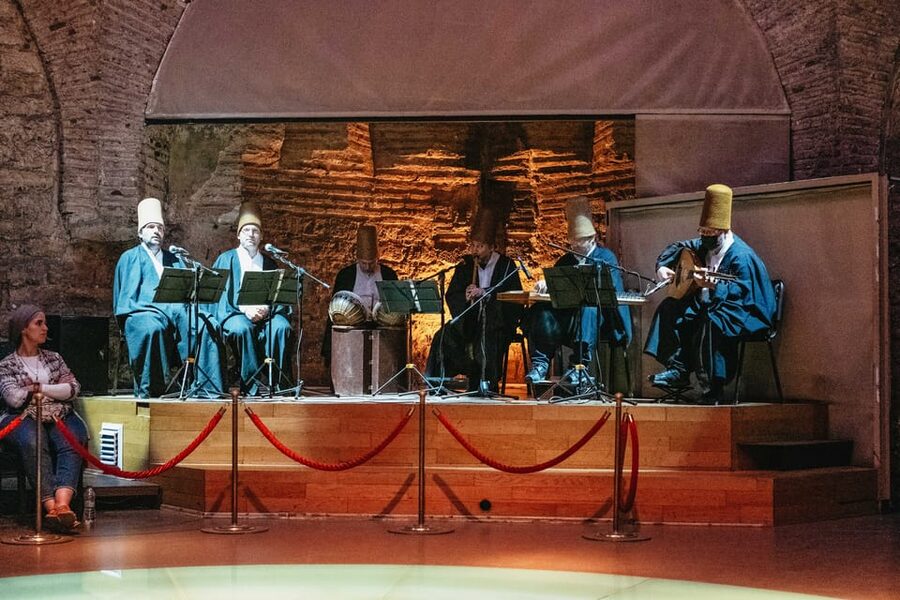
First comes a classical Turkish music concert. You’ll hear performers take their places, and the ceremony then moves into praise and chant—part of the opening reverence before the main whirling begins. The sound design matters here: there’s a sense of drums “speaking,” and the rhythm cues you that the Sema is shifting into its next section.
Then comes the core of it: the seven-part Sema ceremony. The seven stages are meant to represent a spiritual ascent—moving through ideas toward thought and love—and one of the program descriptions connects it to the birth of humanity. The whirling dervishes and the ceremony structure aren’t random. Even if you don’t know the theology, you can feel the pacing: chant → drum emphasis → controlled sections → a clear ending.
The ceremony closes with a Fâtiha for the souls of prophets, martyrs, and believers, and then a prayer for the salvation of the country. That ending matters because it gives the hour more shape than a typical “dance program.” It’s quiet, deliberate, and meant to be taken seriously.
The whirling and the music: what you’ll hear and notice
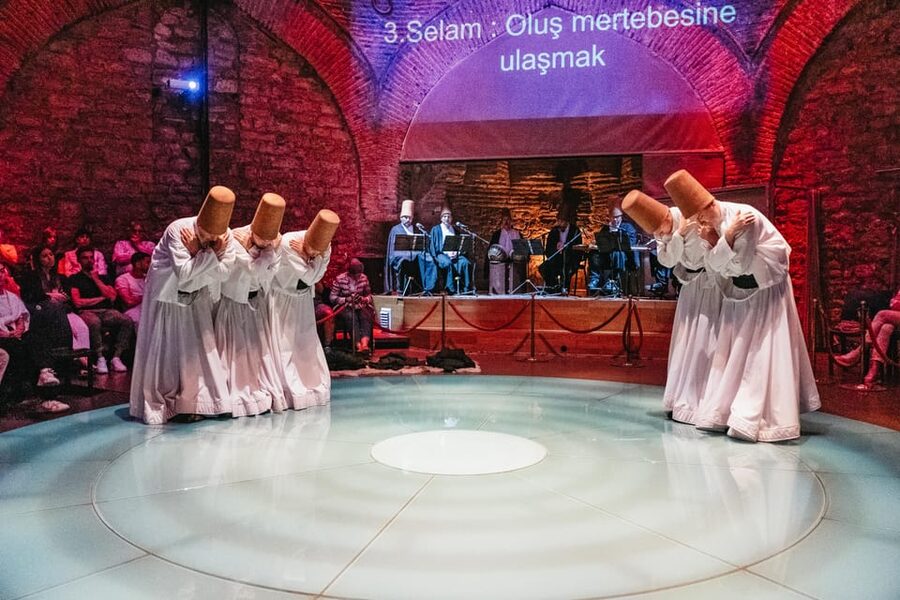
The whirling is hypnotic, but it’s not just about motion. The ceremony combines spinning with a musical conversation you’ll recognize if you listen for instruments and rhythm shifts.
From what the musicians perform, you might hear a mix including ney (reed flute), oud (lute), kanun (zither), vocal lines, and traditional percussion. The show also uses structured compositions—described in the booklet as segments of Peşrev—plus musical improvisation moments (often called taksim) that let the performers stretch the sound before the next part. The effect is that the music stays “alive” even while the ceremony remains disciplined.
One practical thing: people often assume whirling means nonstop spinning. Here, the spinning fits into different levels/sections of the Sema, and the duration can feel substantial for such a short total time (an hour). A lot of the awe comes from how the dancers manage the turns with control—stopping precisely rather than fading into chaos.
Also, the sound carries in a bath-house setting. The stone and dome shape the resonance, so the drums and the ney can feel unusually present. If you’ve ever wanted to hear Ottoman/Turkish classical music in a way that isn’t background noise, this setting is a big part of the answer.
Worth putting side by side with this Istanbul pick:
- Istanbul: Hagia Sophia Skip-the-Line Ticket & Museum Option★ 3.7 · 4,958 reviews
- Istanbul: Topkapi Palace and Harem Museum Tour with Ticket★ 4.8 · 307 reviews
- Istanbul: Hagia Sophia Mosque and Museum Skip-The-Line Combo★ 4.5 · 136 reviews
- Istanbul: Hagia Sophia History Museum Entry with Audio Guide★ 4.1 · 102 reviews
Rules inside the center: how to avoid ruining your own night
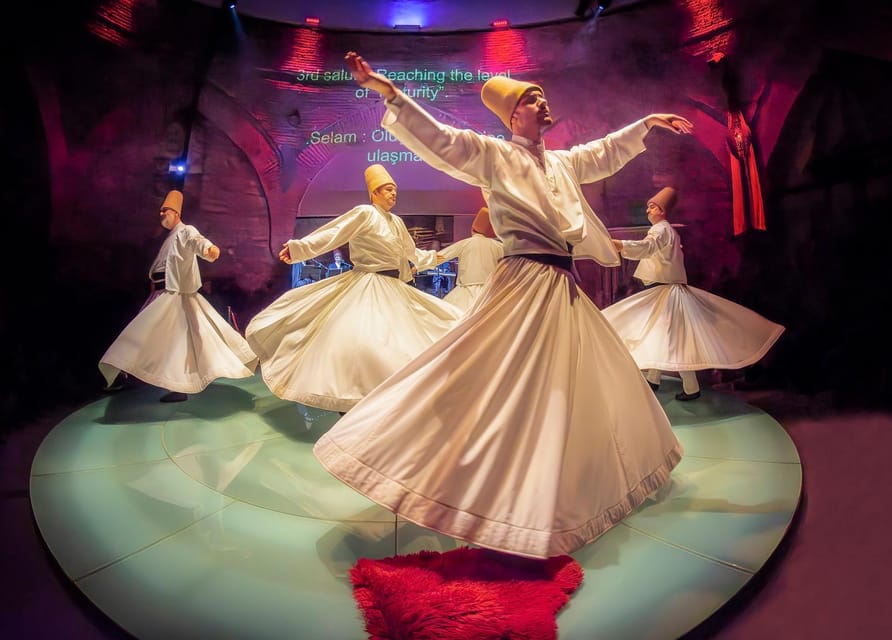
This isn’t a club show with applause breaks. It’s a solemn ceremony, and the rules are clear.
- No photography inside
- No talking during the ceremony
- No applause
- No disruptions of any kind
That’s the main “fit” issue for many visitors: you have to treat it like prayer time, not entertainment time.
The best way to prepare is simple: set your expectations accordingly. If you walk in thinking you’ll film highlights or treat it like a selfie stop, you’ll feel frustrated. If you come ready to listen and watch quietly, the rules help you settle in faster.
I’d also bring a small comfort item if you get dry-throated: a drink is available, and bottled water is included, but the venue is focused on silence and sound. If you’re the type who coughs or clears your throat a lot, plan for that—people notice when the air gets disturbed.
Tickets, seats, and timing: the real logistics that affect your view
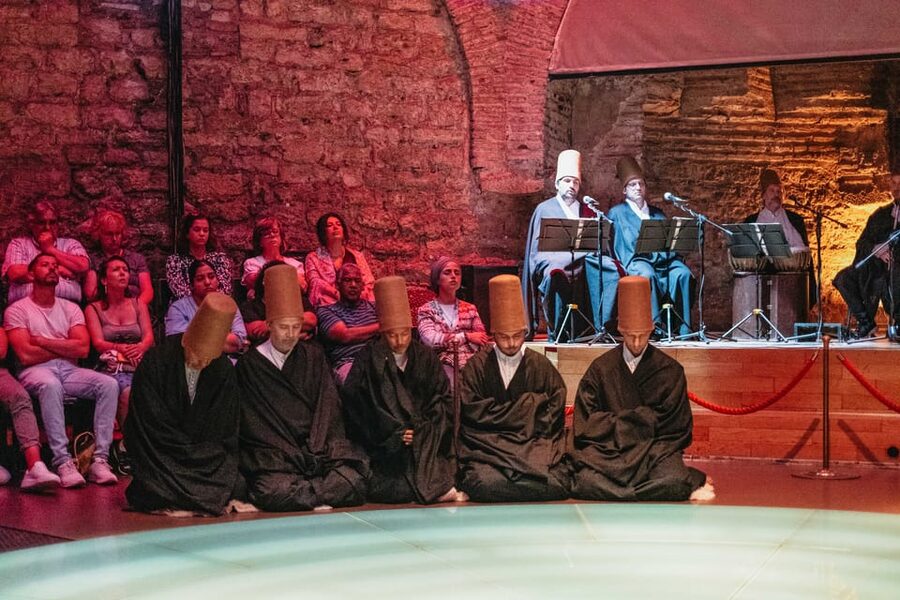
The show lasts about 1 hour, so it’s easy to fit into an evening in Sultanahmet-Sirkeci without burning your whole day.
Your meeting point is at the Hocapaşa Culture Center, located about 100 meters from the Sirkeci Tram Stop. That’s handy because you can pair this with a wider Sultanahmet walk, or use tram access to reduce hassle.
Seating uses a “first booked, first served” system. That matters because you can have a decent view at any seat in an intimate room, but people who arrive earlier have the advantage. If you want a calmer arrival (and time to read before the program), show up before you feel rushed.
One more detail: there’s an exhibition space before the ceremony. If you skip it, you’ll still experience the dancing and music—but you’ll miss some of the meaning that makes the Sema feel like more than a beautiful routine.
Value for $32: what you’re actually paying for
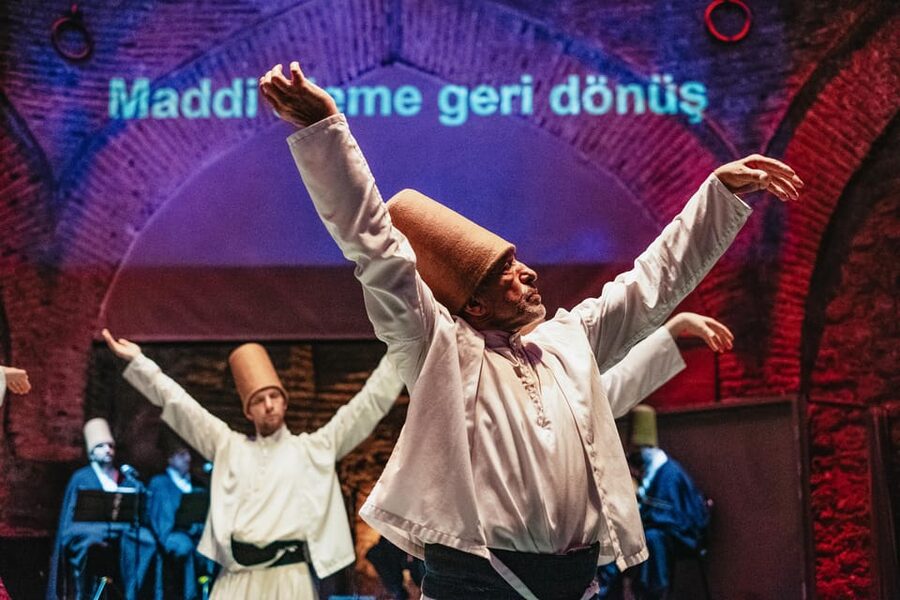
At $32 per person for about one hour, the price can feel either fair or high depending on what you want from Istanbul at night.
Here’s what’s included:
- Mevlevi Sema ceremony ticket
- Program booklet
- Bottled drinking water
- Complimentary drinks during the show
But the bigger value point isn’t just add-ons. You’re paying for live music plus the whirling ceremony in a historic Ottoman bath. Many venues charge similar amounts for staged performances in modern halls. This one uses a space that affects acoustics and atmosphere, and the booklet/exhibition helps connect the experience to the Mevlevi tradition.
That said, a couple of people did flag comfort issues, like chairs placed close together and the room’s practical comfort not matching the spiritual vibe. If you’re sensitive to tight seating, plan your posture and take it seriously as a quiet ritual, not a lounge.
Overall, I think the value holds best if you:
- care about cultural context (you’ll use the booklet),
- respect the silence rules,
- and want a real ceremony setting rather than a tourist-friendly spectacle.
Who should go (and who might not love it)?
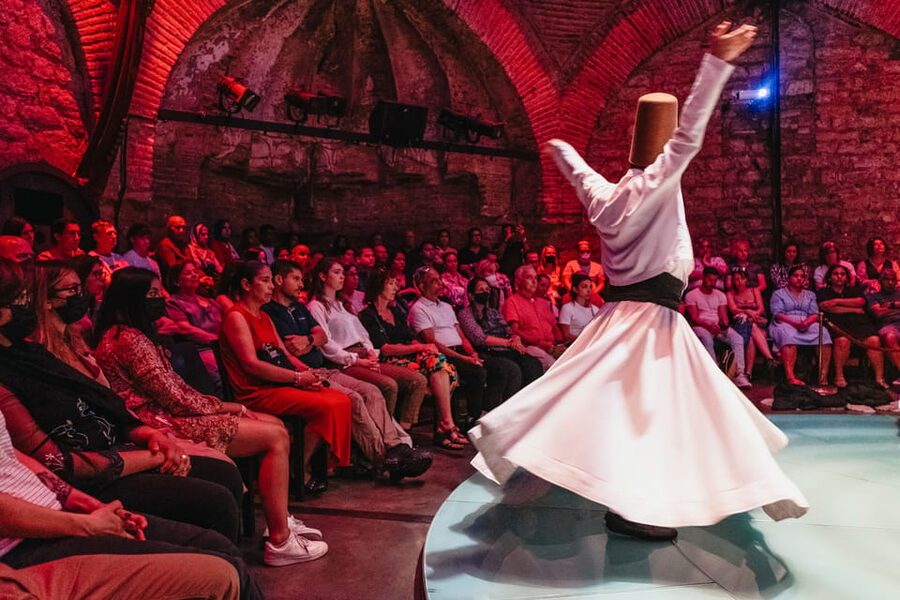
This is a strong match for adults and older kids who can follow rules quietly and stay seated through a full ceremony. If you’re interested in Sufism, Turkish classical music, or Ottoman-era cultural sites, you’ll likely feel rewarded fast.
It’s also a good fit if you like “in-between” travel moments—when you’re not just ticking off sights, but listening and reading your way into meaning.
It’s not a good match if:
- you want to take photos during the ceremony,
- you need a wheelchair-accessible venue,
- or you’re bringing children under 7 (they aren’t permitted).
If you dislike strict behavior boundaries, you may find the rules limiting. If you welcome them, you’ll probably feel calmer and more focused as the hour passes.
Should you book the HodjaPasha Whirling Dervishes?
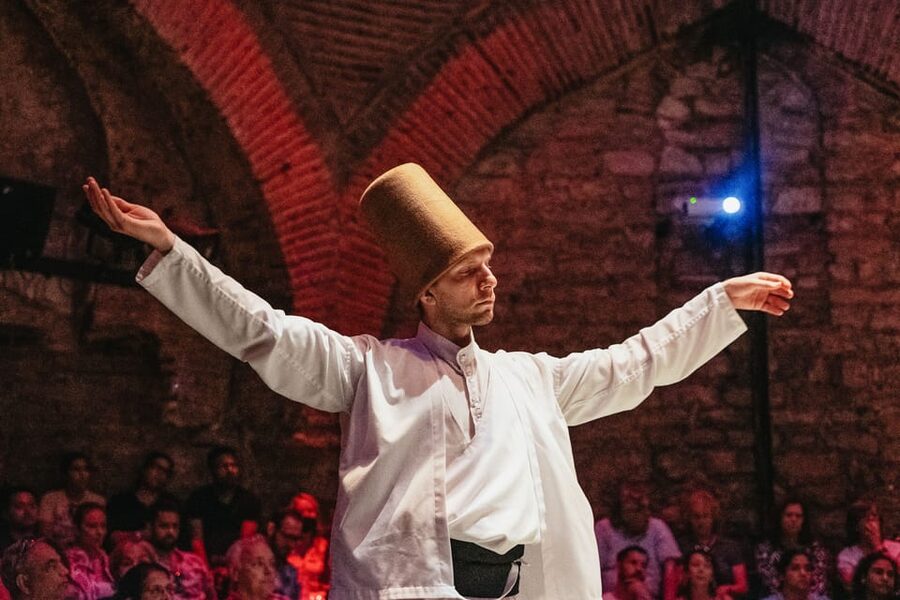
Yes—if you’re choosing Istanbul nights based on authenticity and atmosphere. The combination of a restored Ottoman bath, live classical Turkish music, and a structured Mevlevi Sema makes this more than a dance demo.
Book it if you’re willing to treat it like a ritual: arrive early, read the program booklet, put your phone away, and settle in for quiet attention. With that mindset, it’s exactly the kind of experience that makes you feel like you didn’t just watch something—you understood the intention behind it.
FAQ
FAQ
How long is the HodjaPasha Whirling Dervishes ceremony?
The experience lasts about 1 hour.
Where do I start, and how close is it to public transit?
Start at the Hocapaşa Culture Center, which is about 100 meters from the Sirkeci Tram Stop.
What’s included with the ticket?
Your ticket includes the Mevlevi Sema ceremony, a program booklet, and bottled drinking water. Complimentary drinks are also provided during the show.
Can I take photos inside the ceremony?
No. Photography is not allowed inside.
Are there rules during the performance?
Yes. You must not disrupt the ceremony. That means no photography, no talking, and no applause during the performance.
Are children allowed?
Children under age 7 are not permitted.
Is it wheelchair-accessible?
No. The experience is not suitable for wheelchair users.
What are the cancellation options?
You can cancel up to 24 hours in advance for a full refund. There’s also a reserve now & pay later option.
More Museums in Istanbul
- Istanbul: Hagia Sophia Skip-the-Line Ticket & Museum Option★ 3.7 · 4,958 reviews
- Istanbul Hodjapasha Whirling Dervishes Show & Exhibition★ 4.0 · 503 reviews
- Istanbul: Topkapi Palace and Harem Museum Tour with Ticket★ 4.8 · 307 reviews
- Istanbul: Hagia Sophia Mosque and Museum Skip-The-Line Combo★ 4.5 · 136 reviews
- Istanbul: Hagia Sophia History Museum Entry with Audio Guide★ 4.1 · 102 reviews
- Istanbul: Museum of Illusions Ticket★ 4.1 · 83 reviews
More Tour Reviews in Istanbul
- Istanbul: Bosphorus Dinner Cruise & Show with Private Table★ 4.8 · 62,058 reviews
- Istanbul: Daytime or Sunset Sightseeing Cruise & Audio Guide★ 4.8 · 14,430 reviews
- Istanbul: Bosphorus Dinner Cruise & Turkish Night Show★ 4.8 · 12,954 reviews
- Best of Istanbul 1, 2 or 3-Day Private Guided Istanbul Tour★ 5.0 · 8,922 reviews
- Istanbul: Basilica Cistern Fast-Track Entry and Audio Guide★ 4.6 · 7,521 reviews
- Istanbul: Hagia Sophia Skip-the-Line Ticket & Museum Option★ 3.7 · 4,958 reviews
More Nights with the Dervishes
- Istanbul: Whirling Dervishes Ceremony and Mevlevi Sema★ 4.3 · 1,694 reviews
- Istanbul: Whirling Dervish Ceremony next to Hagia Sophia★ 4.5 · 906 reviews
- Istanbul Hodjapasha Whirling Dervishes Show & Exhibition★ 4.0 · 503 reviews
- Istanbul Traditional Turkish Dinner and Dervish Experience★ 5.0 · 490 reviews
- Whirling Dervish Ceremony: Go on a Spiritual Journey★ 4.0 · 177 reviews
- Istanbul: Whirling Dervishes Ceremony and Mevlevi Sema★ 4.5 · 128 reviews
Fresh off the boat: new Istanbul reviews
Whirling Dervishes Shows, compared.
 ★ 4.3Whirling Dervishes Ceremony and Mevlevi SemaFrom $231,694 reviews
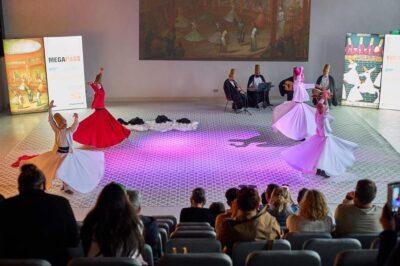 ★ 4.5Whirling Dervish Ceremony next to Hagia SophiaFrom $17906 reviews
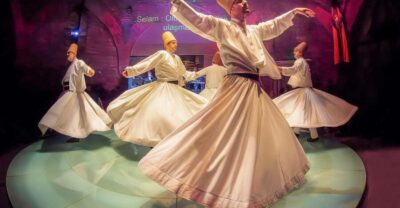 ★ 4.0Istanbul Hodjapasha Whirling Dervishes Show & ExhibitionFrom $32503 reviews
 ★ 5.0Istanbul Traditional Turkish Dinner and Dervish ExperienceFrom $106490 reviews
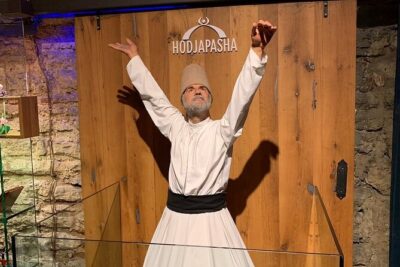 ★ 4.0Whirling Dervish Ceremony: Go on a Spiritual JourneyFrom $120177 reviews
★ 4.5Whirling Dervishes Ceremony and Mevlevi SemaFrom $24128 reviews
★ 4.0Whirling Dervish Ceremony: Go on a Spiritual JourneyFrom $120177 reviews
★ 4.5Whirling Dervishes Ceremony and Mevlevi SemaFrom $24128 reviews
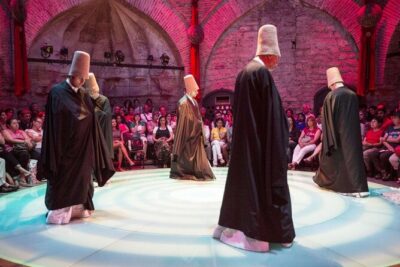 ★ 4.5Istanbul Whirling Dervish Ceremony, A Mystical Sufi ExperienceFrom $42123 reviews
★ 5.0Traditional Turkish Dinner and Dervish ExperienceFrom $79109 reviews
★ 4.5Istanbul Whirling Dervish Ceremony, A Mystical Sufi ExperienceFrom $42123 reviews
★ 5.0Traditional Turkish Dinner and Dervish ExperienceFrom $79109 reviews
Browse the lists this tour appears in