
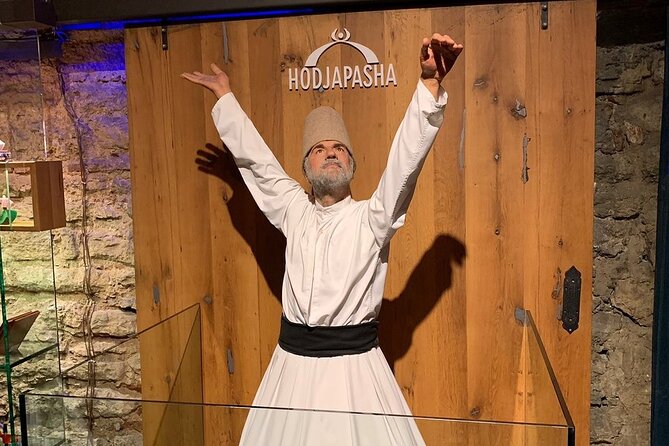
REVIEW · WHIRLING DERVISHES SHOWS
Whirling Dervish Ceremony: Go on a Spiritual Journey
A spinning ceremony with real silence. In Istanbul’s Hodjapasha Dance Theater in the Sirkeci neighborhood, you’ll watch the Mevleviye sema unfold inside a historic building that used to serve as Turkish baths. It’s not built like a TV show. It feels closer to a ritual you’re being invited to witness.
What I like most is the setting and the sound. The venue itself is a 15th-century space with a calm, old-world feel, and you get a live traditional orchestra backing the dervishes, with music running right through the ceremony. The main thing to consider: this is a spiritual performance with strict etiquette—no photos or videos—and it can feel repetitive if you’re expecting nonstop entertainment.
In This Review
- Key Things to Know Before You Go
- Hodjapasha in Sirkeci: Why This Feels Like More Than a Performance
- Entering the Theater: What to Expect Before the Whirling Starts
- The 1-Hour Flow: Music First, Then the Mevleviye Sema
- A note on audience behavior
- The Hodjapasha Building: A 15th-Century Hammam With Ceremony DNA
- UNESCO and the Meaning Behind the Whirl
- Price and Value: Is $120.14 for an Hour Fair?
- Comfort, Seating, and the Reality Check on Repetition
- Should You Stay Afterward for Drinks and Snacks?
- Who This Is Best For (And Who Might Want to Skip It)
- Quick Practical Tips That Actually Help
- Should You Book This Whirling Dervish Ceremony at Hodjapasha?
- FAQ
- Where does the whirling dervish ceremony take place in Istanbul?
- How long is the ceremony?
- What happens during the show?
- Is the Sufi music included?
- Can I take photos or record video?
- Is hotel pickup or drop-off included?
- What time does the ceremony start?
- Is there a minimum age?
- How do I get my ticket?
- What’s the cancellation policy?
Key Things to Know Before You Go
- Historic venue in Sirkeci: A 15th-century building that originally served as Turkish baths now hosts ceremonial performances.
- Live music drives the experience: A traditional orchestra supports the sema with instruments like the kettledrum, flute, and cymbals.
- Longer than you think, but it’s timed right: About 15 minutes of music first, then roughly 45 minutes for the whirling part.
- Photography rules are firm: You’ll need to put your phone away and just watch.
- Assigned seating: You’re directed into place rather than wandering around.
- Know what you want: If you want fast-paced spectacle, you may find it slow.
More evenings with the whirling dervishes

Hodjapasha in Sirkeci: Why This Feels Like More Than a Performance
This ceremony works because it’s built around restraint. The Hodjapasha show isn’t trying to win your attention with lights, jokes, or crowd participation. Instead, it asks you to pay attention. You sit. You listen. You watch the rhythm build.
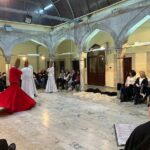
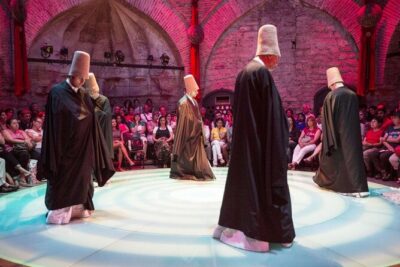
The best part is the combination of place and purpose. You’re in a converted 15th-century Hammam building—originally used for Turkish baths—now adapted for Sufi ceremonies and traditional Turkish dance. That matters more than you’d think. The space gives the sema a grounded, serious feeling. It also explains why the whole experience leans spiritual rather than show-business.
Then there’s the live music. The orchestra doesn’t just provide background. It shapes the tempo of the ritual and helps you hear the ceremony as something structured—like it has a beginning, middle, and spiritual cadence. One review even noted the music and the overall atmosphere in that converted hammam setting as a standout.
Entering the Theater: What to Expect Before the Whirling Starts
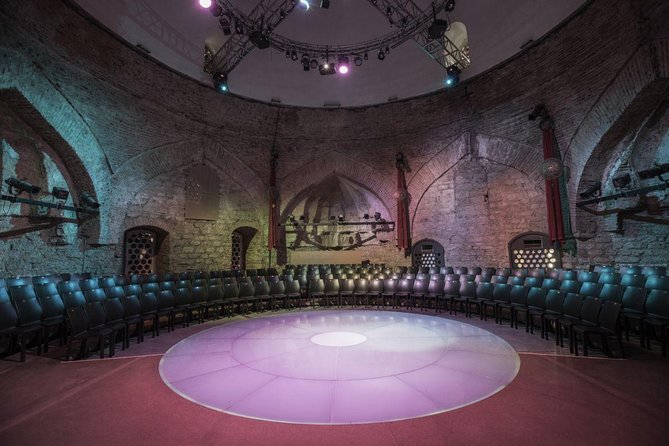
Your tour runs about an hour, starting at 7:00 pm. You’ll head to the Hodjapasha area in Sirkeci and step into the Hodjapasha Dance Theater for your entry and seating.
A practical tip: arrive with patience. Some people found the venue a little tricky to locate, and a few mentioned taxis weren’t sure of the exact address. So don’t plan this as a last-minute dash right after dinner. Give yourself a buffer to get oriented and to find your entrance.
Inside, you’ll likely have a chance to grab something at the venue before the ceremony begins. The show description highlights drinks and snacks available for purchase. At least one firsthand account suggested the setup felt more limited than expected, with basic items like water rather than a full bar. My advice is simple: plan on water and small snacks, and don’t treat this like a cocktail stop.
The 1-Hour Flow: Music First, Then the Mevleviye Sema
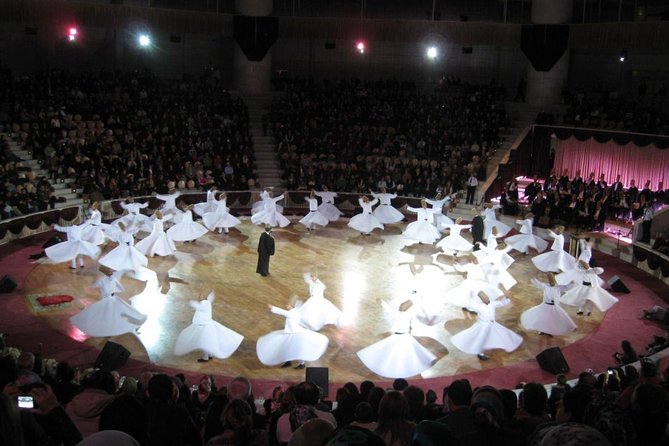
The ceremony is timed in a way that helps you adjust your expectations. First comes about 15 minutes of traditional Turkish music. If you’ve never heard this style performed live, it’s worth treating this opening section as the warm-up for your attention.
Then the sema begins: the show runs about 45 minutes of whirling as part of the Mevleviye sema ritual. You’ll watch the dervishes spin in a choreographed motion, often compared to a spinning top, moving with a deliberate glide rather than a frantic dance.
This is where the “why” becomes visible. The dance is performed alongside poetic song and Persian prayer elements, with the orchestra carrying instruments like kettledrum, flute, and cymbals. It can look simple from afar—spinning, standing, turning—but up close it’s structured. The dervishes aren’t improvising. It’s not a one-off street performance.
- Best of Istanbul 1, 2 or 3-Day Private Guided Istanbul Tour★ 5.0 · 8,922 reviews
- Istanbul: Basilica Cistern Fast-Track Entry and Audio Guide★ 4.6 · 7,521 reviews
- Istanbul: Hagia Sophia Skip-the-Line Ticket & Museum Option★ 3.7 · 4,958 reviews
- Istanbul: Hodjapasha Whirling Dervishes Show & Exhibition★ 4.4 · 4,790 reviews
A note on audience behavior
This is not a clap-and-whoop type of show. Rules are part of the ceremony: photos and videos are not allowed, and you’ll be expected to remain quiet and respectful. That strictness is part of the point. It keeps the room from turning into a backstage atmosphere and lets the ritual land.
Some people loved that “no razz-ma-tazz” approach. Others found the experience slow or repetitive. That divide usually comes down to one question: did you come to witness a ceremony, or did you come for entertainment energy?
The Hodjapasha Building: A 15th-Century Hammam With Ceremony DNA
If you care about atmosphere, this venue is a win. The Hodjapasha theater isn’t a generic concert hall. It’s in a building with deep historical layers, originally used for Turkish baths and later repurposed for performances.
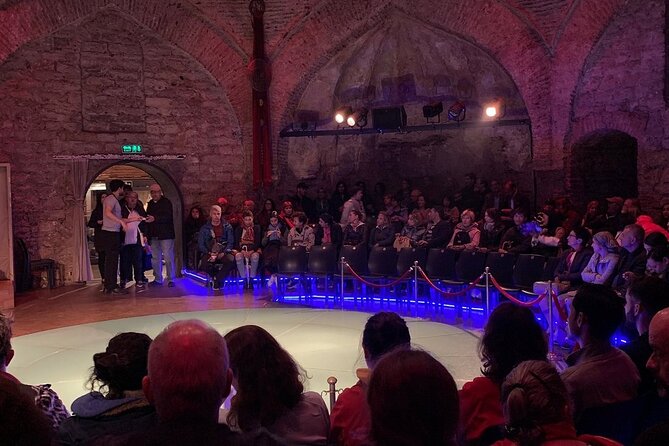
In practical terms, older buildings can mean a few comfort variables: seating layout, acoustics, and how warm or cool the space feels. More than one review mentioned comfort-related tweaks they wished for, like seating height between rows and temperature. So if you’re sensitive to cold or you want legroom, arrive early, choose your seat carefully (assigned seating is a big part of this), and dress in layers.
The upside: the room feels like it belongs to the ceremony. You don’t get the sense you’re watching something detached from its roots.
UNESCO and the Meaning Behind the Whirl
The whirling dervish sema is famous for a reason: it’s included on UNESCO’s Intangible World Heritage List. The practical takeaway is not to memorize a brochure. It’s to understand that you’re watching a living cultural tradition that’s treated as meaningful, not just scenic.
The ceremony’s musical and spiritual components are part of the message. You’ll hear and feel how the orchestra supports the arc of the event—especially as the sema unfolds over those 45 minutes. The music and the prayers aren’t random. They give the dervishes a framework so the movement reads as ritual.
One review described the ceremony as meditative and informative about Sufi spirituality. Another called it an authentic Sufi ceremony without entertainment tricks. That’s the vibe you should expect: you’re meant to observe spiritual symbolism, not chase thrills.
Price and Value: Is $120.14 for an Hour Fair?
Let’s talk money without sugarcoating it. At about $120.14 per person for an hour, the price is not cheap. And some people felt it was expensive for 60 minutes of whirling.
Here’s the value equation I think you should use:
- You’re paying for a live UNESCO-related ritual staged in a historic setting.
- You get a live music concert built into the experience, not a separate add-on.
- No photo rules may feel restrictive, but they also keep the event from turning into a distraction-heavy spectacle.
If you want a quick adrenaline hit, the repetition can bother you, and the price will feel harder to justify. If you go in expecting a spiritual ceremony with quiet attention, the hour can feel like it passes quickly—because you’re watching something with purpose, not counting seconds.
So the “is it worth it?” answer depends on your mindset. I’d call it a high-value experience for the right person, and an easy miss for someone who needs showmanship.
Comfort, Seating, and the Reality Check on Repetition
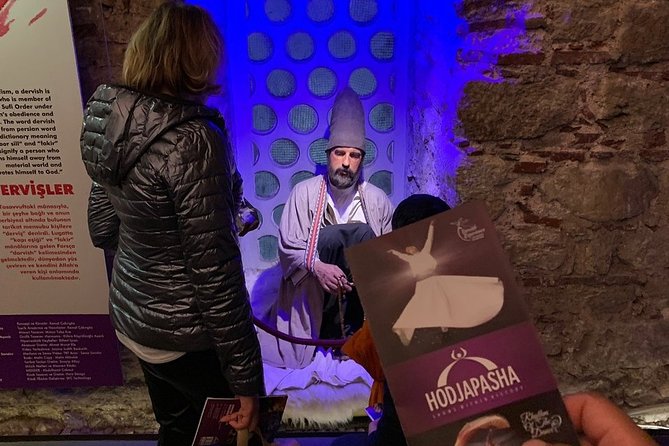
Assigned seating helps. It means you don’t waste time hunting for a view. One account mentioned front-and-center seats, and the overall organization generally seems strong.
But there’s also a reality check: the sema part involves continuous, repeated whirling. That’s exactly what the ritual is. Some viewers found it mesmerising. Others found it monotonous. One review even said they fell asleep during the hour.
If you’re the type who gets restless, don’t force it. Consider this a sit-and-watch experience, like a long guided meditation with music, not a dance show that changes costumes every ten minutes. If you can sit still and pay attention to sound, structure, and symbolism, you’ll likely enjoy it more.
Should You Stay Afterward for Drinks and Snacks?
After the ceremony concludes, you can typically stay to relax at the venue. The show info points out drinks and snacks available for purchase, at your own expense.
Just keep expectations grounded. At least one person said the bar setup didn’t match what they expected, with only bottled water available. That doesn’t ruin the experience, but it means you should treat food and drinks as a bonus, not the highlight of the night.
Who This Is Best For (And Who Might Want to Skip It)
This works best for you if:
- you’re interested in Turkey’s spiritual traditions and want to see how they’re performed in a real setting
- you enjoy quiet cultural experiences where music and symbolism matter
- you can handle rules like no filming and staying respectful
It may not work for you if:
- you expect a fast-paced entertainment show with audience interaction
- you need variety every few minutes
- you don’t like long periods of the same movement pattern
Also, the minimum age is 7 years, so families with kids who can sit for the full ceremony might find it meaningful.
Quick Practical Tips That Actually Help
Here are the small things that make or break the night:
- Put your phone away. No photos or videos. The ceremony is built for attention, not screens.
- Arrive a bit early so finding the venue doesn’t stress you out.
- Dress for comfort. Older interiors can run cool.
- Go with the right expectation: this is a ceremony, not a party.
- Listen to the music starting at minute one. The first 15 minutes set the tone.
Should You Book This Whirling Dervish Ceremony at Hodjapasha?
I think you should book it if you’re the kind of person who enjoys spiritual traditions, respects ritual rules, and wants a meaningful evening in Istanbul’s historic fabric. The live orchestra, the UNESCO-listed Mevleviye sema, and the historic hammam setting are strong reasons to go.
I’d hesitate if you’re paying a premium and hoping for nonstop entertainment. This ceremony is designed to be watched calmly, not consumed like a highlight reel.
If you’re on the fence, ask yourself this: would you still want to see it even if you can’t film it? If the answer is yes, Hodjapasha is a great pick for your Istanbul night.
FAQ
Where does the whirling dervish ceremony take place in Istanbul?
It’s held at the Hodjapasha Dance Theater in the Sirkeci neighborhood area of Istanbul.
How long is the ceremony?
The experience runs for about 1 hour.
What happens during the show?
You’ll first hear around 15 minutes of traditional Turkish music, then watch about 45 minutes of the Mevleviye sema dance performed by the dervishes, along with Sufi music and poetic songs.
Is the Sufi music included?
Yes. The ticket includes the Whirling Dervishes Ceremony (SEMA) and a Sufi Music Concert.
Can I take photos or record video?
No. Photography is not allowed during the ceremony.
Is hotel pickup or drop-off included?
No. Hotel pick-up and drop-off are not included.
What time does the ceremony start?
The start time is 7:00 pm.
Is there a minimum age?
Yes. The minimum age is 7 years.
How do I get my ticket?
You receive a mobile ticket, and you’ll get confirmation at booking.
What’s the cancellation policy?
You can cancel for free up to 24 hours before the experience starts for a full refund.
More Tour Reviews in Istanbul
- Istanbul: Bosphorus Dinner Cruise & Show with Private Table★ 4.8 · 62,058 reviews
- Istanbul: Daytime or Sunset Sightseeing Cruise & Audio Guide★ 4.8 · 14,430 reviews
- Istanbul: Bosphorus Dinner Cruise & Turkish Night Show★ 4.8 · 12,954 reviews
- Best of Istanbul 1, 2 or 3-Day Private Guided Istanbul Tour★ 5.0 · 8,922 reviews
- Istanbul: Basilica Cistern Fast-Track Entry and Audio Guide★ 4.6 · 7,521 reviews
- Istanbul: Hagia Sophia Skip-the-Line Ticket & Museum Option★ 3.7 · 4,958 reviews
More Nights with the Dervishes
- Istanbul: Hodjapasha Whirling Dervishes Show & Exhibition★ 4.4 · 4,790 reviews
- Istanbul: Whirling Dervishes Ceremony and Mevlevi Sema★ 4.3 · 1,694 reviews
- Istanbul: Whirling Dervish Ceremony next to Hagia Sophia★ 4.5 · 906 reviews
- Istanbul Hodjapasha Whirling Dervishes Show & Exhibition★ 4.0 · 503 reviews
- Istanbul Traditional Turkish Dinner and Dervish Experience★ 5.0 · 490 reviews
- Istanbul: Whirling Dervishes Ceremony and Mevlevi Sema★ 4.5 · 128 reviews
Fresh off the boat: new Istanbul reviews
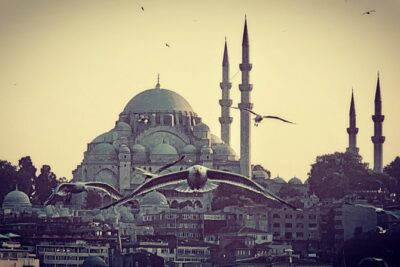
Whirling Dervishes Shows, compared.
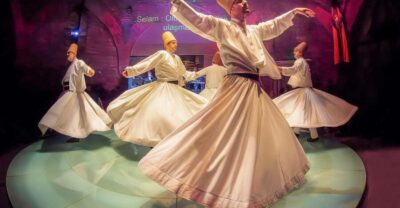 ★ 4.4Hodjapasha Whirling Dervishes Show & ExhibitionFrom $324,790 reviews
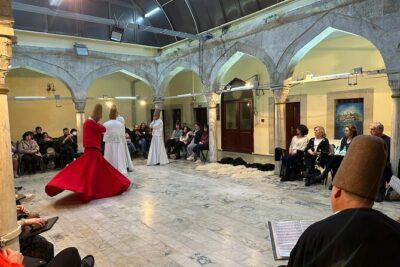 ★ 4.3Whirling Dervishes Ceremony and Mevlevi SemaFrom $231,694 reviews
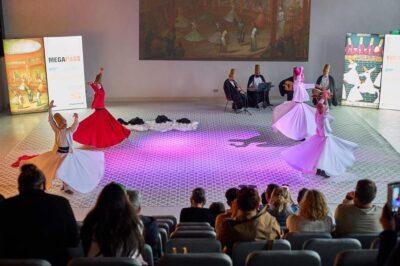 ★ 4.5Whirling Dervish Ceremony next to Hagia SophiaFrom $17906 reviews
★ 4.0Istanbul Hodjapasha Whirling Dervishes Show & ExhibitionFrom $32503 reviews
★ 4.5Whirling Dervish Ceremony next to Hagia SophiaFrom $17906 reviews
★ 4.0Istanbul Hodjapasha Whirling Dervishes Show & ExhibitionFrom $32503 reviews
 ★ 5.0Istanbul Traditional Turkish Dinner and Dervish ExperienceFrom $106490 reviews
★ 4.5Whirling Dervishes Ceremony and Mevlevi SemaFrom $24128 reviews
★ 5.0Istanbul Traditional Turkish Dinner and Dervish ExperienceFrom $106490 reviews
★ 4.5Whirling Dervishes Ceremony and Mevlevi SemaFrom $24128 reviews
 ★ 4.5Istanbul Whirling Dervish Ceremony, A Mystical Sufi ExperienceFrom $42123 reviews
★ 5.0Traditional Turkish Dinner and Dervish ExperienceFrom $79109 reviews
★ 4.5Istanbul Whirling Dervish Ceremony, A Mystical Sufi ExperienceFrom $42123 reviews
★ 5.0Traditional Turkish Dinner and Dervish ExperienceFrom $79109 reviews
Browse the lists this tour appears in