
REVIEW · HALF-DAY
Crossroads of Humanity: Istanbul Half-Day Tour
Byzantine faith meets street-level reality. This half-day, private Byzantine Christian tour traces Christianity’s physical leftovers across Istanbul, and I like how the guide turns mosaics and churches into clear stories you can actually remember. You’ll also get time to line up photos of standout architecture, from mosaic-filled interiors to crumbling but elegant ruins.
One potential catch: St. Chora is closed on Wednesdays, and with a tight 4-hour format, that can shift what you get to see.
In This Review
- Key highlights you’ll feel right away
- A half-day tour that hits multiple Istanbul eras (without eating your whole day)
- Getting from place to place: pickup, AC transport, and the 4-hour clock
- Fener Patriarchate: the Orthodox starting point and why Constantine matters
- Panagia of Blachernae and the Hagiasma healing story
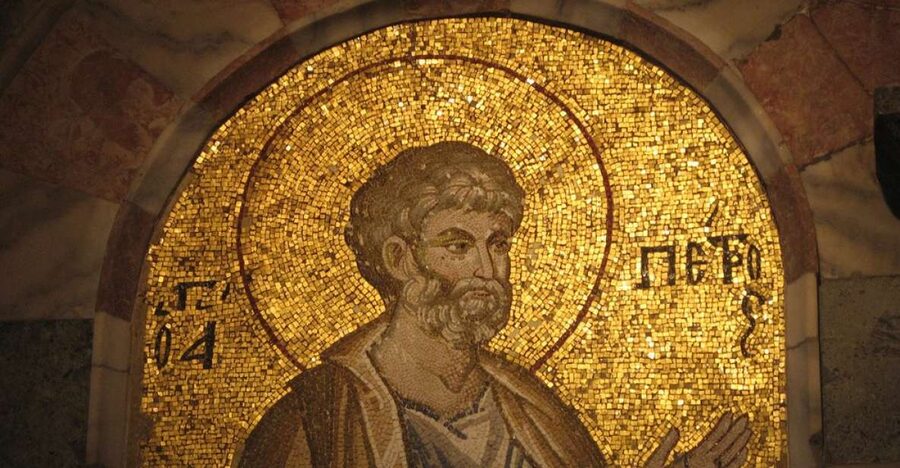
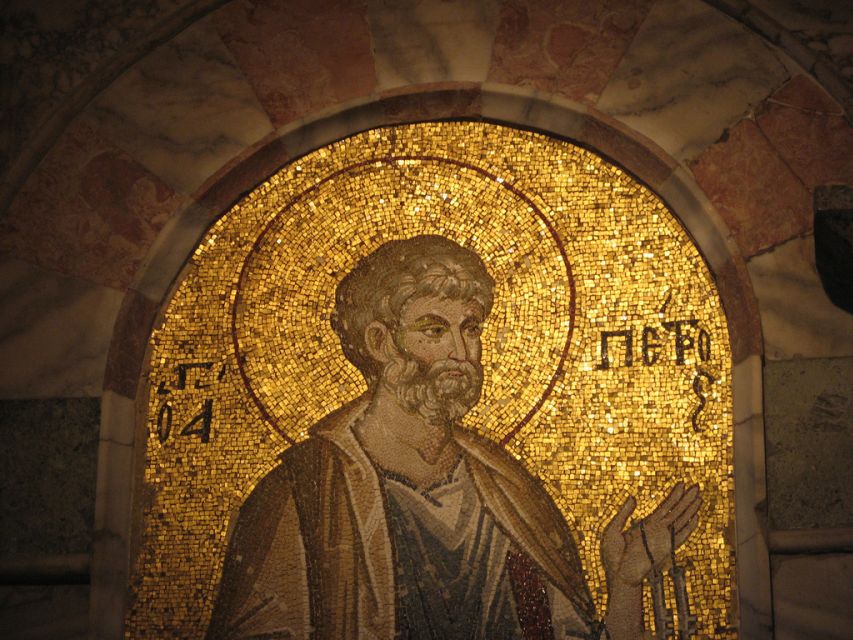
- St. Savior in Chora (Kariye Museum): mosaics and frescoes you can’t fake
- Pantocrator (Zeyrek): a maze of Byzantine everyday life
- Fethiye: St. Mary Pammacaristos ruins and the Paleologan Age mood
- Balıklı’s Zoodochos Pege: underground cistern and the gold fish miracle
- St. Sergius and Bacchus: the “precursor” vibe you’ll spot fast
- What’s included (and why that changes the value)
- The small considerations that can affect your experience
- Who should book this tour
- Should you book the Crossroads of Humanity half-day tour?
- FAQ
- How long is the Istanbul Half-Day Crossroads of Humanity tour?
- What does the tour cost?
- Is the tour private?
- Where does pickup happen?
- What are the shuttle pickup times?
- Do I need tickets, or are they included?
- What sites are included on the route?
- What days is St. Chora closed?
- What do I need to bring?
- Are pets or smoking allowed?
Key highlights you’ll feel right away
- Fener starts at the Orthodox core: you begin at the Patriarchate at Fener and connect Istanbul’s role to Constantine-era history
- Blachernae includes the Hagiasma healing legend: the stop at Panagia of Blachernae is part history, part belief, part atmosphere
- Chora’s mosaics and frescoes are a visual payoff: St. Savior in Chora (Kariye Museum) is where the Byzantine art really hits
- Zeyrek Pantocrator is more than a church complex: expect chapels, funerary spaces, baths, and even a traveler-focused legacy
- Balıklı mixes faith with practical wonder: an underground cistern and its gold fish story add an extra layer of “how is this real?”
Worth putting side by side with this Istanbul pick:



A half-day tour that hits multiple Istanbul eras (without eating your whole day)
This is the kind of tour that makes you understand why Istanbul has been a crossroads for centuries. You’re not just looking at isolated monuments. You’re moving along a web of Orthodox Christianity and Byzantine life, where religion, politics, and daily routines all left physical traces behind.
I like the pace for two reasons. First, the sites are close enough to feel connected, not like a checklist. Second, the guide ties each stop to the bigger story, so your brain doesn’t feel like it’s collecting random facts. You’ll walk away with names, places, and a sense of how these buildings functioned—ceremony, community, and power all in one.
The tour is priced at $354 per person and it’s framed as a private experience with included guiding. That matters, because the value here is time with a person who can explain what you’re seeing and help you spot details you’d likely miss on your own.
Getting from place to place: pickup, AC transport, and the 4-hour clock
You’ll have private A/C transportation and a free pickup/drop-off option if you’re staying in a central Istanbul hotel. If your hotel isn’t in the pickup zone, your local supplier will give you an alternative meeting point.
Here’s the practical timing reality: free shuttle pickup runs in two windows—either 08:00–09:00 or 13:00–14:00—and it can take 45 to 60 minutes to get you to the start area. The company also asks you to call the local supplier after booking so they can confirm your exact pickup time and whether the shuttle option applies to you.
That means your best planning move is simple: line up your morning or afternoon so you’re ready when the shuttle starts moving. A “4 hours” tour can still feel smooth, but only if you don’t treat pickup as optional.
Fener Patriarchate: the Orthodox starting point and why Constantine matters
The tour begins at the Patriarchate at Fener, which the program frames as the Orthodox heart of Istanbul. This first stop is smart because it sets your orientation. Before you wander into mosaics and ruins, you get the religious and political background that makes the later sites easier to understand.
Expect the guide to connect Istanbul’s rise to Constantine the Great’s declaration of Christianity as the Roman Empire’s religion, and the idea that the church’s seat shifted to Istanbul afterward. Even if you already know some of the basics, starting here helps you notice what other monuments are responding to—who had influence, where sacred life gathered, and how power traveled with faith.
Practical note: because you’re starting at a major religious center, dress and behavior matter. You’ll want to look prepared for a place that still functions as a living spiritual site, not just a museum stop.
- Best of Istanbul 1, 2 or 3-Day Private Guided Istanbul Tour★ 5.0 · 8,922 reviews
- Istanbul: Basilica Cistern Fast-Track Entry and Audio Guide★ 4.6 · 7,521 reviews
- Istanbul: Hagia Sophia Skip-the-Line Ticket & Museum Option★ 3.7 · 4,958 reviews
- Istanbul: Hodjapasha Whirling Dervishes Show & Exhibition★ 4.4 · 4,790 reviews
Panagia of Blachernae and the Hagiasma healing story
Next is Panagia of Blachernae, tied to the Hagiasma (Fountain of Holy Water) legend—said to cure health problems. The guide also explains how emperors reportedly came here for cleansing.
This stop is a good example of why this tour works as more than architecture viewing. You’re seeing how belief shaped the geography. Even if you approach the healing story skeptically, the point isn’t to argue. It’s to understand how people organized their hope around place—then built churches and maintained sites to support that hope.
Look for how the guide frames it: the Hagiasma is described with both faith and history, so you get a story you can tell later without needing to memorize a bunch of dates.
St. Savior in Chora (Kariye Museum): mosaics and frescoes you can’t fake
Then comes one of the big visual payoffs: St. Savior in Chora, known today as the Kariye Museum. This was once a Byzantine monastery dedicated to Jesus, and the program highlights what you’ll be looking for—mosaics and frescoes in exceptionally preserved form.
This is where you’ll feel the “wow” factor the fastest. Byzantine art is intense. The figures, the colors, the layering of images—after a few minutes your eyes learn to “read” the surfaces. The guide’s job here is to keep you from getting lost in the beauty and forgetting what you’re actually seeing.
Important heads-up: St. Chora is closed on Wednesdays. If your trip falls on a Wednesday, ask about schedule adjustments when you confirm with the local supplier. In a half-day format, one closure can change what the tour can deliver.
Pantocrator (Zeyrek): a maze of Byzantine everyday life
Pantocrator (Zeyrek) is the next stop, and the description makes it clear this is not a single building. It’s a labyrinthine complex with churches, funerary chapels, baths, a hospice for the aged, and even a hostel for travelers arriving today. That mix is what makes it feel real.
This is the part of the tour where I’d tell you to slow down—even if you’re tempted to rush for photos. The value is in realizing that these complexes weren’t only about worship. They supported aging, travel, care, and burial practices. In other words, the spiritual world and the daily world sat close together.
You might start thinking this complex is “cool Byzantine stuff.” Then the guide connects it back to how the Byzantines built for human needs. That’s when it stops feeling like sightseeing and starts feeling like context.
Fethiye: St. Mary Pammacaristos ruins and the Paleologan Age mood
Moving toward the water, you’ll visit the remains of the Church of St. Mary Pammacaristos (Fethiye). The tour description emphasizes its 11th-century roots and the refinement associated with the Paleologan Age—and that’s exactly the angle you should listen for.
Ruins can be tricky. If your eyes only want intact perfection, you might be tempted to think, “This is less than it used to be.” But Byzantine ruins often carry their beauty in proportions, materials, and the way shapes suggest former grandeur. The guide’s explanations help you visualize what’s missing, which turns a pile of stones into a meaningful chapter.
Also, this stop includes a major context note: it was once tied to the Patriarchate after conquests. That connection matters because it frames why such a church would still matter even when political control shifted.
Balıklı’s Zoodochos Pege: underground cistern and the gold fish miracle
Next up is Zoodochos Pege at Balıklı, home to an underground cistern filled with gold fishes linked to a miracle story. The tour program also places St. Mary’s and Byzantine faith traditions in the same conversation, so you’re not just staring at water—you’re learning how miracle narratives became part of a physical site.
Underground water structures make you notice a different kind of engineering. In a half-day tour, this stop gives your brain a break from mosaics and lets you focus on the infrastructure that kept sacred life going.
If you like unusual details, this is one of the more memorable ones: a cistern with fish connected to belief. Whether you take the story literally or as cultural history, it adds personality to the area and keeps the tour from feeling like a straight line of architecture.
St. Sergius and Bacchus: the “precursor” vibe you’ll spot fast
From Balıklı, you can also visit St. Sergius and Bacchus, which the tour describes as a prime example of Byzantine architecture. It’s famously compared in the tour narrative to a miniature version of Hagia Sophia—and you may see why once you’re inside (or looking at key structural elements from outside).
This is a stop where a guide helps a lot, because architecture can feel abstract if you don’t know what to notice. Here, the value is in learning the “why” behind the look: how design choices connect to later masterpieces, and how a complex religious tradition shaped building style across time.
What’s included (and why that changes the value)
This tour isn’t just a guide walking you around. It includes the stuff that usually adds friction to a short visit:
- Private guiding in English or Spanish
- Museum entrance fee (for the museum site included in the program)
- Donations to churches
- Skip the ticket line
- Private A/C transportation
- Parking and VAT (18%)
- Pickup/drop-off from central Istanbul hotels
For $354 per person, that package matters because half-day tours win or lose based on logistics. If you’re paying to save time on tickets and get smooth transport between sites, you can spend your energy on the meaning of what you’re seeing, not on scheduling.
Also, the program includes the gentle but important note that it’s a private tour—so the guide can adjust to your pace and your questions. In one highlighted case with guide Ertuğrul (and his assistant), the tour is praised for calm presence and patience, which is exactly what you want when churches and museum stops demand a slower, more respectful rhythm.
The small considerations that can affect your experience
This tour is built around sites that operate on real-world schedules. So your main consideration is straightforward: closures and timing.
- St. Chora is closed on Wednesdays. If your day includes that closure, your tour may need to adapt. Confirm with the local supplier when you call after booking.
- With a half-day format, you also want to avoid being late to pickup. The shuttle window and the 45–60 minute transfer are part of how the tour fits.
One more practical point: dress for religious sites. Even when you’re in an area with many visitors, churches and monasteries still expect respectful attire and behavior.
Who should book this tour
I think this works best for you if:
- You like Byzantine Christianity and want more than a generic overview
- You enjoy connecting religious stories to the actual buildings in front of you
- You want a private guide who can explain mosaics, architecture, and the “why” behind each stop
- You have limited time in Istanbul and want a tight route that still feels coherent
If you’re the kind of traveler who only wants modern highlights or purely “iconic tourist” sights, this might feel too focused. But if you like history that shows up in stone, floors, walls, and water structures, you’ll likely enjoy it.
Should you book the Crossroads of Humanity half-day tour?
I’d book it if your goal is to understand Istanbul through the lens of Christianity’s Byzantine chapter, and you value a guided route that connects the dots. The inclusion list is strong for a half-day: transport, museum entry, donations, and skip-the-line time add up fast.
I’d be cautious if your visit day is Wednesday, since St. Chora is closed. In that case, confirm schedule adjustments early and decide whether the rest of the route still matches what you want most.
If you book, do one thing that pays off immediately: when you call the local supplier after booking, ask how your pickup window will work with your exact hotel and whether any closures affect St. Chora on your day. That one question protects the whole experience.
FAQ
How long is the Istanbul Half-Day Crossroads of Humanity tour?
It lasts 4 hours.
What does the tour cost?
The price is $354 per person.
Is the tour private?
You get private guiding and private A/C transportation.
Where does pickup happen?
Pickup is included from centrally located Istanbul hotels. If your hotel isn’t accessible, the supplier will suggest an alternative meeting point.
What are the shuttle pickup times?
Free shuttle pickup is offered between 08:00–09:00 or 13:00–14:00, depending on the tour time and your hotel area. The shuttle ride takes 45 to 60 minutes.
Do I need tickets, or are they included?
Museum entrance fees are included, and you can skip the ticket line. Donations to churches are also included.
What sites are included on the route?
You visit places including the Patriarchate at Fener, Panagia of Blachernae, St. Savior in Chora (Kariye Museum), Pantocrator (Zeyrek), St. Mary Pammacaristos (Fethiye) ruins, Zoodochos Pege at Balıklı, and St. Sergius and Bacchus.
What days is St. Chora closed?
St. Chora is closed on Wednesdays.
What do I need to bring?
Bring your passport or ID card.
Are pets or smoking allowed?
No pets and no smoking.
More Half-Day in Istanbul
- Istanbul: Fener Balat Half-day Guided Walking Tour★ 4.9 · 1,711 reviews
- Half-Day Bosphorus Cruise to Black Sea from Istanbul with Lunch★ 4.0 · 187 reviews
- Morning Istanbul: Half-Day Tour with Blue Mosque, Hagia Sophia, Hippodrome and Grand Bazaar★ 4.5 · 103 reviews
- Istanbul: Eurasia Bike & Boat Half-Day Tour★ 4.6 · 91 reviews
- Istanbul: Half-Day Cruise and Cable Car to Pierre Loti Hill★ 3.6 · 65 reviews
- Imperial Istanbul Half-Day Tour: Hagia Sophia and Grand Bazaar★ 3.5 · 64 reviews
More Tours in Istanbul
- Best of Istanbul 1, 2 or 3-Day Private Guided Istanbul Tour★ 5.0 · 8,922 reviews
- Istanbul: Bosphorus Sightseeing Cruise Tour with Audio Guide★ 4.6 · 4,704 reviews
- Istanbul: Blue Mosque & Hagia Sophia Guided Tour w/ Tickets★ 4.8 · 3,600 reviews
- Istanbul: Blue Mosque, Hagia Sophia, & Old Town Walking Tour★ 4.8 · 2,372 reviews
- Istanbul: Princes Islands Tour with Heybeliada and Buyukada★ 4.4 · 2,305 reviews
- Istanbul: Basilica, Hagia Sophia, Blue Mosque Tour & Cruise★ 4.5 · 1,929 reviews
More Tour Reviews in Istanbul
- Istanbul: Bosphorus Dinner Cruise & Show with Private Table★ 4.8 · 62,058 reviews
- Istanbul: Daytime or Sunset Sightseeing Cruise & Audio Guide★ 4.8 · 14,430 reviews
- Istanbul: Bosphorus Dinner Cruise & Turkish Night Show★ 4.8 · 12,954 reviews
- Best of Istanbul 1, 2 or 3-Day Private Guided Istanbul Tour★ 5.0 · 8,922 reviews
- Istanbul: Basilica Cistern Fast-Track Entry and Audio Guide★ 4.6 · 7,521 reviews
- Istanbul: Hagia Sophia Skip-the-Line Ticket & Museum Option★ 3.7 · 4,958 reviews
Fresh off the boat: new Istanbul reviews
Half-Day, compared.
 ★ 4.9Fener Balat Half-day Guided Walking TourFrom $201,711 reviews
 ★ 4.0Half-Day Bosphorus Cruise to Black Sea from Istanbul with LunchFrom $120187 reviews
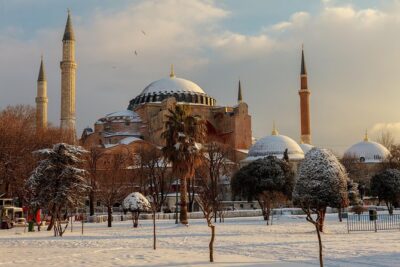 ★ 4.5Morning Istanbul: Half-Day Tour with Blue Mosque, Hagia Sophia, Hippodrome and Grand BazaarFrom $141103 reviews
 ★ 4.6Eurasia Bike & Boat Half-Day TourFrom $9491 reviews
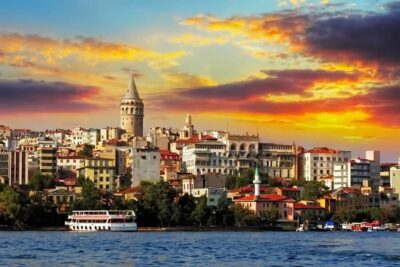 ★ 3.6Half-Day Cruise and Cable Car to Pierre Loti HillFrom $5165 reviews
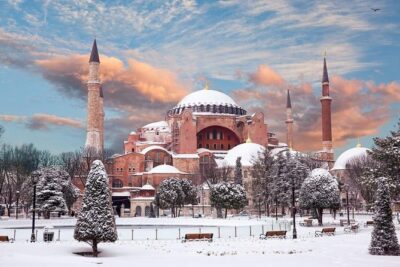 ★ 3.5Imperial Istanbul Half-Day Tour: Hagia Sophia and Grand BazaarFrom $11064 reviews
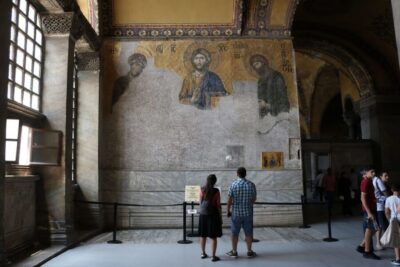 ★ 4.1Private Historic Istanbul Half-Day Sightseeing TourFrom $18856 reviews
 ★ 3.5Istanbul Two Continents Half-Day Afternoon tourFrom $9054 reviews