
REVIEW · HAGIA SOPHIA TOURS
Istanbul: Whirling Dervish Ceremony next to Hagia Sophia
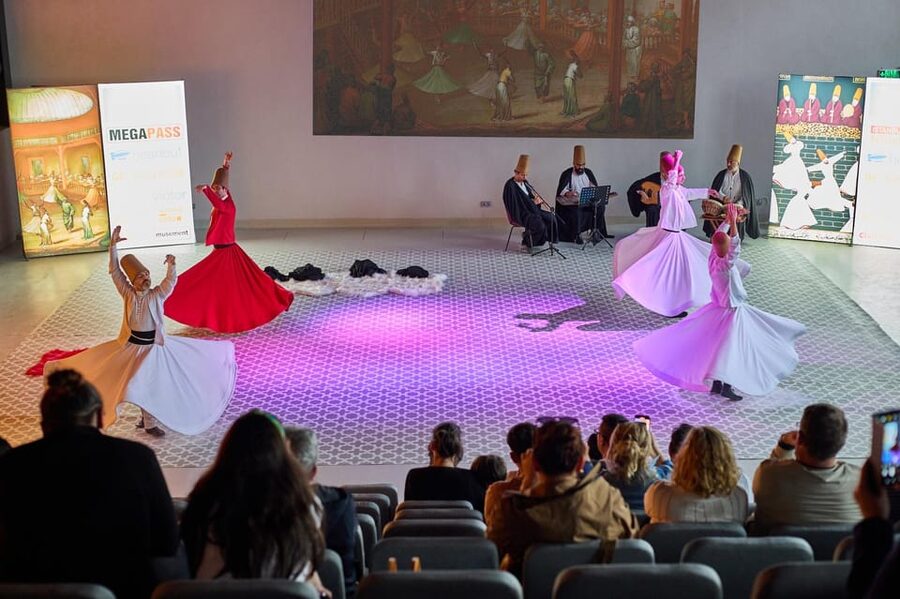
Spinning prayer hits different in Istanbul. This Whirling Dervish Sema experience pairs live Turkish classical music with a guided explanation in a setting very close to Hagia Sophia.
I really love the way the host frames what you’re about to see, from the opening instruments to the moment the turning becomes the focus. I also love the smart audio guide in 7 languages and the included local drink—tea or sherbet—to keep things grounded and comfortable.
One thing to consider: this is a quiet religious ceremony, so you need to treat it like a place of worship. If you want constant commentary, or you plan to keep chatting or scrolling, you’ll feel out of sync fast.
In This Review
- Key highlights
- A UNESCO Sema beside Hagia Sophia: what you’re really seeing
- Meeting at the Basilica Cistern and settling into the white wooden house
- The ceremony walk-through: from instrumental opening to the first whirl
- What the music and gestures mean (and how to not miss the point)
- Seats, silence, and the practical choices that make it better
- Price and purpose: why $17 can feel like a smart Istanbul evening
- Who should book this Sema ceremony (and who should skip it)
- Should you book? My take on booking the Whirling Dervish ceremony by Hagia Sophia
- FAQ
- How long is the Whirling Dervish Ceremony experience?
- Where do I meet the host?
- What’s included with my ticket?
- Is there an audio guide?
- What language is the live guide?
- What should I bring or plan around during the ceremony?
- Is the ceremony wheelchair accessible?
- Are children allowed?
- Are photos and videos allowed?
- (Optional) Quick check before you go
Key highlights
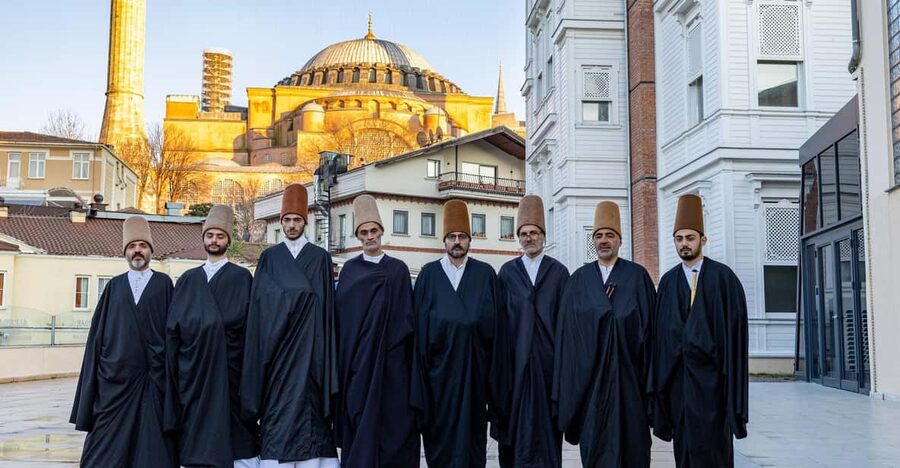
- UNESCO Intangible Cultural Heritage Sema right in the heart of Istanbul
- Live Turkish music with traditional instruments, including strings, drums, and flutes
- Clear explanations before and after, led by an English host
- Smart audio guide in 7 languages (ENG, DE, FR, ITA, RUS, ESP, ARB)
- Tea or sherbet included for a simple local touch
- Your ticket supports an education-focused NGO (including scholarships)
Other ways under the Hagia Sophia dome

A UNESCO Sema beside Hagia Sophia: what you’re really seeing
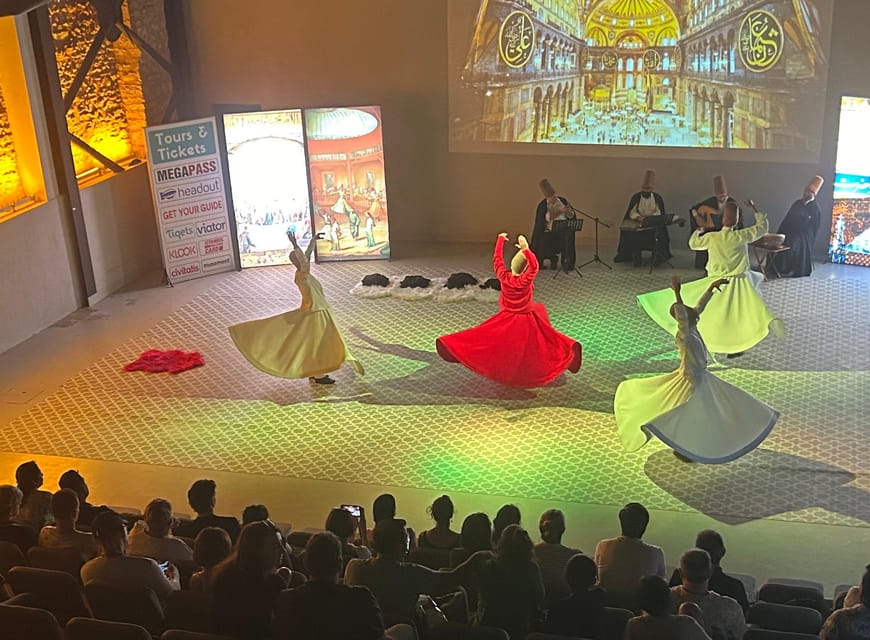
The Whirling Dervish ceremony, called Sema, isn’t a Vegas-style act. It’s a spiritual practice of Sufi followers, and it’s recognized as UNESCO Intangible Cultural Heritage. In Istanbul, that matters because you’re not only seeing “culture.” You’re seeing a living ritual that still has a role in the community.
What makes this one especially compelling is the pairing of live music with guided context. The musical pieces performed here are described as having been composed from the 1400s into the early 1800s. So while you’re in a modern city, the soundscape reaches backward—strings, drums, and flutes building a rhythm that slowly trains your attention.
The “whirling” portion is the headline, but the real trick is understanding the ceremony’s flow: the turning and stillness come in stages. If you go in expecting a nonstop spectacle, you’ll miss the point. If you go in ready to watch, listen, and let the tempo land, it feels oddly personal.
Meeting at the Basilica Cistern and settling into the white wooden house
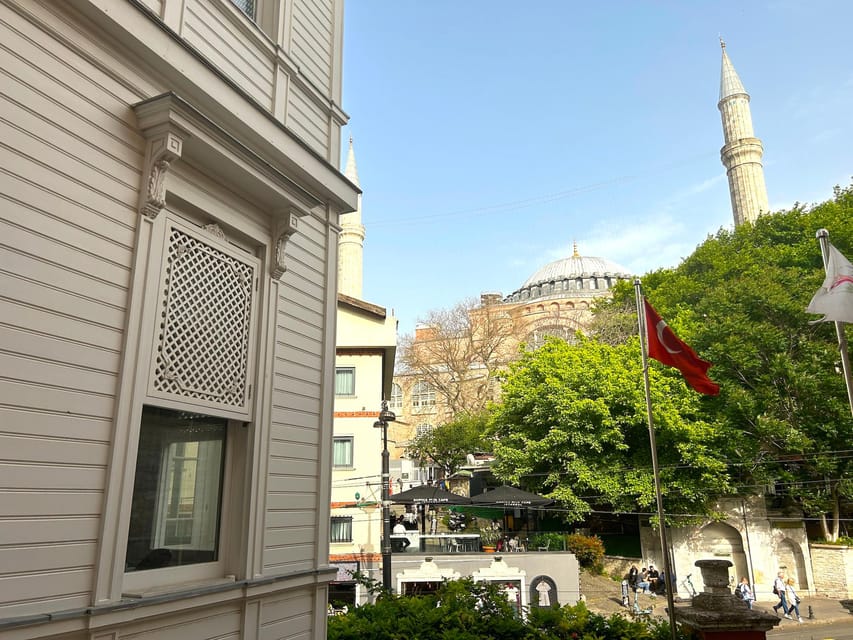
Your start point is practical and central: meet next to the Basilica Cistern, at the reception desk by the gate of a giant white wooden house. The gate opens 30 minutes before the ceremony time, which gives you just enough breathing room to find your way and get settled.
From there, you’re brought into a traditional setting described as a beautiful wooden house in Istanbul. That matters because the atmosphere is part of the experience. Instead of a loud hall with theater spotlights, you’re in a space designed for focus—where the ceremony can lead and the audience can follow.
The experience includes a licensed professional host who explains details before and after the ceremony. You’ll also get a smart audio guide with content in 7 languages. This is a big deal if you don’t already know the Sufi terms, the structure of Sema, or what different gestures are meant to represent.
Plan to arrive with one simple mindset: quiet cooperation. This isn’t a “hold up your phone for everything” stop. It works best when you treat it like a ceremony you attend, not a show you consume.
The ceremony walk-through: from instrumental opening to the first whirl
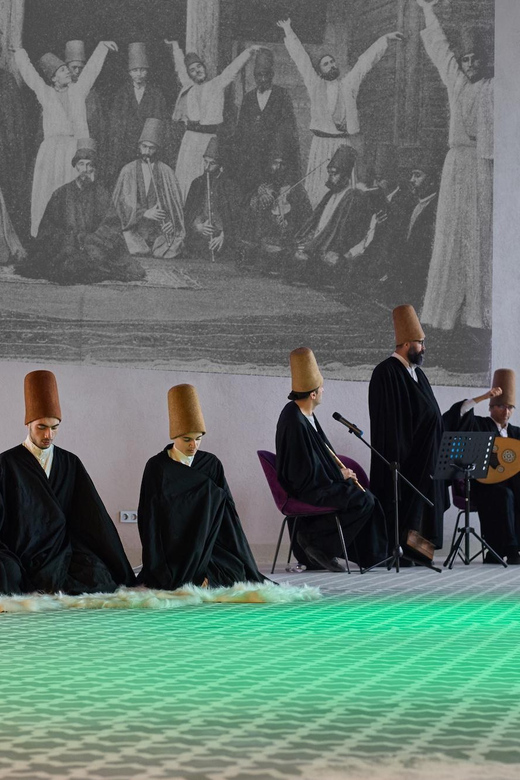
The experience typically begins in the salon with instrumental music. Traditional instruments—strings, drums, and flutes—set the tone first. Early on, the music helps you get used to the style of Sufi performance, which is different from Western concert pacing. It’s more about rhythm and repetition than “big moments.”
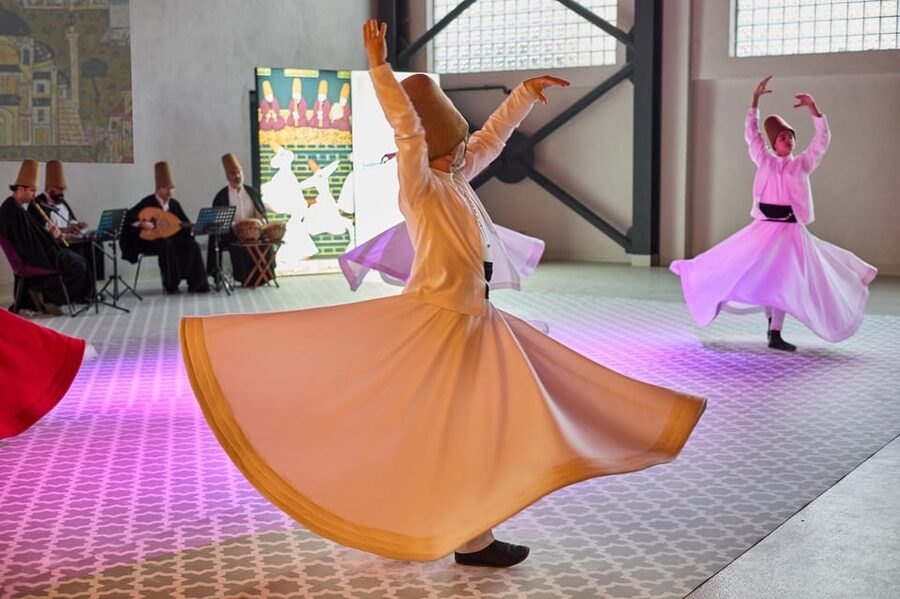
Then the ceremony begins in earnest. The whirling dervishes arrive in serenity, and as the music builds, their turning accelerates. The host’s explanations are meant to help you read what you’re watching: the turning isn’t random, and it isn’t just physical. It’s presented as a spiritual practice that symbolizes harmony and the unity of things.
One of the strongest parts of Sema is the contrast: you’ll feel a calm stillness at one moment, then an organized surge of motion the next. Several people describe it as slow, intentional, and meditative. That’s consistent with what the ceremony is designed to do—train attention through gradual change rather than sudden fireworks.
During the event, you’ll also notice how much space there is for listening. Silence is important, and the program has rules that support that. If you’re the type who needs constant narration to feel oriented, use the audio guide and the host’s pre-briefing to build your footing early.
More evenings with the whirling dervishes
- Istanbul: Hodjapasha Whirling Dervishes Show & Exhibition★ 4.4 · 4,790 reviews
- Istanbul: Whirling Dervishes Ceremony and Mevlevi Sema★ 4.3 · 1,694 reviews
- Istanbul: Whirling Dervish Ceremony next to Hagia Sophia★ 4.5 · 906 reviews
- Istanbul Hodjapasha Whirling Dervishes Show & Exhibition★ 4.0 · 503 reviews
What the music and gestures mean (and how to not miss the point)
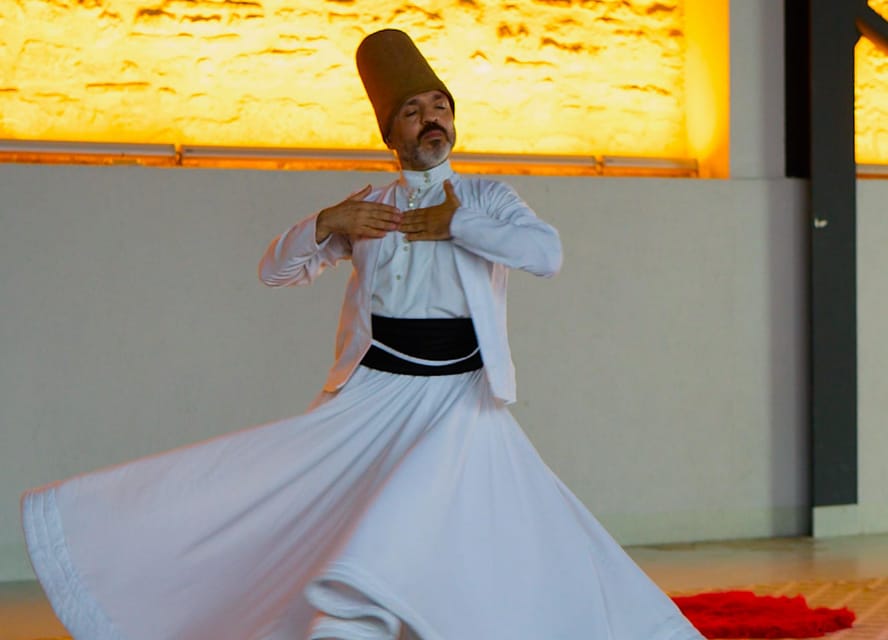
This is where you’ll get your money’s worth, even if the ceremony itself lasts only about an hour. The host doesn’t just say what Sema is. They explain the unique cultural and spiritual meaning behind it, and you’ll get extra background through the multilingual audio guide.
In particular, explanations often cover the symbolic structure of movements. One common framing you’ll hear is that gestures represent receiving divine blessing and sharing it with the world. You may also hear interpretations of the continuous turning as representing the movement of the universe—and the idea of letting go of ego as part of the spiritual journey.
Another useful detail: the ceremony’s musical repertoire here is tied to older compositions (1400s through early 1800s). That doesn’t mean you need to be a music historian. It just means the sound you hear isn’t modern “background music.” It’s part of a tradition meant to carry meaning on its own.
If you want to level up your understanding before you go, one helpful tip from people who really enjoyed the ceremony is to do a little prep on Rumi and Shams Tabrizi, and even read a bit about the Ney (the flute) and the theme of letting go of the self. You don’t need to memorize names. But a basic sense of the themes gives the ceremony a second layer you’ll feel while you’re watching.
Seats, silence, and the practical choices that make it better
This experience runs on respect for the ritual. You’re specifically told not to make noise, and silence is important. That’s not just “house rules.” It’s the mechanism that keeps the ceremony from turning into an awkward museum moment.
Also, do the boring but important thing: visit the restroom before or after. The program advises it, because once the ceremony is underway, interruptions are not what this event is about.
There are a couple of practical “watch-outs” that can affect your comfort:
- If you rely on your phone for everything, consider stepping back. One of the most repeated pieces of advice from experienced visitors is that phones pull you out of the moment.
- Sound and pacing can vary a bit. A small number of people noted that early sound levels weren’t great or that the host’s speaking pace could be hard to follow. If you’re sensitive to audio issues, sit where you can clearly hear the host before the turning starts.
On the positive side, people mention that visibility is generally good—there’s seating designed so you can see the dervishes and the hall layout works well. If photos are important to you, you should know that photos/videos were described as allowed by visitors, but do it respectfully and quietly.
Price and purpose: why $17 can feel like a smart Istanbul evening
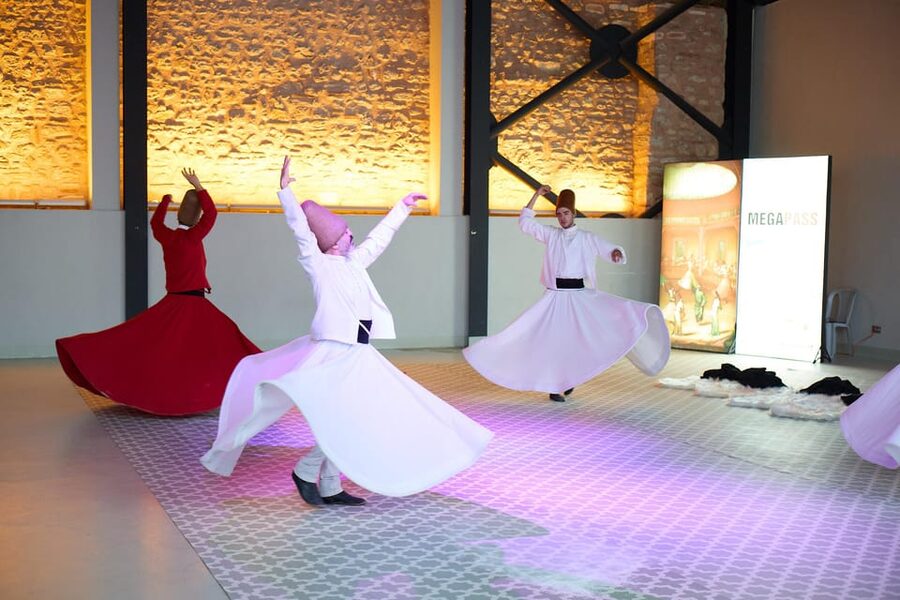
At $17 per person for a UNESCO-recognized ritual with live music and guided explanation, I think this is strong value. Istanbul has plenty of evening entertainment. Many of it is expensive and feels like it was built for tourists first. This one feels built for practice first.
Here’s the bigger value piece: the ticket income supports an education-focused NGO/community arts center, including scholarships. That turns the experience into more than a ticketed moment. You’re supporting a place that teaches arts and funds learning opportunities.
You also get thoughtful extras for the price. Besides the ceremony and live music, you get a local drink of the day—tea or sherbet—and water. Plus, the smart audio guide covers seven languages, so you’re not stranded if you don’t speak Turkish.
Does it feel short? Some people say yes, because the ceremony is concentrated and focused. But honestly, that can be part of the charm. The experience gives you context, one complete ceremony flow, and a calm landing point—rather than turning into a long night that you drag yourself through.
Who should book this Sema ceremony (and who should skip it)
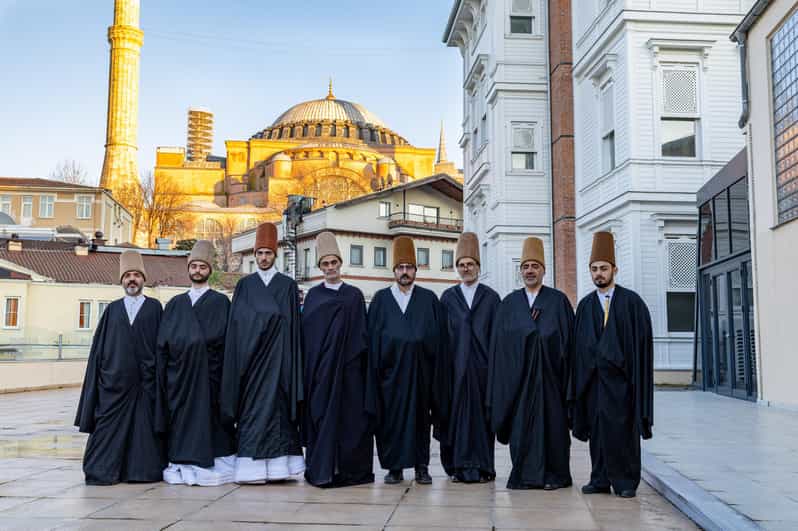
This is a great fit if you want an Istanbul experience that’s more quiet and reflective than most sightseeing. If you like museums and live music, but you also like having your questions answered, you’ll probably love how the host explains what you’re seeing.
It’s also a good choice for first-timers. You’re in the thick of major landmarks—Hagia Sophia in your mental picture, and the Basilica Cistern in your physical meeting point—but the ceremony gives you a different angle on the city: spiritual art and cultural continuity.
Skip it if you hate rules around silence. If you want a high-energy performance with constant crowd interaction, this is the wrong vibe. This is spiritual practice, and it can feel slow by design. A few visitors even call out that some people might find it boring if they expect a loud show. If that’s you, consider something else.
One more note: it’s not suitable for children under 2, and it’s described as wheelchair accessible. If you’re traveling with someone who needs extra care, you’ll likely appreciate the accessibility claim and the structured setup.
Should you book? My take on booking the Whirling Dervish ceremony by Hagia Sophia
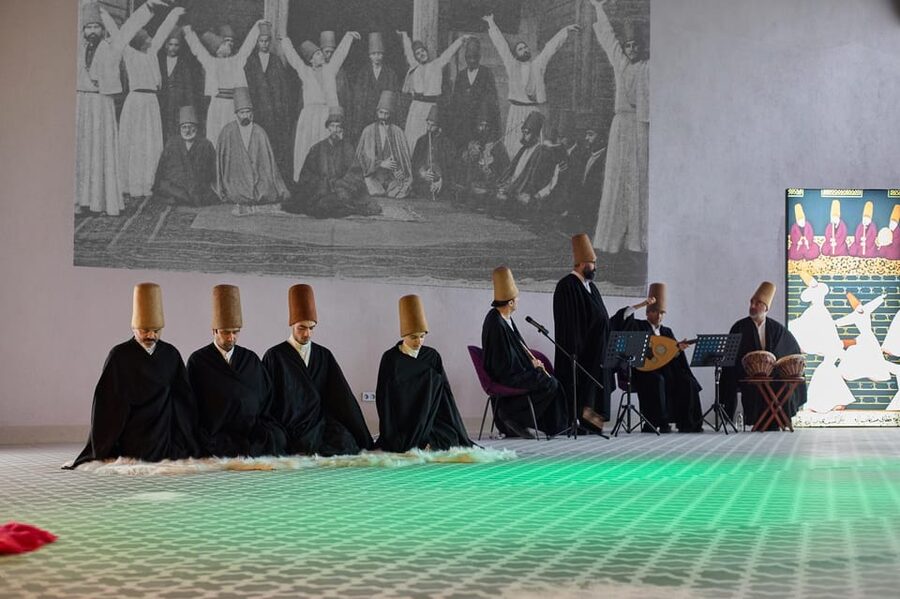
If you’re in Istanbul and you want one evening that feels like Istanbul’s inner life—not just its postcard life—this is an easy yes. The combination of live Turkish music, a guided breakdown, and the included tea or sherbet makes it feel complete without being exhausting. And the fact that ticket money supports scholarships gives your night a purpose beyond photos.
I’d book it especially if:
- you’re open to a slow, meditative ritual
- you want meaningful context (not just “watch them spin”)
- you appreciate live music traditions and older musical repertoire
I’d think twice if:
- you plan to use your phone constantly
- you hate quiet rules or interruptions
- you want an energetic, comedic “entertainment show”
If you can treat it with respect and curiosity, you’ll come away with something you can’t easily get by walking around Hagia Sophia.
FAQ
How long is the Whirling Dervish Ceremony experience?
The total duration is listed as 55 minutes.
Where do I meet the host?
Meet your host next to the entrance of the Basilica Cistern. The reception desk is at the gate of the giant white wooden house.
What’s included with my ticket?
Your ticket includes entrance to the Whirling Dervish Ceremony with live music and authentic ritual, a local traditional drink (tea or sherbet) and water, and a smart audio guide in multiple languages.
Is there an audio guide?
Yes. You get a smart audio guide in ENG, DE, FR, ITA, RUS, ESP, and ARB.
What language is the live guide?
The live tour guide is English.
What should I bring or plan around during the ceremony?
Plan for silence during the ceremony and consider using the restroom before or after.
Is the ceremony wheelchair accessible?
Yes, it is listed as wheelchair accessible.
Are children allowed?
The experience is not suitable for children under 2 years.
Are photos and videos allowed?
You should be able to take photos/videos, based on visitor feedback included with the experience details. Still, keep it respectful and quiet.
(Optional) Quick check before you go
If you want a better experience, arrive early enough to settle in at the wooden-house gate, keep your phone away once the ritual starts, and listen for the host’s explanations so the turning makes sense as more than motion.
More Tour Reviews in Istanbul
- Istanbul: Bosphorus Dinner Cruise & Show with Private Table★ 4.8 · 62,058 reviews
- Istanbul: Daytime or Sunset Sightseeing Cruise & Audio Guide★ 4.8 · 14,430 reviews
- Istanbul: Bosphorus Dinner Cruise & Turkish Night Show★ 4.8 · 12,954 reviews
- Best of Istanbul 1, 2 or 3-Day Private Guided Istanbul Tour★ 5.0 · 8,922 reviews
- Istanbul: Basilica Cistern Fast-Track Entry and Audio Guide★ 4.6 · 7,521 reviews
- Istanbul: Hagia Sophia Skip-the-Line Ticket & Museum Option★ 3.7 · 4,958 reviews
More Nights with the Dervishes
- Istanbul: Hodjapasha Whirling Dervishes Show & Exhibition★ 4.4 · 4,790 reviews
- Istanbul: Whirling Dervishes Ceremony and Mevlevi Sema★ 4.3 · 1,694 reviews
- Istanbul Hodjapasha Whirling Dervishes Show & Exhibition★ 4.0 · 503 reviews
- Istanbul Traditional Turkish Dinner and Dervish Experience★ 5.0 · 490 reviews
- Whirling Dervish Ceremony: Go on a Spiritual Journey★ 4.0 · 177 reviews
- Istanbul: Whirling Dervishes Ceremony and Mevlevi Sema★ 4.5 · 128 reviews
Hagia Sophia, A Few More Ways In
- Istanbul: Hagia Sophia Skip-the-Line Ticket & Museum Option★ 3.7 · 4,958 reviews
- Istanbul: Blue Mosque & Hagia Sophia Guided Tour w/ Tickets★ 4.8 · 3,600 reviews
- Basilica Cistern & Hagia Sophia with Optional Topkapi Palace★ 4.6 · 3,547 reviews
- Istanbul: Hagia Sophia Entry Ticket with Audio Guide★ 4.3 · 2,854 reviews
- Istanbul: Blue Mosque, Hagia Sophia, & Old Town Walking Tour★ 4.8 · 2,372 reviews
- Istanbul: Basilica, Hagia Sophia, Blue Mosque Tour & Cruise★ 4.5 · 1,929 reviews
Fresh off the boat: new Istanbul reviews
Hagia Sophia Tours, compared.
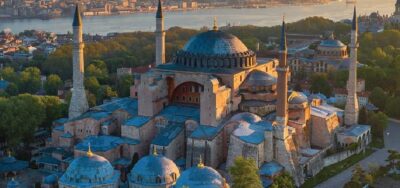 ★ 3.7Hagia Sophia Skip-the-Line Ticket & Museum OptionFrom $334,958 reviews
 ★ 4.8Blue Mosque & Hagia Sophia Guided Tour w/ TicketsFrom $393,600 reviews
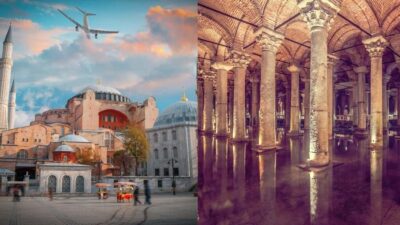 ★ 4.6Basilica Cistern & Hagia Sophia with Optional Topkapi PalaceFrom $813,547 reviews
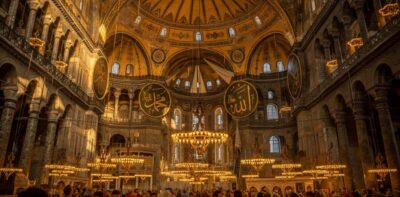 ★ 4.3Hagia Sophia Entry Ticket with Audio GuideFrom $332,854 reviews
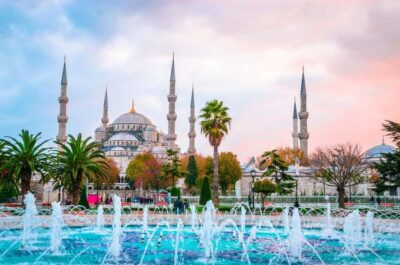 ★ 4.8Blue Mosque, Hagia Sophia, & Old Town Walking TourFrom $712,372 reviews
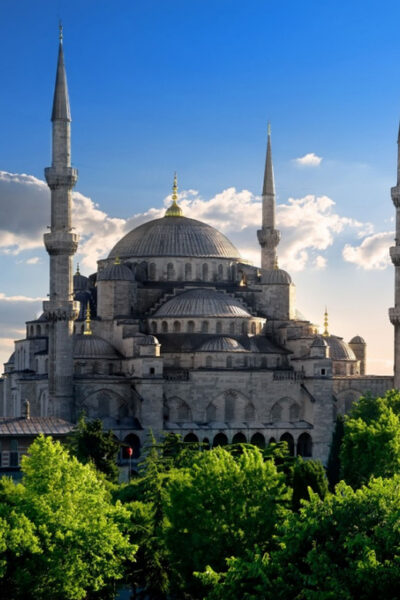 ★ 4.5Basilica, Hagia Sophia, Blue Mosque Tour & CruiseFrom $681,929 reviews
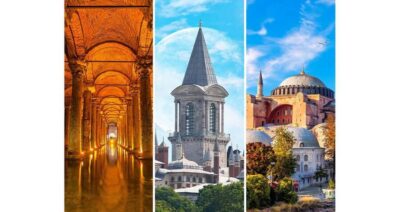 ★ 4.3Combo: Hagia Sophia+Basilica Cistern Optional Topkapi PalaceFrom $811,880 reviews
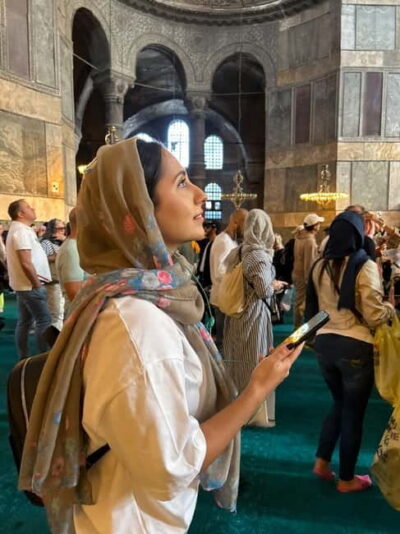 ★ 4.1Hagia Sophia Skip-the-Line Ticket & Blue Mosque Audio GuideFrom $331,879 reviews
Browse the lists this tour appears in