
REVIEW · HAGIA SOPHIA TOURS
Istanbul: Traditional Whirling Dervishes Near Hagia Sophia
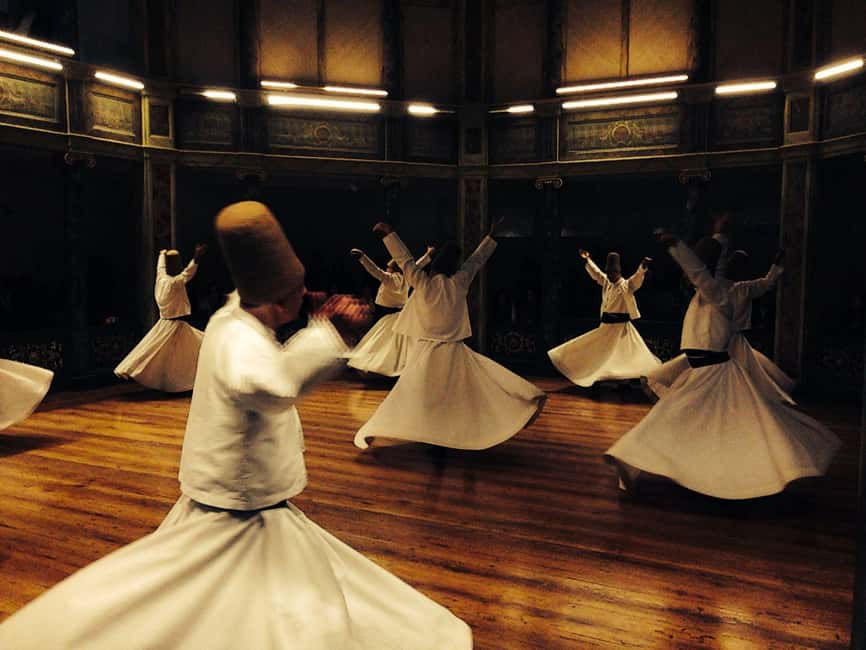
One hour can feel timeless. Just a short walk from Hagia Sophia, you’ll watch the Mevlevi Order’s Whirling Dervish ceremony in a quiet, respectful setting that’s meant to slow your brain down. I love how the live Sufi music sets the tone before the first spin even starts.
I also love that you’re not left guessing. A host shares the meaning behind the ritual and the philosophy inspired by Rumi, and there’s a digital multilingual guide available so you can follow the symbolism without struggling. One consideration: seating is unassigned and limited, so you’ll want to arrive early and plan for silence—this isn’t a theatrical show.
In This Review
- Key things I’d prioritize about this Whirling Dervish experience
- A short walk from Hagia Sophia, with a totally different mood
- The Whirling Dervish ceremony in plain English
- Live Sufi music: ney, kudüm, and kanun do the heavy lifting
- Before the spins: commentary that turns confusion into understanding
- How to watch respectfully (and why the rules aren’t random)
- What actually happens during the hour
- After the ritual: tea or sherbet to land softly
- Price and value: why $23 for one hour can make sense
- Who this fits best (and who might not love it)
- Book it or skip it: my quick decision guide
- FAQ
- How long is the Whirling Dervish Ceremony?
- What does the ticket include?
- Where is it located?
- Is flash photography or noise allowed during the ceremony?
- Are children allowed?
- What languages are available for guides?
Key things I’d prioritize about this Whirling Dervish experience
- Close by Hagia Sophia, but focused on calm, not sightseeing chaos
- Live Sufi instruments you can actually hear and feel (ney, kudüm, kanun)
- Meaning before the ritual, with commentary tied to Mevlevi tradition and Rumi
- A multilingual digital guide, so you understand what you’re seeing
- Quiet audience rules, including no flash photography and no noise during the ceremony
- Complimentary tea or sherbet to mark the end in a gentle, local way
Other ways under the Hagia Sophia dome

A short walk from Hagia Sophia, with a totally different mood
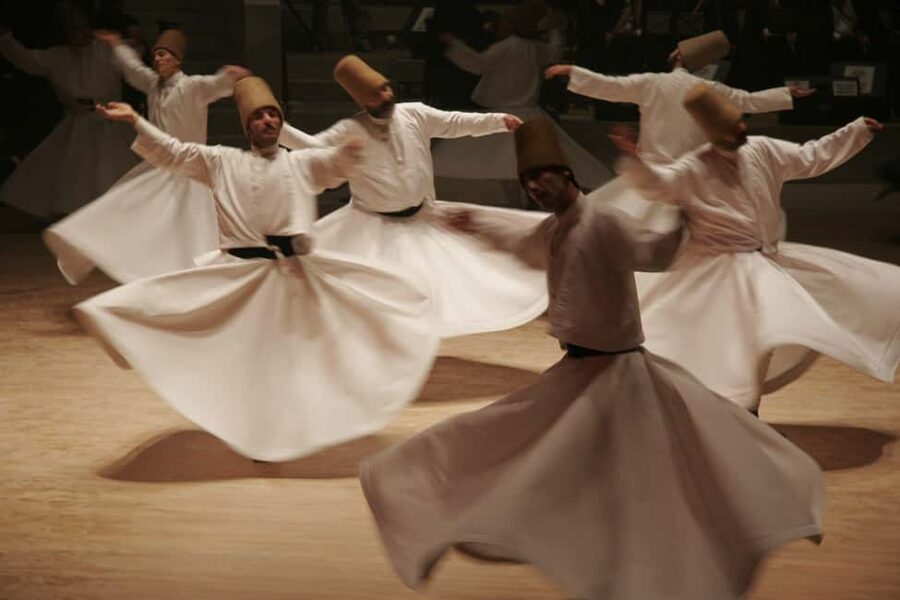
This experience is all about a simple idea: see something famous nearby, then shift gears into something quieter and more spiritual. The ceremony takes place close to Hagia Sophia, so if you’re already in Sultanahmet, you’re not burning time traveling across town. It’s a short outing—listed at 1 hour—which makes it an easy add-on to a first or second day in Istanbul.
What surprised me (in a good way) is how quickly the setting changes your pace. The room is described as having historic wooden details and soft lighting. That matters. When the environment is dimmer and calmer, you stop scanning and start watching. You’re also in a venue where audience and performers share a serious tone—this ritual is not built for crowd energy.
And yes, there’s a host and a digital layer to help you keep up. That’s a big plus for international visitors who don’t want to stand around wondering what’s going on.
The Whirling Dervish ceremony in plain English
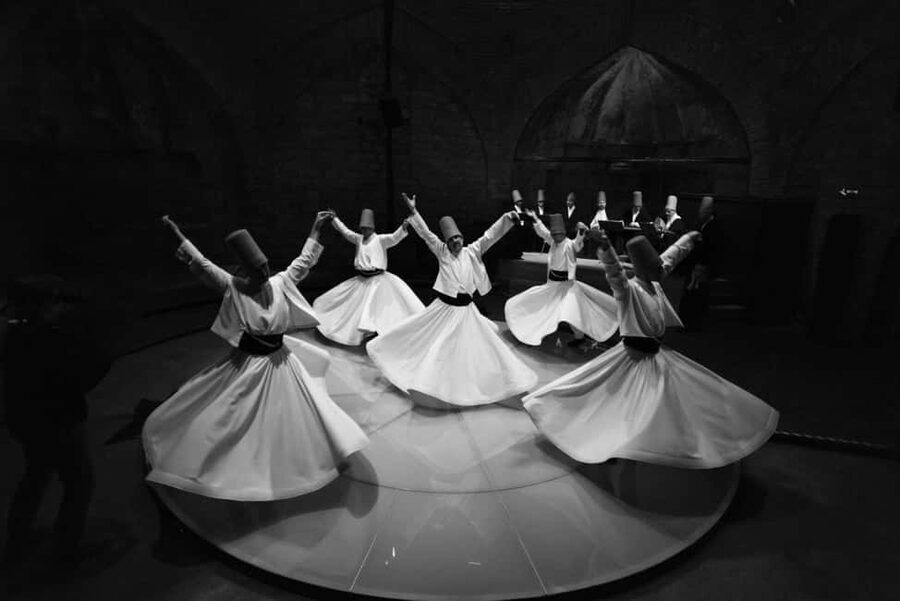
Let’s translate what this event really is. The Whirling Dervishes you’ll see are part of the Mevlevi tradition, inspired by the teachings associated with the poet and thinker Rumi. The ceremony isn’t just movement. It’s a ritual with meaning in every gesture, robe detail, and shift of posture.
The experience is designed to help you read the performance. Before the ritual begins, a local presenter gives commentary on the origins of the ceremony and explains the philosophy connected to Rumi. That setup is practical: without it, the spins can look like a dance show. With it, you start seeing it as a spiritual journey toward divine love and unity.
You’ll still enjoy it even if you don’t know the background. But you’ll get more out of it if you treat the first part like a briefing, not filler.
Live Sufi music: ney, kudüm, and kanun do the heavy lifting
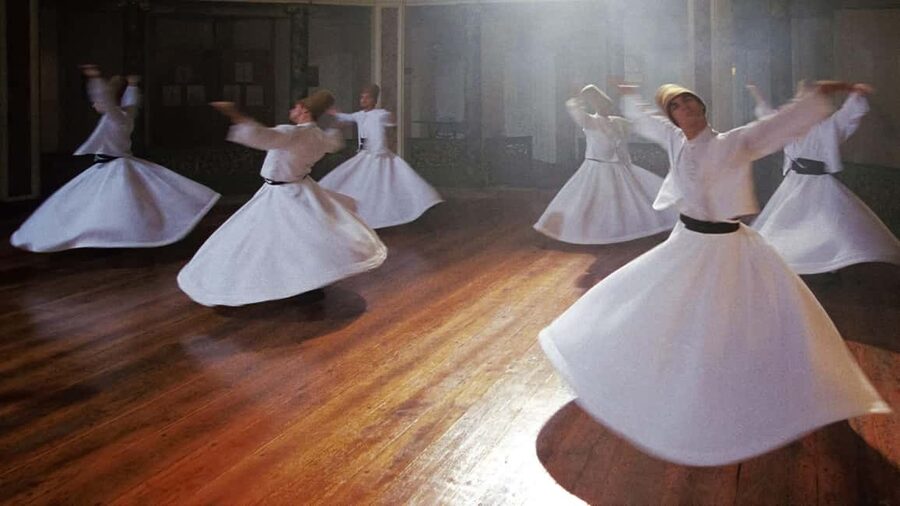
Music is the engine here. The Whirling Dervish ceremony is guided by live Sufi music performed on traditional instruments. The ones specifically mentioned are the ney (a reed flute), kudüm (small drums), and kanun (zither).
Here’s why that matters to you as a visitor: this isn’t recorded audio you passively listen to. Live instruments create a rhythm that feels physical, not just background. In a ritual like this, timing matters—spins match the music, and the music helps the room fall into the same tempo.
Also, the instruments chosen aren’t random. They come from a cultural sound-world where breath, pulse, and resonance carry emotional weight. If you like being close to cultural expression—without translations, scripts, or gimmicks—you’ll likely appreciate this part a lot.
More evenings with the whirling dervishes
- Istanbul: Hodjapasha Whirling Dervishes Show & Exhibition★ 4.4 · 4,790 reviews
- Istanbul: Whirling Dervishes Ceremony and Mevlevi Sema★ 4.3 · 1,694 reviews
- Istanbul: Whirling Dervish Ceremony next to Hagia Sophia★ 4.5 · 906 reviews
- Istanbul Hodjapasha Whirling Dervishes Show & Exhibition★ 4.0 · 503 reviews
Before the spins: commentary that turns confusion into understanding
The event includes pre- and post-ceremony commentary by a host. Before the ceremony begins, you get an explanation of the ceremony’s origins and the underlying philosophy connected to Rumi. In other words, you get context before your eyes start following robe movement and ritual sequence.
This is one of the most valuable parts for many first-timers. When you walk in cold, you may only catch what’s visually obvious. With commentary, you start noticing the structure: what the performers are doing, what certain gestures symbolize, and how the ritual fits into the broader Mevlevi tradition.
There’s also a digital multilingual guide available in seven languages. That’s meant to remove friction. You can focus on what’s happening rather than trying to translate in your head.
And if you’re the type who hates missing details, you’ll like that the host and digital support aim to keep the meaning accessible.
How to watch respectfully (and why the rules aren’t random)
This is a spiritual ritual, not a theatrical show. That line matters because the atmosphere is built around respect and quiet attention.
So here’s the basic viewing reality:
- Respectful silence is expected during the ceremony.
- Flash photography is not allowed.
- Making noise is not allowed.
- Seating is unassigned and limited, so arrival time can affect your view.
No, you won’t need to chant or wear anything special. You just need to act like this is more than entertainment. If you’re the person who loves to talk during performances, plan to pause that habit for an hour.
One more practical note: restrooms are available before and after, but not during the ceremony. If you tend to visit facilities mid-program, handle it early.
What actually happens during the hour
The exact sequence isn’t spelled out here step-by-step, but you can understand the flow. The host sets context first, then the live music supports the ritual, and the ceremony follows with the dervishes rotating in their white garments to the rhythm of the sacred instruments.
The key thing to keep in mind is that it’s not built like a typical concert where you watch and clap when prompted. It’s closer to an organized moment of reflection. Your best move is to treat your body like part of the scene: sit, watch, listen, and don’t fidget more than necessary.
Also, the venue is described as having soft lighting and historic wooden details. That can make the room feel intimate. If you’re prone to distraction, give yourself a short buffer time before the ceremony starts so you’re settled when it begins.
After the ritual: tea or sherbet to land softly
When the ceremony ends, you’re offered a gentle close: complimentary Turkish tea or sherbet. It’s a small thing, but it helps a lot. You’re not whisked out immediately into crowds. You get a calm moment to breathe and reset after the music and spinning.
This is also a practical benefit. It keeps you from having to hunt for a quick drink nearby, and it gives you a local touch without adding cost.
The post-ceremony commentary by the host also means you’re not left alone with questions. If something felt confusing during the ritual, this is where you’re most likely to get clarity.
Price and value: why $23 for one hour can make sense
The price is listed at $23 per person for a 1-hour experience. On paper, that’s not cheap like a street-food snack—but it’s also not overpriced for what you get.
Here’s the value math I’d use:
- You’re paying for admission plus a live performance with traditional instruments.
- You get pre- and post-ceremony commentary (that context is rare in low-cost attractions).
- You get a digital multilingual guide to help you understand what you’re seeing.
- You receive skip-the-ticket-line service, which saves time in an area that can be busy.
If your goal is a meaningful cultural experience near Hagia Sophia, this one-hour format can actually be efficient. You’re not committing to half a day or dealing with complicated schedules. And since the main content is live and guided, you’re not just buying a seat—you’re buying understanding plus the ritual setting.
If you’re price-sensitive, treat it as a “choose one culture thing tonight” option. Compared to longer guided tours, you may find the short duration feels fair.
Who this fits best (and who might not love it)
This is ideal for adults and culture enthusiasts who want an authentic, respectful experience rather than a party-style performance. If you enjoy philosophy, music, and symbolism, you’ll likely appreciate the connection to Mevlevi tradition and Rumi.
It’s also a decent match if you’re traveling with someone who wants something different from Hagia Sophia itself. You get the proximity to a major landmark, but the mood shifts quickly into quiet attention.
On the other hand, it may not be your favorite if:
- You’re looking for loud, theatrical energy.
- You don’t want to follow silence rules.
- You need to use the restroom during the program (there’s no restroom access during the ceremony).
And it’s not suitable for children under 2 years.
Book it or skip it: my quick decision guide
If you want a short, guided, culturally grounded evening activity near Hagia Sophia, I’d strongly consider booking this. The biggest reasons are simple: live music, meaningful commentary, and a format that lasts about an hour.
Skip it if you’re hoping for a standard show with narration on top of entertainment. This is built for respect and quiet. If you can do that, you’ll get much more out of the ritual than just watching spins.
One last tip: because seating is unassigned and limited, plan to arrive early. In a ceremony like this, your comfort and sightline matter more than you think.
FAQ
How long is the Whirling Dervish Ceremony?
The experience is listed as 1 hour. Starting times depend on availability.
What does the ticket include?
It includes admission to the Whirling Dervish Ceremony, live performance with traditional Sufi music, pre- and post-ceremony commentary by a host, and a digital multilingual guide.
Where is it located?
It’s near Hagia Sophia, with the meeting point varying depending on the option booked.
Is flash photography or noise allowed during the ceremony?
No. Flash photography is not allowed, and you should not make noise during the ceremony.
Are children allowed?
It’s not suitable for children under 2 years.
What languages are available for guides?
A digital multilingual guide is available in seven languages. There is also an optional audio guide in English, German, French, Italian, Russian, Spanish, and Arabic.
More Tour Reviews in Istanbul
- Istanbul: Bosphorus Dinner Cruise & Show with Private Table★ 4.8 · 62,058 reviews
- Istanbul: Daytime or Sunset Sightseeing Cruise & Audio Guide★ 4.8 · 14,430 reviews
- Istanbul: Bosphorus Dinner Cruise & Turkish Night Show★ 4.8 · 12,954 reviews
- Best of Istanbul 1, 2 or 3-Day Private Guided Istanbul Tour★ 5.0 · 8,922 reviews
- Istanbul: Basilica Cistern Fast-Track Entry and Audio Guide★ 4.6 · 7,521 reviews
- Istanbul: Hagia Sophia Skip-the-Line Ticket & Museum Option★ 3.7 · 4,958 reviews
More Nights with the Dervishes
- Istanbul: Hodjapasha Whirling Dervishes Show & Exhibition★ 4.4 · 4,790 reviews
- Istanbul: Whirling Dervishes Ceremony and Mevlevi Sema★ 4.3 · 1,694 reviews
- Istanbul: Whirling Dervish Ceremony next to Hagia Sophia★ 4.5 · 906 reviews
- Istanbul Hodjapasha Whirling Dervishes Show & Exhibition★ 4.0 · 503 reviews
- Istanbul Traditional Turkish Dinner and Dervish Experience★ 5.0 · 490 reviews
- Whirling Dervish Ceremony: Go on a Spiritual Journey★ 4.0 · 177 reviews
Hagia Sophia, A Few More Ways In
- Istanbul: Hagia Sophia Skip-the-Line Ticket & Museum Option★ 3.7 · 4,958 reviews
- Istanbul: Blue Mosque & Hagia Sophia Guided Tour w/ Tickets★ 4.8 · 3,600 reviews
- Basilica Cistern & Hagia Sophia with Optional Topkapi Palace★ 4.6 · 3,547 reviews
- Istanbul: Hagia Sophia Entry Ticket with Audio Guide★ 4.3 · 2,854 reviews
- Istanbul: Blue Mosque, Hagia Sophia, & Old Town Walking Tour★ 4.8 · 2,372 reviews
- Istanbul: Basilica, Hagia Sophia, Blue Mosque Tour & Cruise★ 4.5 · 1,929 reviews
Fresh off the boat: new Istanbul reviews
Hagia Sophia Tours, compared.
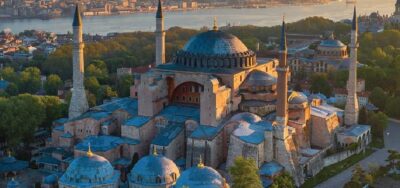 ★ 3.7Hagia Sophia Skip-the-Line Ticket & Museum OptionFrom $334,958 reviews
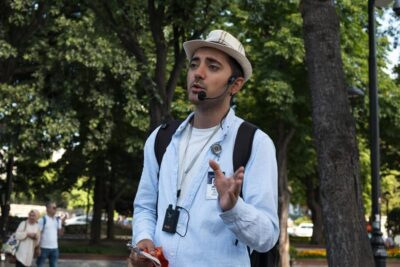 ★ 4.8Blue Mosque & Hagia Sophia Guided Tour w/ TicketsFrom $393,600 reviews
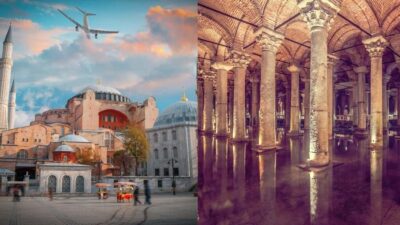 ★ 4.6Basilica Cistern & Hagia Sophia with Optional Topkapi PalaceFrom $813,547 reviews
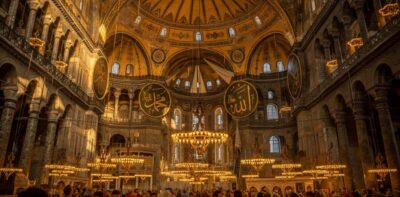 ★ 4.3Hagia Sophia Entry Ticket with Audio GuideFrom $332,854 reviews
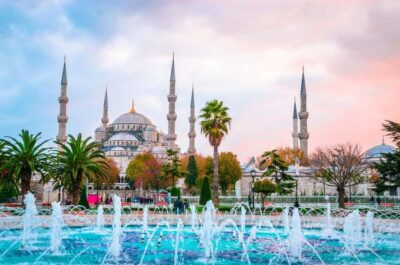 ★ 4.8Blue Mosque, Hagia Sophia, & Old Town Walking TourFrom $712,372 reviews
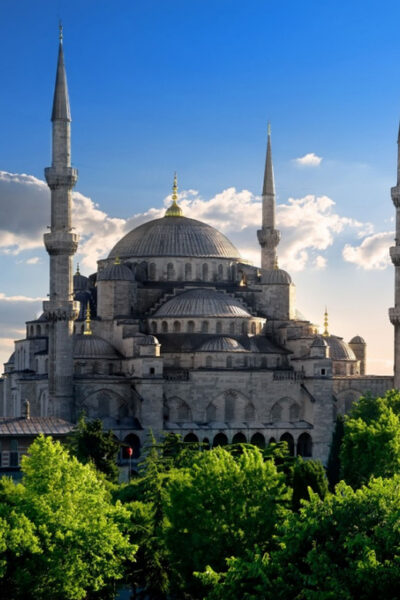 ★ 4.5Basilica, Hagia Sophia, Blue Mosque Tour & CruiseFrom $681,929 reviews
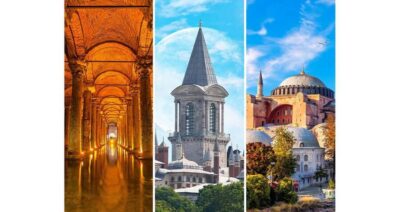 ★ 4.3Combo: Hagia Sophia+Basilica Cistern Optional Topkapi PalaceFrom $811,880 reviews
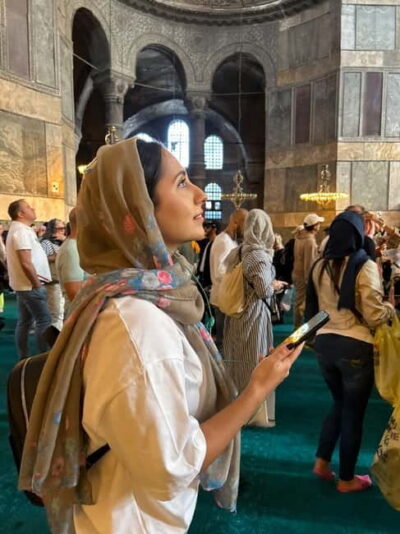 ★ 4.1Hagia Sophia Skip-the-Line Ticket & Blue Mosque Audio GuideFrom $331,879 reviews
Browse the lists this tour appears in