
REVIEW · SUNSET CRUISES
Historic Balat and Chora Tour with Sunset Cruise
Balat is a shortcut through Istanbul’s layers. This Historic Balat and Chora Tour pairs a focused walk around Kariye Mosque (Chora) with the neighborhood’s Jewish, Greek Orthodox, and Bulgarian landmarks—then it hands you off to a 2-hour luxury sunset cruise on the Bosphorus.
What I like most is the way the day mixes land-and-water views without feeling rushed. I also like the small group size (max 12) and the way the cruise experience is handled like a show: snacks such as cookies and baklava, and live cultural performances while you float past palaces and bridges.
One thing to watch: the Chora/Kariye Mosque admission isn’t included (you’ll need to budget for it), and not every stop is an entry ticket situation—many sites are best enjoyed from the outside as you move through Balat and then cruise by the Bosphorus sights.
In This Review
- Key highlights to know before you go
- How the Balat walk sets up the Bosphorus sunset
- Start at Kariye Mosque (Chora) and plan for the separate ticket
- Balat’s synagogues, churches, and that Iron Church moment
- Ahrida Synagogue
- Yanbol Synagogue
- Balat Bazaar, photo stairs, and everyday streets
- Virgin Mary Greek Orthodox Church (Byzantine roots)
- Fener Greek Girls’ High School
- St. George Cathedral and the Ecumenical Patriarchate
- Sveti Stefan Church, also called the Iron Church
- Cruising out of Balat: snacks, live performances, and that dinner
- What you’ll get on board
- Live cultural performances
- Bosphorus skyline by sunset: palaces, bridges, and forts (from the water)
- Dolmabahçe Palace
- Çırağan Palace
- Ortaköy and the Bosphorus Bridge view
- Bebek
- Rumeli Hisarı and Anadolu Hisarı
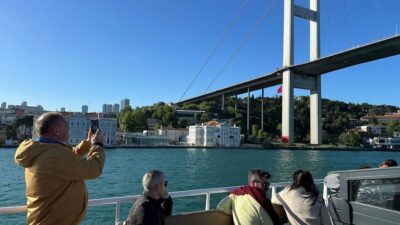
- The second bridge: Fatih Sultan Mehmet Bridge
- Kucuksu Palace and Beylerbeyi Palace
- Maiden’s Tower legend
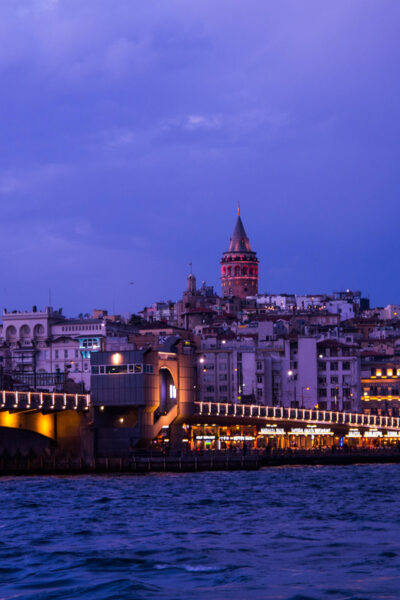
- Galata Bridge and Galataport
- Getting off at Kabataş: plan your next move
- Value and logistics: what you’re paying for at $95.86
- Who should book this tour
- Should you book the Historic Balat and Chora + Sunset Cruise?
- FAQ
- What’s included on the sunset cruise?
- How long is the Bosphorus sunset cruise?
- Is hotel pickup and drop-off included?
- Do I need to buy tickets for Kariye Mosque / Chora?
- Where does the tour start and end?
- Is the tour offered in English?
- Can I cancel for a full refund?
Key highlights to know before you go
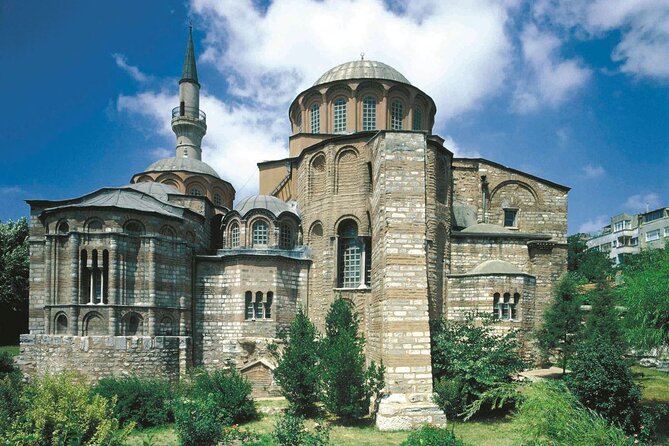
- Kariye Mosque time: plan for a solid hour at Chora/Kariye, with admission sold separately
- Balat’s religious mix: synagogues, Orthodox churches, and the famous Iron Church (Sveti Stefan)
- Luxury sunset cruise: about 2 hours on the water with snacks and a traditional dinner with alcoholic drinks
- Live performances on board: cultural shows while you watch the skyline change
- Bosphorus landmarks from the deck: Dolmabahçe, Çırağan, Ortaköy, fortresses, palaces, towers, and bridges
- Easy ending point: tour finishes at Kabataş Square after the cruise
Catch the sunset a different way



How the Balat walk sets up the Bosphorus sunset
Istanbul can feel like three cities glued together: old walls, grand sultans, and everyday life along the water. This tour leans into that exact idea by starting in Balat, one of the most historically mixed neighborhoods in European Istanbul, and then switching gears to the Bosphorus, the waterway that has always connected power, trade, and travel.
On land, you’re walking through names that don’t sound Turkish because they come from communities that lived here for centuries. You’ll also get a “spot the details” kind of route—stairs for photos, schools for architecture lovers, and churches where the building itself is the talking point.
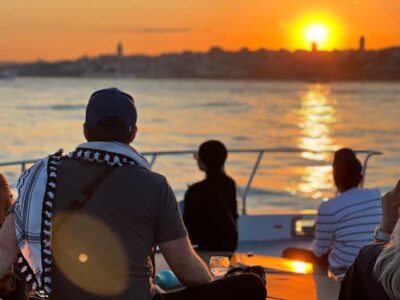
Then the cruise flips the viewpoint. Suddenly the same city you’ve been reading about becomes a moving panorama: palaces, fortresses, and bridges appear in sequence, and the light at sunset makes even a quick pass-by feel like you’re watching a movie set.
Start at Kariye Mosque (Chora) and plan for the separate ticket
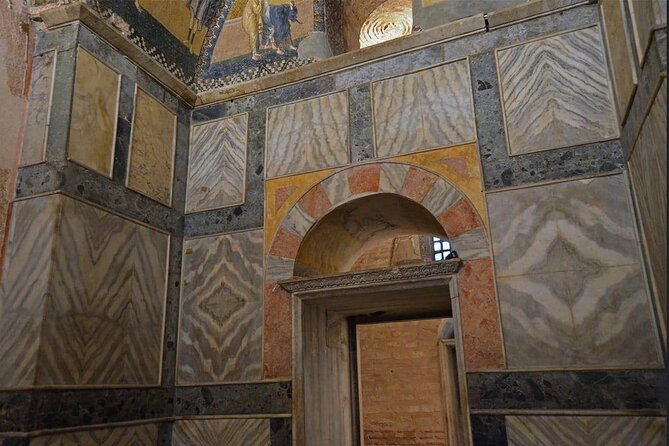
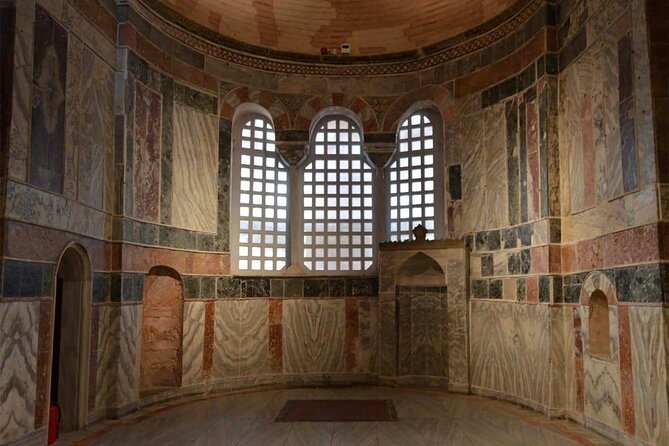
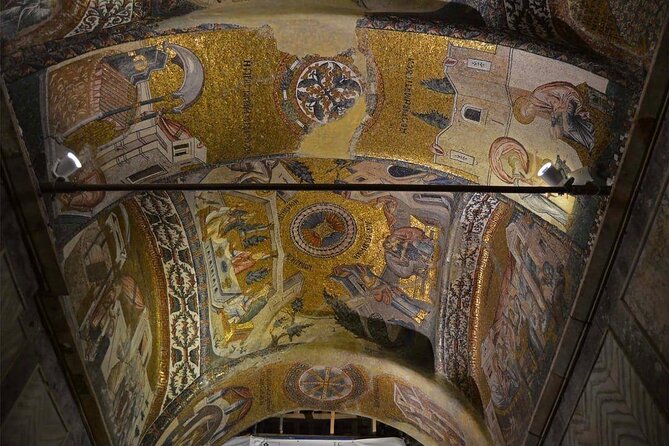
Your morning begins at Kariye Mosque (the old Chora Church complex). The schedule gives you about one hour there, guided. One practical note: the admission ticket isn’t included, and the tour lists €20 per person for the Chora Museum/entry.
So I’d treat this stop as the “must-have” museum piece of the day. If you like mosaics, layered Ottoman-era church-to-mosque stories, or simply want a strong visual example of Istanbul’s art tradition, don’t cut this short. Wear shoes you can stand in—one hour inside passes faster than you think, especially if you’re trying to take in the important features.
Also, even though the Chora admission is separate, the tour still matters here because you’re getting context and a route that keeps you from aimless wandering. That’s the real value of pairing a ticketed site with a guided day.
Balat’s synagogues, churches, and that Iron Church moment
After Kariye Mosque, the tour focuses on Balat’s most distinctive religious landmarks. This is where the day becomes less about big official sights and more about real neighborhood history—small buildings with huge stories.
More of Chora's golden mosaics
- Istanbul: Chora Mosque Entry Ticket★ 4.6 · 211 reviews
- Chora Mosque and Balat Walking Tour with Sunset Cruise★ 5.0 · 20 reviews
- Istanbul: Chora Church (Kariye Camii) & Digital Audio Guide★ 4.2 · 19 reviews
- Guided Chora Mosque Balat Tour with Bosphorus Cruise★ 5.0 · 15 reviews
Ahrida Synagogue
You’ll see the Ahrida Synagogue, built in the 15th century by Jews who came from Ohrid. The point isn’t just age. It’s the proof that communities traveled across the region and left cultural fingerprints behind. Even if you don’t go deep into the details, you’ll notice the architecture is meant to feel permanent, not temporary.
Yanbol Synagogue
Next is the Yanbol Synagogue, built in the 18th century in Balat by Jews from Yambol, Bulgaria. This stop helps you understand how Balat’s identity didn’t come from one migration wave—it kept evolving as people arrived and rebuilt.
Balat Bazaar, photo stairs, and everyday streets
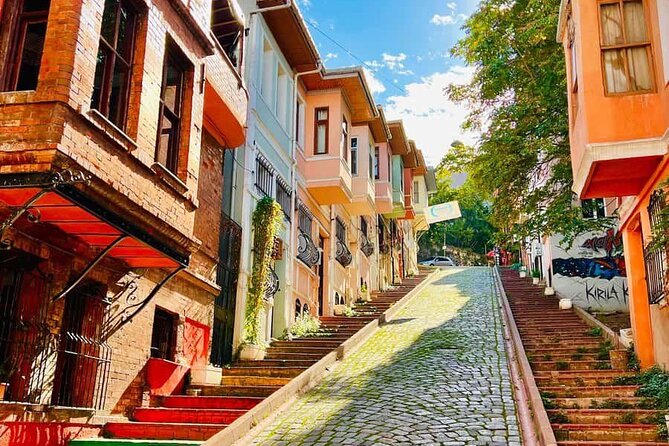
Then the tour turns into a more relaxed neighborhood stretch: Balat Bazaar, colorful streets, cafés, and those famous colorful stairs that are popular for photography. This is the break you need before the cruise. You’re not racing from one doorway to another; you’re getting bearings and learning what makes Balat feel like a real place to live, not just an Instagram route.
Virgin Mary Greek Orthodox Church (Byzantine roots)
You’ll also visit the Virgin Mary Greek Orthodox Church, with deep roots that date back to the Byzantine era. This stop is a reminder that Istanbul’s layers aren’t only Ottoman. The city’s religious architecture stretches back much further than most first-time visitors expect.
Fener Greek Girls’ High School
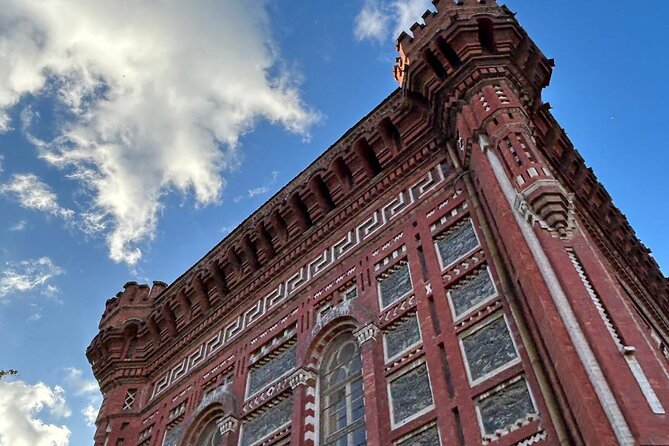
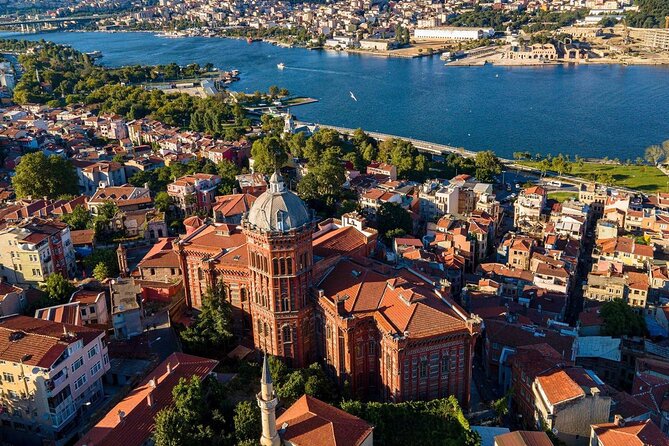
The Fener Greek Girls’ High School is included for its 19th-century red-brick look. Schools can be underrated on tours, but this one works because architecture tells a story: who educated whom, where prestige lived, and how community institutions formed long before modern borders.
St. George Cathedral and the Ecumenical Patriarchate
Then comes St. George Cathedral, described as the center of the Ecumenical Patriarchate and an important Orthodox worship site. This is one of those stops where the scale and role of the building matter. Even from the outside, it’s clear this isn’t a small local church—it’s tied to a wider religious world.
Sveti Stefan Church, also called the Iron Church
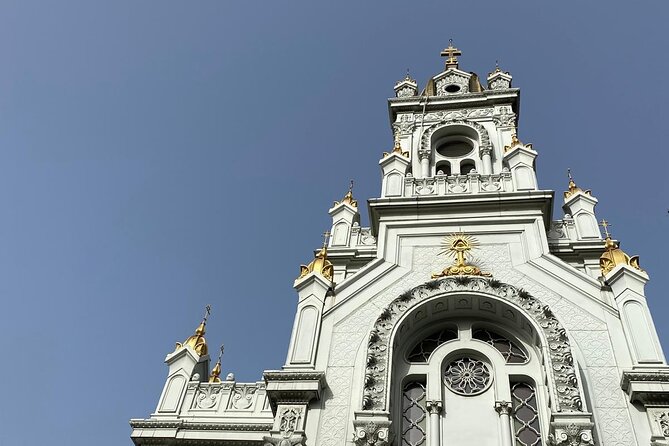
Finally, you’ll reach Sveti Stefan Church, also known as the Iron Church, built entirely of cast iron. That’s the kind of detail that makes you pause. The structure itself becomes a historical artifact: it’s not just what the church represents, it’s what materials and engineering choices were possible at the time.
Importantly, this area is also where the day transitions into the cruise. It’s described as the meeting and starting point for the Sunset Cruise, so this is the point where you shift from walking to settling in.
Cruising out of Balat: snacks, live performances, and that dinner
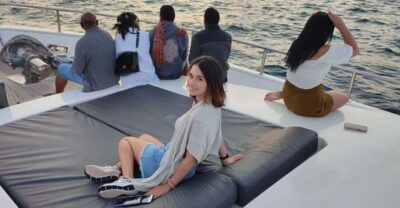
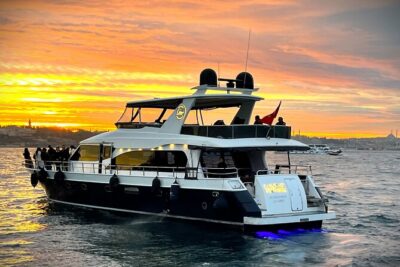
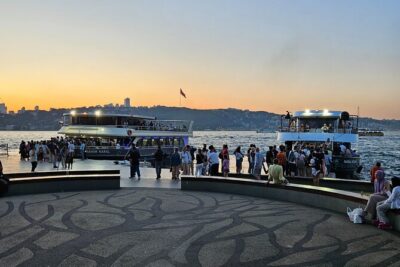
Once you’re on the boat, the vibe changes to easy mode. The cruise is about two hours, and it’s built to keep you comfortable while still letting you watch the city.
What you’ll get on board
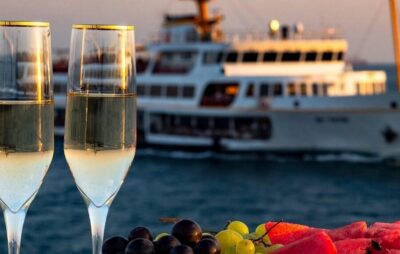
The tour includes snacks during the sunset cruise—think cookies, baklava, and fruit plates. And the highlights also mention a traditional Turkish dinner with alcoholic drinks. So this isn’t a light appetizer-only experience; it’s closer to a full evening setup where you can eat, drink, and watch.
Live cultural performances
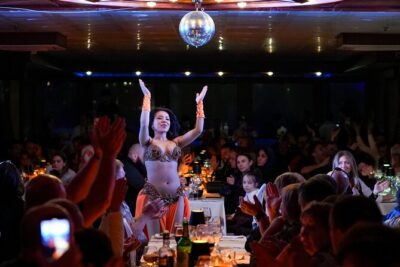
One of the standout features is that you can watch live cultural performances during the cruise. From the people running these tours, that usually means you’re not just sitting quietly taking photos—you’ll hear and see performances as the scenery slides by.
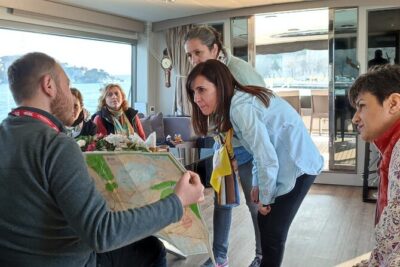
Guides can really shape this part of the day. The experience includes professional English guiding, and names that have come up include Betul, who’s described as keeping the mood entertaining during the cruise. Another guide name you may encounter is Erdem, praised for strong explanations during the Chora portion. If you want a tour day where someone talks in clear, practical terms (instead of a rushed script), this is the style to look for.
Bosphorus skyline by sunset: palaces, bridges, and forts (from the water)
Now the city becomes a moving museum. The cruise route is packed with Bosphorus landmarks—most are viewed from the boat rather than entered. That’s actually a good thing for value. You get the “wow” factor without paying ticket after ticket.
Dolmabahçe Palace
You’ll see Dolmabahçe Palace, an Ottoman palace on the Bosphorus. From the water, palace scale matters. You get a sense of how the sultanate positioned itself facing the strait—power turned outward.
Çırağan Palace
Next is Çırağan Palace, commissioned by Sultan Abdulaziz and designed by architect Sarkis Balyan. The tour description notes a dark turn in its story: abd ulaziz was imprisoned there, and Murat V was also imprisoned there after being deposed. Then it mentions the palace later being used as a House of Parliament after 1908, damaged by fire in 1910, restored in the early 1990s, and reopened as a luxury hotel.
Even if you don’t know Turkish politics in detail, the building’s history makes your photos feel more meaningful. It’s not just pretty waterfront architecture—it’s memory, imprisonment, and reinvention.
Ortaköy and the Bosphorus Bridge view
You’ll pass Ortaköy, known for the Ortaköy Bazaar and café-and-restaurant scene. The tour notes that the market feels less active early on, and movement starts after about 10:00 am—which matters because your cruise is at sunset, not morning.
You’ll also get a clear view area near the Bosphorus Bridge feet (on the European and Anatolian sides). This is one of the easiest places on the route to recognize because it’s so iconic to the skyline.
Bebek
The cruise includes Bebek, described as a historic residential area on the European shores with waterside mansions and restaurant options. From the boat, it reads like a mix of old shoreline homes and modern leisure zones.
Rumeli Hisarı and Anadolu Hisarı
You’ll see Rumeli Fortress (Rumeli Hisarı), built in 1453 by Sultan Mehmet the Conqueror at the narrowest Bosphorus point, and you’ll also see Anadolu Hisarı on the Asian side, built by Beyazit I in 1395. The descriptions emphasize that these fortresses were positioned across from each other to control the strait.
Even though you aren’t walking inside, a cruise gives you a stronger geography lesson: you can visually grasp why these places mattered so much. The Bosphorus isn’t wide; it’s controlled. From the water, the “why” becomes obvious.
The second bridge: Fatih Sultan Mehmet Bridge
The cruise route includes the Fatih Sultan Mehmet Bridge, built between Kavacık and Hisarüstü, opened in 1988. This is one of those skyline transitions where Istanbul’s modern identity interrupts its older story—in a good way. It helps you understand Istanbul as a living city, not a static postcard.
Kucuksu Palace and Beylerbeyi Palace
You’ll pass Küçüksu Palace, a small Ottoman summer palace ordered by Sultan Abdulmecit and designed by Nikogos Balyan. Then comes Beylerbeyi Palace, built in the 1860s by Sarkis Balyan. The description adds details you can notice: it combines elements of renaissance and baroque influences, has 6 halls, 24 rooms, plus a hamam, and includes a lily pond and large garden.
From the water, you’re not going room by room, but those named features help you look smarter. You can spot what’s likely the garden areas and recognize why the palace was built right under the bridge line.
Maiden’s Tower legend
You’ll also see the Maiden’s Tower (Kız Kulesi) on a tiny island near Üsküdar. The cruise notes the legend: a prophecy about a snake bite on the daughter’s 18th birthday, the tower built for protection, and the tragic twist involving a basket of fruits. Legends like this are why the Bosphorus feels mythic even today.
Galata Bridge and Galataport
The cruise route includes the Galata Bridge, described as a major spot for daily life with restaurants and cafés below, while tram and pedestrians move above. It also mentions the bridge’s fire damage in 1992 and the rebuilding that followed.
Near the end, you pass Galataport, a modern waterfront development with shopping, dining, and a cruise port.
Getting off at Kabataş: plan your next move
After the sunset cruise, the tour ends at Kabataş Square. That’s a helpful end point because it puts you close to transit options and lets you continue exploring without a long backtrack.
If you want an easy strategy: use the time after the cruise to walk off dinner slowly. Kabataş is a practical place to regroup, because you can either head toward the old center or stay in the Beyoğlu zone depending on how late you want to go.
Value and logistics: what you’re paying for at $95.86
At $95.86 per person, this tour sits in the “pay for convenience and guided flow” category. Here’s what makes the value feel real:
- You get a guided Chora/Kariye Mosque stop (with contextual value, even though admission is extra).
- You get a guided Balat walk packed with specific religious and cultural landmarks, plus photo-friendly streets.
- You get a 2-hour luxury sunset cruise with snacks and a dinner setup including alcoholic drinks.
- You get hotel pickup and drop-off included, which is a big deal in Istanbul where timing matters.
One more budgeting note: the tour lists €20 per person for Chora Museum admission (not included) and €5 per person for public transportation tickets and expenses. So the all-in cost depends on your personal plans, but the cruise portion is doing heavy lifting for your money: food, drink, performances, and scenery.
Who should book this tour
This is a strong fit if you want:
- a balanced day with both a guided museum-style stop and a long scenic water segment
- an approach that’s not only about grand landmarks, but also about neighborhood identity
- a cruise evening where you can eat and watch performances, not just take a photo-and-go ride
It’s also a decent pick for first-time visitors who want the Bosphorus experience without trying to coordinate multiple tickets and transport steps.
Should you book the Historic Balat and Chora + Sunset Cruise?
I’d book this if you like your Istanbul day with two moods: heritage on foot, then sunset on water. The route is built around real landmarks—Kariye Mosque, Balat’s synagogues and Orthodox churches (including the Iron Church), and then a Bosphorus cruise that loops through major palaces, fortresses, and skyline icons. And with a small group size (max 12) plus hotel pickup/drop-off, it stays comfortable.
If you’re mainly chasing museum entry time inside, do note that Chora admission is separate, and not every Balat stop sounds like a sit-down inside visit. But if you’re happy soaking up stories from outside and letting the cruise do the heavy scenic work, this is a very practical way to experience a big chunk of Istanbul in one evening.
FAQ
What’s included on the sunset cruise?
You’ll get snacks such as cookies, baklava, and fruit plates, plus live cultural performances during the cruise. The highlights also describe a traditional Turkish dinner with alcoholic drinks.
How long is the Bosphorus sunset cruise?
The cruise portion is about 2 hours.
Is hotel pickup and drop-off included?
Yes, the tour includes complimentary hotel pickup and drop-off.
Do I need to buy tickets for Kariye Mosque / Chora?
Yes. The Chora Museum admission is not included and is listed as €20.00 per person.
Where does the tour start and end?
It starts in front of Kariye Mosque, and it ends at Kabataş Square after the sunset cruise.
Is the tour offered in English?
Yes. It’s offered in English with a professional English tour guide.
Can I cancel for a full refund?
You can cancel up to 24 hours in advance for a full refund. If you cancel less than 24 hours before the start time, the amount paid won’t be refunded.
More Lanes in Fener and Balat
- Istanbul: Fener Balat Half-day Guided Walking Tour★ 4.9 · 1,711 reviews
- Half day Fener-Balat Walking Tour in Turkiye★ 5.0 · 308 reviews
- Istanbul: Colorful Fener & Balat Walking Tour w/Expert Guide★ 4.7 · 234 reviews
- Istanbul: Fener, Balat, Old Greek and Jewish Quarter Tour★ 4.9 · 234 reviews
- Istanbul: Fener & Balat Guided Tour through Colored Streets★ 4.8 · 171 reviews
- Istanbul in Colors: Balat Tour★ 5.0 · 92 reviews
More of Chora's Mosaics
- Istanbul: Chora Mosque Entry Ticket★ 4.6 · 211 reviews
- Chora Mosque and Balat Walking Tour with Sunset Cruise★ 5.0 · 20 reviews
- Istanbul: Chora Church (Kariye Camii) & Digital Audio Guide★ 4.2 · 19 reviews
- Guided Chora Mosque Balat Tour with Bosphorus Cruise★ 5.0 · 15 reviews
- Istanbul Constantinople City Walls and Chora Church Private Tour★ 5.0 · 12 reviews
- Chora Museum Skip-the-Ticket-Line Entry with Audio Guide★ 3.6 · 9 reviews
Sunset on the Water, More Options
- Istanbul: Daytime or Sunset Sightseeing Cruise & Audio Guide★ 4.8 · 14,430 reviews
- Istanbul Bosphorus Sunset Cruise on Luxury Yacht★ 5.0 · 4,465 reviews
- Istanbul: Bosphorus Sunset Cruise on Yacht with Live Guide★ 4.9 · 2,845 reviews
- Istanbul: Bosphorus Sunset Cruise with Drinks & Snack★ 4.8 · 2,716 reviews
- Bosphorus Sunset Yacht Experience: Istanbul’s Best★ 5.0 · 2,181 reviews
- Istanbul Sunset Cruise on Luxury Yacht – Guided Group Cruise★ 5.0 · 1,891 reviews
Fresh off the boat: new Istanbul reviews
Sunset Cruises, compared.
 ★ 4.8Daytime or Sunset Sightseeing Cruise & Audio GuideFrom $814,430 reviews
 ★ 5.0Istanbul Bosphorus Sunset Cruise on Luxury YachtFrom $304,465 reviews
 ★ 4.9Bosphorus Sunset Cruise on Yacht with Live GuideFrom $192,845 reviews
 ★ 4.8Bosphorus Sunset Cruise with Drinks & SnackFrom $82,716 reviews
 ★ 5.0Bosphorus Sunset Yacht Experience: Istanbul’s BestFrom $482,181 reviews
 ★ 5.0Istanbul Sunset Cruise on Luxury Yacht – Guided Group CruiseFrom $221,891 reviews
 ★ 4.8Bosphorus Sunset Cruise on a Luxury YachtFrom $591,435 reviews
 ★ 5.0Sunset Cruise with Stop along Asia: Discover Istanbul’s BosphorusFrom $121,110 reviews
Browse the lists this tour appears in