
REVIEW · HAGIA SOPHIA TOURS
Istanbul: Blue Mosque, Hagia Sophia & Basilica Cistern Tour
Three big icons in one walk. This tour strings together Blue Mosque and Hagia Sophia with the eerie calm of the Basilica Cistern, all in a tight 3-hour route. I like that the access is pre-arranged so you lose less time to ticket lines, and you get an expert guide who explains what you’re seeing as you go. The main catch: the dress code is strict (cover shoulders and knees, headscarf required for women) and you’ll pass airport-style security, so you’ll want to plan clothing and time.
My second big reason I’d pick this: the tour is built for small-group comfort, with headsets so you actually hear the guide in the louder sites and across short walks. Guides you may encounter in this style of tour (like Furkan, Elif, Murat, Emre, Mert, and Kaan) tend to answer questions clearly, with a friendly pace that doesn’t feel rushed. The result is an easier way to see these landmarks without feeling like you’re speed-walking through history.
In This Review
- Key highlights I’d circle before you book
- A 3-hour plan that actually works in Sultanahmet
- Blue Mosque: İznik tiles and Ottoman symbolism, not just pretty domes
- The Hippodrome stop: where Byzantine civic life gets explained
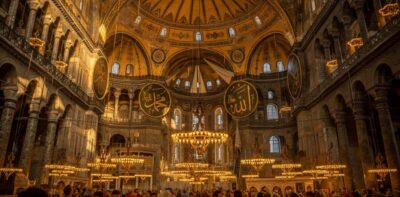
- Hagia Sophia: mosaics and calligraphy in one impossible space
- The practical part: security and rules inside
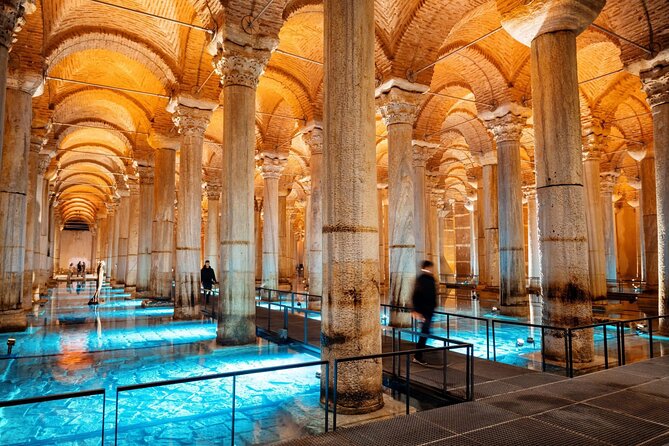
- Basilica Cistern: an underground pause with marble columns and Medusa heads
- If the cistern is closed
- Pacing, group size, and why the headsets matter
- Price and value: why $152 can be fair here
- What to bring (so you don’t get stopped) and what not to wear
- Who this tour fits best (and who should choose another option)
- Should you book the Istanbul Blue Mosque, Hagia Sophia & Basilica Cistern tour?
- FAQ
- How long is the Blue Mosque, Hagia Sophia & Basilica Cistern tour?
- What’s included in the tour price?
- Is transportation included?
- What languages are the tours offered in?
- Where does the tour end?
- Do I need to bring a headscarf?
- What clothing is required inside the mosques?
- What should I avoid wearing?
- What happens if the Basilica Cistern is closed?
- Is this tour suitable for wheelchair users or people with mobility impairments?
- What are the age limits?
Key highlights I’d circle before you book
- Pre-reserved access at the Hagia Sophia and Basilica Cistern cuts the worst waiting.
- Small-group feel plus headsets (ear pieces) so you don’t miss the story while moving.
- Blue Mosque details explained, from İznik blue tiles to Sultan Ahmet I’s architectural choices.
- Hagia Sophia inside focus on Christian mosaics and later Islamic calligraphy.
- Basilica Cistern atmosphere with marble columns and the famous Medusa heads.
- Backup plan if closed: Şerefiye (cistern of Theodosius) or Binbirdirek (cistern of Philoxenos) instead.
Other ways under the Hagia Sophia dome

A 3-hour plan that actually works in Sultanahmet
Istanbul’s historic center can be a perfect storm of long lines, crowds, and “wait, what am I looking at?” moments. This tour is designed to solve the second problem first: it gives you the right framing so each stop lands.
You’ll start at the Blue Mosque area, then move through the nearby historic zone (including the Hippodrome), head into Hagia Sophia, and finish by descending into the Basilica Cistern. At the end, you’re left in Sultanahmet Square, which is helpful because you can keep going on your own without needing to regroup with your group.
This is also a practical duration. Three hours means you can fit it into a busy day while still getting real time inside three major sites.
Blue Mosque: İznik tiles and Ottoman symbolism, not just pretty domes
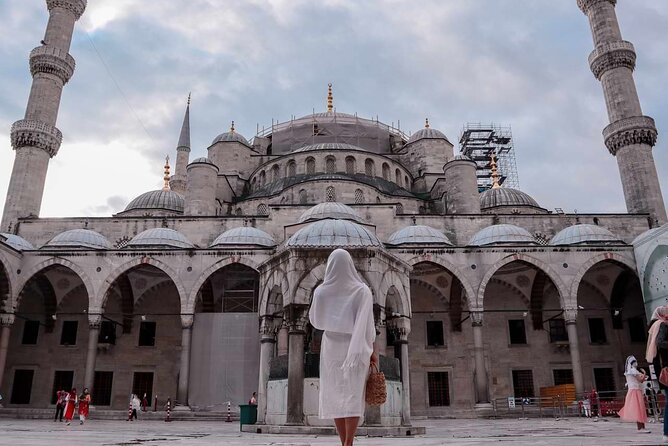
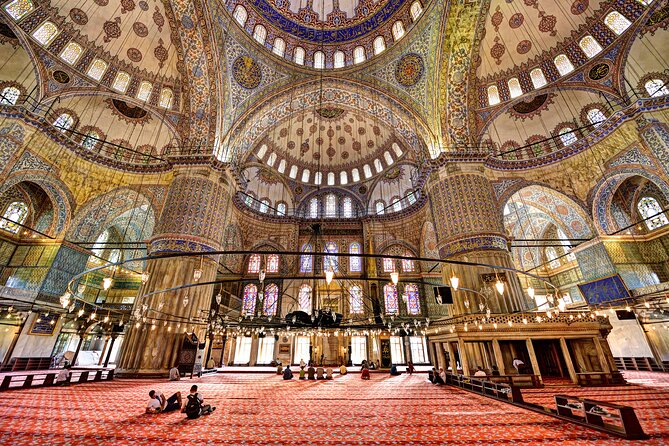
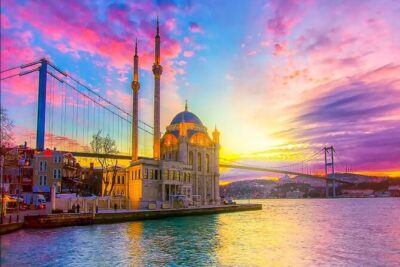
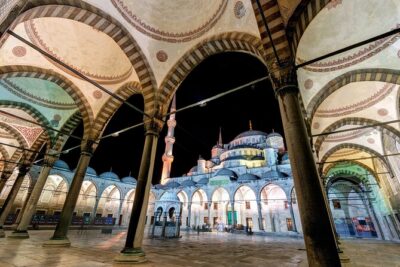
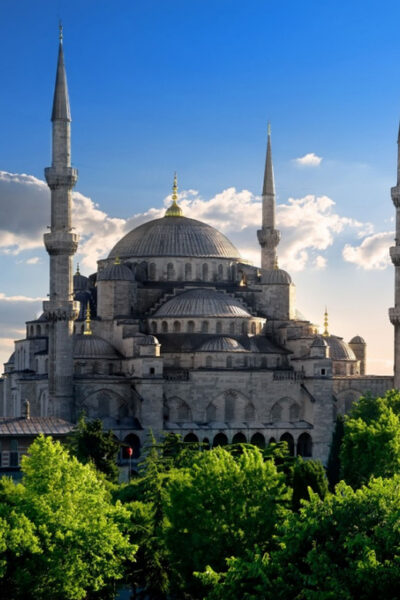
The Blue Mosque (Sultan Ahmet Camii) is easy to recognize from outside, but the first “wow” is usually inside the details. The tour takes you through the space with an expert guide who connects what you see to why it was built.
You’ll hear the story of Sultan Ahmet I commissioning the mosque, and you’ll focus on the İznik blue tiles that give the interior its signature look. You’ll also learn how the domes and overall layout support the kind of calm feeling people associate with the place.
One more smart touch: the guide doesn’t treat it like a stop-and-snap. They explain what to notice, so you’re not left staring at a room full of art and guessing at its meaning.
A small drawback to plan for: the dress code is not optional. Both men and women must cover shoulders and knees, shorts and sleeveless tops are not allowed, and women must wear a headscarf inside the mosque. You’ll also go through airport-style security.
The Hippodrome stop: where Byzantine civic life gets explained
Between the main monuments, the tour includes the Hippodrome area, once the public heart of Byzantine civic life. This part matters because it explains the “stage” behind the monuments, not just the monuments themselves.
You’ll hear about three standout pieces:
- Serpent Column
- Obelisk of Theodosius
- German Fountain
The German Fountain is a great example of how Istanbul layers relationships over centuries. The guide tells you it symbolizes late Ottoman–German friendship and was gifted by Kaiser Wilhelm II. It’s the kind of detail that makes you look at a familiar object and suddenly see the historical context around it.
This segment is also good pacing. It breaks up the heavier interior sites with outdoor walking and a clear story thread.
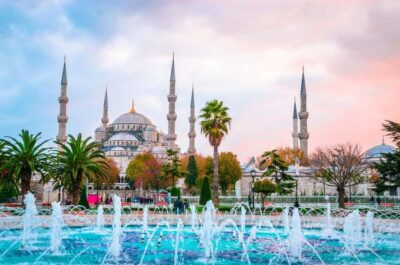
More time beneath the Blue Mosque's six minarets
- Istanbul: Blue Mosque, Hagia Sophia, & Old Town Walking Tour★ 4.8 · 2,372 reviews
- Istanbul: Basilica, Hagia Sophia, Blue Mosque Tour & Cruise★ 4.5 · 1,929 reviews
- Istanbul: Blue Mosque Guided Tour★ 4.5 · 1,910 reviews
- Hagia Sophia Skip-the-Line Ticket & Blue Mosque Audio Guide★ 4.1 · 1,879 reviews
Hagia Sophia: mosaics and calligraphy in one impossible space
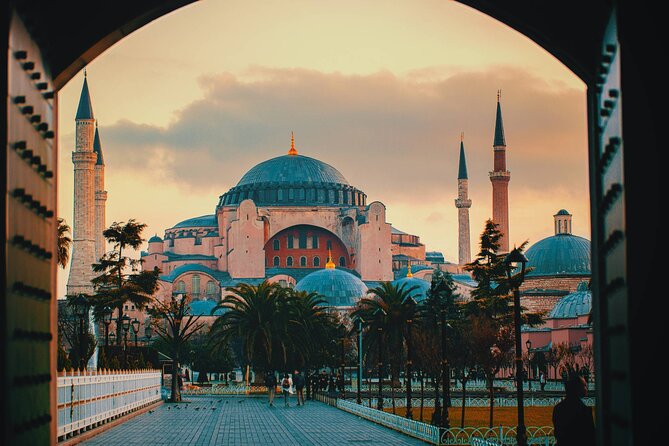
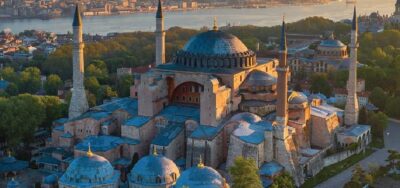
Hagia Sophia is the reason many people come to Istanbul’s old city—and it’s also where a guide earns their keep. The building changes depending on what layer you focus on, and the tour helps you “read” those layers.
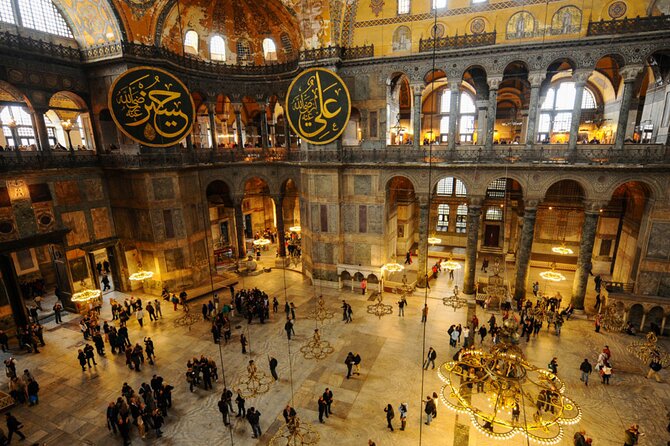
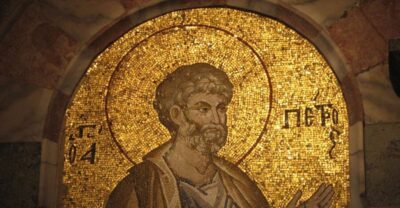
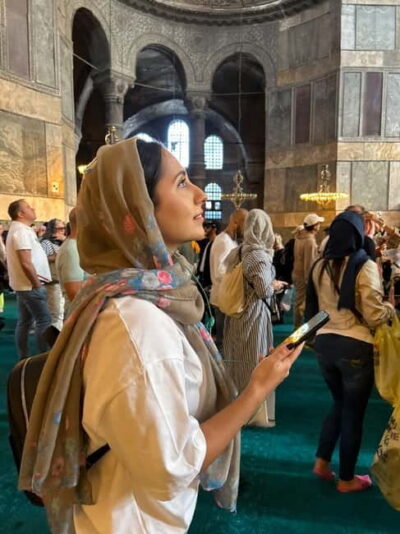
You’ll be introduced to the site as a former Greek Orthodox cathedral, later used as an imperial mosque. The most memorable learning here is the blend: Christian mosaics alongside Islamic calligraphy, all under that massive central dome.
The guide points out famous mosaics, including:
- Deesis Mosaic
- Imperial Gate Mosaic
- The image of the Virgin Mary with Child
Even if you don’t know names or dates, the guide’s job is to help you connect art to power and belief—how each era left its mark and how you can still see those marks today.
The practical part: security and rules inside
Plan for airport-style security, and follow the rules about what you can bring in (including the ban on signs, banners, political or ideological materials). Photography rules aren’t fully listed here, so the safest move is to act conservatively, follow whatever signage you see, and listen to the guide’s cues.
Also remember the dress code: no uncovered shoulders or knees. Women need a headscarf at the mosque.
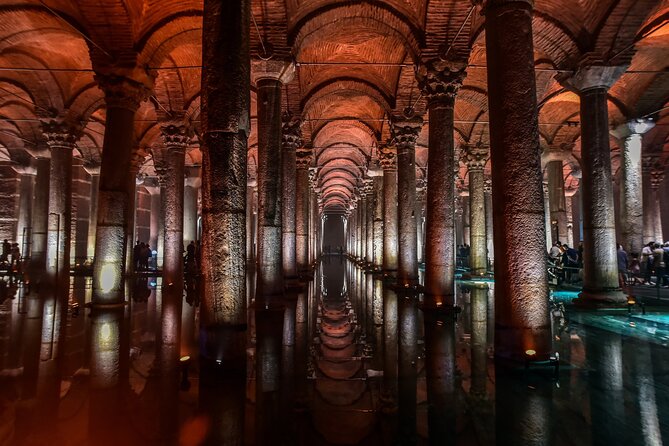
Basilica Cistern: an underground pause with marble columns and Medusa heads
After Hagia Sophia, stepping into the Basilica Cistern feels like switching worlds. The guide sets it up as an ancient underground reservoir built during Emperor Justinian’s reign.
Once you’re inside, the story becomes visual fast:
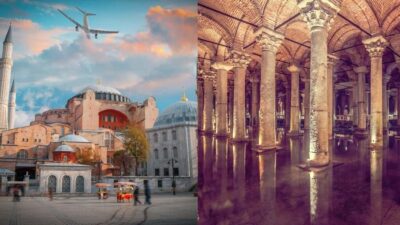
- A forest of marble columns
- The famous Medusa heads
- A quiet, damp atmosphere that feels like Istanbul at night, even in daylight
If you’ve only seen photos, you’ll likely be surprised by how cinematic the lighting feels in person. The ceilings, the repeating columns, and the way the space swallows sound make it easy to slow down.
This is one place where the guide’s explanation helps. Instead of treating the cistern as a “cool photo stop,” you’ll understand it as a piece of infrastructure that became something atmospheric over time.
If the cistern is closed
Good to know: if the Basilica Cistern is closed, the tour visits Şerefiye (cistern of Theodosius) or Binbirdirek (cistern of Philoxenos). That matters for planning because it reduces the chance your money buys a schedule that breaks on the day.
Pacing, group size, and why the headsets matter
This is a short tour, so pacing is everything. You get enough time at each site to understand what you’re looking at and still have moments to look around on your own.
The headsets (ear pieces) are a quiet but real quality upgrade. They help you hear the guide even when you’re in crowds or inside echo-prone spaces. In the reviews, you’ll see people call out the clear audio and the mic/ear piece setup—this isn’t just a nice-to-have.
Group size is small, which helps in a practical way: you’re easier to guide through security flow and inside routes, and it’s more likely the guide can answer questions without the group splitting into half-wandering chaos.
From a “should I do this?” point of view, this structure is what makes the tour feel like value rather than a rushed checklist.
Price and value: why $152 can be fair here
At $152 per person for a 3-hour tour, you’re paying for more than walking. Here’s what you’re actually getting from the tour data:
- A licensed guide for 3 hours
- Small-group format
- Headsets
- Pre-reserved admission tickets to Hagia Sophia
- Pre-reserved admission tickets to Basilica Cistern
- Guided time inside Hagia Sophia
- Skip-the-line benefit at major landmarks
If you were doing this solo, you’d still pay entry fees (at least for Hagia Sophia and the cistern) and you’d spend energy figuring out how to time everything. The guide also saves you from the worst part: arriving at a site and not knowing what to notice.
One caution I’d flag: the tour may feel pricey if you’re the kind of traveler who’s comfortable buying tickets on your own and you don’t mind waiting. But if you prefer your day to run cleanly, the combo of pre-reserved entries and a guide who explains the monuments is what pushes this into good value.
What to bring (so you don’t get stopped) and what not to wear
This tour has clear clothing rules because it enters active religious spaces.
Bring:
- A headscarf (required for women entering the mosque)
Do not wear:
- Sandals or flip flops
- Shorts
- Short skirts
- Sleeveless shirts
Do plan around:
- Covered shoulders and knees for both men and women
- Airport-style security checks
And here’s one practical tip that comes up in experience notes: if you expect to remove shoes, wear footwear that’s easy to take off and carry. People also mention using a carrier bag for shoes during the Blue Mosque stop.
That one small prep step can save you from awkward juggling at the worst moment.
Who this tour fits best (and who should choose another option)
This tour is a good match if you want:
- A tight, efficient plan for Istanbul’s most famous landmarks
- Explanations that connect Byzantine and Ottoman layers
- A small-group experience where you can ask questions
- Headsets so you don’t miss the guide while moving
It is not a good match if:
- You’re traveling with children under 7
- You have mobility impairments or use a wheelchair
So if accessibility is a concern, you’ll want to look for an alternative that explicitly supports your needs. This one is designed for walking and for fixed-route site access.
Should you book the Istanbul Blue Mosque, Hagia Sophia & Basilica Cistern tour?
I’d book it if you like your Istanbul day to feel organized and meaningful at the same time. The biggest reason: you’re not just buying entry tickets. You’re paying for interpretation—Blue Mosque symbolism, Hagia Sophia mosaic-and-calligraphy reading, and the Byzantine engineering story behind the Basilica Cistern.
Skip this tour if you want maximum flexibility and you’re fully fine waiting in lines, dressing carefully, and reading on your own. Also skip it if walking and indoor site rules are likely to feel stressful for you.
If you do book, do one thing early: pack your headscarf and dress to meet the mosque rules. Then you can focus on what matters—seeing these places with the right context, in the right order, with a guide who can keep the story clear from start to finish.
FAQ
How long is the Blue Mosque, Hagia Sophia & Basilica Cistern tour?
The tour runs for 3 hours.
What’s included in the tour price?
You get a 3-hour guided tour, a small-group experience, a professional licensed guide, headsets, pre-reserved admission tickets for Hagia Sophia, pre-reserved admission tickets for Basilica Cistern, and guided time at Hagia Sophia.
Is transportation included?
No. Transportation to the meeting point is not included.
What languages are the tours offered in?
The live guide is available in English and German.
Where does the tour end?
The tour ends in Sultanahmet Square.
Do I need to bring a headscarf?
If you enter the mosque, women are required to wear a headscarf. Bring one with you.
What clothing is required inside the mosques?
Both men and women must wear clothing that covers their shoulders and knees. Shorts, sleeveless shirts, and other revealing attire are not permitted for either men or women.
What should I avoid wearing?
Sandals or flip flops are not allowed, along with shorts, short skirts, and sleeveless shirts.
What happens if the Basilica Cistern is closed?
If Basilica Cistern is closed, the tour visits Şerefiye (cistern of Theodosius) or Binbirdirek (cistern of Philoxenos) instead.
Is this tour suitable for wheelchair users or people with mobility impairments?
No. It’s listed as not suitable for people with mobility impairments and wheelchair users.
What are the age limits?
Children under 7 years are not suitable for this tour.
Further Into the Basilica Cistern
- Istanbul: Basilica Cistern Fast-Track Entry and Audio Guide★ 4.6 · 7,521 reviews
- Basilica Cistern & Hagia Sophia with Optional Topkapi Palace★ 4.6 · 3,547 reviews
- Istanbul: Basilica Cistern Skip-the-Line Entry Ticket★ 4.6 · 2,270 reviews
- Combo: Hagia Sophia+Basilica Cistern Optional Topkapi Palace★ 4.3 · 1,880 reviews
- Istanbul: Blue Mosque, Hagia Sophia, & Basilica Cistern Tour★ 4.7 · 1,806 reviews
- Istanbul: Basilica Cistern Skip-the-Line Entry & Audio Guide★ 4.6 · 1,477 reviews
More at the Blue Mosque
- Istanbul: Blue Mosque & Hagia Sophia Guided Tour w/ Tickets★ 4.8 · 3,600 reviews
- Istanbul: Blue Mosque, Hagia Sophia, & Old Town Walking Tour★ 4.8 · 2,372 reviews
- Istanbul: Basilica, Hagia Sophia, Blue Mosque Tour & Cruise★ 4.5 · 1,929 reviews
- Istanbul: Blue Mosque Guided Tour★ 4.5 · 1,910 reviews
- Hagia Sophia Skip-the-Line Ticket & Blue Mosque Audio Guide★ 4.1 · 1,879 reviews
- Istanbul: Blue Mosque, Hagia Sophia, & Basilica Cistern Tour★ 4.7 · 1,806 reviews
Hagia Sophia, A Few More Ways In
- Istanbul: Hagia Sophia Skip-the-Line Ticket & Museum Option★ 3.7 · 4,958 reviews
- Istanbul: Blue Mosque & Hagia Sophia Guided Tour w/ Tickets★ 4.8 · 3,600 reviews
- Basilica Cistern & Hagia Sophia with Optional Topkapi Palace★ 4.6 · 3,547 reviews
- Istanbul: Hagia Sophia Entry Ticket with Audio Guide★ 4.3 · 2,854 reviews
- Istanbul: Blue Mosque, Hagia Sophia, & Old Town Walking Tour★ 4.8 · 2,372 reviews
- Istanbul: Basilica, Hagia Sophia, Blue Mosque Tour & Cruise★ 4.5 · 1,929 reviews
Fresh off the boat: new Istanbul reviews
Hagia Sophia Tours, compared.
 ★ 3.7Hagia Sophia Skip-the-Line Ticket & Museum OptionFrom $334,958 reviews
 ★ 4.8Blue Mosque & Hagia Sophia Guided Tour w/ TicketsFrom $393,600 reviews
 ★ 4.6Basilica Cistern & Hagia Sophia with Optional Topkapi PalaceFrom $813,547 reviews
 ★ 4.3Hagia Sophia Entry Ticket with Audio GuideFrom $332,854 reviews
 ★ 4.8Blue Mosque, Hagia Sophia, & Old Town Walking TourFrom $712,372 reviews
 ★ 4.5Basilica, Hagia Sophia, Blue Mosque Tour & CruiseFrom $681,929 reviews
 ★ 4.3Combo: Hagia Sophia+Basilica Cistern Optional Topkapi PalaceFrom $811,880 reviews
 ★ 4.1Hagia Sophia Skip-the-Line Ticket & Blue Mosque Audio GuideFrom $331,879 reviews
Browse the lists this tour appears in