
Chocolate tastes better when you make it. This Istanbul workshop turns the tourist crush around the Spice Bazaar into a calm, hands-on session where you learn how bean-to-bar chocolate becomes a shiny, snappy bar. I love that you get real technique, not just watching. I also love the small-group setup, so the instructor can help as you pour and decorate. One thing to plan for: if you have a severe allergy, double-check what you’re given at the end, because one participant reported getting the wrong kind of chocolate.
The class is held inside Cafe Society, just a few steps from the main entrance to the Spice Bazaar, so you can pair it with market wandering before or after. For 2 hours, you’ll learn tempering, taste cacao tea, and leave with packaged chocolate plus a certificate—more souvenirs than photos.
In This Review
- Key Points Worth Your Time
- Where You Go: Cafe Society, Steps From the Spice Bazaar
- A quick note on comfort
- The 2-Hour Flow: From Cacao to Your Own Bar
- What you’re not doing
- Tempering: The Technique Behind the Glossy Snap
- Staff support you’ll be glad you have
- Tea, Tasting, and the Cacao-Husk Detail
- Decorating Your Bar: A Souvenir You Actually Made
- A practical tip
- Price and Value: Is $43 Worth It?
- Who Should Book This (and Who Should Be Careful)
- The allergy caution is real
- How to Make It Smooth: Small Practical Tips
- Should You Book This Chocolate Workshop?
- FAQ
- How long is the Istanbul Chocolate Making Workshop?
- Where is the workshop meeting point?
- Is the workshop taught in English?
- Do I need any experience to make chocolate?
- What size is the group?
- What’s included in the price?
- Can I get help if I have allergies?
- Is the workshop wheelchair accessible?
- Can I cancel for a refund?
Key Points Worth Your Time
- Small group (up to 8) means you actually get hands-on attention while making chocolate.
- Tempering practice focuses on that glossy look and the satisfying snap.
- Tea tastings include Turkish tea, chocolate tea, and a cacao-husk tea component.
- Personal design souvenir: you decorate bars yourself and take them home packaged.
- Spice Route storytelling connects the workshop to the neighborhood outside.
- English instruction keeps the steps clear, even if you’re a total beginner.
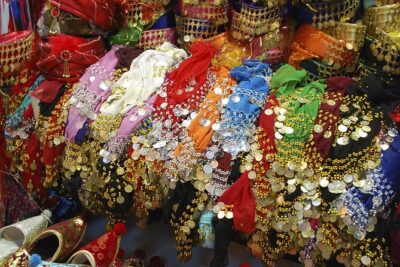
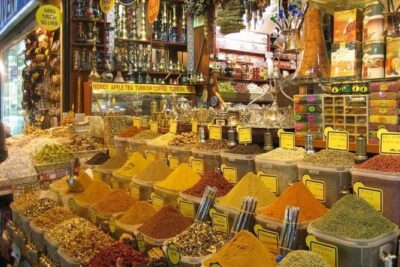
More stalls at the Spice Bazaar

Where You Go: Cafe Society, Steps From the Spice Bazaar
You’ll meet at Cafe Society, inside a café near the main entrance of the Spice Bazaar. That location matters. The Spice Bazaar area can feel loud and chaotic, and this workshop is built as a quiet pause right next to it. You don’t have to choose between market time and a hands-on activity—you get both in one day.
Once you arrive, you’ll be greeted warmly and guided into the atelier-café setup. Then the session starts with tea: Turkish tea and chocolate tea. That simple start does two things. It helps you slow down before you handle chocolate, and it immediately frames the experience as something local and social, not a stiff classroom.
If you’re short on time in Istanbul, this is a good pick because you’re not committing to half a day. The workshop runs about 2 hours, and it fits neatly between browsing and dinner.
A quick note on comfort
This is a hands-on making session. Wear comfortable clothes. Your hands (and your sleeves) may get close to chocolate during pouring and decoration, so think practical over fancy.
The 2-Hour Flow: From Cacao to Your Own Bar
Here’s the rhythm of the workshop as it plays out.
You start with a welcome and tea, then you get a story about the neighborhood. This part isn’t random. The area used to be a stop connected to the Spice Route, and you’ll hear how trade brought goods through this part of Istanbul. Standing near the Spice Bazaar, you can almost smell the old pattern of commerce—spices in, stories out—and then cacao becomes your new focus.
Next comes the cacao and chocolate portion: you’ll learn about the bean-to-bar journey. The goal is to give you a mental map of what’s happening, not just a list of steps. The instructor uses easy, sequential guidance, and the emphasis is on doing the actions yourself.
Then you get to the practical work: tempering and making your bars. Tempering is the technique that affects how chocolate looks and feels. If you’ve ever had chocolate that turns dull or soft instead of shiny and snappy, tempering is usually the answer.
Finally, you decorate. This is where your workshop souvenir becomes personal rather than generic. After that, your chocolate is packaged for you to take home, along with a verified certificate of completion—a nice bonus if you like keeping proof of what you actually did.
Worth putting side by side with this Istanbul pick:
- Small-Group Bosphorus Cruise and Istanbul’s Egyptian Bazaar★ 3.5 · 208 reviews
- Istanbul: Hagia Sophia, Blue Mosque, Cistern & Bazaar Tour★ 4.9 · 189 reviews
- Culinary Backstreets of the Bazaar Quarter★ 5.0 · 118 reviews
- Istanbul Old City: Basilica Cistern – Blue Mosque – Grand Bazaar★ 5.0 · 112 reviews
What you’re not doing
You’re not just tasting and leaving. You’re making, handling, and building a bar from scratch-level instructions. If you want an activity where you walk away with something physical and edible, this fits the bill.
Tempering: The Technique Behind the Glossy Snap
Tempering is the headline skill here. The workshop specifically teaches how to temper chocolate so it sets with a professional-looking finish—think glossy surface and the satisfying snap when you break or bite it.
In practical terms, this matters for two reasons:
- You’ll learn why chocolate behaves differently depending on how it’s treated.
- You’ll be able to recognize quality improvements, even if you’ve never made chocolate before.
The way it’s described is step-by-step, which is exactly what you want when you’re learning a technique that can’t be faked with guesswork. The instructor guides you through timing and handling so the final texture isn’t just luck.
And tempering is also why this workshop feels more “real” than a simple decoration class. Decorating is fun, sure. But tempering is the skill you’ll remember.
Staff support you’ll be glad you have
In one review, the staff’s attention and clarity stood out—especially the way the team stayed with participants throughout and helped translate instructions so everyone could keep up. In another instance, the chocolatier showed the steps and the team provided translation support when needed. That’s what you want in a class with technique: guidance that stays with you.
Tea, Tasting, and the Cacao-Husk Detail
You’ll drink tea from the start, and there’s also a tasting component built into the workshop. Turkish tea and chocolate tea are part of the welcome. Then you get a unique tasting: cacao-husk tea.
That cacao-husk detail is worth mentioning because it changes how you think about cacao. Instead of only focusing on the final bar, you taste something related to the cacao plant itself. It’s a small moment, but it helps you connect the workshop to the actual ingredient story.
If you like food experiences that teach you one new thing you can explain later, this is a good setup. You won’t just leave with chocolate—you’ll leave with a couple of flavors and facts you didn’t have before.
Decorating Your Bar: A Souvenir You Actually Made
This is the part that turns the workshop into a keepsake.
Once tempering is handled, you decorate your own chocolate bars. You’ll create a design using the decorations provided. Because you’re doing it yourself, the result isn’t just a pretty product—it’s a memory you can open and share.
You also take your chocolate home beautifully packaged. That packaging matters in Istanbul’s warm weather. If you’ve ever had a fragile souvenir melt or become a mess in your bag, you’ll appreciate that they plan for travel.
Then there’s the certificate of completion. It’s not essential, but it’s a nice touch if you enjoy collecting small proof-of-experience items like workshop stamps or course certificates.
A practical tip
Before you leave, check the package contents. One participant had a mix-up at the end and ended up with the wrong type of chocolate. It’s not something you can predict—but a quick glance can save you from a disappointment, especially if allergies are involved.
Price and Value: Is $43 Worth It?
At $43 per person for about 2 hours, you’re paying for more than the chocolate itself.
Here’s what you get included:
- Premium, single-origin chocolate and decorations
- Your finished, packaged chocolate bars to take home
- A verified certificate of completion
- A cacao-husk tea tasting
That’s solid value if you compare it to the typical “watch and taste” experience. This class is making-focused. You’re learning tempering and creating a designed bar, then leaving with something you can eat later or bring to someone back home.
Is it a bargain? It’s not bargain-price cooking. But it’s also not a flimsy activity where you leave with a tiny sample and no skills. This lands in the middle: paid learning with a real edible outcome.
If chocolate is on your Istanbul list and you like hands-on food activities, the cost starts to make sense fast.
Who Should Book This (and Who Should Be Careful)
This workshop is designed for beginners and creative people. The instructions are step-by-step, and the class explicitly states you don’t need experience to join.
It’s a great fit if:
- You want a short, satisfying activity close to the Spice Bazaar
- You enjoy practical learning, not just sightseeing
- You like taking home a food souvenir you made yourself
- You’re traveling with kids who can handle a guided hands-on session (one review mentioned a great time with children)
The allergy caution is real
If you have severe nut allergies, tell the organizers in advance. The information clearly asks you to notify them for severe nut allergies. One review also described a situation where substitutions were made successfully so the participant didn’t miss out.
Still, because one person reported ending with the wrong chocolate type (and couldn’t eat due to allergy concerns related to caramel), you should treat the final package as something to double-check.
If allergies affect what you can eat, do two things:
- Inform them before the workshop
- Inspect the packaged bars when you’re leaving
That way, you protect the best part of the experience: actually being able to enjoy it.
How to Make It Smooth: Small Practical Tips
A few things can make your session smoother.
- Arrive a little early. You can relax in the café atmosphere before you start.
- Wear comfortable clothing. It’s hands-on and chocolate-friendly clothes win.
- If you’re allergy-prone, communicate clearly. Use the phrase severe nut allergy if that’s your case.
- Don’t rush your tasting. The tea and cacao-husk tasting are part of the lesson, not just filler.
Also, since the workshop is near the Spice Bazaar, plan your market wandering accordingly. If you go right before, give yourself enough time to calm down before you sit down to work with chocolate.
Should You Book This Chocolate Workshop?
If you’re torn between another Spice Bazaar stroll and a hands-on food activity, I’d lean toward booking this. It’s close by, only 2 hours, and it ends with something you made: a bar you can open later. The focus on tempering is the difference between a fun craft and a real skill.
Book it especially if you want:
- A guided, small-group experience
- A teachable technique (tempering)
- A meaningful souvenir packaged for travel
Skip or reconsider only if you can’t manage hands-on food work, or if allergy constraints are complex and you don’t feel comfortable double-checking your final packaged chocolate.
Bottom line: for many people, this is one of the better ways to experience the Spice Bazaar area without being swept up by the noise.
FAQ
How long is the Istanbul Chocolate Making Workshop?
It lasts about 2 hours.
Where is the workshop meeting point?
The workshop is held inside Cafe Society, just a few steps from the main entrance of the Spice Bazaar.
Is the workshop taught in English?
Yes, the instructor is English.
Do I need any experience to make chocolate?
No. The workshop is described as suitable for beginners, with easy step-by-step guidance.
What size is the group?
It’s a small group limited to 8 participants.
What’s included in the price?
Premium single-origin chocolate and decorations, the finished packaged chocolate bars to take home, a certificate of completion, and a cacao-husk tea tasting.
Can I get help if I have allergies?
You should inform the team of any severe nut allergies in advance. The workshop also notes substitutions may be needed in such cases.
Is the workshop wheelchair accessible?
Yes, it is listed as wheelchair accessible.
Can I cancel for a refund?
Yes. You can cancel up to 24 hours in advance for a full refund.
More Shopping Tours in Istanbul
- Istanbul Grand Bazaar: From Rooftops to the Secret Passages★ 4.8 · 337 reviews
- Istanbul: Hagia Sophia, Blue Mosque and Grand Bazaar Tour★ 4.5 · 222 reviews
- Small-Group Bosphorus Cruise and Istanbul’s Egyptian Bazaar★ 3.5 · 208 reviews
- Istanbul: Hagia Sophia, Blue Mosque, Cistern & Bazaar Tour★ 4.9 · 189 reviews
- Istanbul: Hagia Sophia, Blue Mosque, and Grand Bazaar Tour★ 4.5 · 162 reviews
- Culinary Backstreets of the Bazaar Quarter★ 5.0 · 118 reviews
More Tour Reviews in Istanbul
- Istanbul: Bosphorus Dinner Cruise & Show with Private Table★ 4.8 · 62,058 reviews
- Istanbul: Daytime or Sunset Sightseeing Cruise & Audio Guide★ 4.8 · 14,430 reviews
- Istanbul: Bosphorus Dinner Cruise & Turkish Night Show★ 4.8 · 12,954 reviews
- Best of Istanbul 1, 2 or 3-Day Private Guided Istanbul Tour★ 5.0 · 8,922 reviews
- Istanbul: Basilica Cistern Fast-Track Entry and Audio Guide★ 4.6 · 7,521 reviews
- Istanbul: Hagia Sophia Skip-the-Line Ticket & Museum Option★ 3.7 · 4,958 reviews
Back to the Spice Bazaar
- Small-Group Bosphorus Cruise and Istanbul’s Egyptian Bazaar★ 3.5 · 208 reviews
- Istanbul: Basilica Cistern, Blue Mosque & Spice Bazaar Tour★ 5.0 · 41 reviews
- Istanbul: Blue Mosque, Basilica Cistern & Spice Bazaar Tour★ 4.9 · 30 reviews
- Istanbul Grand Bazaar and Egyptian Bazaar Shopping Tour★ 4.0 · 28 reviews
- Sailing Through Culture Bosphorus and Spice Bazaar Tour★ 3.6 · 26 reviews
- Morning Bosphorus Cruise and Spice Bazaar★ 3.5 · 25 reviews
Fresh off the boat: new Istanbul reviews



Spice Bazaar Tours, compared.
 ★ 3.5Small-Group Bosphorus Cruise and Istanbul’s Egyptian BazaarFrom $90208 reviews
 ★ 5.0Basilica Cistern, Blue Mosque & Spice Bazaar TourFrom $4241 reviews
 ★ 4.9Blue Mosque, Basilica Cistern & Spice Bazaar TourFrom $2930 reviews
 ★ 4.0Istanbul Grand Bazaar and Egyptian Bazaar Shopping TourFrom $9028 reviews
 ★ 3.6Sailing Through Culture Bosphorus and Spice Bazaar TourFrom $5226 reviews
 ★ 3.5Morning Bosphorus Cruise and Spice BazaarFrom $9025 reviews
 ★ 4.0Private Bosphorus Cruise and Egyptian Bazaar with Motor Yacht24 reviews
 ★ 4.0Istanbul Shore Excursion: Small-Group Bosphorus Cruise and Istanbul Egyptian BazaarFrom $9023 reviews
Browse the lists this tour appears in