
REVIEW · BASILICA CISTERN TOURS
Istanbul: Cistern of Theodosius Entry Ticket and Audio Guide
A cistern under the streets surprises fast. This Istanbul stop is a 1,600-year-old water structure you can visit at your pace, with skip-the-line entry and an included audio guide that explains what you’re seeing.
I especially like two things: the easy QR entry process at the doorway, and the way the audio narration turns stone-and-water facts into a story. You’re also getting a calmer experience than the big-name cisterns, with time to slow down and look closely at the columns and ceiling.
One thing to watch: if your ticket QR or phone-based ticket access is shaky, you may need extra patience at the entrance. A verified booking specifically flagged trouble receiving tickets online, so keep your confirmation info handy and arrive with breathing room.
In This Review
- Key things to know before you go
- Cistern of Theodosius: a 5th-century water system hiding in plain sight
- Skip the ticket line with QR access at the entrance
- Audio guide pacing: learn while you walk, without a group schedule
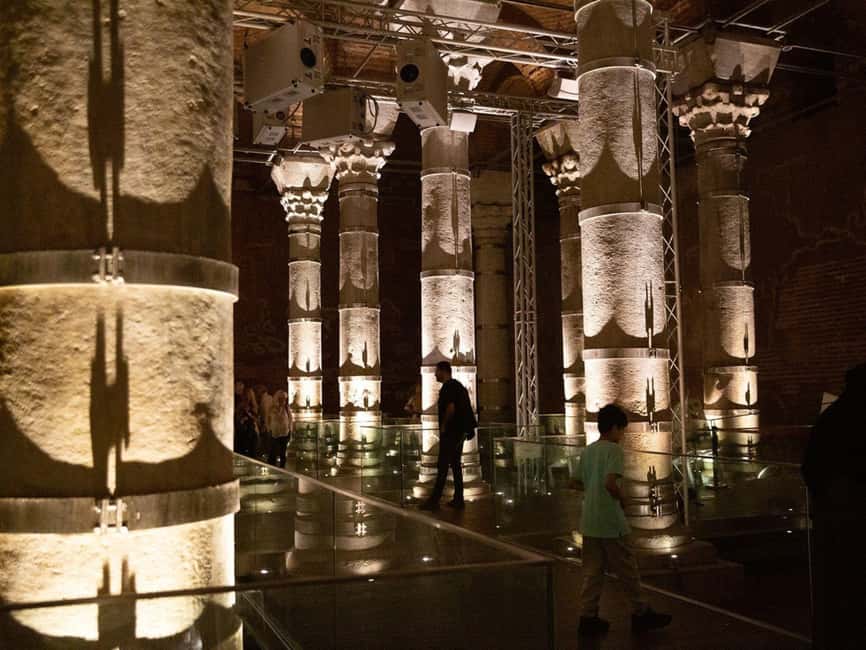
- Inside the cistern: columns, plaster, vaulted ceilings, and real dimensions
- Beyond the water: the Ottoman layers and the archaeological park around it
- Where this fits compared with other Istanbul cisterns
- Price and value: is $30 worth it for entry + audio?
- Practical visit tips: timing, photos, and how to pace your walk
- Who should book this Cistern of Theodosius audio ticket?
- Should you book this Cistern of Theodosius ticket with audio guide?
- FAQ
- How long is this Cistern of Theodosius ticket valid?
- What’s included with the ticket?
- Is this a guided tour?
- Does this ticket help you avoid the ticket line?
- Do you receive a QR code when you arrive?
- Is a 3D show included?
- How much does it cost?
- Can I cancel if my plans change?
- What languages are available for the audio guide?
Key things to know before you go
- Skip-the-line entry with a QR code provided at the entrance
- 1600-year-old engineering tied to Emperor Theodosius II (408–450 AD)
- Clear audio narration that explains the cistern’s design and purpose
- Signature interior scale: 24 by 40 meters, about 11 meters high, supported by 32 marble columns
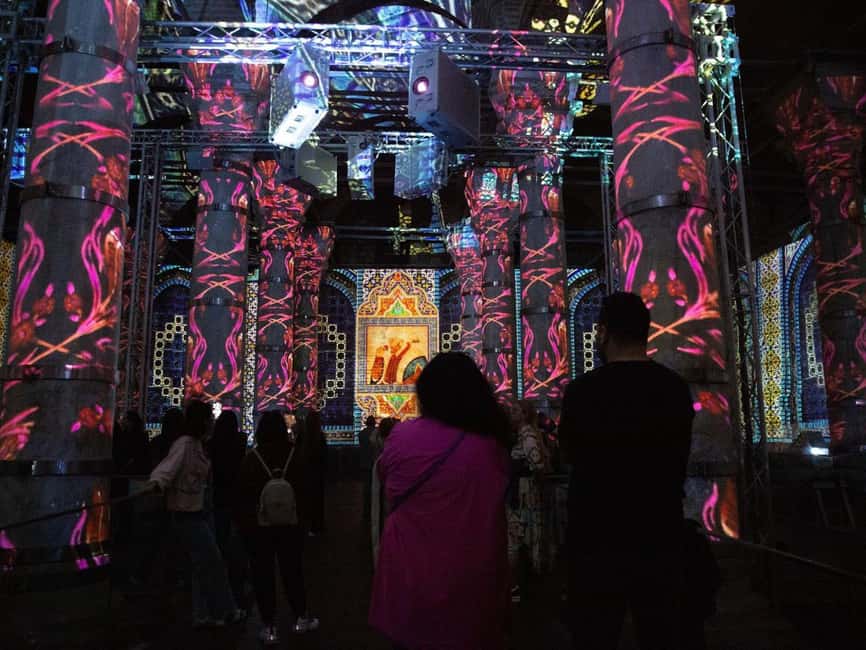
- A lighting show inside, mentioned as a highlight, paired with self-paced wandering
Back down among the cistern's columns

Cistern of Theodosius: a 5th-century water system hiding in plain sight
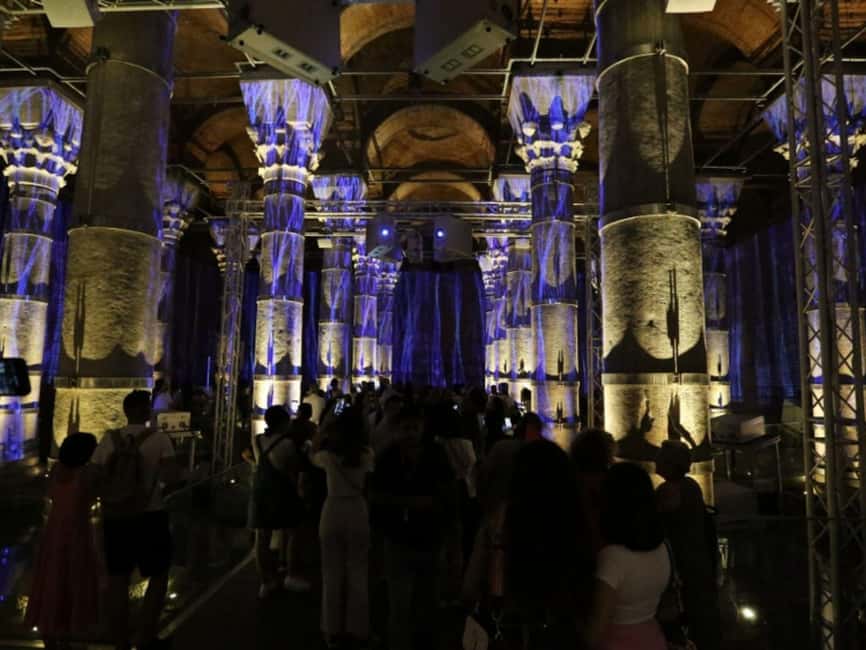
The Cistern of Theodosius (also called the Serefiye Cistern) is one of those Istanbul places that feels like it belongs to another city—and another century—entirely. Built under Emperor Theodosius II in the 5th century, it was meant to store water for Istanbul, especially when supplies were tight or the city faced siege.
What I like about this site is that it’s not just pretty darkness and rows of columns. The design reads like practical engineering: thick walls, shaped corners, and plaster made to reduce leaks. Stand still for a moment and you’ll understand why people built water storage like this—because it had to work.
Then the story expands. The cistern was later expanded during the Ottoman period, and the area around it changed many times. That layered timeline matters, because the cistern doesn’t sit alone. It’s part of Istanbul’s ongoing rebuild-and-reuse pattern.
Skip the ticket line with QR access at the entrance
The main practical win here is simple: you’re not waiting in a long queue just to get inside. With this ticket + audio guide, you can skip the line, and then you receive your QR code at the entrance for quick entry.
Why that’s worth caring about: cistern access is limited by how many people can be moving through the space comfortably. If you’re visiting during peak hours, skipping the ticket line can turn a frustrating start into a smooth one—especially when your goal is to take your time.
Plan to arrive with enough slack that you’re not rushing during entry. One verified booking noted difficulty receiving tickets even after purchasing online well in advance. That doesn’t mean it will happen to you, but it’s a good reminder to keep your purchase confirmation accessible.
Audio guide pacing: learn while you walk, without a group schedule
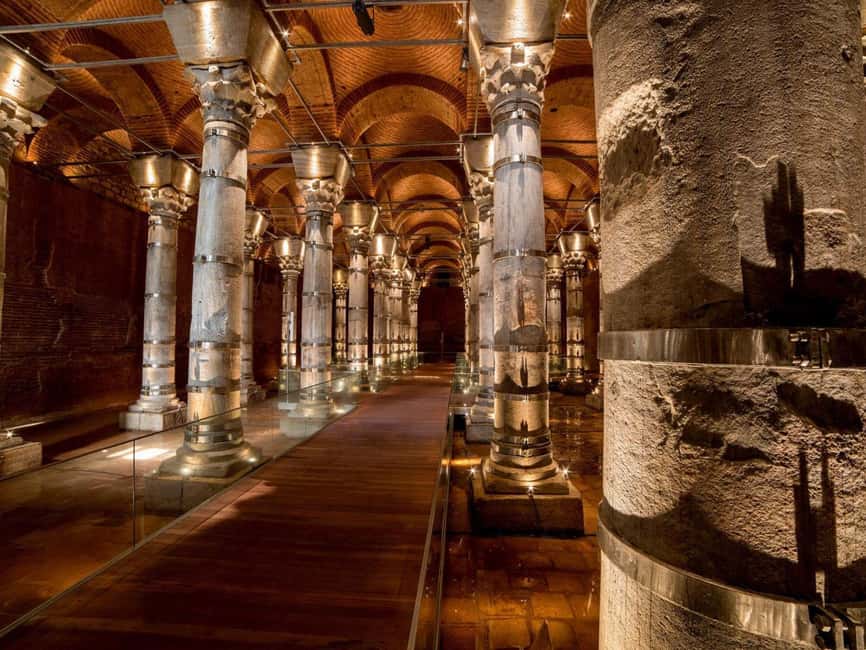
This experience is not a guided tour. You’re there with an included audio guide, and you move at your own pace. That format works well in a place like this because the cistern rewards slow looking—tall columns, ceiling vaults, and the way light plays across stone.
The narration is described as clear and fact-filled, with interesting details about the cistern’s past. You’ll get context as you go, instead of reading a sign and moving on. That matters in Istanbul, where one visual cue can connect to several time periods.
Also, the audio approach helps you match the visit to your energy. If you want to stay longer at the architectural features, you can. If you prefer to hit the highlights quickly, you can do that too.
Worth putting side by side with this Istanbul pick:
- Istanbul: Hagia Sophia Skip-the-Line Ticket & Museum Option★ 3.7 · 4,958 reviews
- Topkapi Palace and Harem Skip-the-Line-Tickets & Audio Guide★ 4.3 · 4,745 reviews
- Istanbul: Blue Mosque & Hagia Sophia Guided Tour w/ Tickets★ 4.8 · 3,600 reviews
- Istanbul: Hagia Sophia Entry Ticket with Audio Guide★ 4.3 · 2,854 reviews
Inside the cistern: columns, plaster, vaulted ceilings, and real dimensions
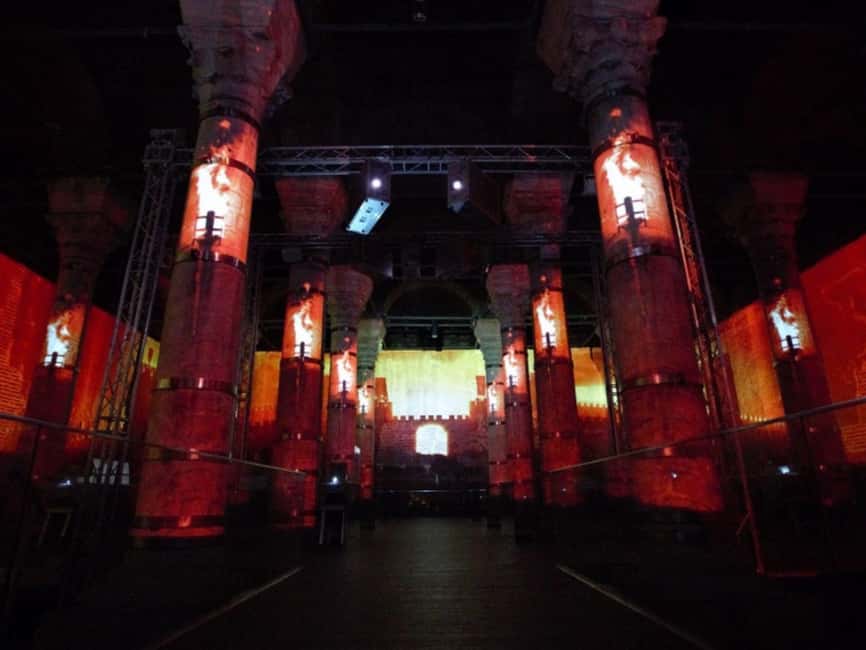
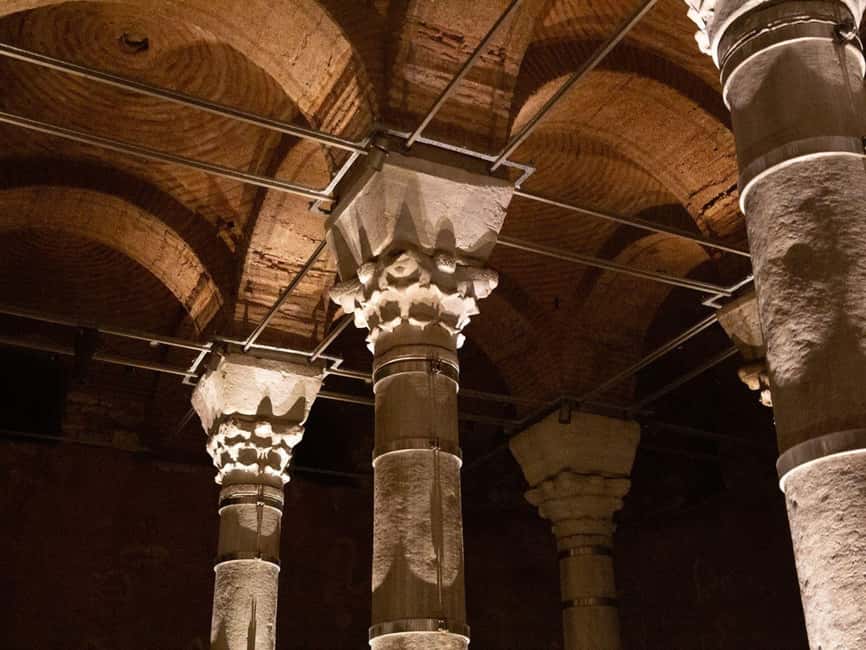
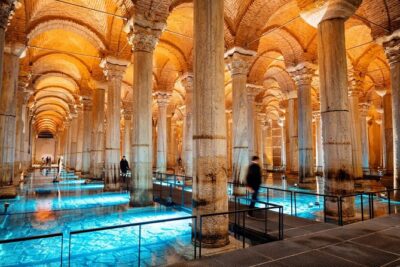
When you’re standing in the Cistern of Theodosius, the scale is the first thing that lands. The cistern covers an area of 24 by 40 meters and reaches about 11 meters high. It’s supported by 32 columns made of Marmara Island marble.
Here’s what you should look for as you walk:
- The marble columns: smooth and weighty, they create those repeating lines that make the space feel larger than it is.
- The watertight plaster on the walls: it’s a design choice you can almost imagine as you look for the subtle coating surfaces.
- Thick walls and curved corners: these aren’t decorative. They’re built to handle pressure and keep the structure stable with centuries of weight and water-related stress.
- Sail vaults overhead: the cistern has 45 sail vaults, which blend structural strength with an elegant ceiling rhythm.
This is one of the reasons the audio guide is worth using. If you just stand there without context, you might see columns and shadows. With the audio, you start reading the space as a functioning machine—built to store water and last.
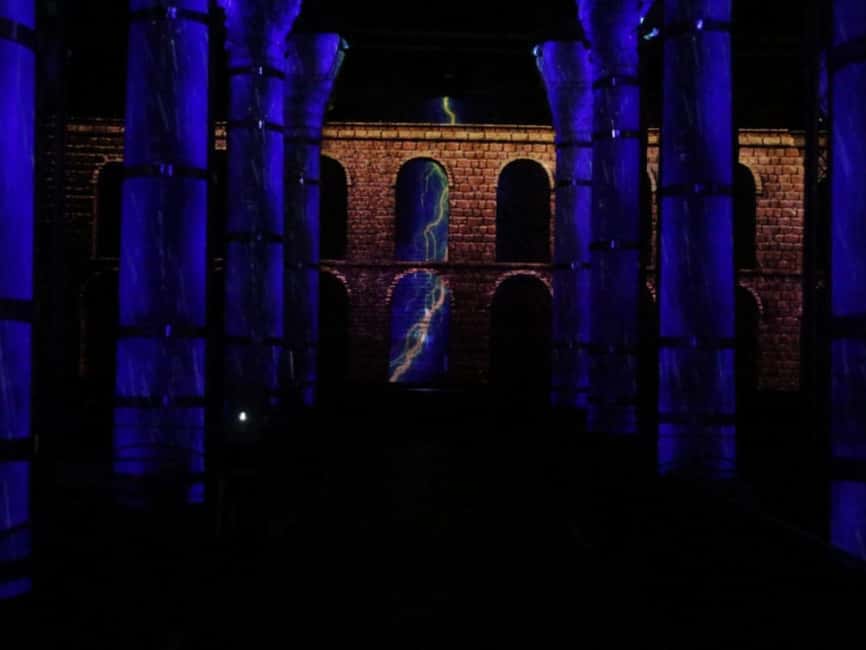
And yes, there’s a lighting moment inside that people remember. One confirmed booking called the lighting show fantastic. I’d treat it as part of the atmosphere, not the main event—your best payoff still comes from looking upward and noticing how the ceiling vaults frame the light.
Beyond the water: the Ottoman layers and the archaeological park around it
The cistern’s name links to its origin: Theodosius II, who ruled from 408 to 450 AD. But the site doesn’t freeze at that moment. The Ottoman period expanded it, and the surrounding neighborhood kept changing as Istanbul evolved.
One of the more interesting nearby-history points is the Arif Pasa Estate, built in the late 18th or early 19th century. It once housed municipal offices. So while you’re in the cistern area, you’re also standing in a zone that has served different roles over time—administration, infrastructure, and now interpretation.
Then comes the modern rediscovery. In 2010, demolition of nearby buildings uncovered the cistern. Restoration followed, and an archaeological park was created around it. That matters because it explains why the site feels presented in a modern way while still being undeniably ancient.
The audio guide’s final section also connects the cistern to broader national history, including the founding of the Turkish Republic. Even if you’re only there for the architecture, that timeline jump helps you see how Istanbul’s past gets interpreted and reused.
Where this fits compared with other Istanbul cisterns
If you’re deciding between major cistern names, here’s how I’d think about value. The Cistern of Theodosius is a strong choice if you care about engineering details and a calmer vibe. One verified booking noted it’s less known than the Basilica Cistern, and they enjoyed avoiding heavy crowds while experiencing the space calmly.
That crowd factor can change the whole visit. In a cistern, people naturally slow down when the space is quiet. When it’s packed, you get a quick shuffle and shorter looking time. So if you want the columns and vaults to feel like a place to pause—not a bottleneck—this option can work well.
Also, this ticket is simple: entry + audio guide. There’s no guided tour pressure, and no need to synchronize with a group schedule. That’s ideal if you like to control your pace in slower, atmosphere-heavy spots like this.
Price and value: is $30 worth it for entry + audio?
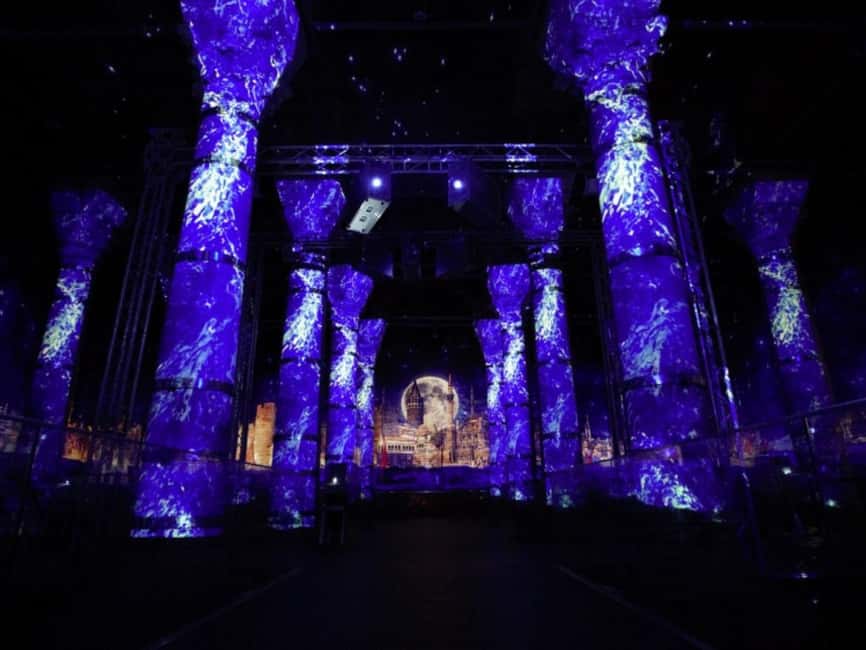
At $30 per person, you’re paying for two things: entry to the Cistern of Theodosius and an included audio guide. There’s no guided tour included, and no 3D show included.
So the question is: do you want an audio-supported self-guided visit, and do you plan to spend enough time to justify it? If you’re the type who reads signs for 20 seconds and moves on, audio guides may feel like extra cost. But if you like context—why 32 columns matter, why plaster matters, why vaults matter—then the audio can make the ticket feel more like an education than a quick photo stop.
I also think the skip-the-line aspect is part of the value equation. Even if the cistern visit itself is short, the time you save at entry can be the difference between rushing and actually enjoying the space.
Finally, remember the price is per person. If you’re traveling as a duo or small group, the value grows when you’ll both use the audio guide and both benefit from line-skipping.
Practical visit tips: timing, photos, and how to pace your walk
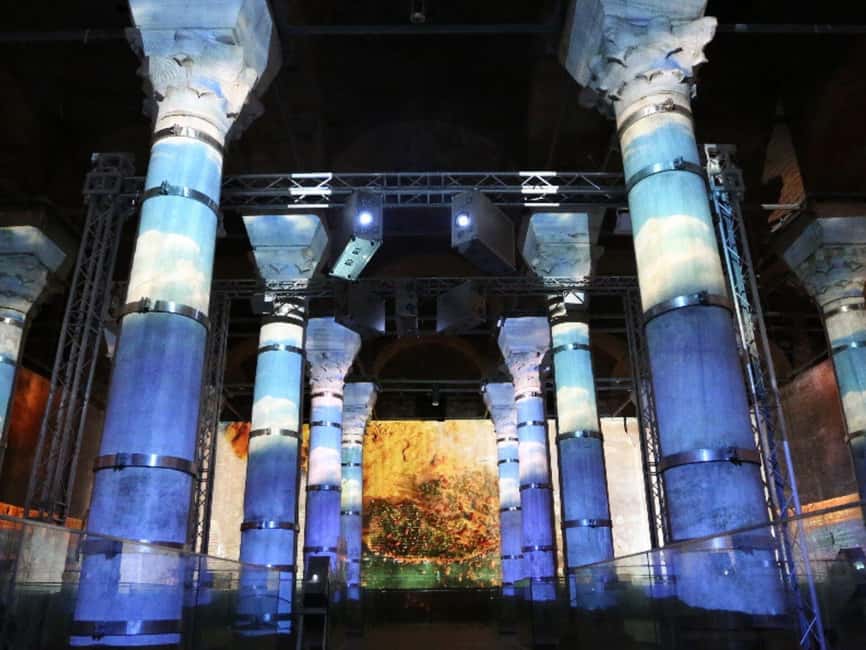
Because this is self-paced, you can structure your visit in a way that fits your style. If you like detail, start with the overall geometry—rows of columns and ceiling vaults—then circle back for wall and plaster details. If you’re more into atmosphere, wait for the lighting moment and let that reset your attention.
For photos, think less about a single iconic shot and more about lines and scale. The columns help create long visual corridors. If the lighting show is happening, you’ll likely get better results by staying longer rather than shooting immediately and leaving.
One more practical point: the highlight list says you can use flexible time to explore all four sites. The data doesn’t list the other three, but it’s a hint about how this experience fits into a bigger visit plan. If you’re building a day around nearby stops, this ticket supports that kind of pacing rather than forcing a rigid schedule.
Who should book this Cistern of Theodosius audio ticket?
I’d point you to this ticket if you want:
- Self-paced exploration instead of a group tour timeline
- A place focused on Byzantine-era engineering and architectural design
- A more relaxed visit where you can take your time with details
It’s also a good match if you’re building an Istanbul day that mixes big landmarks with smaller, quieter layers of history. Cisterns are usually short visits, but this one’s worth slowing down for because the structure is meant to be understood, not just seen.
If you only care about the most famous cistern and you need the shortest possible time in the area, you might question the $30 price. But if you like learning as you go—and you value skipping entry lines—this one is a solid bet.
Should you book this Cistern of Theodosius ticket with audio guide?
Yes, I think you should book it if your priority is calm pacing, skip-the-line entry, and an audio guide that explains what you’re standing in. The strongest reasons are easy QR entry, the clear narration, and the chance to see a 5th-century cistern with Ottoman expansions in a way that’s not rushed.
Don’t book it if you hate audio formats and you’re only interested in quick photo stops. And if you’re worried about ticket access, plan a little buffer at arrival and keep your confirmation handy.
In the end, this is one of those Istanbul experiences where the engineering details reward patience. If you can slow down for a while, you’ll leave with more than a photo—you’ll leave with a better sense of how the city managed water, and how that story keeps getting uncovered.
FAQ
How long is this Cistern of Theodosius ticket valid?
The ticket is valid for 1 day, so you can choose an available starting time and fit the visit into your schedule.
What’s included with the ticket?
You get entry to the Cistern of Theodosius and an included audio guide for the cistern.
Is this a guided tour?
No. You explore at your own pace using the included audio guide.
Does this ticket help you avoid the ticket line?
Yes. The experience is designed to let you skip the ticket line and enter more easily.
Do you receive a QR code when you arrive?
Yes. A QR code is provided at the entrance for quick access.
Is a 3D show included?
No. A 3D show is listed as not included.
How much does it cost?
The price is $30 per person.
Can I cancel if my plans change?
You can cancel up to 24 hours in advance for a full refund.
What languages are available for the audio guide?
The information provided lists languages as part of the activity details, but specific audio languages are not stated here.
More Tickets in Istanbul
- Istanbul: Hagia Sophia Skip-the-Line Ticket & Museum Option★ 3.7 · 4,958 reviews
- Topkapi Palace and Harem Skip-the-Line-Tickets & Audio Guide★ 4.3 · 4,745 reviews
- Istanbul: Blue Mosque & Hagia Sophia Guided Tour w/ Tickets★ 4.8 · 3,600 reviews
- Istanbul: Hagia Sophia Entry Ticket with Audio Guide★ 4.3 · 2,854 reviews
- Istanbul: Topkapi Palace and Harem Ticket with Audio Guide★ 4.4 · 2,401 reviews
- Istanbul: Basilica Cistern Skip-the-Line Entry Ticket★ 4.6 · 2,270 reviews
More Tour Reviews in Istanbul
- Istanbul: Bosphorus Dinner Cruise & Show with Private Table★ 4.8 · 62,058 reviews
- Istanbul: Daytime or Sunset Sightseeing Cruise & Audio Guide★ 4.8 · 14,430 reviews
- Istanbul: Bosphorus Dinner Cruise & Turkish Night Show★ 4.8 · 12,954 reviews
- Best of Istanbul 1, 2 or 3-Day Private Guided Istanbul Tour★ 5.0 · 8,922 reviews
- Istanbul: Basilica Cistern Fast-Track Entry and Audio Guide★ 4.6 · 7,521 reviews
- Istanbul: Hagia Sophia Skip-the-Line Ticket & Museum Option★ 3.7 · 4,958 reviews
Further Into the Basilica Cistern
- Istanbul: Basilica Cistern Fast-Track Entry and Audio Guide★ 4.6 · 7,521 reviews
- Basilica Cistern & Hagia Sophia with Optional Topkapi Palace★ 4.6 · 3,547 reviews
- Istanbul: Basilica Cistern Skip-the-Line Entry Ticket★ 4.6 · 2,270 reviews
- Combo: Hagia Sophia+Basilica Cistern Optional Topkapi Palace★ 4.3 · 1,880 reviews
- Istanbul: Blue Mosque, Hagia Sophia, & Basilica Cistern Tour★ 4.7 · 1,806 reviews
- Istanbul: Basilica Cistern Skip-the-Line Entry & Audio Guide★ 4.6 · 1,477 reviews
Fresh off the boat: new Istanbul reviews


Basilica Cistern Tours, compared.
 ★ 4.6Basilica Cistern Fast-Track Entry and Audio GuideFrom $447,521 reviews
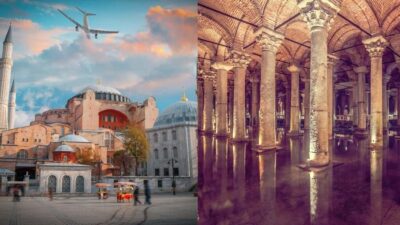 ★ 4.6Basilica Cistern & Hagia Sophia with Optional Topkapi PalaceFrom $813,547 reviews
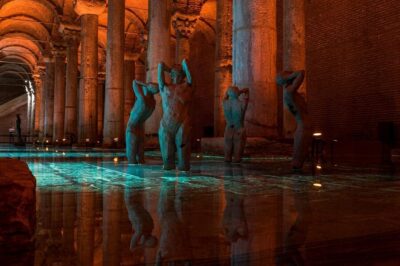 ★ 4.6Basilica Cistern Skip-the-Line Entry TicketFrom $442,270 reviews
 ★ 4.3Combo: Hagia Sophia+Basilica Cistern Optional Topkapi PalaceFrom $811,880 reviews
 ★ 4.7Blue Mosque, Hagia Sophia, & Basilica Cistern TourFrom $581,806 reviews
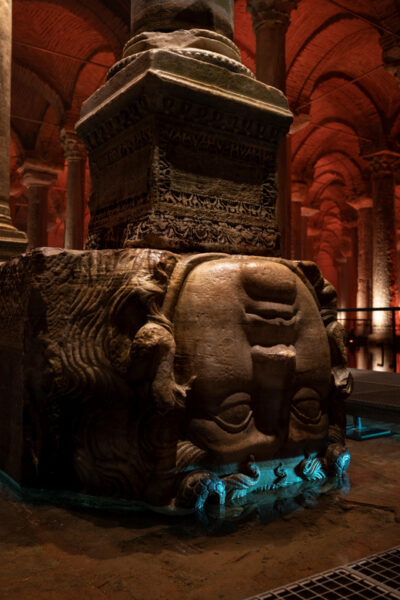 ★ 4.6Basilica Cistern Skip-the-Line Entry & Audio GuideFrom $711,477 reviews
 ★ 4.3Basilica Cistern Guided Tour & Blue Mosque Audio GuideFrom $481,337 reviews
 ★ 4.6Basilica Cistern &Topkapi Palace &Hagia Sophia Combo TicketsFrom $1571,306 reviews
Browse the lists this tour appears in