
Sultanahmet comes alive on foot. This tour does a smart job of pairing Sultanahmet backstreets with the big-name sights, so you’re not just checking boxes. I especially loved the start at Sahaflar Book Bazaar, where Istanbul feels quieter and more personal, and the guided stop inside the Blue Mosque, where the guide helps you notice what most people miss.
You’ll also get a classic Istanbul rhythm: bazaars, monuments, and a pause for tea. The half-day option covers the Grand Bazaar and the Ancient Hippodrome area, while the full-day upgrade adds a sit-down lokanta lunch plus Topkapi Palace and Hagia Sophia with entrance fees included.
One thing to consider: this is a walking-focused day with real mosque dress rules. If you’re not dressed for the Blue Mosque entry (shoulders, legs, and covered hair for women), you can be turned away, and you should also expect some crowd friction around the major sites and market areas.
In This Review
- Key things that make this tour work
- Sultanahmet, covered in one smart day
- Meeting point and getting ready (your first 5 minutes matter)
- Sahaflar Book Bazaar: where the pace slows down
- Grand Bazaar with context, not just shopping
- A heads-up about market pressure
- Tea house break: the sanity check built into the route
- Blue Mosque inside: what the guide helps you notice
- The dress code is real
- Ancient Hippodrome: seeing the Byzantine layer
- Half-day tour wrap-up: where you’ll land and what to do next
- Full-day upgrade (8.5 hours): Topkapi and Hagia Sophia, with entrances included
- Topkapi Palace: the Ottoman sultan’s world
- Hagia Sophia: the one everyone talks about
- Price and value: what you’re really paying for at $70
- Group size, pace, and the guide factor
- Who this tour suits best
- Should you book this tour?
- FAQ
- What’s the difference between the half-day and full-day options?
- How long is the half-day Sultanahmet walking tour?
- How long is the full-day Discovery upgrade?
- What meals are included?
- Are entrance fees included?
- What group size should I expect?
- Where does the tour meet?
- What is the dress code for the Blue Mosque?
- What should I bring?
- Is the tour guided in English?
- Can I cancel and get a refund?
Key things that make this tour work
- Small group size (max 12) keeps it relaxed and photo-friendly, with time for questions.
- Sahaflar Book Bazaar first sets a calmer tone before the Grand Bazaar chaos.
- Blue Mosque inside access with guidance helps you understand what you’re looking at, not just what you’re standing in front of.
- Ancient Hippodrome stop adds context for Byzantine-era Constantinople right in the middle of today’s city.
- Full-day upgrade includes lunch and major entrances (Topkapi Palace and Hagia Sophia), so you’re not piecing together tickets all day.
- Optional private group is available if you want a quieter pace.
More mornings around the old peninsula



Sultanahmet, covered in one smart day
I like tours that help you see without rushing you into museum fatigue. This one is built around Istanbul’s Old City core, mostly on foot, with a guide who keeps the story moving from street level to landmark scale.
What makes it feel efficient is the way the day is ordered. You begin with the kind of place most first-timers miss—Sahaflar Book Bazaar—then you transition into the bigger tourist magnets, like the Grand Bazaar and the Blue Mosque. It’s a good flow because it builds understanding as you go, so the famous places feel less random.
And yes, you’ll still see the icons. But the point isn’t just visibility. It’s orientation. By the time you finish, you’re better at reading the city: why Sultanahmet looks the way it does, how Byzantine and Ottoman layers overlap, and why the same streets keep showing up in Istanbul’s daily life.
Meeting point and getting ready (your first 5 minutes matter)
You meet at Pudding Shop Lale Restaurant, Divanyolu Caddesi No. 6, Sultanahmet. The restaurant is on the street where the tram runs through Sultanahmet, roughly a 3-minute walk from the Sultanahmet tram stop.
This matters because you’ll start walking right away. Bring comfortable shoes—not fancy ones—and plan for uneven pavement once you’re in the bazaar lanes and around historic sites. Also, dress like you’re expecting “old stone + lots of stairs,” even if the walking distance is short on paper.
Sahaflar Book Bazaar: where the pace slows down
The tour starts at Sahaflar Book Bazaar, one of the oldest market areas in Istanbul. This stop is valuable for a simple reason: it changes your mindset before you hit the busiest places.
Instead of walking into the Grand Bazaar already braced for crowds, you ease in. You’ll see the appeal of the book market—old volumes, paper textures, and a different kind of Istanbul trading culture than the souvenir-style rhythm you get elsewhere. It’s also a great “social proof” moment for your guide’s approach: you can tell quickly whether they care about everyday history, not just spectacle.
If you like photos, this is the section where you can get them without constantly dodging tour groups. And if you like local textures, books are a surprisingly good lens for understanding Istanbul’s identity—where learning and commerce have long lived side by side.
Worth putting side by side with this Istanbul pick:
- Istanbul: Private Turkish Bath, Massage, and Spa in Old City★ 4.6 · 3,225 reviews
- ISTANBUL BEST: Iconic Landmarks Full Day PRIVATE Guided City Tour★ 5.0 · 1,032 reviews
- Istanbul: Best of the City Full-Day Tour with Transfers★ 4.6 · 704 reviews
- Istanbul: Private City Highlights Guided Tour★ 4.5 · 552 reviews
Grand Bazaar with context, not just shopping
Next comes the Grand Bazaar. This is one of those places where the architecture is impressive, but what really hits is the maze effect. Narrow corridors, stacked stalls, bright color, constant movement—it can feel like sensory overload if you wander in solo.
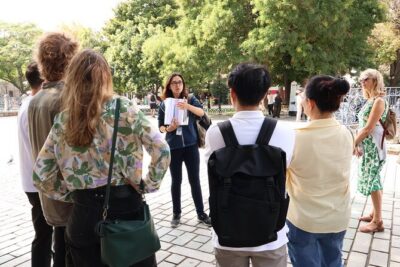
That’s where the guide earns their fee. You’re not just walking through lanes; you’re being taught how to look:
- what the bazaar structure means for how people shop and trade
- the stories behind what you’re seeing
- local traditions that help you decode the place faster
This tour also tends to work well for people who aren’t shopping hard. You’re guided through the main lanes and given context, so even if you don’t buy anything, you still come away with a stronger sense of what the bazaar is and why it matters.
A heads-up about market pressure
One caution I’ve learned the hard way in Istanbul markets is that some stops can turn into sales time. In past departures tied to this kind of route, a spice/tea purchasing stop and sales pressure came up in feedback. So: if you want a low-pressure experience, go in with a plan—set a small budget ahead of time, and be ready with a firm no if something isn’t for you.
Tea house break: the sanity check built into the route
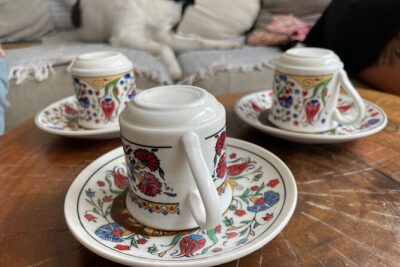
A traditional Turkish tea stop is included, at a local tea house. This is more than a comfort break. It’s a timing tool.
After the bazaar lanes, you’ve been on your feet and in your head. Tea resets your pace so you can enjoy what’s next—especially the big monuments where you’ll want to pay attention instead of just survive.
Blue Mosque inside: what the guide helps you notice
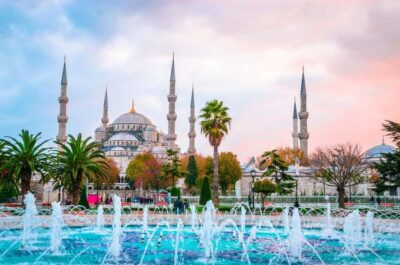
The highlight for many people is the Blue Mosque (Sultanahmet Mosque), with a guided visit inside. This is where the tour turns from sightseeing into learning-in-motion.
You’ll get guidance that helps you understand the space: how it reflects Byzantine and Ottoman influences nearby, how the interior design creates that specific visual glow, and what details are worth lingering on rather than snapping and rushing past.
The dress code is real
This is not a suggestion. For mosque entry, you’ll need:
- shoulders and legs covered
- for women, hair covered
Long, loose clothing is required, and entry may be refused if you don’t meet the dress code. If you don’t already have something workable, plan to bring a lightweight scarf and wear clothing that covers easily.
Ancient Hippodrome: seeing the Byzantine layer
After the mosque, the tour moves to the Ancient Hippodrome of Byzantine Constantinople. This stop is short compared to the Blue Mosque, but it’s doing important background work.
The Hippodrome is a reminder that this part of Istanbul wasn’t only Ottoman. It was a center of civic life long before the current skyline shaped itself around later empires. Having that context helps you make sense of why so many major sites cluster here—and why Istanbul’s street plan still feels like it’s built over older decisions.
If you’ve ever stared at a historic square and wondered what people did there, this is the kind of stop that turns blank space into something readable.
Half-day tour wrap-up: where you’ll land and what to do next
The half-day version ends in Sultanahmet with recommendations to keep exploring on your own. That ending matters because it gives you control after the structure of the tour.
You’ll have the mental map of the area. Now you can pick what you want to repeat or go deeper on: maybe you want more time in the bazaars, or you want to revisit the mosque area at different light, or you want to roam quieter lanes in a direction the guide suggested.
Half-day is ideal if you’re:
- short on time
- still fighting jet lag
- eager to get the main orientation done fast
It’s also a good choice if you plan to return later for slower visits.
Full-day upgrade (8.5 hours): Topkapi and Hagia Sophia, with entrances included
Upgrading to the full-day option is best if you want fewer “I’ll do it later” loose ends. This version adds:
- a sit-down lunch at a local-style lokanta
- Topkapi Palace, with guided exploration
- Hagia Sophia, with guided entry and visit
- all entrance fees included
Topkapi Palace: the Ottoman sultan’s world
Topkapi Palace is included as a guided visit, and that’s the key phrase. Walking through palace spaces without explanation can turn into “pretty rooms.” With a guide, you’re more likely to grasp what the palace was for and how Ottoman power shaped daily life.
Even if you don’t consider yourself a palace person, Topkapi tends to click because it’s a physical record of authority, culture, and architecture.
Hagia Sophia: the one everyone talks about
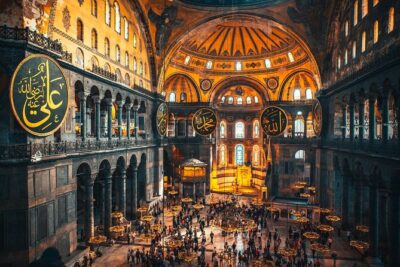
Then comes Hagia Sophia. This is an iconic stop, but the tour frames it so you’re not just staring at scale. You’ll get guided context that helps you interpret what you’re seeing and why the building carries such weight in Istanbul’s story.
Hagia Sophia works best when you slow down. With a guide, you can spend less time trying to “figure it out” and more time simply observing.
Price and value: what you’re really paying for at $70
$70 per person isn’t cheap if you compare it to a DIY walk. But for this kind of Old City day, the price makes sense when you break it down.
You’re paying for:
- a small-group, English-speaking local guide (not just a route map)
- guided time inside the Blue Mosque
- guided time through major sites that are hard to navigate intelligently (Grand Bazaar especially)
- and, in the full-day option, entrance fees included for Topkapi and Hagia Sophia plus a sit-down lunch
If you choose only the half-day, the value is strongest if you care about explanations and avoiding wasted time. If you’re trying to get a lot of major sights done with less planning stress, the full-day option is the better deal.
Also, the tour distance is manageable:
- half-day walking is about 2.4 km, mostly flat
- full-day is about 3.5 km, including palace and museum areas
That doesn’t mean it’s effortless (you’ll still deal with crowds and standing time), but it suggests the pace is planned around historic-site movement, not marathon walking.
Group size, pace, and the guide factor
This is a small-group tour with a maximum of 12, and private group options exist too. In practice, that group size matters for two reasons.
First, you can actually ask questions. Bazaar and mosque questions don’t always have quick answers, and you’ll learn faster when you can stop and ask. Second, the guide can adjust pacing around your needs—whether you want extra time for photos or you want to move on when you’re sighted out.
In past experiences with this tour style, guides like Fatih, Abdullah, and Emre Aldeniz were praised for strong English and real flexibility. Even when conditions (like weather) forced small schedule changes, the day stayed structured. That’s a sign the tour isn’t run like a strict checklist—it’s run like a guided walk with a human behind the explanation.
Who this tour suits best
I’d book this if you want:
- a clear orientation in Istanbul’s Old City
- guidance inside major sites like the Blue Mosque
- an efficient way to cover Sultanahmet in one day
- a choice between half-day and full-day depending on your energy
You might skip it if you:
- already know Istanbul well and want only offbeat areas far from the main monuments
- hate markets or have zero tolerance for sales stops
- don’t want to deal with mosque dress code rules
Should you book this tour?
If it fits your time, I think it’s a strong yes.
The half-day is a great first-day move: Sahaflar Book Bazaar → Grand Bazaar → tea → Blue Mosque → Hippodrome. It’s short enough to keep your momentum and structured enough that you’ll understand more when you wander on your own afterward.
Choose the full-day upgrade if you want the major hitters done with entrance fees included, plus lunch, in one guide-led flow. You’ll spend longer on your feet, but the payoff is fewer planning gaps and a smoother path through Topkapi and Hagia Sophia.
FAQ
What’s the difference between the half-day and full-day options?
The half-day tour lasts about 3.5 hours and focuses on Sultanahmet highlights like Sahaflar Book Bazaar, the Grand Bazaar, the Ancient Hippodrome, and the Blue Mosque. The full-day option lasts about 8.5 hours and adds lunch plus guided visits to Topkapi Palace and Hagia Sophia with entrance fees included.
How long is the half-day Sultanahmet walking tour?
The half-day tour duration is about 3.5 hours.
How long is the full-day Discovery upgrade?
The full-day upgrade runs about 8.5 hours.
What meals are included?
Tea is included during the half-day tour, and a sit-down lunch is included on the full-day tour. Additional food and drinks are not included.
Are entrance fees included?
For the full-day upgrade, entrance and guided visits are included for Topkapi Palace and Hagia Sophia.
What group size should I expect?
The tour is described as a small-group experience with a maximum group size of 12. Private group options are also available.
Where does the tour meet?
Meet at Pudding Shop Lale Restaurant, Divanyolu Caddesi No. 6 34400, Sultanahmet, Istanbul. It’s about a 3-minute walk from the Sultanahmet tram stop.
What is the dress code for the Blue Mosque?
You need shoulders and legs covered, and women must cover their hair. Long, loose clothing is required. Entry may be refused if you don’t meet the dress code.
What should I bring?
Wear comfortable shoes, since the tour is walking-focused.
Is the tour guided in English?
Yes. The tour includes an English-speaking local guide.
Can I cancel and get a refund?
Yes. Free cancellation is available up to 24 hours in advance for a full refund. You can also reserve now and pay later.
More Tours in Istanbul
- Best of Istanbul 1, 2 or 3-Day Private Guided Istanbul Tour★ 5.0 · 8,922 reviews
- Istanbul: Bosphorus Sightseeing Cruise Tour with Audio Guide★ 4.6 · 4,704 reviews
- Istanbul: Blue Mosque & Hagia Sophia Guided Tour w/ Tickets★ 4.8 · 3,600 reviews
- Istanbul: Blue Mosque, Hagia Sophia, & Old Town Walking Tour★ 4.8 · 2,372 reviews
- Istanbul: Princes Islands Tour with Heybeliada and Buyukada★ 4.4 · 2,305 reviews
- Istanbul: Basilica, Hagia Sophia, Blue Mosque Tour & Cruise★ 4.5 · 1,929 reviews
More Tour Reviews in Istanbul
- Istanbul: Bosphorus Dinner Cruise & Show with Private Table★ 4.8 · 62,058 reviews
- Istanbul: Daytime or Sunset Sightseeing Cruise & Audio Guide★ 4.8 · 14,430 reviews
- Istanbul: Bosphorus Dinner Cruise & Turkish Night Show★ 4.8 · 12,954 reviews
- Best of Istanbul 1, 2 or 3-Day Private Guided Istanbul Tour★ 5.0 · 8,922 reviews
- Istanbul: Basilica Cistern Fast-Track Entry and Audio Guide★ 4.6 · 7,521 reviews
- Istanbul: Hagia Sophia Skip-the-Line Ticket & Museum Option★ 3.7 · 4,958 reviews
Still in the Old City? Keep Going
- Istanbul: Private Turkish Bath, Massage, and Spa in Old City★ 4.6 · 3,225 reviews
- Istanbul: Blue Mosque, Hagia Sophia, & Old Town Walking Tour★ 4.8 · 2,372 reviews
- Istanbul Party Pub Crawl with Party Bus in Sultanahmet and Taksim★ 5.0 · 1,882 reviews
- Istanbul: Blue Mosque, Hagia Sophia & Sultanahmet Tour★ 5.0 · 566 reviews
- Princes Islands Blue Journey from Old City Istanbul★ 5.0 · 388 reviews
- Istanbul: Public, Private or VIP Hammam & Spa in Old City★ 4.8 · 387 reviews
Fresh off the boat: new Istanbul reviews

Sultanahmet & Old City Tours, compared.
 ★ 4.6Private Turkish Bath, Massage, and Spa in Old CityFrom $533,225 reviews
 ★ 4.8Blue Mosque, Hagia Sophia, & Old Town Walking TourFrom $712,372 reviews
 ★ 5.0Istanbul Party Pub Crawl with Party Bus in Sultanahmet and TaksimFrom $311,882 reviews
 ★ 5.0Blue Mosque, Hagia Sophia & Sultanahmet TourFrom $90566 reviews
 ★ 5.0Princes Islands Blue Journey from Old City IstanbulFrom $24388 reviews
 ★ 4.8Public, Private or VIP Hammam & Spa in Old CityFrom $41387 reviews
 ★ 5.0Istanbul Turkish Mosaic Lamp Workshop in Old Town – All IncludedFrom $30292 reviews
 ★ 5.0Guided Segway Tour of the Old TownFrom $59272 reviews
Browse the lists this tour appears in