
REVIEW · SULTANAHMET & OLD CITY TOURS
Istanbul: Short Guided Walking Tour of Old City Istanbul
Old City Istanbul hits fast. In just 3 hours, you get a tight hit list of UNESCO sights and the Byzantine heart of town, led by an English-speaking local expert guide in a small group (up to 10). I especially like that the tour includes an express security check, so you spend less time fussing and more time looking up and reading the city with your feet.
I like the balance of major monuments plus the “why it matters.” When you stop at Hagia Sophia, the Blue Mosque, and the Hippodrome landmarks like the Obelisk of Theodosius and the German Fountain of Wilhelm II, a good guide (like Tulay or Songu, based on past guide feedback) can connect the details—architecture, power, religion, and politics—into one clear story you can actually remember.
One consideration: Hagia Sophia entrance isn’t included on this tour. You’ll see it from the outside, which is great for orientation and photos, but it’s not the same as going in and exploring inside.
In This Review
- Key takeaways before you go
- Old City Istanbul in 3 hours: what the walk actually does
- Hagia Sophia from the outside: why this stop matters even without entry
- The Blue Mosque: Iznik tiles, 6 minarets, and what to notice
- A quick heads-up on Blue Mosque access
- Byzantine Hippodrome: the skyline for sports, politics, and power
- What you’ll see at the Hippodrome
- The Obelisk and Serpentine Column: small stones with big context
- German Fountain of Wilhelm II: a later chapter you won’t get from postcards
- How the guide experience can make or break this tour
- Group size, English-only, and pace: what it feels like on the ground
- Value check: is $41 fair for what you get?
- Logistics that affect your comfort (and your photos)
- When this tour fits best (and when it might not)
- Should you book it?
- FAQ
- FAQ
- How long is the Istanbul Old City walking tour?
- What is included in the price?
- Do I get to enter Hagia Sophia?
- How big is the group?
- What sights are included?
- What language is the tour guide?
- What should I bring and wear?
- Is there a cancellation policy?
Key takeaways before you go
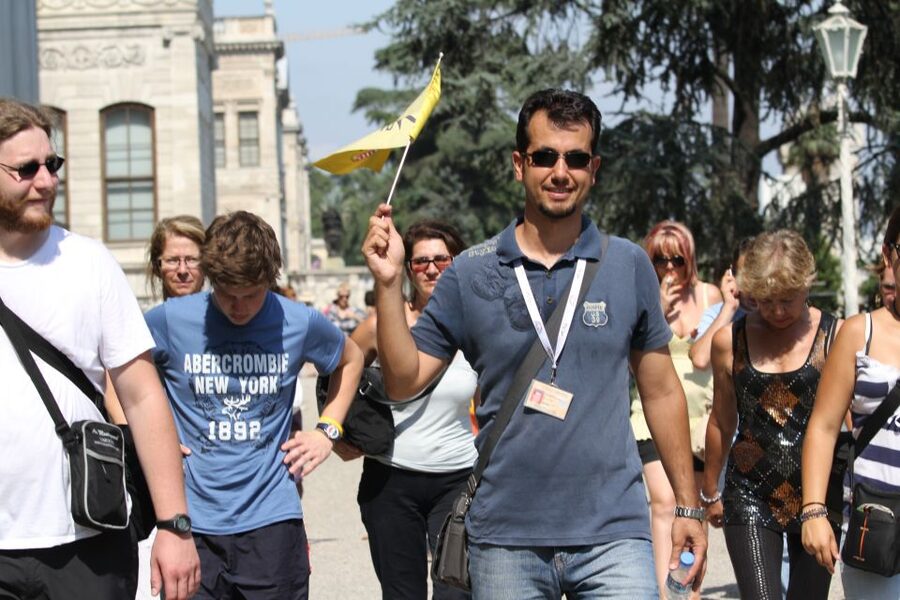
- Small-group pace: Limited to 10, so you can ask questions without shouting over a crowd.
- Express security included: Helps you avoid the longest waits near major sights.
- Hagia Sophia outside-only: Great for first-time orientation, but not a substitute for an interior visit.
- Blue Mosque across the square: You get the view and the design context, even if access can depend on closures.
- Hippodrome landmarks make history physical: Obelisk of Theodosius and more—tiny stops with big meaning.
More mornings around the old peninsula



Old City Istanbul in 3 hours: what the walk actually does
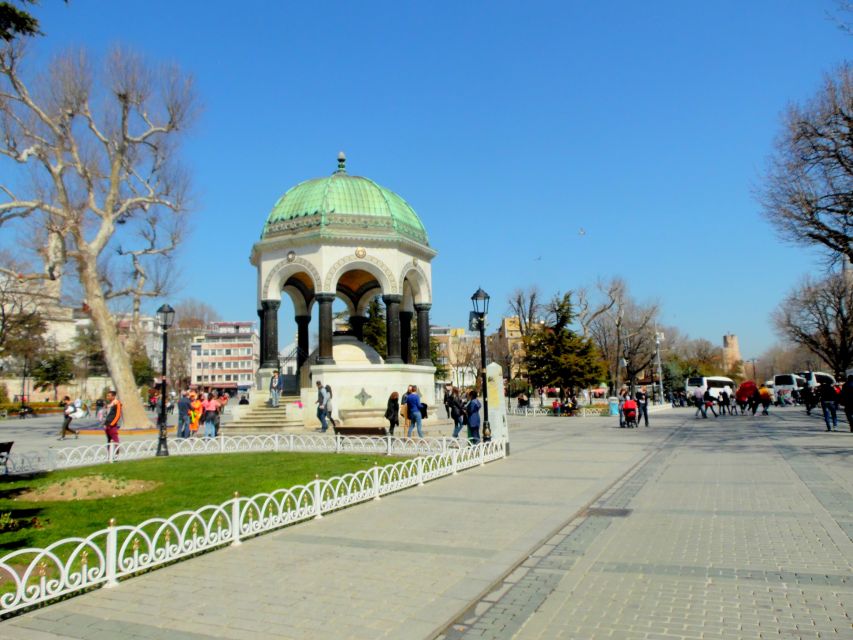
This is the kind of tour that helps you get bearings fast—not by cramming everything in, but by picking the right anchors. You start with the area around Hagia Sophia and the Blue Mosque, then shift to the Hippodrome, which is where you really start to feel how Constantinople (old Istanbul) worked: public spectacle by day, political theater by day, and religion braided into both.
At around 3 hours, the timing works well if you’re juggling multiple areas of Istanbul. It also works if you’re jet-lagged or just want a morning or afternoon win that doesn’t turn into a full-day ordeal. And because the group is small, your guide can slow down when something matters—like the way one building’s layout relates to the next street moment.
Hagia Sophia from the outside: why this stop matters even without entry
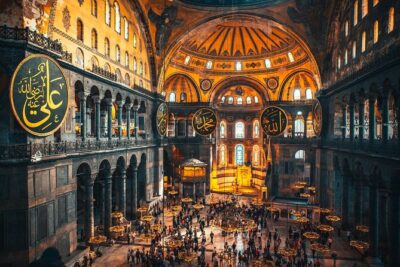
Hagia Sophia is one of those monuments where the outside view is still a lesson. You’re looking at a structure originally built as a basilica in the 6th century by Emperor Justinian, later becoming the largest cathedral in the world for nearly a thousand years. Then, after Constantinople fell, it was converted into a mosque in 1453 by Sultan Mehmet II.
That timeline matters because it changes how you read what you see. From the outside, you’ll notice the scale and massing first. With your guide’s context, you start seeing the layers: Byzantine ambition, then Ottoman transformation. You also get a practical advantage—this tour is designed to keep you moving and not stuck in ticket lines.
One clear benefit here: if you’re only doing one guided introduction to this whole area, the outside-focused approach can help you understand what to prioritize later. If you do want to go inside at some point, you’ll arrive already knowing what you’re looking for.
The Blue Mosque: Iznik tiles, 6 minarets, and what to notice
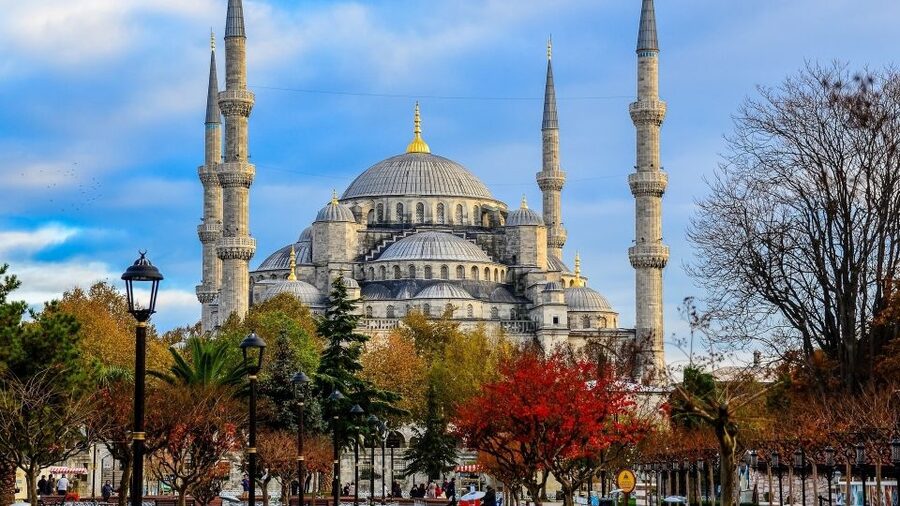
You’ll head to the great Blue Mosque, facing Hagia Sophia. It’s famous for its blue Iznik tiles and known for its 6 minarets, built in the name of Sultan Ahmet. Even if you’ve seen photos online, standing in the right viewpoint is different. Tiles, scale, and symmetry become clearer in person.
This mosque is also tied to the classical Ottoman imperial period. The name comes from those roughly 20,000 blue-toned Iznik tiles decorating the interior walls—an eye-catching idea even before you’re inside. If interior access is limited on your date, your guide can still help you interpret what you’re looking at from outside and how the architecture is meant to impress.
Worth putting side by side with this Istanbul pick:
- Istanbul: Blue Mosque, Hagia Sophia, & Old Town Walking Tour★ 4.8 · 2,372 reviews
- Istanbul: Fener Balat Half-day Guided Walking Tour★ 4.9 · 1,711 reviews
- Istanbul Highlights Small-Group Walking Guided Tour★ 4.5 · 1,346 reviews
- Istanbul: European and Asian Side Guided Foodie Walking Tour★ 4.9 · 1,038 reviews
A quick heads-up on Blue Mosque access
The tour notes that the Sultan Ahmed Mosque (Blue Mosque) has had visitor closures for renovations during a specific period in early 2018. Since closures can change, treat this as a reminder to check current opening hours close to your travel dates so you’re not surprised.
Byzantine Hippodrome: the skyline for sports, politics, and power
After the iconic mosques, the tour shifts into something you might not expect: the Byzantine Hippodrome. This was the center of major public life—chariot races, athletics, and political activity in old Istanbul. It’s the kind of place where history isn’t locked behind walls; it’s written into the ground plan and the surviving monuments.
This stop is valuable because it helps you connect the dots between emperors, crowds, and messaging. Public spectacles were never just entertainment. They were how authority performed itself. Once you understand that, the monuments start feeling less random.
What you’ll see at the Hippodrome
You’ll spot several decorated landmarks, including:
- Obelisk of Theodosius
- Serpentine Column
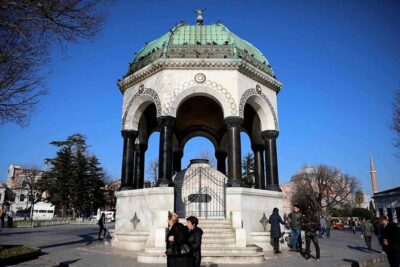
- German Fountain of Wilhelm II
Each one adds a layer of meaning. Even when you’re just taking photos, your guide’s job is to point out what makes these pieces historically distinct, so you leave knowing why they’re there, not just that they look old.
The Obelisk and Serpentine Column: small stones with big context
The Obelisk of Theodosius is the kind of artifact that turns a square into a timeline. The key value isn’t the object alone—it’s the way it anchors the Hippodrome’s original purpose as a stage for public spectacle and state visibility.
The Serpentine Column works differently. Its survival and continued fame give you a sense of how much of Byzantine and earlier material culture carried forward—reused, re-situated, and remembered. When your guide connects it to the Hippodrome setting, it becomes easier to imagine the full scene that once filled the space.
If you’re the type who likes “story objects” (things you can point at and discuss), these are good stops.
German Fountain of Wilhelm II: a later chapter you won’t get from postcards
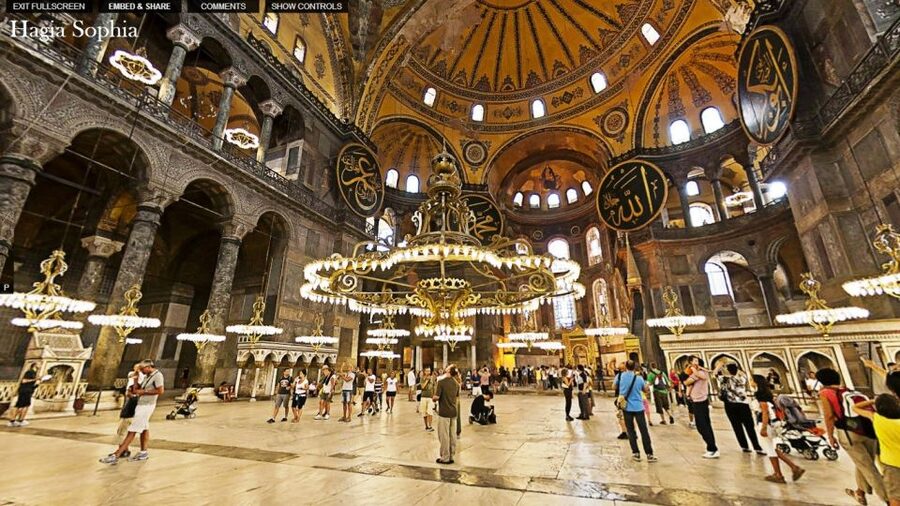
The German Fountain of Wilhelm II is a reminder that old neighborhoods aren’t frozen in time. The Hippodrome area accumulated monuments across different eras. This fountain gives you a later European-layer perspective, tied to diplomacy and international attention rather than only local imperial messaging.
That’s part of why this tour is a smart choice for first-timers. You get the big Byzantine Ottoman headline buildings, then you see how later influences left physical marks in the same space.
How the guide experience can make or break this tour
This tour lives or dies by interpretation. The monuments are impressive on their own, but the real payoff comes when your guide turns stone and tile into explanations you can carry around the rest of your Istanbul days.
Past guide feedback highlights a couple patterns I’d look for in a good experience: guides who are warm and helpful, and guides who have enough command to answer follow-up questions without rushing you. Names like Tulay and Songu show up in prior guide accounts, with praise for professionalism, friendliness, and strong history explanations.
Also, timing matters. In one case, the structure of a day tour schedule wasn’t explained at first, and there were questions about pickup timing and windows. That doesn’t mean the tour isn’t well-run—it means you should arrive ready to ask: what’s the exact start point, and what happens first?
Group size, English-only, and pace: what it feels like on the ground
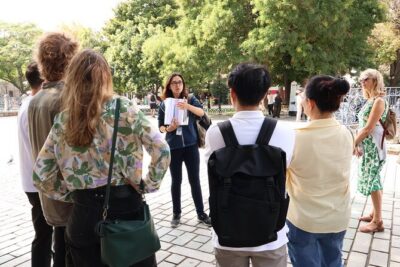
The tour is English-language, and the group is capped at 10 participants. That matters more than it sounds. Big groups can create a “follow the flag” experience. Small groups let the guide stop, clarify, and keep you from feeling like you’re on autopilot.
You should also expect a walk that balances viewpoint time with explanation time. The structure is built around key landmarks, and your guide typically gives you room at locations to take photos and look around before moving on.
Value check: is $41 fair for what you get?
For $41 per person and a 3-hour format, the value largely comes from four ingredients:
- A local expert guide for connecting the dots between Hagia Sophia, the Blue Mosque, and the Hippodrome area.
- Express security so you’re not losing prime viewing time to the slowest parts of access.
- Small group (up to 10), which usually improves the quality of the conversation.
- A focused route that doesn’t pretend you can cover the Old City like a full-day planner.
The main value trade-off is the Hagia Sophia limitation: you see it from outside. If interior access is your top priority, budget for separate arrangements. If you want orientation, context, and a clear first pass at the area’s most important monuments, this price can feel reasonable.
Logistics that affect your comfort (and your photos)
A couple practical points will make your day smoother:
- Wear comfortable shoes. This is a walking tour in a dense tourist zone where you may change pace as you move between stops.
- No luggage or large bags. The tour specifies you can’t bring them, so pack light.
- Expect a security check at the start of the sight area, but you’ll have the advantage of the express option included.
If you’re arriving from a hotel, note that some schedules involve coordination and a meeting point, so confirm the exact start location with the operator or guide contact. One prior experience described hotel pickup as happening as scheduled, while another had some confusion about timing and where to meet after the bus. That tells me you’ll be happiest if you double-check details the day before.
When this tour fits best (and when it might not)
This is a great match if:
- You’re a first-timer who wants a clean Old City orientation.
- You like stories that connect religion, politics, and public life.
- You want a guided walk that won’t swallow your whole day.
You might look elsewhere if:
- You specifically want Hagia Sophia interior access on the same booking.
- You’re trying to minimize walking and want a more “stay seated” style tour.
- You need guaranteed Blue Mosque interior time regardless of changing site access (since closures have been noted for past renovation periods).
Should you book it?
I’d book this if you want a compact, high-impact introduction to the sights that define central Istanbul’s Old City—and you care about understanding the meaning behind the landmarks. The small group size and express security help you spend more time looking and less time waiting. If you’re okay with Hagia Sophia being outside-only, this tour can be a smart, efficient first step before you decide what you want to revisit on your own.
FAQ
FAQ
How long is the Istanbul Old City walking tour?
The tour lasts 3 hours.
What is included in the price?
You get a local expert guide, plus skip the line through an express security check. Meals and drinks are not included.
Do I get to enter Hagia Sophia?
No. Hagia Sophia is viewed from the outside on this tour.
How big is the group?
It’s a small group limited to 10 participants.
What sights are included?
The tour includes Hagia Sophia (outside), the Blue Mosque, the Byzantine Hippodrome, the Obelisk of Theodosius, and the German Fountain of Wilhelm II.
What language is the tour guide?
The live tour guide is English.
What should I bring and wear?
Bring comfortable shoes for walking.
Is there a cancellation policy?
Yes. Free cancellation is available up to 24 hours in advance for a full refund, and you can reserve now and pay later.
More Tours in Istanbul
- Best of Istanbul 1, 2 or 3-Day Private Guided Istanbul Tour★ 5.0 · 8,922 reviews
- Istanbul: Bosphorus Sightseeing Cruise Tour with Audio Guide★ 4.6 · 4,704 reviews
- Istanbul: Blue Mosque & Hagia Sophia Guided Tour w/ Tickets★ 4.8 · 3,600 reviews
- Istanbul: Blue Mosque, Hagia Sophia, & Old Town Walking Tour★ 4.8 · 2,372 reviews
- Istanbul: Princes Islands Tour with Heybeliada and Buyukada★ 4.4 · 2,305 reviews
- Istanbul: Basilica, Hagia Sophia, Blue Mosque Tour & Cruise★ 4.5 · 1,929 reviews
More Tour Reviews in Istanbul
- Istanbul: Bosphorus Dinner Cruise & Show with Private Table★ 4.8 · 62,058 reviews
- Istanbul: Daytime or Sunset Sightseeing Cruise & Audio Guide★ 4.8 · 14,430 reviews
- Istanbul: Bosphorus Dinner Cruise & Turkish Night Show★ 4.8 · 12,954 reviews
- Best of Istanbul 1, 2 or 3-Day Private Guided Istanbul Tour★ 5.0 · 8,922 reviews
- Istanbul: Basilica Cistern Fast-Track Entry and Audio Guide★ 4.6 · 7,521 reviews
- Istanbul: Hagia Sophia Skip-the-Line Ticket & Museum Option★ 3.7 · 4,958 reviews
Still in the Old City? Keep Going
- Istanbul: Private Turkish Bath, Massage, and Spa in Old City★ 4.6 · 3,225 reviews
- Istanbul: Blue Mosque, Hagia Sophia, & Old Town Walking Tour★ 4.8 · 2,372 reviews
- Istanbul Party Pub Crawl with Party Bus in Sultanahmet and Taksim★ 5.0 · 1,882 reviews
- Istanbul: Blue Mosque, Hagia Sophia & Sultanahmet Tour★ 5.0 · 566 reviews
- Princes Islands Blue Journey from Old City Istanbul★ 5.0 · 388 reviews
- Istanbul: Public, Private or VIP Hammam & Spa in Old City★ 4.8 · 387 reviews
Fresh off the boat: new Istanbul reviews


Sultanahmet & Old City Tours, compared.
 ★ 4.6Private Turkish Bath, Massage, and Spa in Old CityFrom $533,225 reviews
 ★ 4.8Blue Mosque, Hagia Sophia, & Old Town Walking TourFrom $712,372 reviews
 ★ 5.0Istanbul Party Pub Crawl with Party Bus in Sultanahmet and TaksimFrom $311,882 reviews
 ★ 5.0Blue Mosque, Hagia Sophia & Sultanahmet TourFrom $90566 reviews
 ★ 5.0Princes Islands Blue Journey from Old City IstanbulFrom $24388 reviews
 ★ 4.8Public, Private or VIP Hammam & Spa in Old CityFrom $41387 reviews
 ★ 5.0Istanbul Turkish Mosaic Lamp Workshop in Old Town – All IncludedFrom $30292 reviews
 ★ 5.0Guided Segway Tour of the Old TownFrom $59272 reviews
Browse the lists this tour appears in