
REVIEW · SHOPPING TOURS
Roman Aqueduct, Sehzade Mosques &Women’s Market
A quiet Istanbul day can beat the crowds fast. This small-group route trades the usual postcard loop for Şehzade Mosque calm, a proper walk under Roman aqueducts, and real neighborhood food like boza and Buryan kebap. The one thing to note is that this isn’t a sit-and-stare tour: you’ll do short walks and use public transit.
What I like most is the way it makes Fatih feel lived-in, not staged. You’ll also get a licensed English guide who can keep the pace friendly; I’ve heard names like Salih and Onder in past groups, and both styles tend to mean no rushing through the mosques. If you’re only in Istanbul for the biggest headline sights, the quieter, local focus might not scratch that itch.
In This Review
- Key highlights to look forward to
- Why Fatih beats the tourist loop on this 3-hour Istanbul walk
- German Fountain meeting point and the simple tram plan
- Şehzade Mosque: quiet scale, and a story that sticks
- Vefa’s boza stop: the thick drink with staying power
- Valens Aqueduct walk-bys: the Roman city still running beneath you
- Zeyrek Mosque and the Pantokrator complex (1118 A.D.)
- Neighborhood market time: Eastern and Southeastern flavors in Fatih
- A possible chai pause with Süleymaniye views
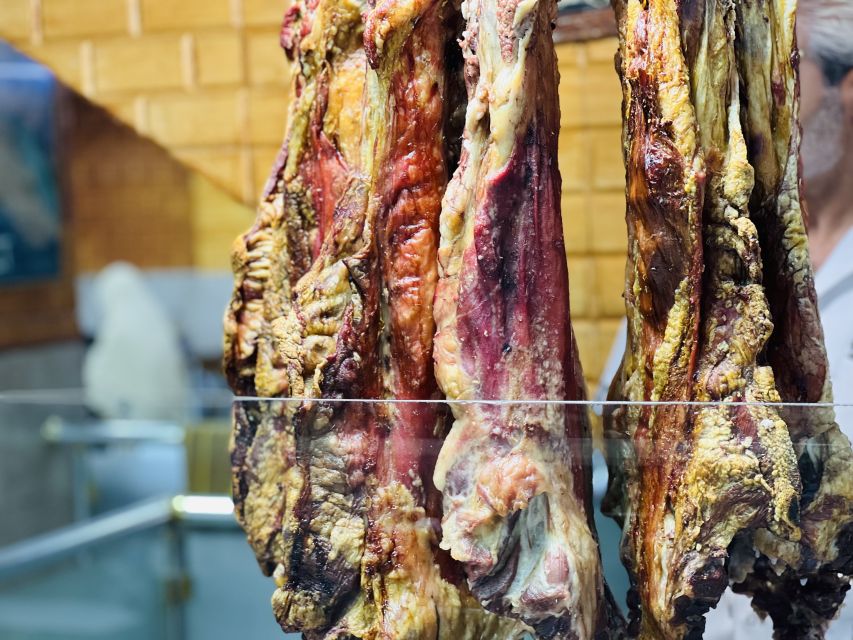
- Buryan kebap lunch: lamb baked for about 5 hours
- Price and logistics: is $71 good value for Istanbul?
- Who should book this tour (and who might skip it)
- Should you book Roman Aqueduct, Şehzade Mosques & Women’s Market?
- FAQ
- What’s included in the tour price?
- Is lunch included, and how much should I budget?
- Where is the meeting point?
- How long is the tour?
- How big is the group?
- Do I need a scarf or specific clothing?
Key highlights to look forward to
- Şehzade Mosque: a 16th-century complex tied to a son who died mysteriously
- Boza in Vefa: a thick, fermented drink served in the same place for 150 years
- Valens aqueduct walk-bys: Roman infrastructure from the 6th century, right in your path
- Zeyrek Mosque / Pantokrator complex (1118 A.D.): an old church site turned mosque
- Kurdish market flavors: food that leans Eastern and Southeastern Turkish
- Buryan kebap: lamb baked in an underground clay oven for about 5 hours
Worth putting side by side with this Istanbul pick:
Why Fatih beats the tourist loop on this 3-hour Istanbul walk
Fatih is where Istanbul starts to feel like a real city again. Instead of standing in the same few squares, you move through residential streets, local commerce, and mosque neighborhoods where most people are busy living their day. That shift matters.
This tour focuses on the “in-between” Istanbul: places you could technically find on your own, but that are much easier with a guide who can explain what you’re looking at and where to stand. For a short 3-hour experience, it’s smart value.
The balance here is also good. You get monumental-looking sights like the aqueduct and the mosque complex, but you also get the everyday stuff: boza, market browsing, and an honest meal.
German Fountain meeting point and the simple tram plan
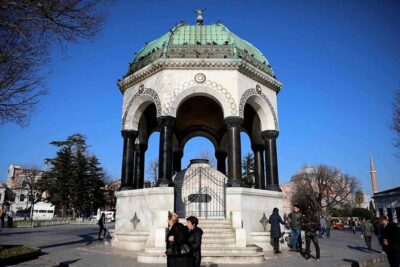
You start at German Fountain (Alman Çeşmesi) in Fatih. It’s a handy landmark and not buried inside a maze of small streets. If you’re arriving from Sultanahmet, the easiest approach is to go to the Sultanahmet tram area first, then follow the on-foot instructions: walk down the hill on the right, toward Firuz ağa little mosque, turn right onto the Hippodrome square, and look for the green-domed fountain ahead.
The tour uses public transit, and that’s a big reason it works in Istanbul traffic. The tram to Fatih and the return back toward Sultanahmet are included, which saves you the hassle of figuring it out mid-day.
Practical tip: wear comfortable shoes. The walks are usually 5–15 minutes at a time, but you’ll still want good soles after a few short segments. Also bring a scarf, since mosques can require it.
Şehzade Mosque: quiet scale, and a story that sticks
One of the main stops is the Şehzade Mosque, built for the son of the Ottoman Sultan—specifically noted as a son who died mysteriously. Even if you don’t catch every detail of the story, the setting communicates something: this isn’t a place built for performance. It’s a place for prayer and community.
What you’ll likely notice during the visit is the contrast between the mosque complex and the surrounding neighborhood. You get architectural focus without the constant crowd pressure you see at the headline sights. That’s the point of this tour: you spend time where the city actually slows down.
There’s also a small but real perk: skip-the-line access via a separate entrance is included. That means less dead time and more minutes spent looking closely.
Worth putting side by side with this Istanbul pick:
- Istanbul: Hagia Sophia, Blue Mosque, Cistern & Bazaar Tour★ 4.9 · 189 reviews
- Istanbul: Hagia Sophia, Blue Mosque, and Grand Bazaar Tour★ 4.5 · 162 reviews
- Culinary Backstreets of the Bazaar Quarter★ 5.0 · 118 reviews
- Istanbul Old City: Basilica Cistern – Blue Mosque – Grand Bazaar★ 5.0 · 112 reviews
Vefa’s boza stop: the thick drink with staying power
Then you shift to something that feels like Istanbul by smell and texture: boza in Vefa. This tour aims you off the main tourist trails so the boza stop feels more like a local habit than a box checked on a list.
Boza isn’t just a drink here. It’s described as being served at the same place for 150 years, which is a huge clue about how deep the tradition runs. Expect a thick, lightly fermented, slightly tangy flavor. It’s the kind of sip that can feel oddly refreshing when the day is cool or you need a break from walking.
If you’re someone who enjoys food stops more than museum stops, this is your moment. And if you’ve never tried boza, you’ll learn quickly whether you love it or just find it interesting.
Valens Aqueduct walk-bys: the Roman city still running beneath you
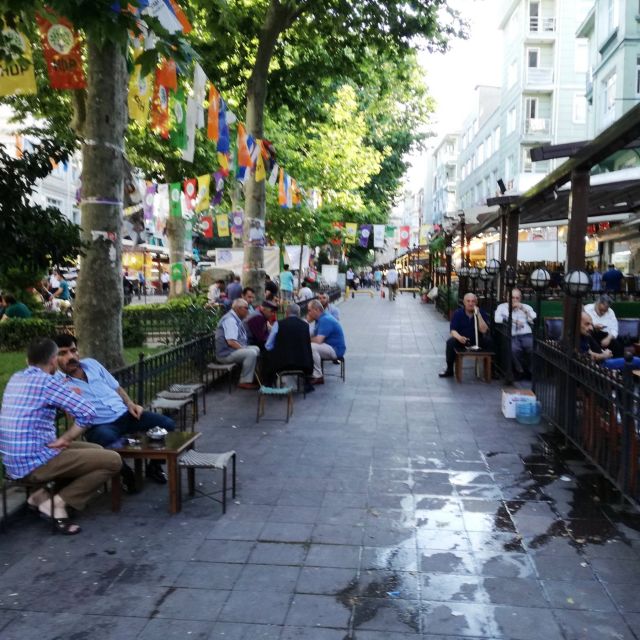
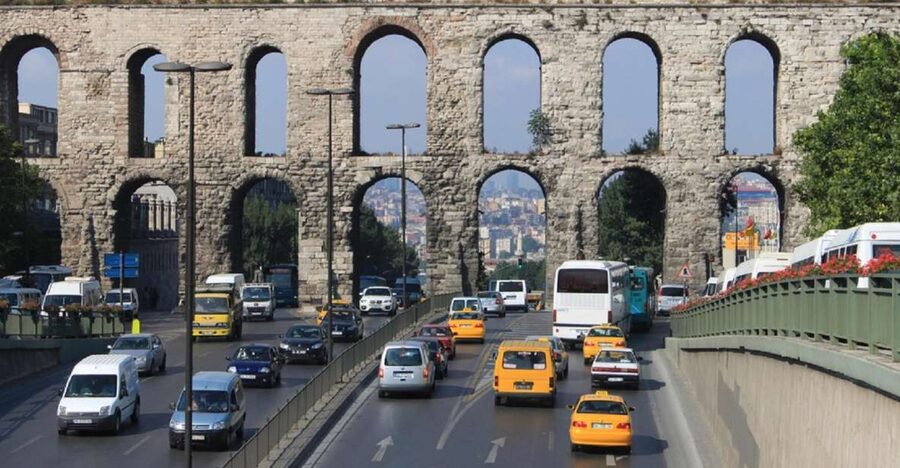
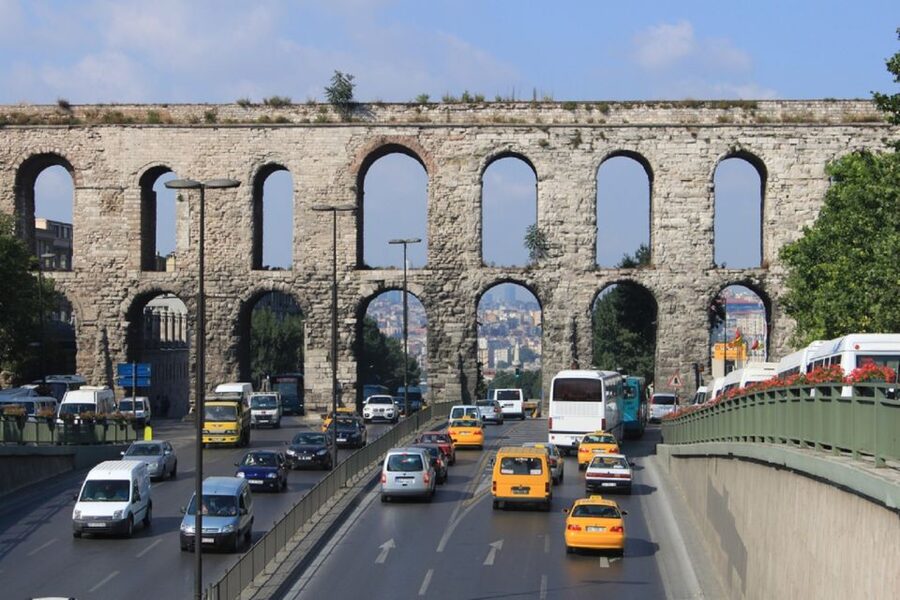
This is one of those “wait, that’s right here?” experiences. You walk by Roman aqueducts linked to the city’s water system, described here as dating to the 6th century A.D. The Valens Aqueduct name matters because it’s not decorative. It’s functional infrastructure that shaped daily life long before today’s streets were drawn.
As you move along the route, you’ll probably notice how the aqueduct feels both monumental and oddly close to ordinary life. You’re not touring a museum exhibit; you’re walking beside something that still reads as part of the city’s bones.
One practical bonus: the stop is integrated into walking time rather than treated like a separate sightseeing detour. That keeps the 3-hour schedule tight and focused.
Zeyrek Mosque and the Pantokrator complex (1118 A.D.)
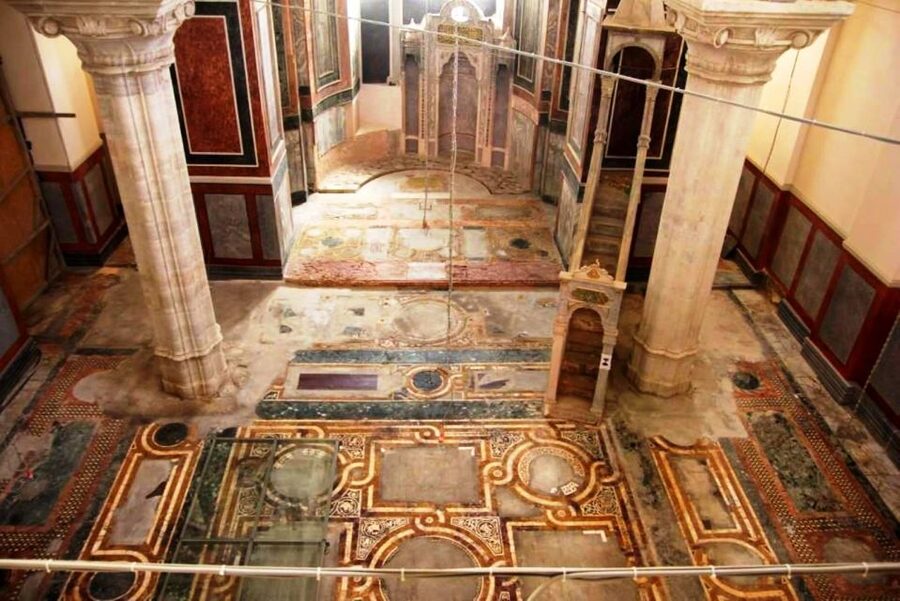
Next comes Zeyrek Mosque, described as a former Pantokrator church complex built in 1118 A.D. This is where Istanbul’s layers get visible without needing a lecture that lasts an hour.
The idea is simple: you look at a religious site that once belonged to one era’s religious identity and then shifted into another. Even if architecture is not your main interest, these transitions help you understand why Istanbul feels different from other European-style cities. It’s not one storyline. It’s several.
You also get the practical advantage of quieter timing. This tour is designed so you can be in the mosque area without being stuck in the thickest tourist clusters.
Neighborhood market time: Eastern and Southeastern flavors in Fatih
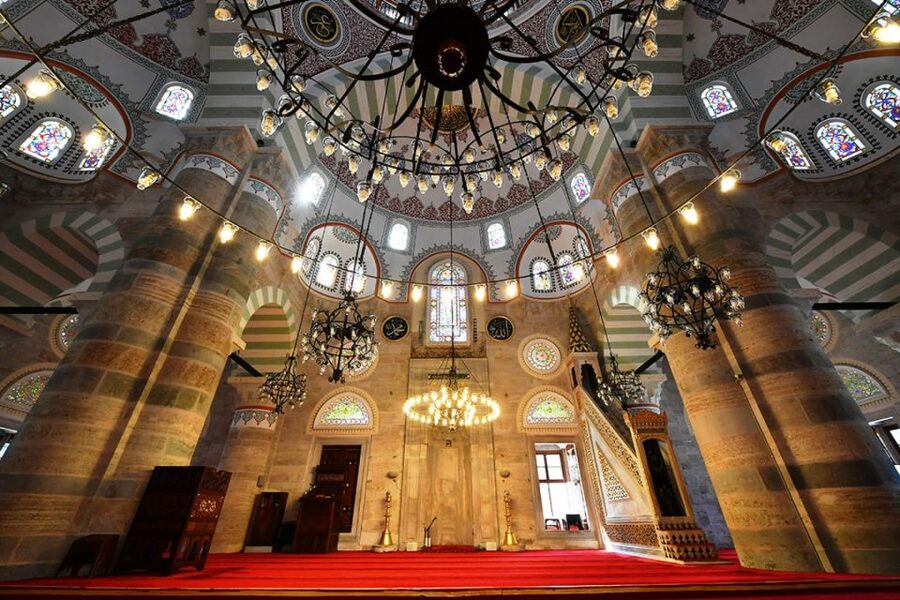
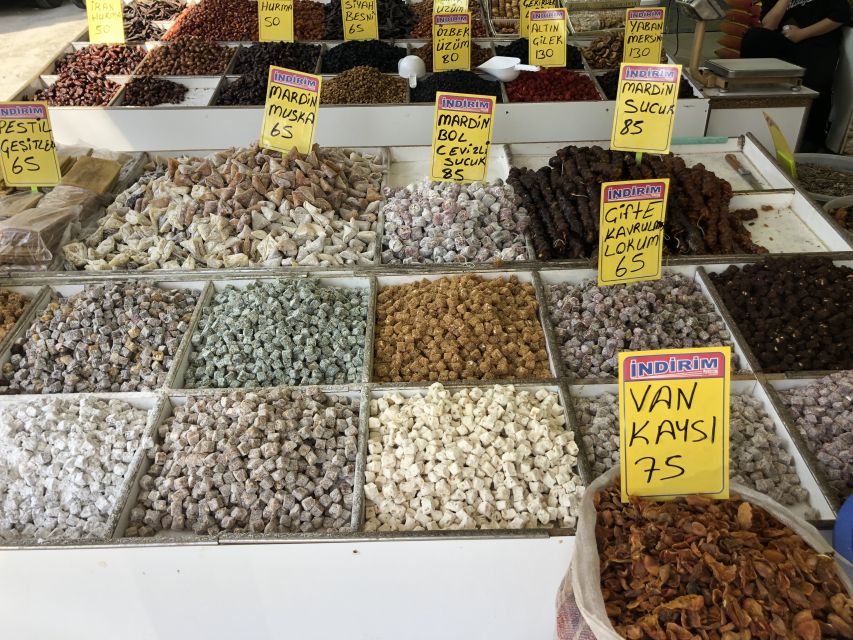
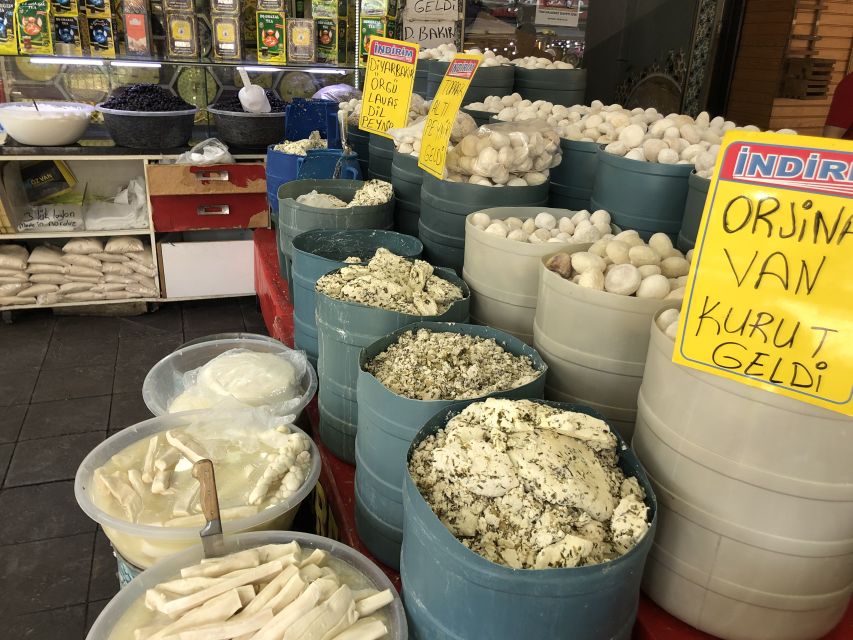
After the big stone stops, the tour turns toward the human stuff—market streets and local tastes. You’ll enjoy a walk in a neighborhood market where the focus is food associated with Eastern Turkey and the broader Eastern and Southeastern regions.
This part is more than shopping. It’s how you see what’s normal here. You’ll likely pass stalls and casual eateries that feel busy because locals treat them like, well, daily options. That’s a big part of why small group tours can feel worth it: the guide helps you notice what you’d otherwise walk past.
If you want souvenirs, this can be the moment. If you want lunch clues, it’s even better. Either way, plan to linger a bit. Markets don’t move at museum speed.
A possible chai pause with Süleymaniye views
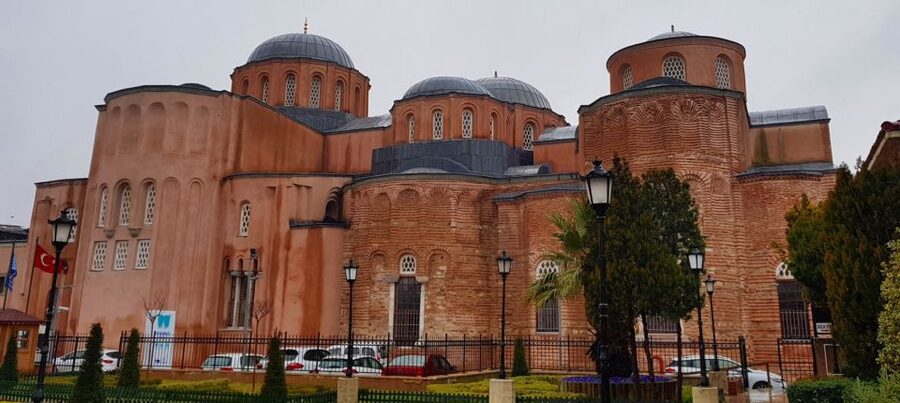
There’s room in the route for a relaxed break. In past departures, guides have added time for tea (chai) in a small garden setting with views toward Süleymaniye Mosque. I can’t promise it every time, but it fits the tour’s style: short stops, calm pacing, and attention to angles you can’t get while rushing.
If you do get a tea pause, consider it part of the value. In a 3-hour tour, those little pauses keep the day from turning into a sprint.
Buryan kebap lunch: lamb baked for about 5 hours
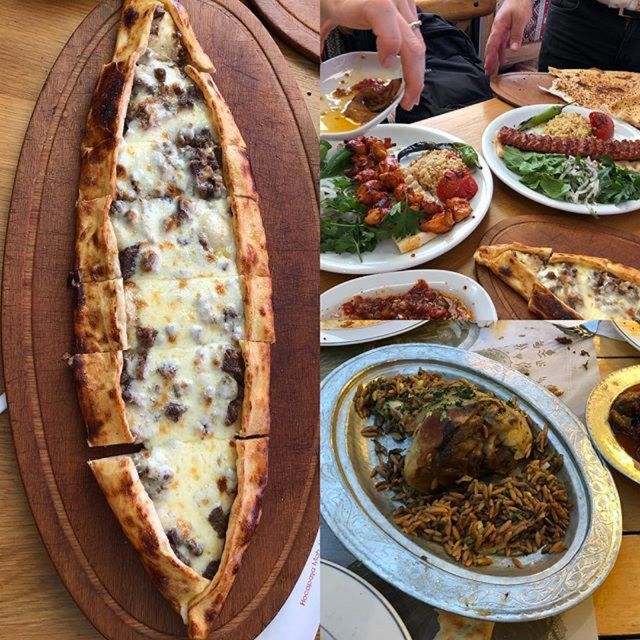
The meal highlight is Buryan kebap, described as lamb baked in an underground clay oven for a slow cook of about 5 hours. This is the kind of cooking method that changes the flavor and texture, because time does the heavy lifting.
Lunch is not included in the tour price. Plan around 10–15 USD per person if you choose to eat. For many people, that extra cost is worth it because the restaurant choice is positioned as non-touristy and tied to regional Kurdish cuisine.
What you might see on the plate: a slow-baked lamb dish paired with rice. One past group also mentioned a pumpkin dessert that landed very well. Again, menus can vary, but the key idea stays the same: this isn’t fast-food kebap.
If you’re deciding whether to add lunch, here’s my practical take: if you’re already paying to be in Fatih for the food elements, skipping lunch can feel like leaving the best part of the story out. But if you’re on a strict food budget or you’re already full from Istanbul snacks, the tour’s included boza still makes it enjoyable.
Price and logistics: is $71 good value for Istanbul?
At about $71 per person for 3 hours, the math works when you care about two things: guided navigation and included food. You’re getting a licensed English-speaking guide, boza, and tram tickets to Fatih and back toward Sultanahmet, plus VAT.
Lunch costs extra (10–15 USD pp), but you’re not buying lunch out of your own time planning. The guide handles the restaurant choice and timing so you’re not hunting while everyone else is trying to stay on schedule.
The small-group size—limited to 10 participants—also matters. In Istanbul, bigger groups get choppy fast. With a smaller group, you’re more likely to keep momentum without feeling herded.
Possible consideration: this is built on walking and public transport. If you have mobility limits, you’ll want to think carefully. The walks are described as easy, but they still add up.
Who should book this tour (and who might skip it)
This tour is a strong fit if you want Istanbul beyond the obvious. You’ll enjoy it most if you care about:
- Quiet time in mosques and neighborhood streets
- Food culture like boza and Kurdish Buryan kebap
- Roman ruins that you experience on foot, not behind glass
- A guide who can explain what you’re seeing while you’re actually there
Skip it or adjust your expectations if you only want the biggest headline sites and don’t enjoy neighborhoods, markets, or shorter walking segments.
Should you book Roman Aqueduct, Şehzade Mosques & Women’s Market?
I’d book it if you want a concentrated taste of real Fatih: Şehzade Mosque, Zeyrek Mosque (1118 A.D.), Valens aqueduct, and the kind of meal that takes its time like it means it. The value is helped by the included boza and tram tickets, and the small group keeps it human-scale.
If your idea of Istanbul is nonstop top sights, you might feel it’s too calm. But if you like the city’s side streets and the food that locals actually eat, this is exactly the sort of route that makes a short visit feel bigger.
FAQ
What’s included in the tour price?
The tour includes a licensed English-speaking guide, boza drink, tram tickets to Fatih and back to Sultanahmet, professional licensed guiding, and VAT. Lunch is not included.
Is lunch included, and how much should I budget?
Lunch is not included. It’s typically around 10–15 USD per person if you choose to eat.
Where is the meeting point?
You meet at German Fountain (Alman Çeşmesi) in Fatih, at Binbirdirek, Atmeydanı Cd., 34122 Fatih/İstanbul.
How long is the tour?
The tour duration is 3 hours.
How big is the group?
This is a small group limited to 10 participants.
Do I need a scarf or specific clothing?
You should bring comfortable shoes and a scarf, since the tour includes mosque visits.
More Markets in Istanbul
- Istanbul Grand Bazaar: From Rooftops to the Secret Passages★ 4.8 · 337 reviews
- Istanbul: Hagia Sophia, Blue Mosque and Grand Bazaar Tour★ 4.5 · 222 reviews
- Small-Group Bosphorus Cruise and Istanbul’s Egyptian Bazaar★ 3.5 · 208 reviews
- Istanbul: Hagia Sophia, Blue Mosque, Cistern & Bazaar Tour★ 4.9 · 189 reviews
- Istanbul: Hagia Sophia, Blue Mosque, and Grand Bazaar Tour★ 4.5 · 162 reviews
- Culinary Backstreets of the Bazaar Quarter★ 5.0 · 118 reviews
More Shopping Tours in Istanbul
- Istanbul Grand Bazaar: From Rooftops to the Secret Passages★ 4.8 · 337 reviews
- Istanbul: Hagia Sophia, Blue Mosque and Grand Bazaar Tour★ 4.5 · 222 reviews
- Small-Group Bosphorus Cruise and Istanbul’s Egyptian Bazaar★ 3.5 · 208 reviews
- Istanbul: Hagia Sophia, Blue Mosque, Cistern & Bazaar Tour★ 4.9 · 189 reviews
- Istanbul: Hagia Sophia, Blue Mosque, and Grand Bazaar Tour★ 4.5 · 162 reviews
- Culinary Backstreets of the Bazaar Quarter★ 5.0 · 118 reviews
More Tour Reviews in Istanbul
- Istanbul: Bosphorus Dinner Cruise & Show with Private Table★ 4.8 · 62,058 reviews
- Istanbul: Daytime or Sunset Sightseeing Cruise & Audio Guide★ 4.8 · 14,430 reviews
- Istanbul: Bosphorus Dinner Cruise & Turkish Night Show★ 4.8 · 12,954 reviews
- Best of Istanbul 1, 2 or 3-Day Private Guided Istanbul Tour★ 5.0 · 8,922 reviews
- Istanbul: Basilica Cistern Fast-Track Entry and Audio Guide★ 4.6 · 7,521 reviews
- Istanbul: Hagia Sophia Skip-the-Line Ticket & Museum Option★ 3.7 · 4,958 reviews
Fresh off the boat: new Istanbul reviews
Shopping Tours, compared.
 ★ 4.8Istanbul Grand Bazaar: From Rooftops to the Secret PassagesFrom $31337 reviews
 ★ 4.5Hagia Sophia, Blue Mosque and Grand Bazaar TourFrom $35222 reviews
 ★ 3.5Small-Group Bosphorus Cruise and Istanbul’s Egyptian BazaarFrom $90208 reviews
 ★ 4.9Hagia Sophia, Blue Mosque, Cistern & Bazaar TourFrom $36189 reviews
★ 4.5Hagia Sophia, Blue Mosque, and Grand Bazaar TourFrom $25162 reviews
★ 4.9Hagia Sophia, Blue Mosque, Cistern & Bazaar TourFrom $36189 reviews
★ 4.5Hagia Sophia, Blue Mosque, and Grand Bazaar TourFrom $25162 reviews
 ★ 5.0Culinary Backstreets of the Bazaar QuarterFrom $145118 reviews
 ★ 5.0Istanbul Old City: Basilica Cistern – Blue Mosque – Grand BazaarFrom $60112 reviews
 ★ 4.5Morning Istanbul: Half-Day Tour with Blue Mosque, Hagia Sophia, Hippodrome and Grand BazaarFrom $141103 reviews
Browse the lists this tour appears in