
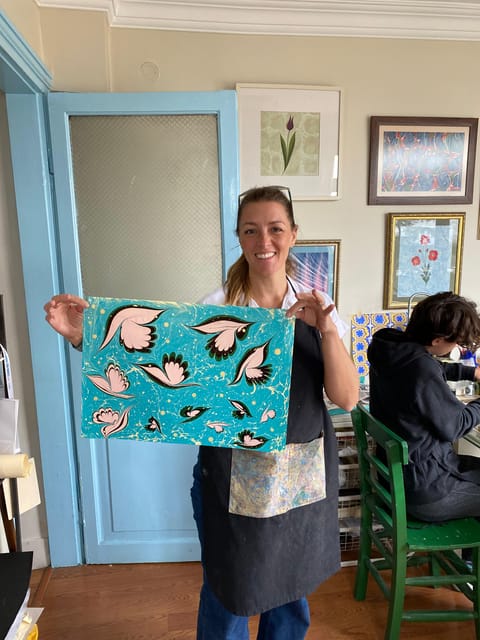
REVIEW · TURKISH CRAFT WORKSHOPS
Turkish Marbling Paper Ebru Art Workshop
Finger on water, then paper magic.
This Turkish marbling (Ebru) workshop turns a busy Istanbul day into something slow and calming, with a Bosphorus view from the studio and rooftop. You’ll work on real, traditional marbling designs in a hands-on class that ends with paper art you can keep.
I love that you’re taught multiple traditional Ebru patterns (stone, back and forth, comb design, plus flower designs like tulip, hyacinth, and carnation). I also like the warm pacing: you’re offered tea and coffee, and the instruction is patient enough to help beginners get good results fast.
One catch: the studio is on the 3rd floor with no elevator, so stairs can be an issue for elderly visitors or anyone who needs step-free access.
In This Review
- Key Things You’ll Actually Care About
- Ebru Marbling in Istanbul: Why This Feels So Relaxing
- Where You’ll Find It: Sultanahmet, Bosphorus Views, and the 3rd-Floor Reality
- The 2-Hour Plan: What You Do, in the Order That Builds Confidence
- 1) Get oriented to Ebru materials
- 2) Learn traditional marbling designs and techniques
- 3) Practice the technique until it clicks
- 4) Finish with your own freestyle moment
- 5) Leave with marbled paper you made
- Meet the Instructors: Betül and Ali’s Teaching Style
- Tea, Atmosphere, and the Part That Makes It Feel Like Istanbul
- Taking Your Ebru Art Home: Drying, Keepsakes, and Planning Your Timing
- Price and Value: Is $64 Fair for an Istanbul Workshop?
- Who Should Book This (and Who Might Skip It)
- Tips to Get the Best Results Without Stress
- Go in ready to repeat
- Take your time with questions
- Plan your timing with drying in mind
- Should You Book the Turkish Marbling Paper Ebru Workshop?
- FAQ
- How long is the Turkish Marbling Paper Ebru Art Workshop?
- How much does it cost?
- What’s included in the price?
- Where is the meeting point?
- Who teaches the workshop and what languages are available?
- How big is the class?
- Can I take my artwork home?
Key Things You’ll Actually Care About
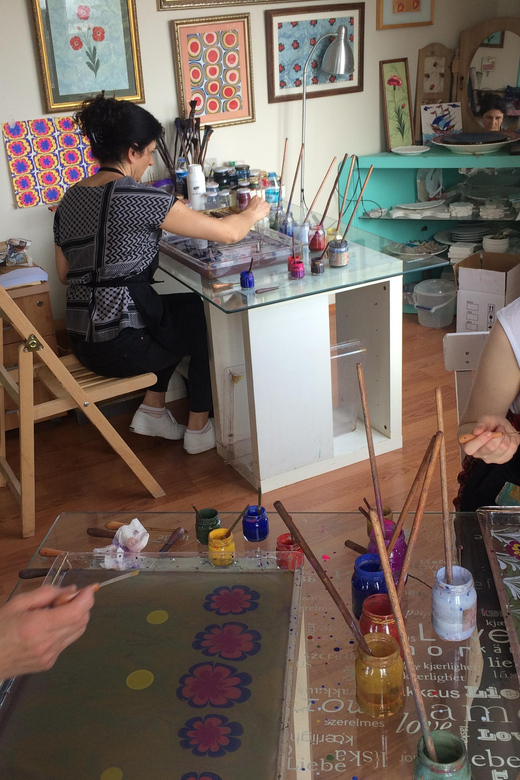
- You learn several Ebru techniques: stone, back and forth, comb design, and flower patterns (tulip, hyacinth, carnation)
- You produce multiple marbled pieces to take home after they dry
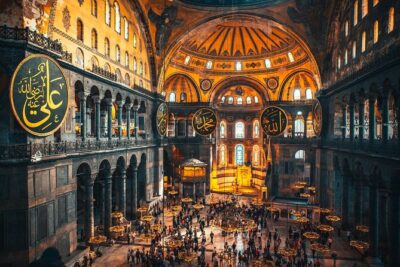
- Sultanahmet location near major sights: Topkapi Palace is about a two-minute walk, with Hagia Sophia and the Blue Mosque nearby
- Up to 10 people in the class, so you get attention while you work
- The studio and rooftop views give you a break from the table work (Bosphorus watching is part of the appeal)
- Tea and coffee are included, making the class feel more like a hosted afternoon than a rushed activity
Make something to carry home

Ebru Marbling in Istanbul: Why This Feels So Relaxing
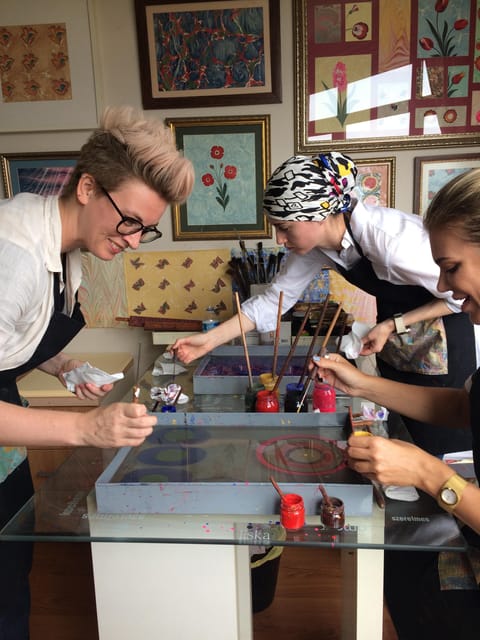
Ebru is one of those crafts where the process naturally slows your brain down. You’re not trying to copy a photo. You’re learning a set of techniques, then letting the pattern develop as you practice. In a city full of stone streets and crowd energy, that kind of focus is a real relief.
The biggest reason this workshop works is the mix of structure and calm. You’re taught traditional designs step by step, then you apply them yourself. That keeps it from feeling random, but it still leaves enough room for you to make it your own. People leave with the satisfying proof of that: finished marbled papers, not just a souvenir shop stop.
I also like the mindfulness angle without turning it into a lecture. The whole experience has a meditative, inspiring vibe: sit, concentrate, learn the method, then repeat until your hands get the hang of it. It’s the rare activity that can fit alongside sightseeing without exhausting you.
Where You’ll Find It: Sultanahmet, Bosphorus Views, and the 3rd-Floor Reality
The meeting point is in Sultanahmet (Ishakpasa Street No.6), on the 3rd floor, about two minutes from Topkapi Palace. That location is practical: you can pair it with visits to Hagia Sophia and the Blue Mosque without wasting time on long transfers.
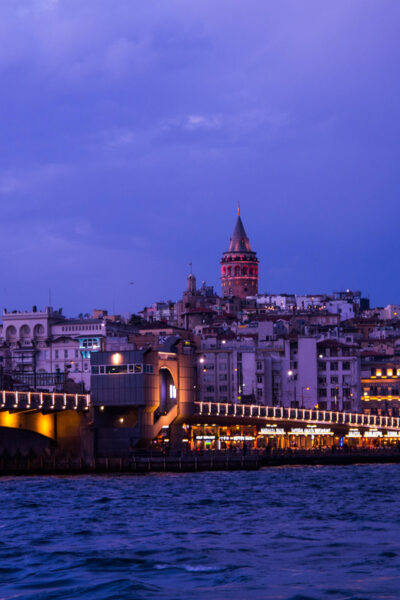
The studio setup is also a big part of the experience. You’re promised strong views of the Bosphorus, and multiple accounts describe a rooftop and terrace space that lets you look out over Istanbul after you’ve been working at the table. This matters because it turns the class from a two-hour indoor task into something that feels connected to the city around you.
The downside is simple: no elevator access. If you’re traveling with mobility limitations, or you’re likely to struggle on stairs, take this seriously before booking. Even if you’re fine getting around day-to-day, stairs plus carrying your way back to your hotel can make the day harder than it sounds.
The 2-Hour Plan: What You Do, in the Order That Builds Confidence
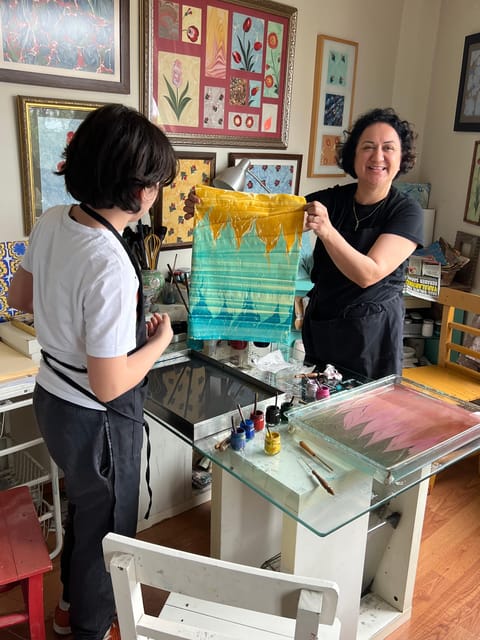
This class runs two hours and is designed so you leave with something real and personal. With a maximum group size of 10, it stays hands-on rather than lecture-heavy.
Here’s the typical flow you can expect:
Worth putting side by side with this Istanbul pick:
- Istanbul: Turkish Coffee Making and Fortune Telling Workshop★ 4.9 · 1,308 reviews
- Istanbul: Perfume Workshop at Old Wooden Mansion, 80+ Oils★ 4.9 · 1,237 reviews
- Istanbul: Turkish Mosaic Lamp Workshop in Galata – All Included★ 5.0 · 636 reviews
- Istanbul: Turkish Coffee Making and Fortune Telling Workshop★ 4.9 · 451 reviews
1) Get oriented to Ebru materials
You’ll learn about the materials used for Turkish marbling paper. The point isn’t to overwhelm you with a science lesson—it’s to help you understand what each element does so your hands can make decisions confidently.
2) Learn traditional marbling designs and techniques
This is the heart of the workshop. You’ll work through key patterns, including:
- Stone
- Back and forth
- Comb design
- Flowers such as tulip, hyacinth, and carnation
These aren’t just names for a brochure. They’re the building blocks that give your marbling a recognizable style—so your final pieces feel like authentic Ebru work, not random ink swirls.
3) Practice the technique until it clicks
You’re not expected to master everything instantly. The instruction is patient and encourages repetition, which is exactly how a craft like this makes sense. Several accounts highlight that the teaching goes in steps: starting simpler and gradually moving to more detailed work.
4) Finish with your own freestyle moment
At the end, you’ll have time to bring it together—using what you learned to create a final piece. This is usually the part where the workshop shifts from learning to expression. You’re still guided, but your hand gets to decide what your pattern looks like.
5) Leave with marbled paper you made
You can take your artwork once it dries. In practice, drying means you may need to plan for a second step after the class, so don’t make this your very last activity of the trip.
Meet the Instructors: Betül and Ali’s Teaching Style
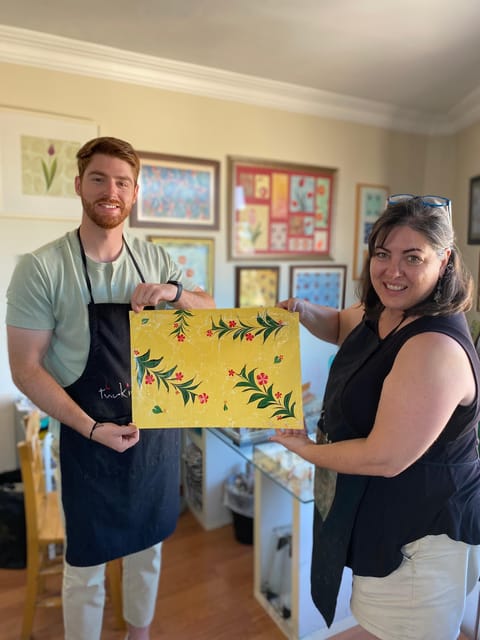
The workshop is run by Turkish Arts by Betul, and the instructors you’ll hear about most are Betül and Ali. They teach in English and Japanese, which is a real plus if you’re traveling with someone who prefers one of those languages.
A recurring theme in their teaching is patience. The class is built for beginners, and the guidance is gentle but clear: demonstrations first, then you try it. If you mess up, you keep going. That’s crucial because Ebru is one of those arts where learning the method is more important than getting everything perfect on the first attempt.
Another thing I appreciate about their approach is that the work feels personal. Even in a small group, instruction stays focused on what you’re making, not just what’s happening on the table.
Tea, Atmosphere, and the Part That Makes It Feel Like Istanbul
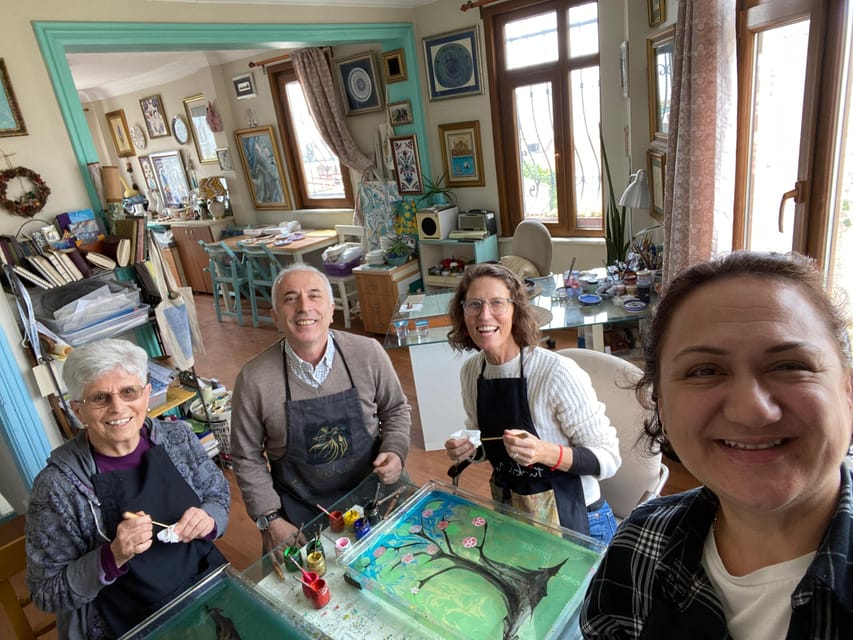
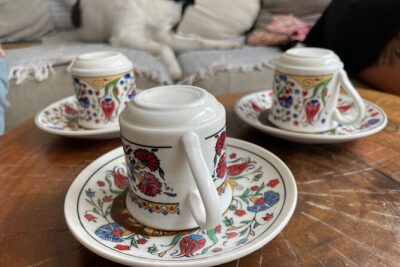
The class includes tea and coffee, and the vibe is warm rather than formal. It’s the kind of setup where you can exhale. You’re sitting with color and paper instead of sprinting between sights.
There’s also a social, welcoming atmosphere that feels connected to local life. Multiple accounts describe the hosts as approachable and friendly, sometimes even extending the experience beyond the core workshop with rooftop time. One session even mentions a traditional milk custard pudding alongside the drinks.
Also, don’t underestimate the psychological value of the setting. When you’re in a cozy atelier with a view, you’re more likely to stay calm through the hands-on work. That helps you learn faster—because you’re not fighting stress.
Taking Your Ebru Art Home: Drying, Keepsakes, and Planning Your Timing
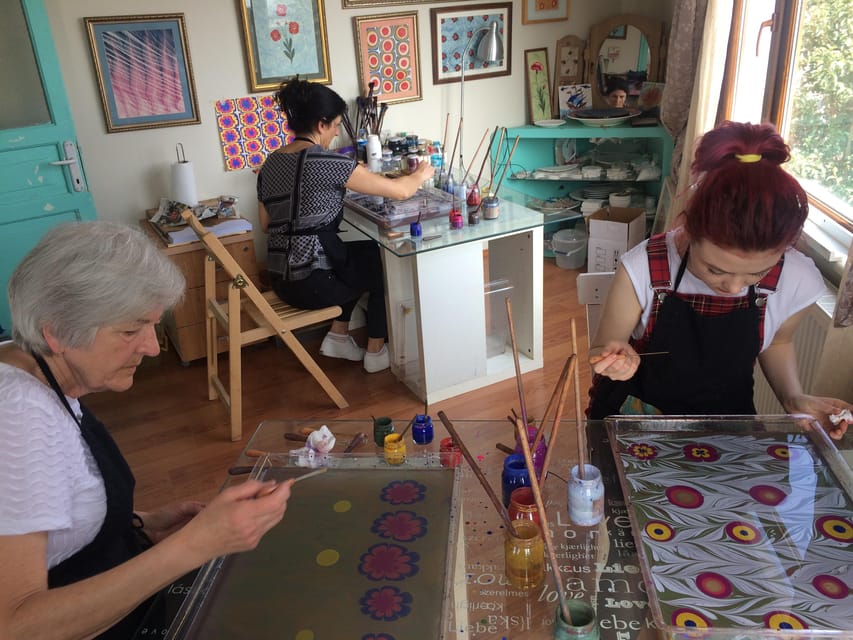
You’ll create paper masterpieces during the two-hour session. The big rule is that you can take them once dry. Paper marbling needs drying time, so you may not leave with everything ready to frame the moment class ends.
In many cases, people walk away with multiple pieces—often around 5–6 marbled samples—which is great value for $64. Instead of one single finished item, you end up with a set: something to keep, something to gift, and something to remember the process by.
Practical advice: if you’re trying to fit this into a tightly scheduled trip, leave yourself at least a little flexibility afterward. Some people have noted needing to return the next day to pick up their dried pieces. Even if your exact timing differs, planning for drying logistics will keep this from turning into a last-minute scramble.
Price and Value: Is $64 Fair for an Istanbul Workshop?
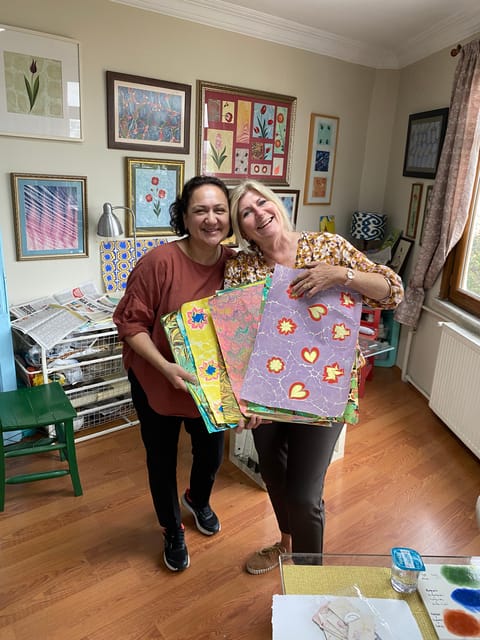
At $64 per person for two hours, the value comes from what’s included: all materials and tea and coffee. For a hands-on art class, that’s the important part—because you’re not paying for access to instructions only. You’re paying for the tools and support that make the art actually happen.
The small-group size also matters. With a limit of 10, your time at the table doesn’t get swallowed by a big class format. You also spend those two hours learning multiple designs, not just doing one pattern and calling it a day.
So the real question isn’t whether $64 is cheap. It’s whether you’re getting a proper workshop. You are: multiple techniques, guided practice, and a keepsake set of marbled paper you made yourself. For Istanbul, that’s a strong trade.
Who Should Book This (and Who Might Skip It)
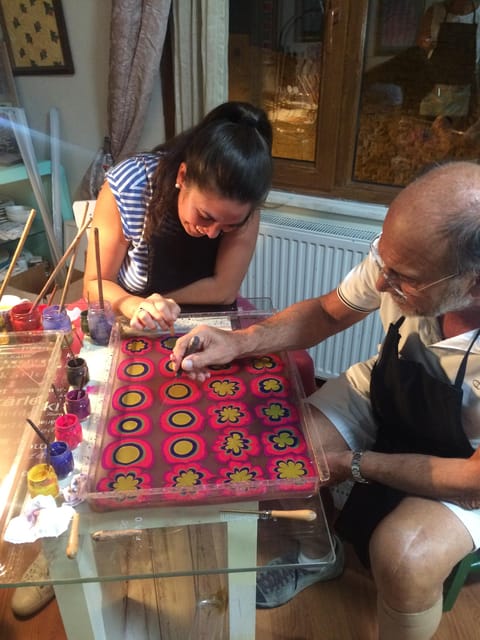
This workshop is a great fit if you want:
- A calm, hands-on cultural activity that balances sightseeing
- A real creative souvenir instead of buying something you can’t personalize
- A class you can enjoy even if you’re not an artist
It’s also a strong option for groups and families, including people traveling together. The teaching style is patient enough for kids, and adults often appreciate that they can learn something new without feeling judged.
The main reason to skip is practical: it’s not suitable for wheelchair users, and the 3rd-floor no-elevator setup can be tough. If stairs are a concern, you’ll need to reconsider.
Also, it’s not designed for very young children: babies under 1 year aren’t appropriate for this kind of class setting.
Tips to Get the Best Results Without Stress
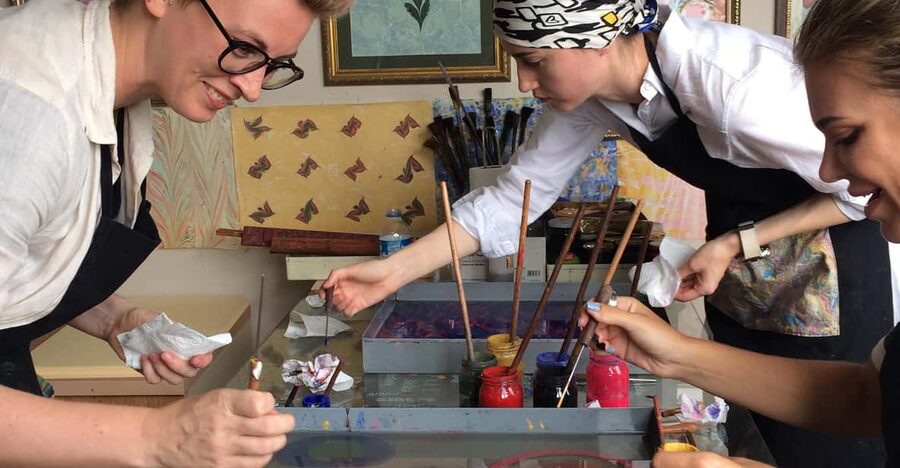
You’ll have the best time if you treat this like a craft practice, not a test.
Go in ready to repeat
Ebru rewards repetition. You’ll get better as you practice the patterns—especially once you understand what you’re aiming for with each technique.
Take your time with questions
If anything feels unclear—materials, steps, or how a particular pattern is formed—ask. With instructors teaching English and Japanese, communication is usually smooth.
Plan your timing with drying in mind
Don’t schedule this as the final thing you do before leaving Istanbul. Build in time for drying and any pick-up needs.
Should You Book the Turkish Marbling Paper Ebru Workshop?
Yes, if you want a genuine hands-on Istanbul art experience that doesn’t feel like work. This is the kind of activity where you leave with finished marbled paper art, not just photos. The traditional techniques, small group size, and the Bosphorus-view studio setting make it feel special even if you’ve already packed your day with major landmarks.
I’d skip it only if stairs are a serious issue for your group or if you can’t handle the reality of drying time. If you’re flexible and you like calm, creative experiences, this workshop is a very smart use of a couple hours in Sultanahmet.
FAQ
How long is the Turkish Marbling Paper Ebru Art Workshop?
The workshop lasts 2 hours.
How much does it cost?
The price is $64 per person.
What’s included in the price?
All materials are provided, and tea and coffee are offered during the class.
Where is the meeting point?
The studio is in Sultanahmet (Ishakpasa Street No.6), on the 3rd floor. It’s about 2 minutes from Topkapi Palace, with convenient access to the Hagia Sophia and Blue Mosque area.
Who teaches the workshop and what languages are available?
The instructor teaches in English and Japanese.
How big is the class?
It’s a small group limited to 10 participants.
Can I take my artwork home?
Yes. You can take your painting home once it dries.
More Workshops in Istanbul
- Istanbul:Original Turkish Mosaic Lamp Workshop w/ Snacks★ 4.9 · 3,077 reviews
- Istanbul: Perfume Making Workshop with Bosphorus View★ 5.0 · 2,985 reviews
- Istanbul: Turkish Mosaic Lamp Workshop w/ Materials Included★ 5.0 · 2,058 reviews
- Istanbul: Turkish Coffee Making and Fortune Telling Workshop★ 4.9 · 1,308 reviews
- Istanbul: Perfume Workshop at Old Wooden Mansion, 80+ Oils★ 4.9 · 1,237 reviews
- Istanbul: Turkish Mosaic Lamp Workshop in Galata – All Included★ 5.0 · 636 reviews
More Tour Reviews in Istanbul
- Istanbul: Bosphorus Dinner Cruise & Show with Private Table★ 4.8 · 62,058 reviews
- Istanbul: Daytime or Sunset Sightseeing Cruise & Audio Guide★ 4.8 · 14,430 reviews
- Istanbul: Bosphorus Dinner Cruise & Turkish Night Show★ 4.8 · 12,954 reviews
- Best of Istanbul 1, 2 or 3-Day Private Guided Istanbul Tour★ 5.0 · 8,922 reviews
- Istanbul: Basilica Cistern Fast-Track Entry and Audio Guide★ 4.6 · 7,521 reviews
- Istanbul: Hagia Sophia Skip-the-Line Ticket & Museum Option★ 3.7 · 4,958 reviews
More Turkish Craft Workshops
- Istanbul:Original Turkish Mosaic Lamp Workshop w/ Snacks★ 4.9 · 3,077 reviews
- Istanbul: Perfume Making Workshop with Bosphorus View★ 5.0 · 2,985 reviews
- Istanbul: Turkish Mosaic Lamp Workshop w/ Materials Included★ 5.0 · 2,058 reviews
- Istanbul: Perfume Workshop at Old Wooden Mansion, 80+ Oils★ 4.9 · 1,237 reviews
- Istanbul: Turkish Mosaic Lamp Workshop in Galata – All Included★ 5.0 · 636 reviews
- Istanbul Turkish Mosaic Lamp Workshop in Old Town – All Included★ 5.0 · 292 reviews
Fresh off the boat: new Istanbul reviews


Turkish Craft Workshops, compared.
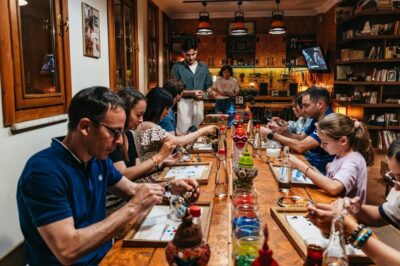 ★ 4.9Original Turkish Mosaic Lamp Workshop w/ SnacksFrom $293,077 reviews
 ★ 5.0Perfume Making Workshop with Bosphorus ViewFrom $282,985 reviews
 ★ 5.0Turkish Mosaic Lamp Workshop w/ Materials IncludedFrom $292,058 reviews
 ★ 4.9Perfume Workshop at Old Wooden Mansion, 80+ OilsFrom $281,237 reviews
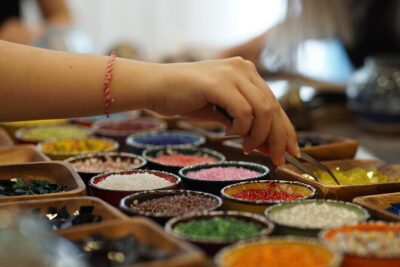 ★ 5.0Turkish Mosaic Lamp Workshop in Galata – All IncludedFrom $34636 reviews
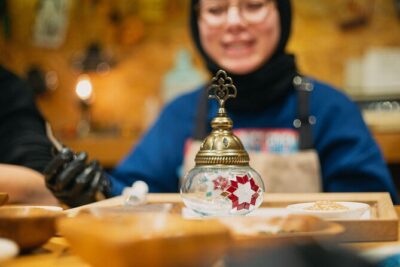 ★ 5.0Istanbul Turkish Mosaic Lamp Workshop in Old Town – All IncludedFrom $30292 reviews
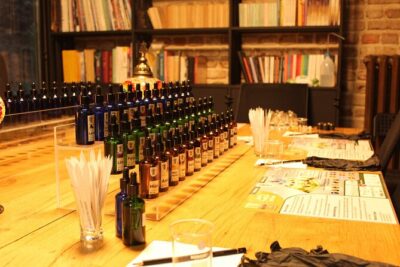 ★ 5.0Perfume Making Workshop in a Stylish Galata Atelier in IstanbulFrom $28186 reviews
 ★ 4.9Sand Brewed Turkish Coffee Workshop in Old TownFrom $12142 reviews
Browse the lists this tour appears in