
REVIEW · TOURS
Alternative Tour; Daily Life, Customs, Stories – Tip Based Tour
Istanbul can feel like a blur of sights, but this tour slows it down fast—turning everyday life into the main story. You start at an Ottoman-era medresesi, then move through local neighborhoods where the focus is on customs, learning, work, and how people live. It’s a 2.5-hour walk that ties big places to everyday meaning.
What I love most is how you don’t rush. The pacing gives you time to absorb what you’re seeing, and the guide keeps it practical with clear explanations you can actually use. I also like the mix: mosques and history, yes, but also Turkish literature and topics like the economy and healthcare.
One consideration: parts of the day depend on real-world timing. The Grand Bazaar stop is intentionally brief, and the bazaar is closed on Sundays, so your route there changes accordingly. Also, the tour needs good weather, so you’ll want to dress and plan for an afternoon walk.
In This Review
- Key highlights to know before you go
- Starting at Corlulu Ali Paşa Medresesi: the Istanbul “before modern labels”
- Grand Bazaar, but make it local: short inside stop, long street vibe
- Sahaflar Çarşısı: the old book bazaar and Turkish literature talk
- Beyazıt Mosque interior: how prayer shapes the space
- Beyazıt Square: a public space for debates past and present
- Istanbul University: education, economy, and healthcare in the same breath
- Suleymaniye Cultural Info Center: old houses now used for community work
- Suleymaniye Mosque: the garden view that teaches the city’s shape
- Hamam from the outside, then fruit tea and Turkish delight—no hard sell
- Price and what $18 really covers in real life
- Small-group pacing and the afternoon schedule
- Who should book this tour (and who might skip it)
- Should you book? My honest take
- FAQ
- How much does this tour cost?
- How long is the tour?
- What language is the tour offered in?
- Where does the tour start and end?
- What’s included in the price?
- Are admission tickets included?
- Do I need to tip?
- Is there a group size limit?
- What happens with the Grand Bazaar stop on Sundays?
- Does the tour need good weather?
Key highlights to know before you go
- Ottoman education explained at Corlulu Ali Paşa Medresesi, including how religion and schooling used to be intertwined
- Grand Bazaar backstreets first, then a quick look inside for everyday-life shopping culture
- Sahaflar book bazaar talk, with Turkish literature recommendations and authors
- Beyazıt Mosque interior walkthrough, organized around how Muslims pray and move through the space
- Istanbul University focused stops, connecting education with the country’s economy and healthcare
- Suleymaniye Mosque garden views, plus a non-shopping break with free Turkish delight and fruit tea
Still deciding? Here is how a few Istanbul favourites compare with this one:



Starting at Corlulu Ali Paşa Medresesi: the Istanbul “before modern labels”
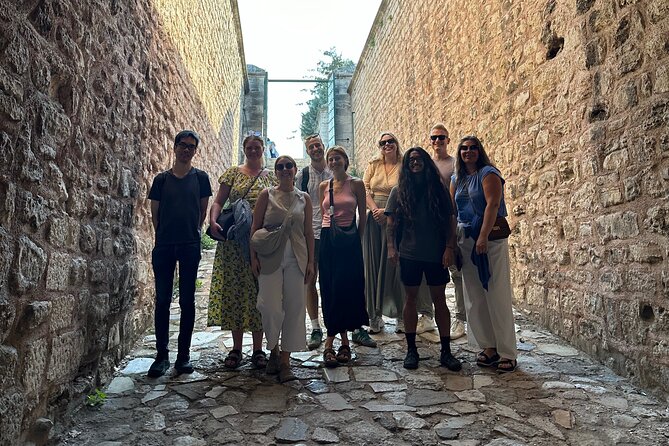
You meet at the Anadolu Nargile Çorlulu Ali Paşa Medresesi area in Fatih. It’s a smart opening choice because it sets the tone: this isn’t just sightseeing, it’s learning how different systems shaped daily life. The Corlulu Ali Paşa Medresesi is an Ottoman-era religious school—an old model of education where religion and schooling weren’t separated the way you might expect today.
You’ll hear how that mattered for everyday people: not only what was taught, but how learning fit into community life. It’s also a free stop, and it doesn’t feel like you’re stuck in a lecture. You’re simply given context before the tour becomes a story about what people did, where they gathered, and how institutions worked.
Grand Bazaar, but make it local: short inside stop, long street vibe
Yes, you’ll be near the Grand Bazaar. But the approach is different. Instead of a checklist, you start with the backstreets around the bazaar first—where you get a better sense of how the area functions day to day. Then you take only a brief look inside to see items that relate to local daily life.
Two practical things matter here:
- The visit is deliberately very short.
- The Grand Bazaar is closed on Sundays, so don’t plan on this being a full market browsing moment if your schedule lands there.
If you’re the type who already saw the main “Grand Bazaar” photos and wants something more grounded, this timing makes sense. You get the flavor without losing half your afternoon to crowds and constant window-shopping.
Sahaflar Çarşısı: the old book bazaar and Turkish literature talk
Next comes Sahaflar Çarşısı, the historic Old Book Bazaar. This is where the tour shifts from architecture and streets to culture through reading. You’ll talk about Turkish literature and get recommendations of notable Turkish authors.
It’s a great stop for two reasons. First, it’s easy to connect the idea of knowledge and education from the opening medresesi to what you’re seeing now—printed words as a real part of community life. Second, it’s not only about the shops. You’re hearing how people think, what they read, and what kinds of stories carry meaning in Turkey.
Admission here is also listed as free, so you’re getting paid-in-time value, not “pay extra to look around” value.
- Best of Istanbul 1, 2 or 3-Day Private Guided Istanbul Tour★ 5.0 · 8,922 reviews
- Istanbul: Basilica Cistern Fast-Track Entry and Audio Guide★ 4.6 · 7,521 reviews
- Istanbul: Hagia Sophia Skip-the-Line Ticket & Museum Option★ 3.7 · 4,958 reviews
- Istanbul: Hodjapasha Whirling Dervishes Show & Exhibition★ 4.4 · 4,790 reviews
Beyazıt Mosque interior: how prayer shapes the space
Beyazıt Mosque is one of the key moments on this tour because you go inside and you learn how people pray. The guide doesn’t treat the mosque as just a pretty building. Instead, the focus is on understanding the different sections and what’s happening there in a practical, step-by-step way.
This is the kind of explanation that helps you walk through the space without feeling lost. Even if you’ve toured other mosques before, the emphasis here is on movement and sections—what different areas mean during prayer.
Quick reality check: a mosque is a living place of worship, not a museum set. You’ll get the most from the visit if you keep the visit respectful and quiet in spirit.
Beyazıt Square: a public space for debates past and present
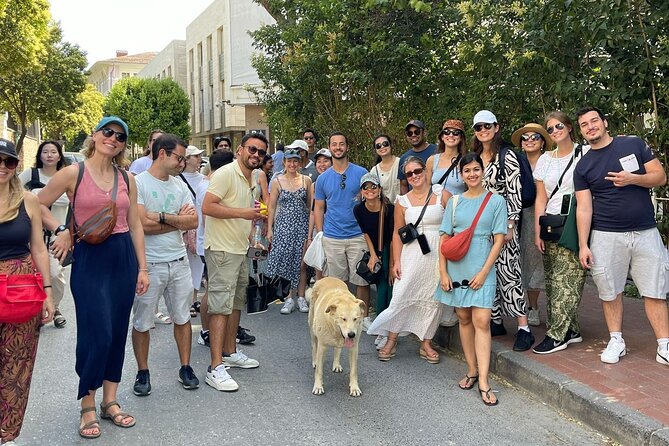
From the mosque, you shift to Beyazıt Square, once a significant gathering place where protests began and spread across Turkey. Then you also discuss the current situation in the country.
That combination—history plus modern context—is one of the reasons this tour feels like “daily life and customs” instead of a pure monuments loop. Public squares matter because they’re where people show up, talk, argue, and organize. And when your guide connects that to today, the city stops feeling frozen in the past.
This stop is short (10 minutes), so don’t expect it to become a political lecture. Instead, it works like a lens—helping you read the city as a place where public life has momentum.
Istanbul University: education, economy, and healthcare in the same breath
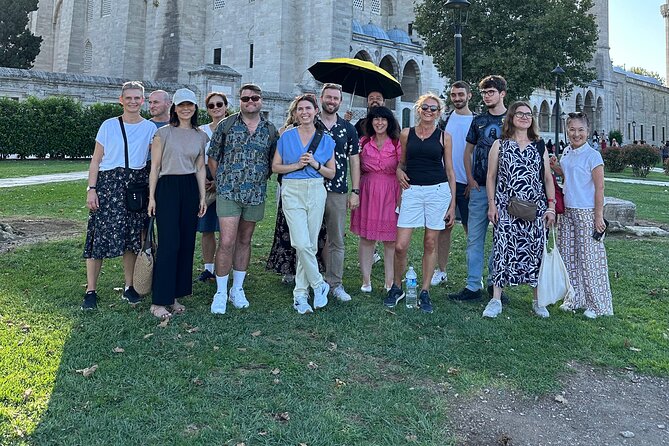
You then spend time in the Istanbul University area—watching the campus from the outside and learning about Turkey’s education system. The tour also stops in front of the Faculty of Economics and the hospital area, which helps the guide connect three big parts of life: learning, jobs, and health.
It’s a practical trio. Education explains what people aim for. Economy explains what supports (or pressures) those goals. Healthcare explains what’s available when life gets complicated.
Even if you don’t speak Turkish, you can follow the logic because the guide ties each topic to what you’re seeing around the university zone. This stop is a strong fit if you like travel that helps you understand how a country runs, not just what it looks like.
Suleymaniye Cultural Info Center: old houses now used for community work
In Suleymaniye, you see old houses from the outside, many of which have been turned into non-profit organizations. That detail matters. It shows you how neighborhoods adapt: spaces built for older ways of life can take on newer community roles.
This is also where the tour leans into everyday past life—traditional weddings and daily life in earlier times. The goal isn’t nostalgia. It’s understanding how rituals and housing traditions create identity.
You’ll get short, focused storytelling here (10 minutes), but it’s enough to make the next big architectural stop feel more meaningful.
Suleymaniye Mosque: the garden view that teaches the city’s shape
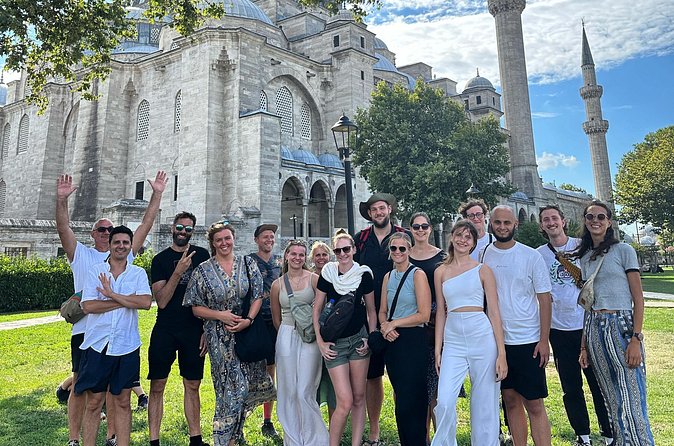
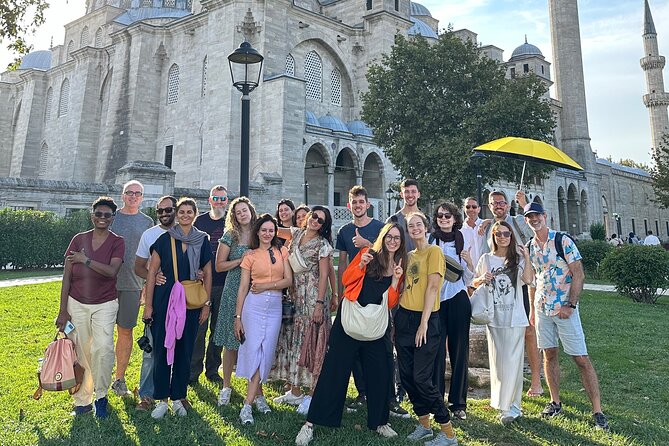
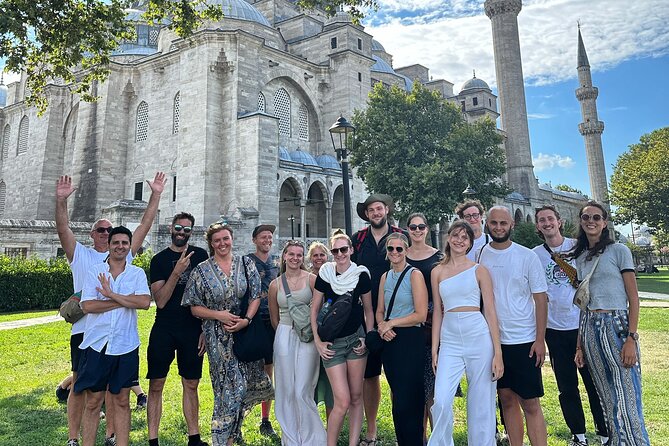
Then comes Suleymaniye Mosque, one of the most beautiful stops in Turkey. You’ll visit inside, and you also spend time in the garden area.
This is where you get a stunning view of the Bosphorus and Istanbul’s geography. And the best part is how the guide uses that view to explain how geography affects city life—where people build, how they move, and why certain areas feel connected the way they do.
This stop runs about 25 minutes, so you won’t feel rushed. You’ll have time to look out, take photos if you want, and actually understand what you’re viewing.
Hamam from the outside, then fruit tea and Turkish delight—no hard sell
After Suleymaniye, you’ll see Suleymaniye HamamI from outside and talk about hamam culture. This is the “living tradition” angle: baths weren’t just about cleanliness, they were social rhythms. Even outside-only viewing, the explanation adds context.
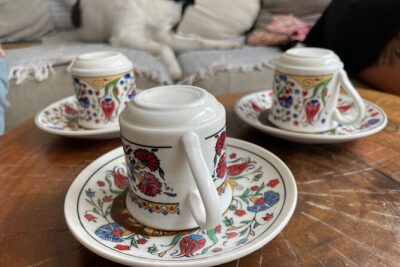
Then you hit a choice point. You can leave with the group or stay for a short 2-minute walk to a complimentary sampling of Turkish delight with fruit tea. This part is not a shopping stop, and nobody tries to sell you anything. It’s more like a quiet rooftop-style break with a calm atmosphere.
If your feet are getting tired, this optional pause can be a sweet ending. If you’re energized, you’ll still appreciate the reset before you head off on your own.
Price and what $18 really covers in real life
The price is $18.00 per person for about 2 hours 30 minutes, and the tour uses a tip-based model (tipping the guide isn’t included). So what you’re paying for isn’t admission tickets. Admission is free at each listed stop, and the main “cost” you’re covering is your guide’s time and the storytelling glue between places.
You also get:
- A small group size (maximum 25 travelers)
- A mobile ticket
- English language delivery
- A free Turkish delight and fruit tea sampling
In Istanbul, where many tours are packed with pricey entrances, this is a strong value setup. You’re paying mostly for interpretation—learning how to see the city like it has a daily pulse.
Tip-based tours always mean you should take the guide seriously. If you want the best experience, go in ready to ask questions and be part of the conversation.
Small-group pacing and the afternoon schedule
This tour starts at 2:30 pm. That timing is useful because you’re finishing in the Suleymaniye Mosque area, close to where the city’s views and neighborhoods blend together.
The walking is “city walking,” not a long hike. Still, you’ll cover multiple stops and you’ll be on your feet for the full duration. If you’re the kind of traveler who likes frequent sit-down breaks, this won’t be that kind of tour. If you like steady movement with frequent meaning, it’s a good fit.
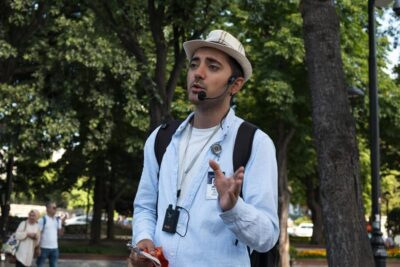
One more practical note: guides are known to keep things engaging and answer questions freely. Names you may hear in guides include Mohammed and Cumali, both described as friendly, fun, and eager to explain.
Who should book this tour (and who might skip it)
This is a great choice if you want Istanbul through daily life, not just landmark hunting. You’ll get talks tied to education, economy, healthcare, literature, and customs. You’ll also learn why certain streets and buildings matter beyond their photo value.
You’ll probably enjoy it if:
- You already visited the big-name attractions and want a different angle
- You like learning about systems (education, public space, healthcare), not only dates
- You want a small group experience with room to ask questions
You might skip it if:
- You’re looking for a long Grand Bazaar shopping session
- You want strictly monument time with no context talks
- Weather is unstable in your travel window, since good weather is required
Should you book? My honest take
If your goal is to understand Istanbul as a living place—how people learn, gather, pray, and make decisions—this tour is worth booking. It’s excellent value because the stops are free and what you’re really buying is a clear guide-led way to connect everything you see. The short, well-chosen sequence works for an afternoon, and the free Turkish delight plus fruit tea is a nice finish without turning into a sales detour.
Book it if you like thoughtful walking and conversations that make the city feel less confusing. Skip it if you want only famous sights in long doses or if you’re not up for outdoor walking in decent weather.
FAQ
How much does this tour cost?
It costs $18.00 per person.
How long is the tour?
The tour lasts about 2 hours 30 minutes.
What language is the tour offered in?
The tour is offered in English.
Where does the tour start and end?
It starts at Anadolu Nargile Çorlulu Ali Paşa Medresesi (Molla Fenari, Yeniçeriler Cd. No:38, 34120 Fatih/İstanbul) and ends at Suleymaniye Mosque (Süleymaniye, Prof. Sıddık Sami Onar Cd. No:1, 34116 Fatih/İstanbul). The tour ends about 5 minutes walking distance from Suleymaniye Mosque.
What’s included in the price?
The price includes a booking fee and a complimentary sampling of Turkish delights with fruit tea.
Are admission tickets included?
The tour listing shows admission is free for the stops mentioned.
Do I need to tip?
Tipping the tour guide is not included.
Is there a group size limit?
Yes. The tour has a maximum of 25 travelers.
What happens with the Grand Bazaar stop on Sundays?
The Grand Bazaar is closed on Sundays, and the tour visit there is very short.
Does the tour need good weather?
Yes. The experience requires good weather, and if it’s canceled due to poor weather you’ll be offered a different date or a full refund.
More Tours in Istanbul
- Best of Istanbul 1, 2 or 3-Day Private Guided Istanbul Tour★ 5.0 · 8,922 reviews
- Istanbul: Bosphorus Sightseeing Cruise Tour with Audio Guide★ 4.6 · 4,704 reviews
- Istanbul: Blue Mosque & Hagia Sophia Guided Tour w/ Tickets★ 4.8 · 3,600 reviews
- Istanbul: Blue Mosque, Hagia Sophia, & Old Town Walking Tour★ 4.8 · 2,372 reviews
- Istanbul: Princes Islands Tour with Heybeliada and Buyukada★ 4.4 · 2,305 reviews
- Istanbul: Basilica, Hagia Sophia, Blue Mosque Tour & Cruise★ 4.5 · 1,929 reviews
More Tour Reviews in Istanbul
- Istanbul: Bosphorus Dinner Cruise & Show with Private Table★ 4.8 · 62,058 reviews
- Istanbul: Daytime or Sunset Sightseeing Cruise & Audio Guide★ 4.8 · 14,430 reviews
- Istanbul: Bosphorus Dinner Cruise & Turkish Night Show★ 4.8 · 12,954 reviews
- Best of Istanbul 1, 2 or 3-Day Private Guided Istanbul Tour★ 5.0 · 8,922 reviews
- Istanbul: Basilica Cistern Fast-Track Entry and Audio Guide★ 4.6 · 7,521 reviews
- Istanbul: Hagia Sophia Skip-the-Line Ticket & Museum Option★ 3.7 · 4,958 reviews
Fresh off the boat: new Istanbul reviews

Tours, compared.
 ★ 5.0Best of Istanbul 1, 2 or 3-Day Private Guided Istanbul TourFrom $1008,922 reviews
 ★ 4.6Bosphorus Sightseeing Cruise Tour with Audio GuideFrom $74,704 reviews
 ★ 4.8Blue Mosque & Hagia Sophia Guided Tour w/ TicketsFrom $393,600 reviews
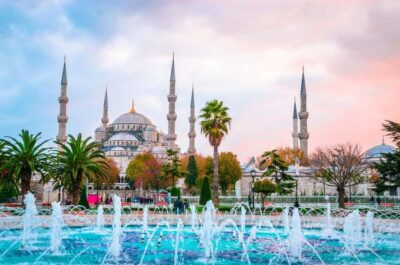 ★ 4.8Blue Mosque, Hagia Sophia, & Old Town Walking TourFrom $712,372 reviews
 ★ 4.4Princes Islands Tour with Heybeliada and BuyukadaFrom $182,305 reviews
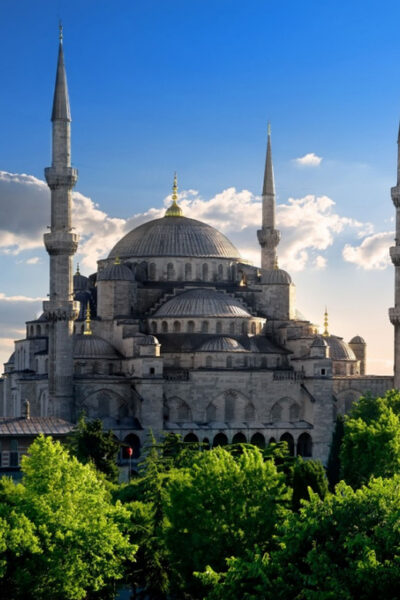 ★ 4.5Basilica, Hagia Sophia, Blue Mosque Tour & CruiseFrom $681,929 reviews
 ★ 4.5Blue Mosque Guided TourFrom $191,910 reviews
 ★ 4.1Bursa & Uludag Tour with Lunch & Cable Car OptionFrom $301,879 reviews