
REVIEW · BOSPHORUS CRUISES
Born on the Bosphorus: Exploring Three Distinct Waterside Neighborhoods
Bosphorus food walks make history tasteable. This 6½-hour Istanbul tour threads the Bosphorus Strait through everyday streets, then adds an unexpected cultural stop at Beth Yaakov Synagogue. It’s built for people who like to walk, nibble, and ask questions.
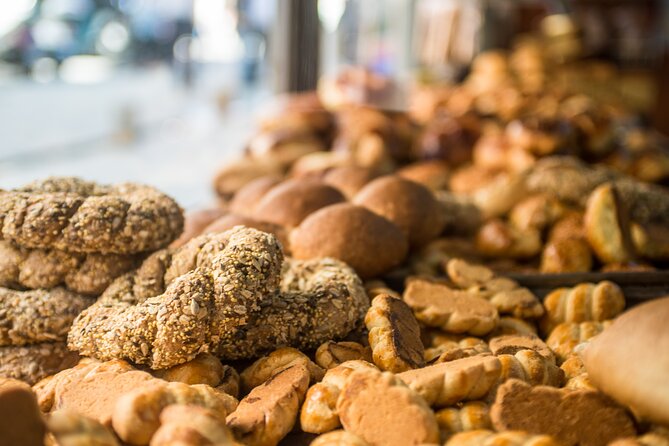
I really like the format: a small group of up to 7, led in English, so you don’t feel like you’re just moving as part of a crowd. And the lineup of flavors is street-realistic: freshly baked goods, Turkish honey, candy, and more, so you get a sampler mood instead of a single big meal.
One thing to consider: it runs about 6 hours 30 minutes, and it depends on decent weather. If you prefer lots of sitting time, this may feel like a long stretch.
In This Review
- Key highlights at a glance
- The Bosphorus Strait: your first lesson in why Istanbul is split
- Meeting at Deniz Müzesi and how the timing works
- The food walk structure: how you’ll sample without getting stuffed
- Passing special spots on the way to the next bite
- Beth Yaakov Synagogue: a tradition stop that adds more than sightseeing
- Guide impact: why the tastings feel personal (Esin and Dilek names matter)
- What the Bosphorus neighborhoods teach you through food
- Value check: why $145 can make sense for a 6.5-hour guided day
- Booking and day-of expectations you can plan around
- After the tour: tracking your tastes with the Culinary Backstreets Passport
- Should you book Born on the Bosphorus?
- FAQ
- What is the price for this Istanbul tour?
- How long is the tour?
- What time does the tour start, and where does it meet?
- How big is the group?
- Is the tour available in English?
- What fitness level is required?
- What are the cancellation rules and weather expectations?
Key highlights at a glance
- Small-group pace (max 7 travelers) keeps the walk personal and the food stops relaxed
- Turkish sweets focus includes freshly baked goods, Turkish honey, and candy
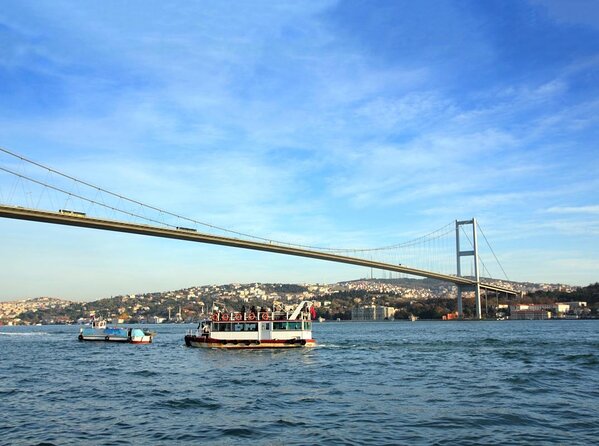
- Bosphorus Strait viewpoint story connects the strait to names like Emperor Constantine and Mark Twain
- Beth Yaakov Synagogue visit includes a 30-minute tradition stop with free admission
- English-speaking guide makes it easier to understand both food and place
- Culinary Backstreets Passport stamps let you track what you sampled afterward
Other ways out onto the Bosphorus
The Bosphorus Strait: your first lesson in why Istanbul is split
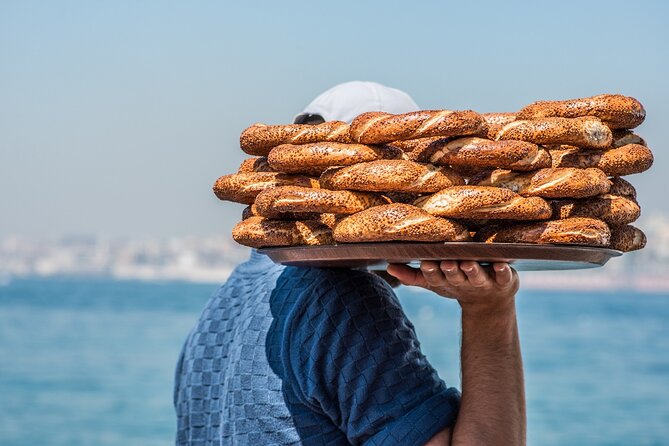
Start with the setting. The Bosphorus Strait divides Istanbul into Europe and Asia, so you’re walking in a place with geography that has always mattered. The tour leans into the drama of that idea right away—this waterway has inspired writers and rulers, from Emperor Constantine to Mark Twain.
And here’s the practical part: the Bosphorus is not just a postcard. It helps you understand why neighborhoods here develop the way they do—trade, travel, and different cultural influences moving along the same narrow corridor. Even if you’ve read about Istanbul before, standing near the strait (and hearing it explained) makes the city feel less like a list of sights and more like a living system.
If you’re the type who likes context—why a place exists, not just what it looks like—this opening works well.
Meeting at Deniz Müzesi and how the timing works
The tour meets at Deniz Müzesi Sinanpaşa, Beşiktaş (34353). The start time is 9:30am, and it finishes back at the same meeting point, which is a big help when you’re planning the rest of your day.
Because you’re doing a long walk, the morning start matters. Cooler air usually makes food-walking more comfortable, and it gives you a buffer in case you stop to take photos or linger over a sweet. Also, the itinerary is designed around short pauses rather than a single sit-down meal moment, so you’ll likely spend time on the move.
Logistics you’ll appreciate: you get a mobile ticket, it’s offered in English, and it’s described as near public transportation. Service animals are allowed, and the activity asks for a moderate physical fitness level, which usually means steady walking rather than steep climbs, but you should still be ready for several hours on your feet.
The food walk structure: how you’ll sample without getting stuffed
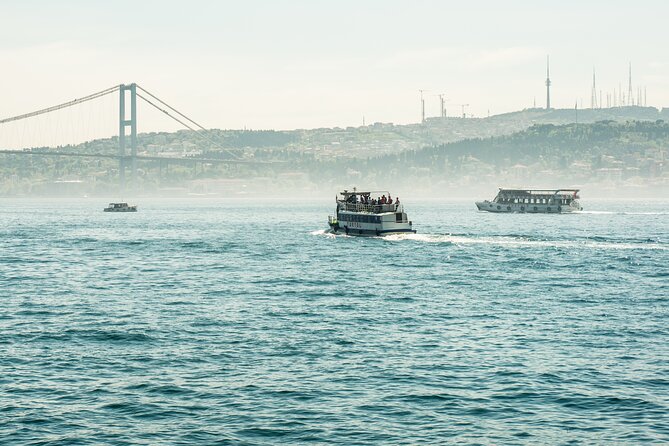
This is a local food tour, but the details are more about pacing than menus. Expect a sequence of tastings that centers on freshly baked goods, Turkish honey, candy, and other small bites. The goal is variety: you sample, you reset, you learn, you move on.
That matters because Istanbul can overwhelm your senses if you’re trying to eat everything at once. A structured walk helps you avoid the all-or-nothing trap. Instead of hunting for the best place to stop, you get guided stops in areas you’d be less likely to choose on your own—especially if you’re only sticking to the most obvious tourist lanes.
The tour’s “three distinct waterside neighborhoods” framing is useful too. It signals that you’re not just doing one street and calling it a day. You’re meant to compare neighborhoods along the Bosphorus, and food is a good way to do that because ingredients, storefront style, and tastes shift from place to place.
- Best of Istanbul 1, 2 or 3-Day Private Guided Istanbul Tour★ 5.0 · 8,922 reviews
- Istanbul: Basilica Cistern Fast-Track Entry and Audio Guide★ 4.6 · 7,521 reviews
- Istanbul: Hagia Sophia Skip-the-Line Ticket & Museum Option★ 3.7 · 4,958 reviews
- Istanbul: Hodjapasha Whirling Dervishes Show & Exhibition★ 4.4 · 4,790 reviews
Passing special spots on the way to the next bite
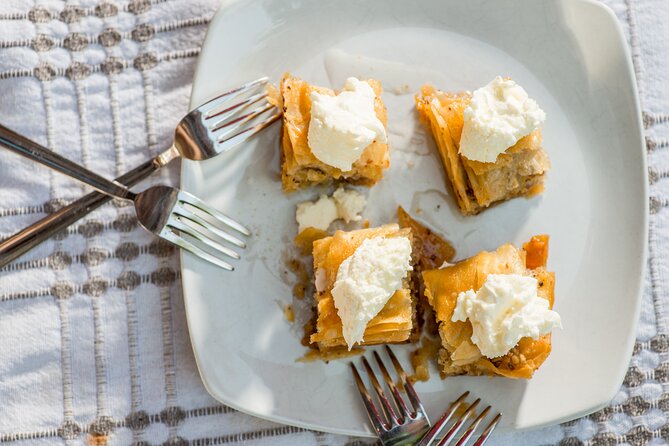
Between major stops, you’ll be shown “special places in this area” while you move toward the next food moment. This is where the guide can turn a walk into something meaningful.
One of the best things about this kind of tour is that you learn how locals navigate their own city. You’re not only being told what to eat; you’re also being pointed toward how a neighborhood works—street layout, everyday life, and the small cues that make one area feel different from the next.
So if you’re wondering whether you’ll just “eat and walk,” the answer is: expect more explanation than you’d get on a quick self-guided snack plan. The tour is built around conversation and context, which shows up clearly in the consistently top-rated feedback.
Beth Yaakov Synagogue: a tradition stop that adds more than sightseeing
Mid-tour, you’ll reach Beth Yaakov Synagogue. The schedule gives you about 30 minutes, and the admission is listed as free.
This stop is valuable for two reasons.
First, it grounds the tour in lived community. A synagogue visit isn’t just an architectural photo opportunity; it’s a chance to see how heritage and daily religious tradition fit into the city. The tour notes that you’ll take in “the tradition” here, which suggests the visit isn’t meant to feel rushed.
Second, it breaks the pattern of being only about food. Food tours can accidentally become a series of stops with no deeper connection. Adding a cultural site like this makes the meal sequence feel anchored to place and people.
Practical note: the tour says it requires moderate physical fitness, so you should wear comfortable walking shoes for the whole program, including any time spent transitioning between stops.
Guide impact: why the tastings feel personal (Esin and Dilek names matter)
The difference between a good food tour and a great one is the guide. This one has strong feedback on that point, and I like that it’s not vague praise. Specific guide names show up—Esin and Dilek—and both are described as friendly and skilled at connecting food to Turkish culture and history.
In particular, Esin is singled out for explaining the history behind what you’re eating. That’s a big deal if you usually taste first and ask questions later. With a guide who can connect food to cultural meaning, you get to enjoy the sweets and understand why they belong.
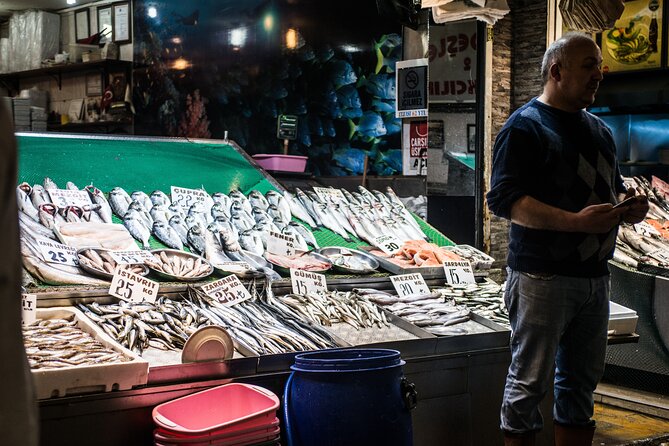
Dilek gets highlighted for being sociable and knowledgeable (again, in the sense of being able to explain clearly and keep the day flowing). There’s also mention of how the tour balanced different types of food—someone wanted more fish, but still felt the meat they tried was divine.
Even if you have dietary preferences, the guide’s role is what turns the day from eating random snacks into a coherent story about Istanbul’s food habits.
What the Bosphorus neighborhoods teach you through food
When you do food along the Bosphorus, you’re tasting the city’s geography. Istanbul’s mix of Europe and Asia influences what’s cooked, how ingredients show up, and how people think about hospitality.
This tour’s neighborhood-by-neighborhood approach helps you pick up on small contrasts. One area might lean more toward certain sweets and baked treats. Another might feel more seafood-oriented, based on what’s available and popular there. You might also notice how the rhythm changes—how shops front the street, what’s displayed, and how people interact around quick purchases versus longer meals.
The tour doesn’t list every dish in the details you provided, but the consistent items—baked goods, Turkish honey, candy—tell you the day is designed around frequent sampling. That’s ideal for first-timers who want to understand the “flavor language” of Istanbul without committing to full restaurant meals at every stop.
Value check: why $145 can make sense for a 6.5-hour guided day
At $145 per person for about 6 hours 30 minutes, the price sounds steep until you break down what you’re actually getting.
You’re paying for:
- a guided walking route in English
- a small group (max 7)
- multiple tastings centered on Turkish sweets and more
- a cultural stop at Beth Yaakov Synagogue, with free admission
- the structure that helps you avoid wasting time searching for places
If you tried to recreate this day alone, you’d likely spend your energy figuring out where to go, then decide what to eat without much context. This tour compresses that decision-making. You start at Deniz Müzesi, follow a planned route through waterside areas, and keep moving, which is exactly what you want on a first visit.
Also, it’s booked on average about 30 days in advance, which is a quiet signal that the experience is popular and that you’ll want to reserve sooner rather than later.
Booking and day-of expectations you can plan around
You’ll receive confirmation within 48 hours of booking, subject to availability. That’s helpful because you can adjust your schedule if your plans change.
If you hate uncertainty, there are two factors to keep in mind:
- the experience requires good weather
- there’s a minimum number of travelers for it to run
The tour is also described as being near public transportation, so you can usually get there without a private car. And since it returns to the meeting point, you don’t have to solve the “where do I end up” problem.
For most people, the biggest day-of variable is comfort. Dress for a long walk and expect to be on your feet for most of the time.
After the tour: tracking your tastes with the Culinary Backstreets Passport
This tour points you toward a Culinary Backstreets Passport you can check on their website to see the stamps you collected. I like this kind of souvenir because it’s practical: it turns your memory into a record of what you tried.
If you’re someone who takes lots of photos but forgets which shop had which flavor, the passport idea helps you connect images to specific stops later.
Should you book Born on the Bosphorus?
I’d book it if you want a first Istanbul food experience that feels connected to the city’s real geography—European and Asian life split by water—and you like getting more than just a list of places. The small group size and the strong feedback around guides like Esin and Dilek are exactly what you want for a day that combines conversation, tastings, and a meaningful cultural stop.
Skip it if you’re hoping for a slow, sit-heavy tour or if long walking in variable weather sounds like a hassle. This is a mobile day. Also, if you want a specific type of meal (like a full seafood focus), the details provided emphasize sweets and tasting variety, so you’d want to be comfortable with a sampler-style day.
If you fall in the first group—walking-friendly, curious about Istanbul’s cultural layers, and ready for Turkish honey and baked goods—you’re likely to find this one worth your time.
FAQ
What is the price for this Istanbul tour?
The tour costs $145.00 per person.
How long is the tour?
It runs approximately 6 hours 30 minutes.
What time does the tour start, and where does it meet?
It starts at 9:30am and meets at Deniz Müzesi Sinanpaşa, 34353 Beşiktaş/İstanbul, Türkiye. The tour ends back at the meeting point.
How big is the group?
The maximum group size is 7 travelers.
Is the tour available in English?
Yes, it’s offered in English.
What fitness level is required?
Travelers should have a moderate physical fitness level.
What are the cancellation rules and weather expectations?
You can cancel for a full refund up to 24 hours in advance. The experience requires good weather and may be rescheduled or fully refunded if canceled due to poor weather or if the minimum number of travelers isn’t met.
More Tour Reviews in Istanbul
- Istanbul: Bosphorus Dinner Cruise & Show with Private Table★ 4.8 · 62,058 reviews
- Istanbul: Daytime or Sunset Sightseeing Cruise & Audio Guide★ 4.8 · 14,430 reviews
- Istanbul: Bosphorus Dinner Cruise & Turkish Night Show★ 4.8 · 12,954 reviews
- Best of Istanbul 1, 2 or 3-Day Private Guided Istanbul Tour★ 5.0 · 8,922 reviews
- Istanbul: Basilica Cistern Fast-Track Entry and Audio Guide★ 4.6 · 7,521 reviews
- Istanbul: Hagia Sophia Skip-the-Line Ticket & Museum Option★ 3.7 · 4,958 reviews
More Ways Onto the Bosphorus
- Istanbul: Bosphorus Dinner Cruise & Show with Private Table★ 4.8 · 62,058 reviews
- Istanbul: Bosphorus Dinner Cruise & Turkish Night Show★ 4.8 · 12,954 reviews
- Istanbul: Bosphorus Sightseeing Cruise Tour with Audio Guide★ 4.6 · 4,704 reviews
- Istanbul Bosphorus Sunset Cruise on Luxury Yacht★ 5.0 · 4,465 reviews
- Istanbul: Perfume Making Workshop with Bosphorus View★ 5.0 · 2,985 reviews
- Istanbul: Bosphorus Sunset Cruise on Yacht with Live Guide★ 4.9 · 2,845 reviews
Fresh off the boat: new Istanbul reviews

Bosphorus Cruises, compared.
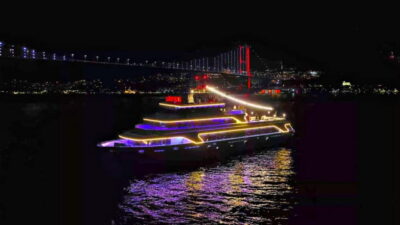 ★ 4.8Bosphorus Dinner Cruise & Show with Private TableFrom $2862,058 reviews
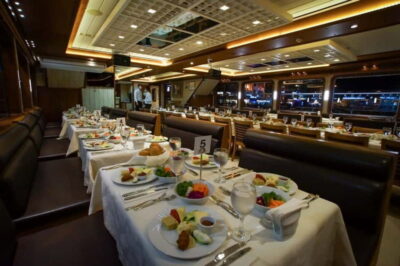 ★ 4.8Bosphorus Dinner Cruise & Turkish Night ShowFrom $2812,954 reviews
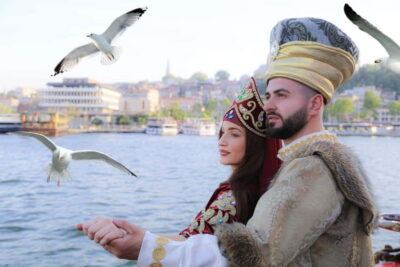 ★ 4.6Bosphorus Sightseeing Cruise Tour with Audio GuideFrom $74,704 reviews
 ★ 5.0Istanbul Bosphorus Sunset Cruise on Luxury YachtFrom $304,465 reviews
 ★ 5.0Perfume Making Workshop with Bosphorus ViewFrom $282,985 reviews
 ★ 4.9Bosphorus Sunset Cruise on Yacht with Live GuideFrom $192,845 reviews
 ★ 4.8Bosphorus Sunset Cruise with Drinks & SnackFrom $82,716 reviews
 ★ 5.0Bosphorus Yacht Cruise Experience: Visit the Asian SideFrom $602,251 reviews