REVIEW · ISTANBUL
Colors of Turkey – 8 Days
Seeing Turkey in eight days is the trick here. This Colors of Turkey route strings together the big hitters—Istanbul monuments, Pamukkale, Ephesus, and Cappadocia rock churches—so you’re not stuck planning or guessing logistics. I especially like that the tour builds in a guide at each major stop and handles accommodation and transport, so your days stay full without feeling chaotic.
Two things I also like: you get organized movement between regions using internal flights, and you land back in Istanbul long enough to enjoy Bosphorus views and the spice market without rushing. One drawback to factor in: several key entrance fees aren’t included, and some sites have strict rules (like Hagia Sophia access times and head covering requirements), so you’ll want cash/card ready for add-ons.
In This Review
- Key things to know before you go
- Istanbul in a Day: Hippodrome to Topkapi Palace (with walking stamina)
- The Istanbul shopping stops and site-closure reality (so you don’t miss the good stuff)
- Pamukkale and Hierapolis: why the Cotton Castle is worth the detour
- Ephesus and the Artemis Temple area: Roman scale with religious stops
- Cappadocia day 1: fairytale formations, valleys, and photo stops that earn their time
- Cappadocia day 2: underground protection, caravan culture, and panoramas
- Final Istanbul day: Bosphorus boat views and Misir Çarsısı spice energy
- Price and logistics: what $2,890.40 really buys you
- Who this tour fits best (and who should look elsewhere)
- Should you book Colors of Turkey 8 Days?
- FAQ
- Is pickup offered for this tour?
- Does the price include flights and accommodations?
- Are entrance fees included for every sight?
- Which major sites have closing days?
- What do I need for Hagia Sophia?
- Is this a private tour?
Key things to know before you go
- Guided stops at major sites help you connect the dots between Byzantines, Ottomans, and Romans
- Internal flights cut travel time between Istanbul, Izmir, Kayseri, and back
- Entrance fees are mixed: some included, many paid on site or via skip-the-line assistance
- Religious sites require modest dress and Hagia Sophia can be restricted during prayers
- Walking days are real (especially Istanbul), so comfortable shoes matter
- Grand Bazaar, Topkapi, and other sites close on specific days, so timing can affect what you see
Still deciding? Here is how a few Istanbul favourites compare with this one:
Istanbul in a Day: Hippodrome to Topkapi Palace (with walking stamina)
Your trip starts with a simple, useful first day: you land at Istanbul Airport and get transferred to your hotel. Then you’re overnighted in Istanbul so you’re not immediately dragged into a long day on arrival. It’s a good pace-setter.
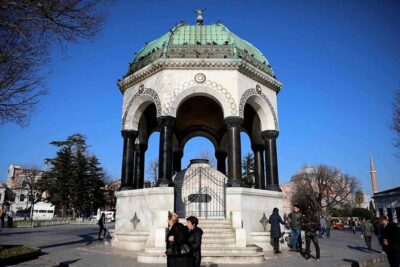
Day 2 is the classic historic-core sprint. You begin at the Hippodrome, once the center of Constantinople’s sports and public life. It’s not one big building you tour end-to-end; it’s more like a living outdoor museum. You’ll see the German Fountain of Wilhelm II, the Egyptian Obelisk, the Serpentine Column, and the Column of Constantine. Even if you don’t memorize dates, you’ll leave with a feel for how the city used spectacle to govern attention.
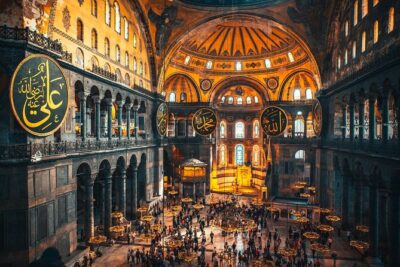
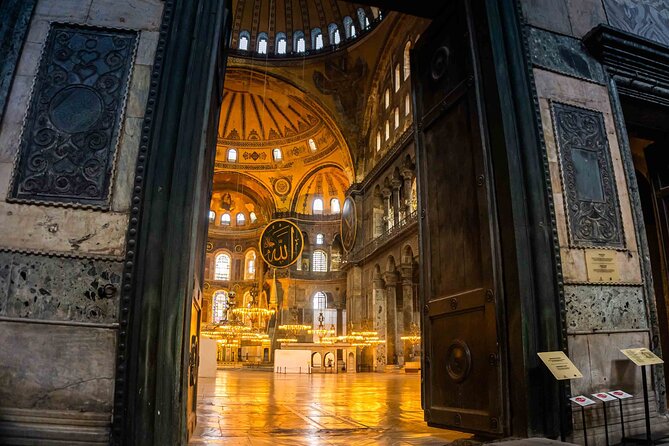
Next comes the heavyweight combo: Hagia Sophia Grand Mosque and the Blue Mosque. Hagia Sophia’s big deal is not just that it’s famous—it’s that it’s been multiple things across empires. Built as a church in the 6th century, then transformed into a mosque in 1453, then used as a museum, it carries layers of power and art all at once. One practical point: the tour notes that you may need a head covering plus a headset for the visit, and the entrance can be restricted during praying time. Don’t treat that as a minor detail; it can change what time you actually get in.
The Blue Mosque (Sultanahmet Mosque) adds Ottoman flair—its standout feature is the six minarets. Note the schedule: it’s closed on Fridays, so your day’s flow depends on when you travel.
After mosques, you shift to palace-and-power mode with Topkapi Palace. This place was home to the Ottoman dynasty and also acted as an administrative hub and art center. The palace’s draw for me is that it isn’t only about one room. You’re pointed toward the imperial treasury, sacred Islamic relics, palace kitchens, and weapons—topics that connect luxury to governance and protection.
If you want the quick shopping hit, you finish with the Grand Bazaar. It’s huge, noisy in a friendly way, and built for browsing. The bazaar’s strengths are practical: carpets, leather, jewelry, Turkish delight, gold, tiles, and antiques. The downside is also practical: it’s easy to spend more than you planned unless you set a budget early. Also remember the bazaar closes on Sunday, so if your dates land there, don’t count on shopping time.
Finally, you have one more older layer to tack on: Hagia Irene Museum, an ancient Byzantine church site. It’s listed as an option on the second day, but it can be closed on Tuesdays.
The Istanbul shopping stops and site-closure reality (so you don’t miss the good stuff)
Istanbul plans can feel like magic—until a museum or bazaar closes. This itinerary includes several closings, so you’ll want to treat your schedule as a moving target, not a guaranteed script.
Here’s what matters most:
- Grand Bazaar closes on Sundays
- Topkapi Palace closes on Tuesdays
- Hagia Irene Museum closes on Tuesdays
- Blue Mosque closes on Fridays
The good news is that the tour also mentions itinerary adjustments depending on direct flight schedules. That helps, but it also means you should ask your operator what changes are most likely for your exact travel dates.
Also, Istanbul days are walking-heavy. The tour is described as a walking tour for Istanbul, so I’d plan around that. Bring shoes that can handle uneven stone and lots of short transfers. And if you’re going to do Istanbul religious sites seriously, dress with modesty in mind. That’s not just etiquette—it’s what keeps the day from turning into impromptu problem-solving.
Pamukkale and Hierapolis: why the Cotton Castle is worth the detour
Day 3 shifts you to the Aegean region with a morning travel block to Pamukkale, sometimes called the Cotton Castle. The look is famous for a reason: white mineral terraces shaped by thermal waters. The tour frames it as a spa town since Roman times, with calcium-rich mineral pools that are warm and soothing. Even if you don’t plan to treat it like a resort, Pamukkale is one of those places where your brain goes quiet because the scenery does the talking.
After Pamukkale’s warm-water atmosphere, you move to Hierapolis. This is where you connect the natural wonder to the ancient city built around it. Hierapolis is associated with early Christian tradition (evangelized by Paul and Epaphras) and linked to the Apostle Philip. But the bigger “wow” is physical: it’s described as an UNESCO World Heritage site with ruins spread across limestone deposits above the mineral springs, including a necropolis with sarcophagi of prominent figures like Marcus Aurelius.
Time-wise, this day is designed to give you enough to feel the place, not enough to exhaust you. That’s a balance I like in a multi-city tour.
- Best of Istanbul 1, 2 or 3-Day Private Guided Istanbul Tour★ 5.0 · 8,922 reviews
- Istanbul: Basilica Cistern Fast-Track Entry and Audio Guide★ 4.6 · 7,521 reviews
- Istanbul: Hagia Sophia Skip-the-Line Ticket & Museum Option★ 3.7 · 4,958 reviews
- Istanbul: Hodjapasha Whirling Dervishes Show & Exhibition★ 4.4 · 4,790 reviews
Ephesus and the Artemis Temple area: Roman scale with religious stops
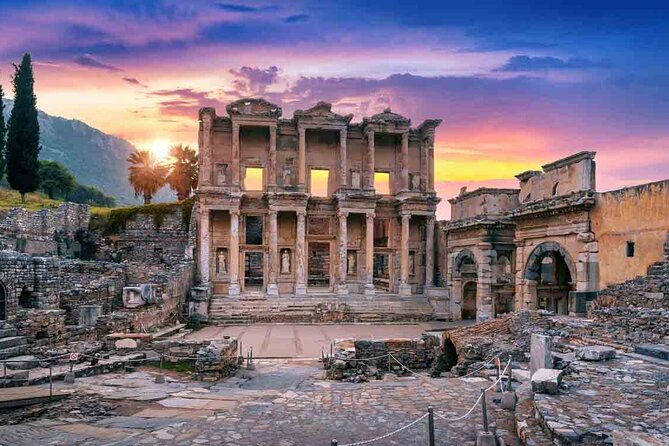
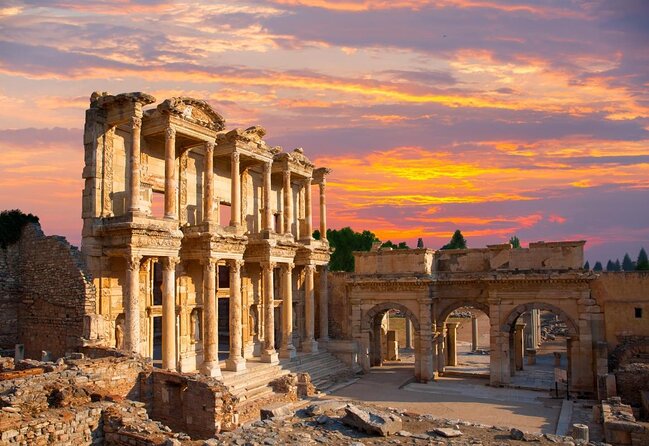
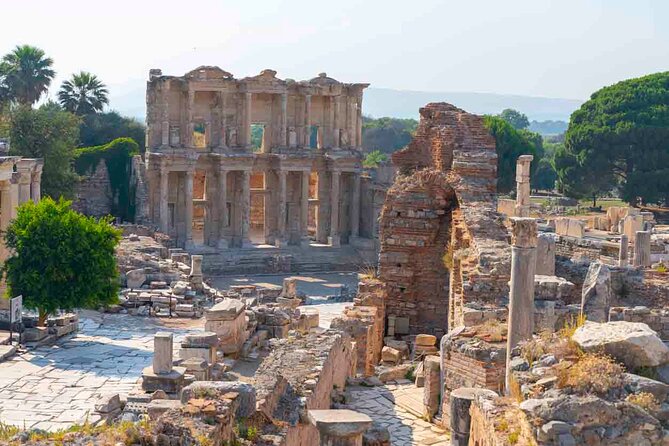
Day 4 is built for big ancient-city energy. You arrive at Ephesus, described as the second largest city in the Roman Empire, with a population listed over 250,000 in the 1st century BCE. That scale matters because Ephesus doesn’t feel like small ruins—you see the footprint of real urban life.
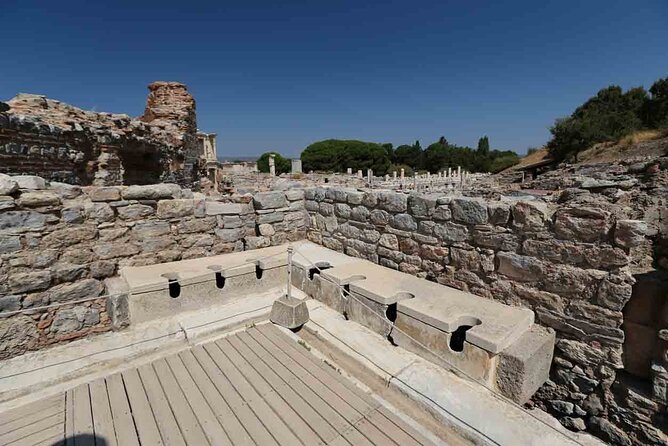
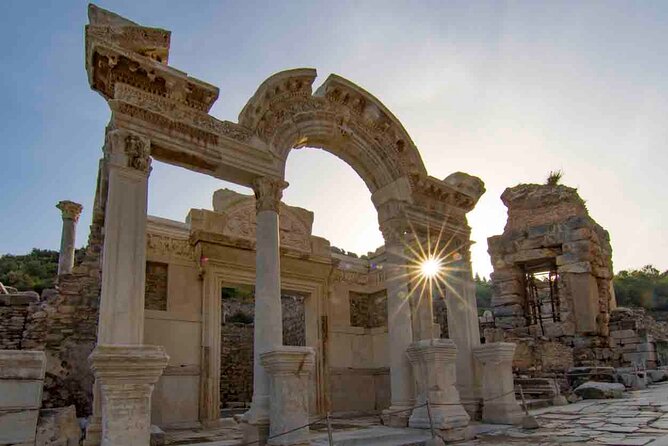
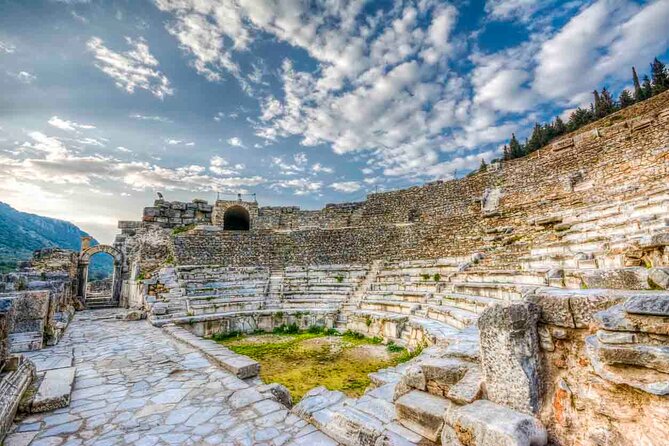
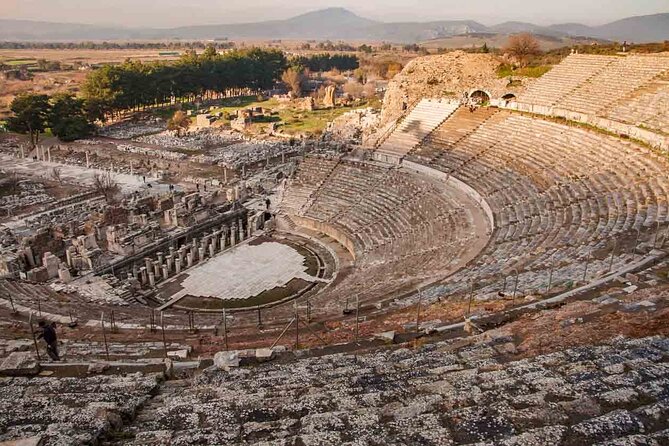
You’ll focus on key sights: Nike (Goddess Nike), Hadrian Gate, the Library of Celsus (the tour calls it the third largest library), Marble Street, and the Harbour Street. The amphitheater is also called out, with more than 25,000 seats mentioned. Again, it’s less about memorizing numbers and more about getting a feel for how theater, commerce, and religion all packed into one city.
The itinerary then adds a quick, important stop: the Temple of Artemis. The tour highlights it as one of the Seven Wonders, which gives you a useful anchor even if you only see foundations and surrounding remnants. It’s close to Ephesus, so it works as a tight extension without dragging the day out.
Then you shift to spirituality and quiet green surroundings with the House of the Virgin Mary, described as being on top of Ephesus area and about 9 km away. The tour frames it as a last-days place for Mary and a shrine with a calmer mood. This is one of the points in the trip where I’d slow down and actually sit for a minute, because the earlier Ephesus walk can feel like sensory overload.
After that, you’re overnighted in Kuşadası, then moved onward toward the airport and onward to Cappadocia. The sequence makes sense: ancient city intensity on one day, decompression and relocation the next.
Cappadocia day 1: fairytale formations, valleys, and photo stops that earn their time
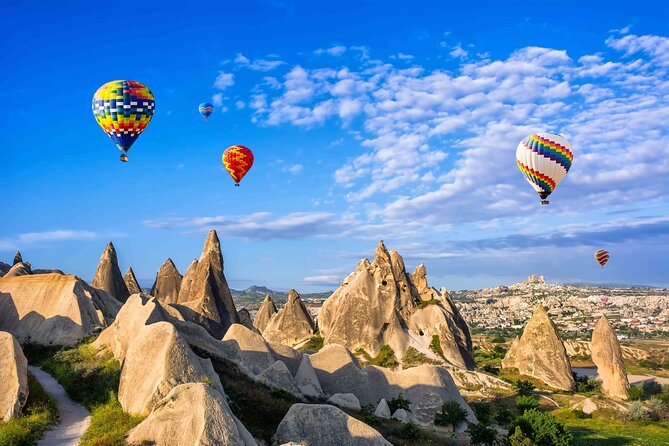
Day 5 is your first full day in Cappadocia, and it’s structured to hit the region’s visual language fast. You start with Devrent Valley (also called Imagination Valley). This is about rock formations shaped over tens of millions of years—part geology lesson, part art gallery in stone. The tour notes the fairy chimney formations, and the names alone hint at what you’ll be looking for.
Next is Goreme National Park, with a stop in Pasabag—the itinerary mentions chimneys resembling the Hobbit and Smurfs styles. That detail may sound playful, but it’s also useful: if you look at these rocks as characters, you’ll remember the shapes better than if you only think in scientific terms.
Then you stop in Avanos, which is known here for a pottery shop visit. This isn’t just souvenir shopping. The tour calls out shared details about pottery-making traditions dating back to the Hittite period. Even if you don’t buy anything, you’ll understand why Avanos is linked to craft.
You end at Uchisar Castle and Pigeon Valley—two stops highlighted for photography. This is where Cappadocia turns from geology into a sense of place. If you care about photos, you’ll want to plan for changing light. If you don’t, just enjoy that the valley views come in layers, like the region keeps revealing new angles as you move.
Cappadocia day 2: underground protection, caravan culture, and panoramas
Day 6 continues the Cappadocia theme, but it changes the tone. You start with an underground defense story at Kaymakli Underground City (listed in the itinerary as Ozkonak Underground City). The description is focused on Christians protecting themselves from persecutions and invasions for centuries. Underground cities are easy to underestimate until you stand in them—then you realize how practical survival design had to be.
After that, you make time for the Sarıhan Caravanserai, a 13th-century residence for merchants and their camels. Caravanserais are one of my favorite “quiet history” stops because they explain how trade and travel worked. They also break up the heavier visual days with something more human-sized.
You then visit Goreme Panorama, called the best place for photos and region information. The itinerary also references churches and remnants of Christian history. This is where the tour helps you connect the dots: the rock churches aren’t random decorations; they’re part of how people lived, worshiped, and hid.
You finish with Pigeon Valley, with a practical note: pigeons contributed to local life through manure used to fertilize vineyards. It’s a reminder that Cappadocia isn’t only a stage set. People have farmed here for a long time.
Later, you’re transferred to Kayseri airport and fly back to Istanbul, then overnight. That return flight timing is part of how this tour keeps eight days realistic.
Final Istanbul day: Bosphorus boat views and Misir Çarsısı spice energy
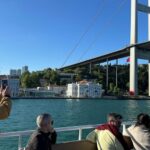
On Day 7, you fly back to Istanbul in the morning and then ease into sightseeing with the shared boat Bosphorus cruise. The tour mentions cruising between Europe and Asia, passing Dolmabahçe Palace and Beylerbeyi Palace. Even if you only get one sail-by view, the perspective shift is worth it. Istanbul can feel like you’re walking through history; the Bosphorus brings the city into a larger geographic picture.
After the boat, you head to Misir Çarşısı (Spice Market), where the tour describes the scent from hundreds of spice stalls. It’s not subtle here—spices, nuts, honeycomb, Turkish delight, dried fruit and vegetables, hard cheese, even caviar types. For shopping, I treat this area as a taste-and-smell stop first and a buying stop second. You’ll move faster and enjoy it more.
Then you have time back in Istanbul, with a hotel overnight that keeps you close to the airport for your final flight the next day.
Price and logistics: what $2,890.40 really buys you
This tour is priced at $2,890.40 per person for an 8-day experience. That’s not cheap, so you should judge value in categories, not in the final number.
Where you’re getting real value:
- Internal flight tickets are included, which is a big cost saver in Turkey
- Accommodations are included (though the tour doesn’t spell out the hotel category here)
- You get fully air-conditioned vehicle service
- You have guided coverage at key sites
- A private format is mentioned: it’s only your group participating
Where you should expect additional spending:
- Many entrance fees are not included, including major ones like Hagia Sophia (listed at 25 €), Topkapi Palace (listed at 2750 TRY), Ephesus (listed at 40 €), Pamukkale (listed at 30 €), Goreme Open-Air Museum (listed at 20 €), and Kaymakli Underground City (listed as €15 or €13 depending on the line)
- Some sites have TRY fees (like the House of the Virgin Mary at 500 TRY, and Pasabag at 12 €)
There’s also a subtle logistics cost: the itinerary asks you to bring items for Hagia Sophia (head covering plus headset/scarf) and notes that you can pay the guide for skip-the-line tickets. If you’re trying to maximize time, that’s helpful—but it means you’re paying for convenience on top of admission.
One caution from real-world experience: the trip needs good pickup timing and smooth hotel standards. If you’re traveling for a special occasion, or you’re sensitive to hotel quality, I’d plan to confirm pickup expectations in advance and set your own baseline for accommodation.
Who this tour fits best (and who should look elsewhere)
I think this is a strong match if you want:
- A high-coverage route across Istanbul, Aegean Turkey, and Cappadocia
- Guided context at major stops so the sights connect
- The comfort of transportation and lodging handled for you
- Internal flights to avoid dead travel time
It may be less ideal if you:
- Prefer deep, slow pacing in one region
- Are allergic to add-on costs and want every entrance fee fully included
- Hate walking days and long sightseeing blocks without breaks
Should you book Colors of Turkey 8 Days?
If you want a well-paced highlights circuit with internal flights, guided stops, and logistics handled, this tour is the kind of package that can make eight days feel like more than eight. The main reason I’d feel good about booking is the structure: Istanbul first for orientation, then Pamukkale and Hierapolis for visual and cultural contrast, then Ephesus for massive Roman scale, and finally Cappadocia for geology plus early Christian sites.
But I’d book with eyes open. Entrance fees add up, Hagia Sophia has access rules, and Istanbul days require good shoes. If those points sound manageable, you’ll likely enjoy how much you get—without the planning headache.
If you’re the type who needs perfect pickup timing and high hotel consistency, I’d ask for specifics before paying, and I’d be ready to advocate for your needs early.
FAQ
Is pickup offered for this tour?
Yes. The tour includes pickup from your hotel in central Istanbul at the start of the tour, and it drops you off at the same hotel at the end.
Does the price include flights and accommodations?
Yes. The tour includes internal flight tickets and accommodations, along with breakfast for 7 days.
Are entrance fees included for every sight?
No. Some entrance fees are listed as not included, including Hagia Sophia, Topkapi Palace, Ephesus, Pamukkale, Goreme Open-Air Museum, and several others.
Which major sites have closing days?
Grand Bazaar is closed on Sundays. Topkapi Palace is closed on Tuesdays. Blue Mosque is closed on Fridays. Hagia Irene Museum is closed on Tuesdays.
What do I need for Hagia Sophia?
The tour notes that Hagia Sophia entrance fee is listed separately and that you need to bring your own headset/scarf for covering your head. Entrance can also be restricted during praying time.
Is this a private tour?
Yes. The tour/activity is described as private, with only your group participating.
More Tour Reviews in Istanbul
- Istanbul: Bosphorus Dinner Cruise & Show with Private Table★ 4.8 · 62,058 reviews
- Istanbul: Daytime or Sunset Sightseeing Cruise & Audio Guide★ 4.8 · 14,430 reviews
- Istanbul: Bosphorus Dinner Cruise & Turkish Night Show★ 4.8 · 12,954 reviews
- Best of Istanbul 1, 2 or 3-Day Private Guided Istanbul Tour★ 5.0 · 8,922 reviews
- Istanbul: Basilica Cistern Fast-Track Entry and Audio Guide★ 4.6 · 7,521 reviews
- Istanbul: Hagia Sophia Skip-the-Line Ticket & Museum Option★ 3.7 · 4,958 reviews