
REVIEW · GALLIPOLI & TROY DAY TRIPS
Daily Gallipoli Tour from Istanbul
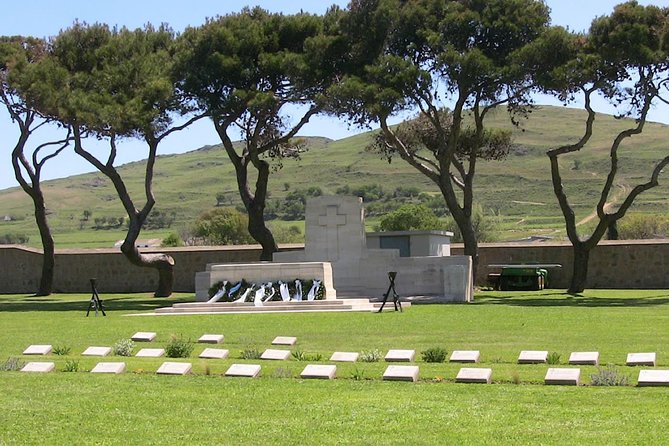
Gallipoli hits hard, even for first-timers. This day trip threads World War I sites on the Dardanelles Peninsula, with stops tied to the ANZAC story. You’ll see cemeteries, memorials, and a WWI museum tribute that turns tragedy into names, places, and context.
I like two things most: the focused, memorial-heavy route and the small group size (max 15), which keeps the day from feeling rushed or crowded. One thing to consider is the timing—start time is 7:00 am and the full day runs about 13 hours, so you’re in for a long one even though you spend around 4 hours at Gallipoli itself.
In This Review
- Key highlights to look forward to
- A moving Gallipoli day trip with a clear WWI story
- Price and value: why $299 can make sense here
- The 7:00 am start: how to plan a long day without burning out
- Inside the Gallipoli experience: what the museum and memorials really do
- Brighton Beach, Beach Cemetery, and ANZAC Cove: the coastline story in order
- Ariburnu Cemetery and the Anzac Commemoration site: why cemeteries hit differently
- Lone Pine Australian Memorial: the big tribute you can feel in the scale
- Johnston’s Jolly: Turkish and Allied trenches and tunnels on the ground
- The Nek and Chunk Bair: two major memorial viewpoints with distinct meaning
- The 57th Regiment Turkish Memorial: balancing the story beyond ANZAC
- Group size, guidance, and pacing: what a well-run day looks like
- What to bring and how to behave at memorials
- Who should book this Gallipoli day trip from Istanbul
- Should you book this Daily Gallipoli Tour from Istanbul?
- FAQ
- What time does the tour start?
- How long is the full tour?
- How long do you spend at Gallipoli?
- What’s included regarding tickets and admissions?
- Is pickup available?
- How big is the group?
- Is there a mobile ticket?
- What is the cancellation policy?
Key highlights to look forward to
- ANZAC-focused memorial stops that connect you to the Australians and New Zealanders who fought here
- Brighton Beach, ANZAC Cove, and Ariburnu Cemetery for a clear sense of how the fighting unfolded
- Major set-piece memorials like Lone Pine Australian Memorial and Chunk Bair New Zealand Memorial
- Johnston’s Jolly with Turkish and Allied trenches and tunnels—hard to forget once you see the ground
- Well-run pacing on a day with real travel time, with no delays reported
More time at Gallipoli and Troy

A moving Gallipoli day trip with a clear WWI story
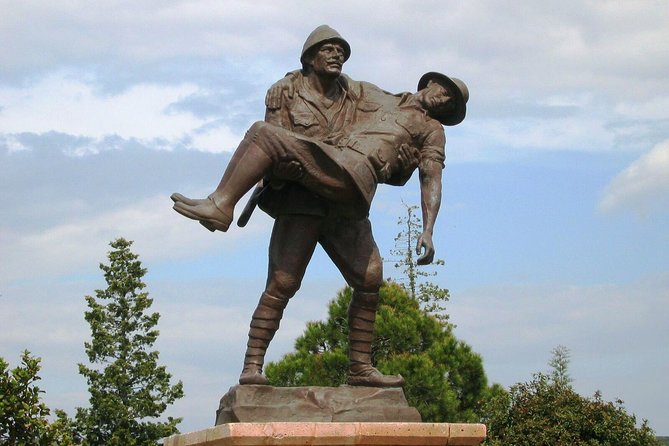
Gallipoli isn’t a casual sightseeing stop. It’s a place where the facts matter, and the emotion sits right on the coastline and hills.
What I really like about this kind of Daily Gallipoli Tour from Istanbul is that it doesn’t treat the Peninsula as a single viewpoint. You move through named locations that belong to the Battle at Dardanelles, so the story builds step by step instead of staying as a general history lesson.
If you’re coming for ANZAC commemoration, you’ll get a direct path through the sites that matter most—things like ANZAC Cove, Ariburnu Cemetery, and big memorial landmarks such as Lone Pine and Chunk Bair. Even if you only know the basics, this tour format makes the background feel tied to real terrain.
That focus is also why this is one of those trips where you might come out quieter than when you started. This isn’t about ticking boxes; it’s about understanding what happened and honoring the people connected to these places.
Price and value: why $299 can make sense here
The price is $299.00 per person, and yes, that’s not cheap for a day trip. But Gallipoli is far, and you’re paying for a full day experience with transportation coordination, a guide to connect the sites, and admission handled as part of the planned stops.
A big part of value here is time quality. You’re getting a structured path through major memorials and the WWI museum tribute, rather than trying to stitch together a half-day tour from scratch and then losing half the day to logistics.
Also, you’re not dealing with a huge crowd. With a maximum of 15 travelers, you tend to get better flow—less standing around, fewer awkward waits, and more chance to ask practical questions when the guide is pointing out why a specific spot matters.
If you’re the type of traveler who wants meaning (not just movement), this price starts to look more reasonable. You’re buying guided understanding of places that can feel overwhelming on your own.
The 7:00 am start: how to plan a long day without burning out
Start time is 7:00 am, and the tour runs about 13 hours. That means this is an early-out, late-back kind of day, and your energy management matters.
The Gallipoli portion is about 4 hours, which tells you something important: you’re not going to have endless time at each memorial. Instead, you’ll want to treat that 4-hour window like a guided route through the key sites—follow along, take quick notes if you like, and then pause when the place calls for it.
Because the meeting point is described as near public transportation and pickup is offered, it’s designed to reduce stress. You won’t have to figure out everything at the start of the day.
My practical advice: plan for a long ride day. Don’t treat it like a casual morning and lunch and done. Eat early (before you go if you can), bring water, and wear shoes you can stand in for stretches of time.
- Best of Istanbul 1, 2 or 3-Day Private Guided Istanbul Tour★ 5.0 · 8,922 reviews
- Istanbul: Basilica Cistern Fast-Track Entry and Audio Guide★ 4.6 · 7,521 reviews
- Istanbul: Hagia Sophia Skip-the-Line Ticket & Museum Option★ 3.7 · 4,958 reviews
- Istanbul: Hodjapasha Whirling Dervishes Show & Exhibition★ 4.4 · 4,790 reviews
Inside the Gallipoli experience: what the museum and memorials really do
Gallipoli can feel confusing at first because there are many named places and overlapping stories. The key value of a guided day is that it turns that confusion into a path you can follow.
You’ll start with the war memorials and the museum tribute focused on the casualties of the Battle at Dardanelles. That museum-and-memorial entry point matters. It gives you a frame for what you’re seeing outside, so the later stops don’t become random scenic spots.
From there, the tour moves into a sequence of named coastline and hillside locations—places tied to landings, cemeteries, and the commemoration sites that later honor those who were lost.
Even for people who already know the headline history, I’d expect this museum intro to change your perspective. It shifts the story from abstract battles to personal losses.
Brighton Beach, Beach Cemetery, and ANZAC Cove: the coastline story in order
The first named areas you’ll encounter include Brighton Beach, Beach Cemetery, and ANZAC Cove. Together, these stops help you understand the immediate, physical reality of the campaign.
Brighton Beach and Beach Cemetery connect you to the shoreline side of the battle—where the fighting started and where remembrance began to take shape afterward. If you like learning through place names, this is a strong opening because the tour keeps returning to the idea that the coast wasn’t just a backdrop.
Then ANZAC Cove brings the focus to the landing area most travelers associate with the ANZAC legend. The point isn’t just the fame of the location—it’s that you can connect what you’ve heard about the landings to the terrain in front of you.
A tip for getting the most out of this segment: slow down for a minute when you reach ANZAC Cove. Let the name sink in, then look around and think about how people would have seen this area under wartime conditions. You’ll get more from the site by imagining the movement rather than just looking.
Ariburnu Cemetery and the Anzac Commemoration site: why cemeteries hit differently
Next comes Ariburnu Cemetery and the Anzac Commemoration site. Cemeteries are where the battle becomes personal, fast.
Ariburnu Cemetery helps you see how commemoration works on the ground. Memorial sites here don’t just mark history; they mark loss. That difference is what tends to make visitors feel the impact.
The Anzac Commemoration site then acts like a bridge between the individual and the collective story—between names and the bigger narrative of the campaign.
I like this portion because it keeps the day respectful and focused. It’s not a quick photo moment; it’s a chance to understand why people return to places like these years later, long after the battle ended.
Lone Pine Australian Memorial: the big tribute you can feel in the scale
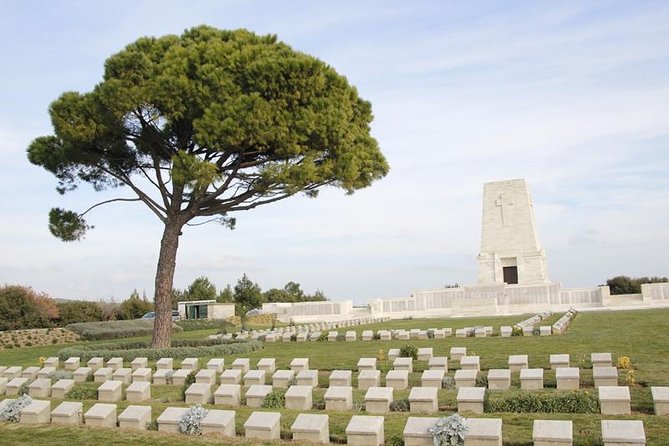
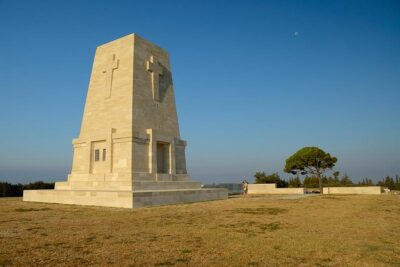
The tour includes the Lone Pine Australian Memorial, one of the most recognizable ANZAC memorials on the Peninsula. It’s also the kind of stop that helps you calibrate the scale of remembrance.
Memorials like Lone Pine can feel grand, but that grandness is part of the point. They’re designed to be seen from far enough away that you recognize the tribute as a lasting landmark—not a temporary marker.
Here’s what I’d pay attention to: the way the memorial’s presence turns the landscape into a memory. Instead of thinking of the location as just where events happened, you start thinking of it as where commemoration lives.
This is also a stop where you’ll likely want to take a moment and choose one direction to look in. Don’t try to capture everything in one glance—let the place teach you how it wants to be seen.
Johnston’s Jolly: Turkish and Allied trenches and tunnels on the ground
One of the most striking components on the route is Johnston’s Jolly, described as Turkish and Allied trenches and tunnels. This stop is valuable because it adds physical reality to the story.
At memorials, you often learn through names and symbolism. At a site like Johnston’s Jolly, you learn through layout—the idea that survival and fighting depended on narrow spaces, digging, and the brutal logic of trenches and tunnels.
If you’re the type who wants to understand how warfare changes the body and the mind, this is the segment that makes it click. You can’t easily reduce trench warfare to a few paragraphs once you’re near the structure of it.
Practical note: this kind of site can involve uneven ground or areas where you need to watch your step. Wear shoes with grip and take your time. This is one of those stops where moving slowly is how you get a better understanding.
The Nek and Chunk Bair: two major memorial viewpoints with distinct meaning
The tour includes The Nek and the Chunk Bair New Zealand Memorial. These are the kinds of named locations that matter because they’re tied to specific struggles, and they become anchors for your mental map of the Peninsula.
The Nek is often remembered in ANZAC storytelling because it represents a key area in the fighting and the struggle for position. Even if you don’t have the campaign details memorized, the site’s role becomes clearer as the tour connects it to the earlier cemeteries and memorials.
Then Chunk Bair brings the focus to the New Zealand side of commemoration. The memorial there helps you complete the ANZAC-centered route with a dedicated New Zealand tribute rather than leaving that part implied.
I like ending major commemoration segments with a named memorial, because you can reflect on what you’ve already seen and then settle into what this final stop represents.
The 57th Regiment Turkish Memorial: balancing the story beyond ANZAC
The itinerary also includes the 57th Regiment Turkish Memorial. This is important because Gallipoli isn’t only an ANZAC story. It’s also a Turkish story tied to the defense and the cost paid here.
Including a Turkish memorial in the same day route helps you keep the battle in proportion. You see that this was a conflict with multiple sides, and the commemoration landscape reflects that shared human loss.
I find that balance helps visitors understand the whole point of coming: remembrance that doesn’t ignore who fought here and how deeply it affected the people of the region.
If you’re expecting a one-note ANZAC-only route, this stop is a good reminder that history is more accurate when you let it be bigger than one national narrative.
Group size, guidance, and pacing: what a well-run day looks like
This is a small group tour with a maximum of 15 travelers. That size matters more than people expect on a day like this, where you’re walking between memorials and listening for meaning.
The tour is also organized around a clear schedule: a defined early start, a planned set of stops, and a dedicated Gallipoli time block of about 4 hours. In practice, that usually means you get enough time to see what’s important without losing the day to constant re-checking of plans.
One of the most praised parts of this experience is that the day runs on time. That’s not a small thing on a long day, especially when you’re traveling from Istanbul and you want to keep your energy for the places that matter.
Also, pickup is offered and you’ll receive a mobile ticket, which helps reduce friction at the start of your trip. Less fumbling means you spend more mental space on the sites themselves.
What to bring and how to behave at memorials
You don’t need anything fancy, but you do need to plan for the setting. Gallipoli memorials are outdoors and you’ll be on your feet during the Gallipoli hours.
I’d bring:
- comfortable walking shoes
- a hat and sunscreen if you’re sensitive to early sun
- water for the day
- a light layer if the morning feels cool
And at the memorials, keep your pace calm. This is a place where people come to honor losses. Even if you’re traveling with friends, keep the tone respectful and don’t treat stops as quick “check and go” moments.
If you want photos, take them—but also leave room to pause without a camera. The best impressions here often come when you’re just standing and letting the place speak.
Who should book this Gallipoli day trip from Istanbul
This tour fits best if you:
- care about WWI history and want a guided route across the major ANZAC memorials
- want to honor the ANZAC story with context tied to real locations
- prefer smaller groups and a structured plan rather than self-organizing
It may not be perfect if you want lots of free time at each stop. Because the Gallipoli time on site is about 4 hours, you’ll be moving through key locations rather than lingering for hours at one spot.
If you only have one day to do Gallipoli from Istanbul, this is a practical option. It also works well for travelers who want to come away with a clearer understanding of what happened, not just a list of places.
Should you book this Daily Gallipoli Tour from Istanbul?
If you’re looking for a meaningful Gallipoli visit that balances memorial viewing with guided context, I’d book it. The route hits the core ANZAC-linked places—Brighton Beach, ANZAC Cove, Ariburnu Cemetery, Lone Pine, The Nek, and Chunk Bair—while also including the 57th Regiment Turkish Memorial for perspective.
The biggest reason to choose it is simple: it’s structured for understanding. With a small group, a long travel day managed into a focused Gallipoli window, and a schedule that keeps you from wasting hours, it’s a strong value for what you’re actually doing emotionally and educationally.
If you’re the kind of traveler who can handle an early start and you want remembrance done thoughtfully, this is a very solid day out of Istanbul.
FAQ
What time does the tour start?
The tour starts at 7:00 am.
How long is the full tour?
The duration is about 13 hours.
How long do you spend at Gallipoli?
You spend about 4 hours at Gallipoli.
What’s included regarding tickets and admissions?
The admission ticket is listed as free for this activity.
Is pickup available?
Yes, pickup is offered.
How big is the group?
The maximum group size is 15 travelers.
Is there a mobile ticket?
Yes, the tour includes a mobile ticket.
What is the cancellation policy?
You can cancel for a full refund up to 24 hours before the experience’s start time.
More Tours in Istanbul
- Best of Istanbul 1, 2 or 3-Day Private Guided Istanbul Tour★ 5.0 · 8,922 reviews
- Istanbul: Bosphorus Sightseeing Cruise Tour with Audio Guide★ 4.6 · 4,704 reviews
- Istanbul: Blue Mosque & Hagia Sophia Guided Tour w/ Tickets★ 4.8 · 3,600 reviews
- Istanbul: Blue Mosque, Hagia Sophia, & Old Town Walking Tour★ 4.8 · 2,372 reviews
- Istanbul: Princes Islands Tour with Heybeliada and Buyukada★ 4.4 · 2,305 reviews
- Istanbul: Basilica, Hagia Sophia, Blue Mosque Tour & Cruise★ 4.5 · 1,929 reviews
More Tour Reviews in Istanbul
- Istanbul: Bosphorus Dinner Cruise & Show with Private Table★ 4.8 · 62,058 reviews
- Istanbul: Daytime or Sunset Sightseeing Cruise & Audio Guide★ 4.8 · 14,430 reviews
- Istanbul: Bosphorus Dinner Cruise & Turkish Night Show★ 4.8 · 12,954 reviews
- Best of Istanbul 1, 2 or 3-Day Private Guided Istanbul Tour★ 5.0 · 8,922 reviews
- Istanbul: Basilica Cistern Fast-Track Entry and Audio Guide★ 4.6 · 7,521 reviews
- Istanbul: Hagia Sophia Skip-the-Line Ticket & Museum Option★ 3.7 · 4,958 reviews
More of Gallipoli and Troy
- Istanbul to Gallipoli Full Day Tour with Lunch and Transfers★ 5.0 · 567 reviews
- Gallipoli Full-Day Tour from Istanbul★ 4.9 · 468 reviews
- From Istanbul: Gallipoli and Anzac Full-Day Tour★ 4.9 · 345 reviews
- Troy: Full-Day Tour from Istanbul★ 4.7 · 312 reviews
- Gallipoli Day Trip from Istanbul★ 4.5 · 147 reviews
- Istanbul to Gallipoli, Canakkale and Troy. 2 Day Tour with Hotel★ 5.0 · 144 reviews
Fresh off the boat: new Istanbul reviews




Gallipoli & Troy Day Trips, compared.
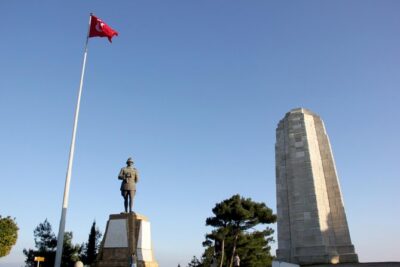 ★ 5.0Istanbul to Gallipoli Full Day Tour with Lunch and TransfersFrom $157567 reviews
 ★ 4.9Gallipoli Full-Day Tour from IstanbulFrom $154468 reviews
 ★ 4.9From Istanbul: Gallipoli and Anzac Full-Day TourFrom $159345 reviews
 ★ 4.7Troy: Full-Day Tour from IstanbulFrom $169312 reviews
 ★ 4.5Gallipoli Day Trip from IstanbulFrom $240147 reviews
 ★ 5.0Istanbul to Gallipoli, Canakkale and Troy. 2 Day Tour with HotelFrom $387144 reviews
 ★ 4.5Istanbul to Truva Troy Guided Day Tour with Lunch and TransfersFrom $172134 reviews
 ★ 5.0Troy Full-Day Guided Tour incl. Transfer, Ferry Tickets w/LunchFrom $151126 reviews
Browse the lists this tour appears in