
REVIEW · 1-DAY TOURS
From istanbul: Gobeklitepe and Harran Day Trip
Neolithic stones, in one fast circuit. This day trip stitches together Göbekli Tepe (often described as the world’s oldest temple) and the sacred sites around Edessa and Harran, with a comfortable round-trip flight from Istanbul to Sanliurfa and back.
I like the way the route builds from archaeology to faith geography. Two standouts for me are the chance to see the excavation’s monolithic pillars and linked dry stone walls with a live English guide, and the caliber of guiding you can get from people like Ibrahim—an archaeology PhD candidate who explains complex theories in a clear, approachable way.
One consideration: the day can run long. Even though it’s marketed as a day trip, the duration is listed as 7–22 hours, so you’re trading a lot of airport and drive time for a big hit of sites in one go.
In This Review
- Key highlights worth your attention
- The big idea: why this Göbekli Tepe and Harran day trip feels efficient
- The flights and transfers that keep the day from unraveling
- Göbekli Tepe: UNESCO ruins with real context, not just sightseeing
- Edessa: the holy-place layer that makes the region click
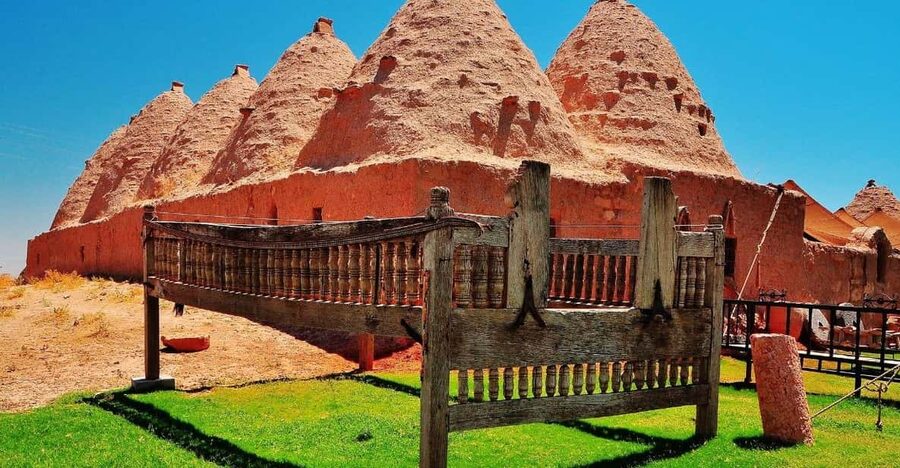
- Harran’s ruins and beehive houses: what you’re really seeing
- Timing, pace, and the small-group difference
- What you’ll learn (and how guides handle the tough questions)
- Photo tips and on-the-ground comfort for this specific route
- Value and who this tour suits best
- Should you book this Istanbul to Sanliurfa Göbekli Tepe and Harran trip?
- FAQ
- Is the tour guided in English?
- How many people are in the group?
- Where do the tour activities start and finish?
- What’s included for transportation from Istanbul?
- How long is the day trip?
- Do I need to send passport copies?
Key highlights worth your attention
- Göbekli Tepe with a guide who talks about what the pillars and walls mean, not just what you can see
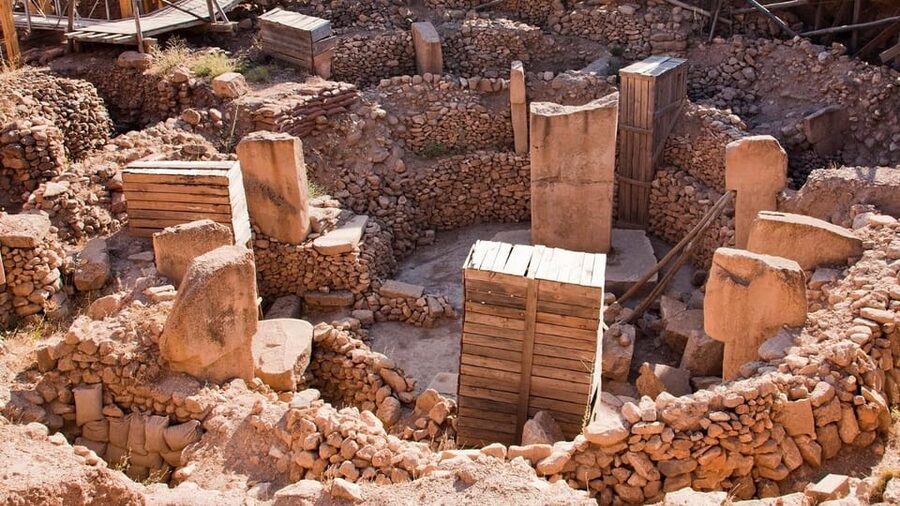
- Monolithic pillars + dry stone walls at the excavation site, with time to take photos
- Edessa stop framed as one of the world’s key holy places, including Abraham’s Cave
- Harran ruins and beehive houses, plus museum time that helps you understand the area
- Small group (up to 12) with a pace that doesn’t feel rushed for a flight day
- Flight + airport transfers from Istanbul and Sanliurfa, to cut down on logistics stress
Worth putting side by side with this Istanbul pick:
The big idea: why this Göbekli Tepe and Harran day trip feels efficient
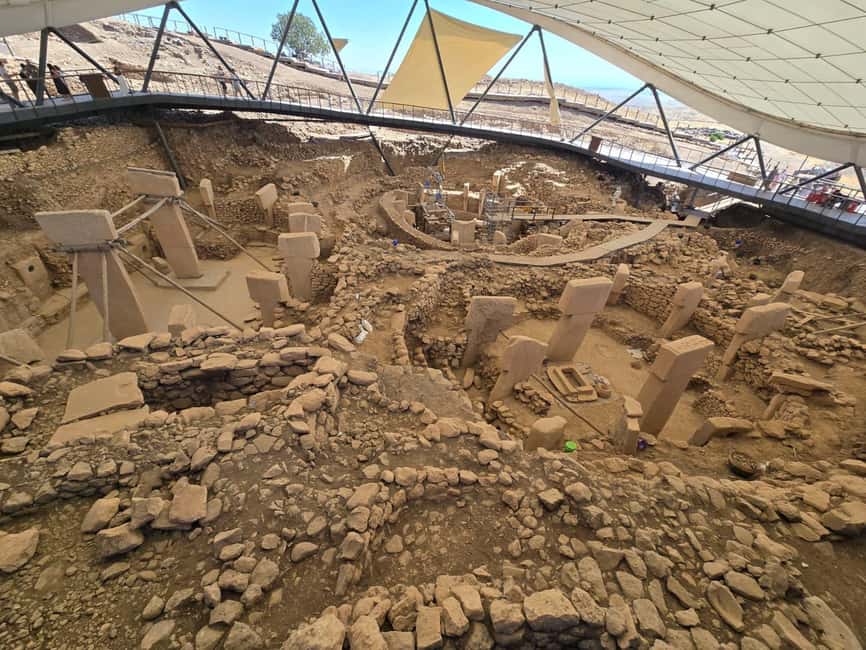
This tour is designed for people who want the headline sites of Southeastern Anatolia without turning it into a multi-day logistical puzzle. You fly from Istanbul to Sanliurfa, you get guided access to Göbekli Tepe, and then you move through Edessa and Harran in the same sweep—then you fly back.
That structure matters. Göbekli Tepe isn’t the kind of place you’ll properly enjoy by skimming. It’s stonework and symbolism, and the excavated layout rewards interpretation. Same story with Harran: the beehive-shaped houses look striking, but you understand them faster with a guide guiding the order of what to notice.
You also get a clear benefit from the small-group setup. With a group limited to 12, you’re less likely to feel like you’re being herded between stops. In this region, where the road time is real and the sites are spread out, that small-group feel can be the difference between a day that’s fun and one that’s frantic.
The flights and transfers that keep the day from unraveling
The backbone of the day is simple: you start with convenient pickup from your hotel in Istanbul (if you add your address when booking), then you transfer to the airport. After that, you take a flight to Sanliurfa and meet your guide on arrival. When the touring portion ends, you’re transferred back to the airport and return to Istanbul, then back to your hotel.
Why I think this is smart: it protects your energy for the sites. Instead of spending your precious daylight figuring out buses, timing, and connections, you get a handled travel rhythm. The tour also includes private airport transfers in both Sanliurfa and Istanbul, which helps avoid that last-hour scramble that ruins sightseeing days.
One practical detail to note: the tour’s guiding starting and finishing point is listed as Sanliurfa City Center (with coordinates 37.44546127319336, 38.904457092285156). That matters most if you’re arriving or departing independently within Sanliurfa.
Göbekli Tepe: UNESCO ruins with real context, not just sightseeing
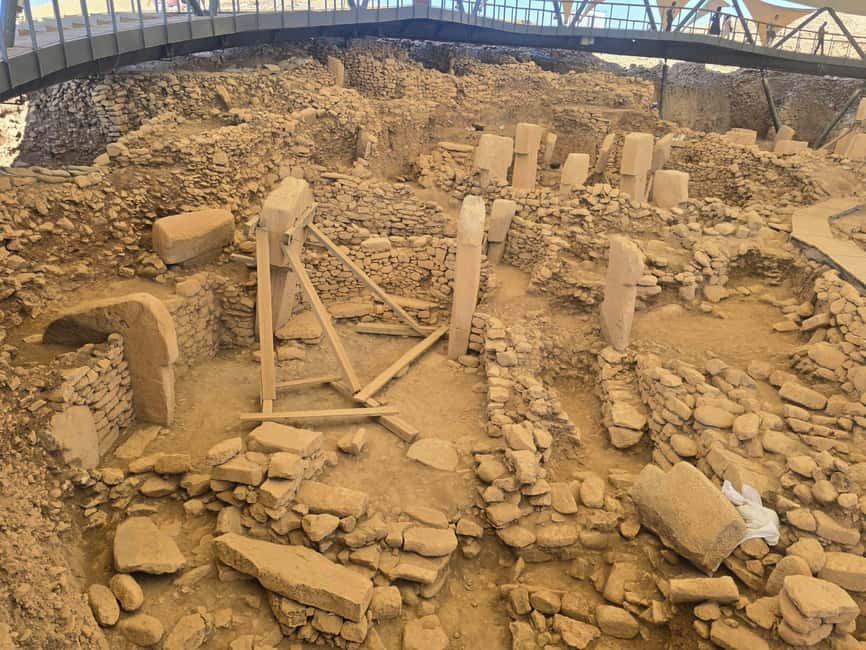
Göbekli Tepe is the reason most people book. It’s a UNESCO World Heritage Site, and it’s widely associated with the idea of an extremely early temple tradition. The site you visit is an active excavation area, which changes how you experience it: you’re not looking at a polished monument. You’re looking at something being revealed.
The tour’s focus is on the key feature that makes Göbekli Tepe unforgettable: the monolithic pillars connected by dry stone walls. At ground level, those pillars are heavy and physical, but the meaning sits in the arrangement—how the space is structured and what that could suggest about ritual life.
What I’d do to make the most of your time there:
- Pay attention to the way the pillars form circles or structured spaces. Even if your guide is doing most of the talking, let your eyes follow the layout.
- Ask questions when you get them. This is exactly the kind of site where a thoughtful guide can explain competing theories without turning it into sci-fi or fantasy.
- Plan your photos with a pause in mind. The better tours give you time to take pictures without making you sprint between angles.
One reason this tour gets such strong praise is the way guides handle the interpretation. Ibrahim, for example, is described as completing a PhD in archaeology and bringing a level of scholarly confidence—without sounding cold. Other guides you might get (like Selim or Yusuf) are praised for being friendly, responsive, and able to answer questions clearly in English.
- Best of Istanbul 1, 2 or 3-Day Private Guided Istanbul Tour★ 5.0 · 8,922 reviews
- Istanbul: Basilica Cistern Fast-Track Entry and Audio Guide★ 4.6 · 7,521 reviews
- Istanbul: Hagia Sophia Skip-the-Line Ticket & Museum Option★ 3.7 · 4,958 reviews
- Istanbul: Hodjapasha Whirling Dervishes Show & Exhibition★ 4.4 · 4,790 reviews
Edessa: the holy-place layer that makes the region click
After Göbekli Tepe, the tour shifts to Edessa, described as one of the most important holy places. This step is valuable because it changes how you read the landscape of Southeastern Anatolia. Instead of only thinking Neolithic-era ritual space, you start seeing how later cultures and religions shaped the area’s sacred geography.
You’ll explore Edessa with your guide and visit Abraham’s Cave. That stop connects the story of Abraham to a specific sacred location, and it helps you understand why the sites around Sanliurfa and Harran draw religious attention long after the Neolithic world ended.
If you want a simple way to anchor this mentally: think of Edessa as the tour’s bridge between archaeology and living belief. You’ll still be in an old setting, but the tone becomes more about how meaning was carried forward—through stories, sites, and tradition.
Harran’s ruins and beehive houses: what you’re really seeing
Harran is where the tour adds atmosphere and texture. The ruins are compelling on their own, but the beehive houses make the visit feel specific to the region rather than generic “old ruins.”
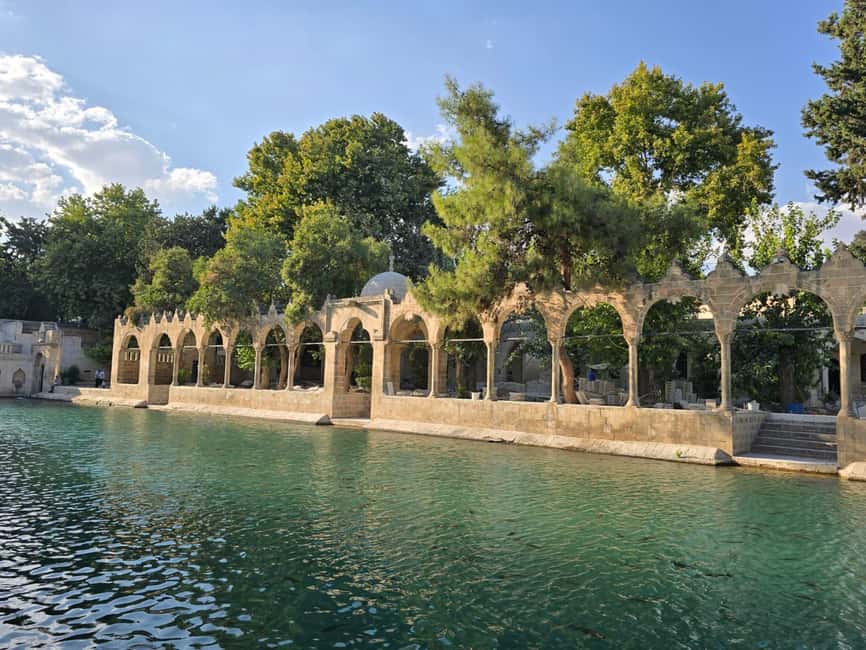
The tour includes exploration of the ancient city of Harran with your guide. You’ll also visit additional highlights tied to the area’s cultural memory, and guides often help visitors understand what makes these features distinctive—especially the beehive-style structures that are frequently photographed because they look unusual compared to more familiar architecture.
You may also have museum time on this route. In the feedback you provided, the mosaic museum and the Pool of Abraham (also associated with the fish pond area) show up as memorable add-ons. Even if you’ve only read about Harran in passing, these stops can make your visit feel less like a checklist and more like a coherent regional story.
Timing, pace, and the small-group difference
A day-trip like this has natural pressure: flights, meeting times, and drive time. What you want is a group rhythm that doesn’t make you feel like you’re constantly racing your own feet.
This is where the small group of up to 12 matters. In a tour with many stops, a larger group can turn every transition into a negotiation. Here, you’re more likely to get a smoother flow and more chances to hear your guide clearly.
Also, it sounds like the guides are practical about your needs. Multiple accounts mention guides being attentive and respectful—people felt comfortable asking questions and getting answers. There’s also mention of guides giving space to take photos, which is a small thing until you’re the person holding up the group because you’re trying to get one good shot of a pillar arrangement.
If you’re sensitive to long driving days, pack accordingly. Bring water, expect some time in cars, and keep your schedule flexible with the fact that the overall duration is listed as 7–22 hours.
What you’ll learn (and how guides handle the tough questions)
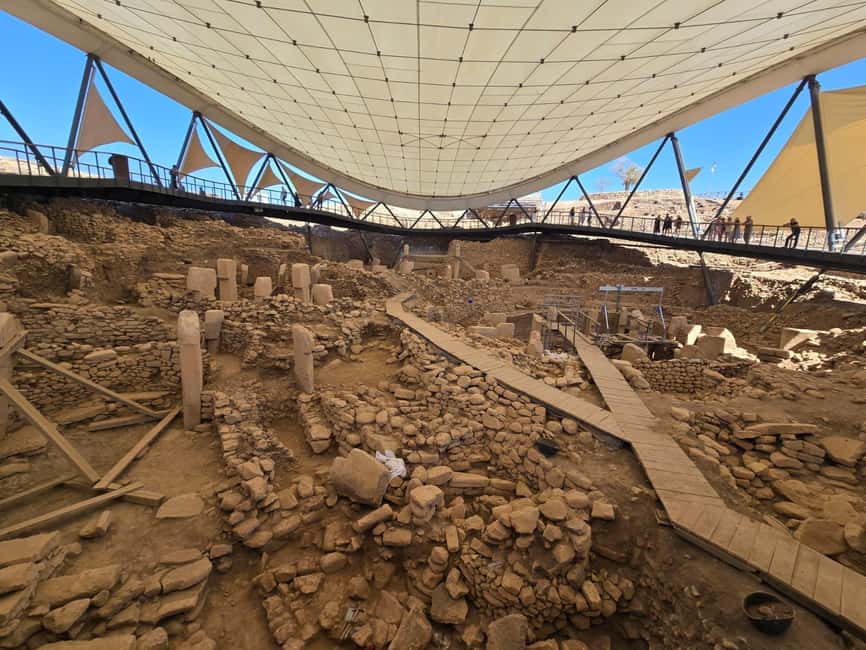
Göbekli Tepe triggers big ideas, and it’s easy for tours to either oversimplify or overhype. One of the best signals in your provided feedback is that Ibrahim (and other guides) are praised for connecting findings to broader theories—without losing the thread of what’s observable on site.
Some people want the history. Others want the science. Here, you’re likely to get both in a way that stays grounded. Ibrahim’s focus is described as paleolithic archaeology, and his explanations are praised for blending complex thinking—sometimes even linking it to celestial or much-longer-timescale theories—while still being understandable and human.
That matters because at Göbekli Tepe, you won’t just be seeing ancient stone. You’ll be dealing with questions like: what kind of ritual space was this? why arrange pillars this way? how do later stories and sacred sites connect?
A good guide helps you enjoy the questions instead of getting stuck in arguments.
Photo tips and on-the-ground comfort for this specific route
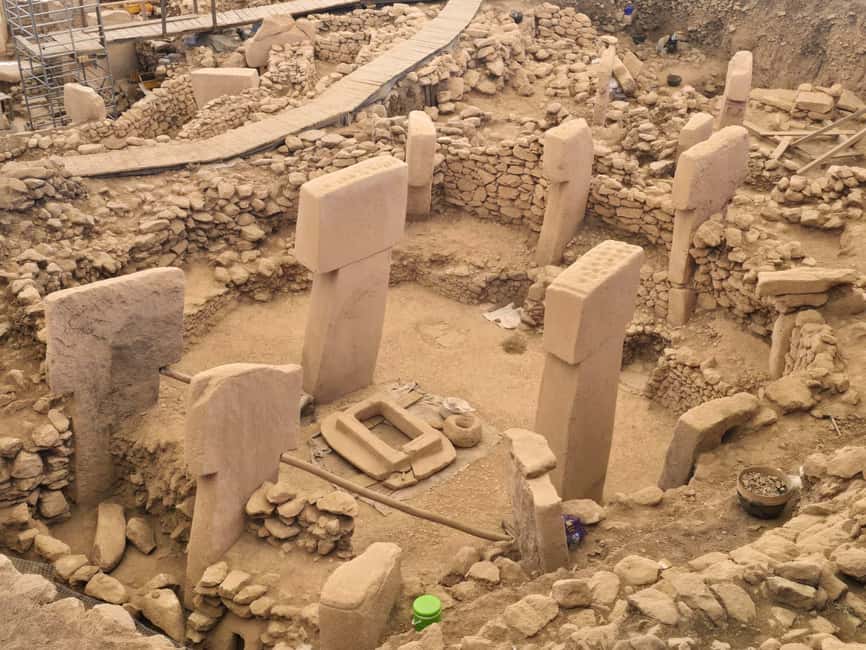
You’ll take photos at least at Göbekli Tepe and Harran. The best way to keep photos from draining your day is to build a quick shot plan:
- First, take wide shots that capture the pillar-and-wall layout.
- Then take close-ups once you’ve got the “big idea” composition in your camera.
- Save your longest close-up time for when your guide is explaining something, so you’re not rushing to catch details later.
Comfort-wise, plan for a long transit day. Even with flight handling and private transfers, you should expect early pickup, airport pacing, and the reality that the day will stretch. If you’re traveling in warmer months, you’ll want light layers and sunscreen, and a hat helps for outdoor time at the sites.
Value and who this tour suits best
Since you didn’t share a price here, I’ll judge value by what’s included and what it replaces. This trip rolls together:
- Flights between Istanbul and Sanliurfa
- Private airport transfers on both ends
- A live English guide
- Entry handled in a way that includes skip the ticket line
- Multi-stop guided sightseeing covering Göbekli Tepe, Edessa/Abraham’s Cave, and Harran
That combination can be strong value if you hate logistics. It can also be strong if you want a guided explanation without arranging separate tours in Sanliurfa.
Who it fits:
- You’re on a tighter schedule and want the headline sites of the region in one day.
- You care about archaeology and want interpretation at Göbekli Tepe, not just a walk-around.
- You like culture stops that connect religion and history through actual places like Abraham’s Cave and Harran’s architecture.
Who might not love it:
- You don’t like long travel days. The listed duration range (7–22 hours) is your warning label.
- You want total free time at each site. This route is designed for efficiency, so there’s less slow wandering than on a multi-day plan.
Should you book this Istanbul to Sanliurfa Göbekli Tepe and Harran trip?
I’d book it if you’re excited by the idea of seeing Göbekli Tepe with a strong, English-speaking guide and then continuing on to Harran in the same day without wrestling with transportation. The strongest reason to choose this one is the guiding quality: people mention guides like Ibrahim for his archaeology training and his ability to explain complex ideas clearly, plus other guides (like Selim and Yusuf) who are described as friendly, attentive, and responsive.
I’d hesitate if you’re easily worn down by travel time. This is not a slow sightseeing day—it’s a flight-and-site day, and the overall duration can run long.
If you go, do one smart thing beforehand: decide what you want most from the trip—archaeology interpretation at Göbekli Tepe, the sacred stops around Edessa and Abraham’s Cave, or Harran’s ruins and beehive houses. Then you’ll know what questions to ask your guide as you go.
FAQ
Is the tour guided in English?
Yes. The tour includes a live tour guide in English.
How many people are in the group?
It’s a small group, limited to 12 participants.
Where do the tour activities start and finish?
The guiding service starting and finishing point is Sanliurfa City Center.
What’s included for transportation from Istanbul?
You get a convenient pickup from your hotel in Istanbul (pickup optional) and private airport transfers in Istanbul and Sanliurfa. The tour also includes a flight from Istanbul to Sanliurfa and back.
How long is the day trip?
The duration is listed as 7–22 hours, depending on the starting time and schedule.
Do I need to send passport copies?
If you book the full package option, the tour says you need to send passport copies by mail so domestic tickets can be issued.
More 1-Day Tours in Istanbul
- From Istanbul: Sapanca and Masukiye Day Trip with Lunch★ 4.0 · 1,036 reviews
- All in One Day Istanbul – Historical Tour of Istanbul with Bosphorus Cruise★ 5.0 · 489 reviews
- Istanbul: Bursa & Uludag Mountain Day Trip w/ Opt. Cable Car★ 3.7 · 447 reviews
- Istanbul Shore Excursion: Istanbul in One Day Sightseeing Tour★ 4.0 · 273 reviews
- From Istanbul: Day Trip to Cappadocia with Flight & Lunch★ 4.6 · 182 reviews
- Istanbul: Bursa and Uludag Full-Day Trip with Cable Car Ride★ 3.6 · 164 reviews
More Tour Reviews in Istanbul
- Istanbul: Bosphorus Dinner Cruise & Show with Private Table★ 4.8 · 62,058 reviews
- Istanbul: Daytime or Sunset Sightseeing Cruise & Audio Guide★ 4.8 · 14,430 reviews
- Istanbul: Bosphorus Dinner Cruise & Turkish Night Show★ 4.8 · 12,954 reviews
- Best of Istanbul 1, 2 or 3-Day Private Guided Istanbul Tour★ 5.0 · 8,922 reviews
- Istanbul: Basilica Cistern Fast-Track Entry and Audio Guide★ 4.6 · 7,521 reviews
- Istanbul: Hagia Sophia Skip-the-Line Ticket & Museum Option★ 3.7 · 4,958 reviews
Fresh off the boat: new Istanbul reviews


1-Day Tours, compared.
 ★ 4.0From Istanbul: Sapanca and Masukiye Day Trip with LunchFrom $291,036 reviews
 ★ 5.0All in One Day Istanbul – Historical Tour of Istanbul with Bosphorus CruiseFrom $164489 reviews
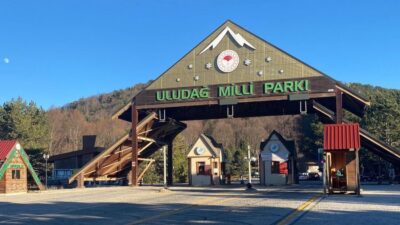 ★ 3.7Bursa & Uludag Mountain Day Trip w/ Opt. Cable CarFrom $31447 reviews
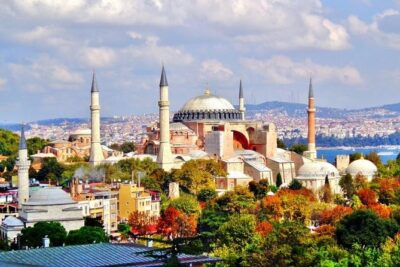 ★ 4.0Istanbul Shore Excursion: Istanbul in One Day Sightseeing TourFrom $100273 reviews
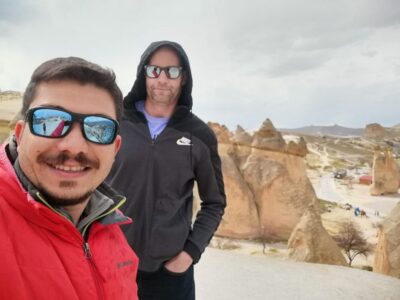 ★ 4.6From Istanbul: Day Trip to Cappadocia with Flight & LunchFrom $188182 reviews
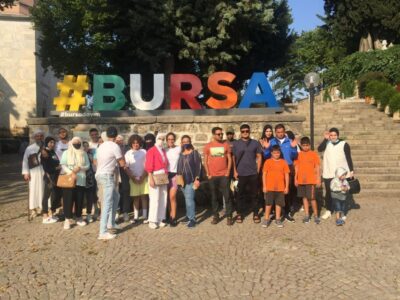 ★ 3.6Bursa and Uludag Full-Day Trip with Cable Car RideFrom $58164 reviews
 ★ 4.5Gallipoli Day Trip from IstanbulFrom $240147 reviews
 ★ 4.5Bursa and Uludag Mountain Day Trip with Cable CarFrom $66107 reviews
Browse the lists this tour appears in