
REVIEW · GALLIPOLI & TROY DAY TRIPS
Full-day Gallipoli Tour
Gallipoli hits hard, even from the bus window. I love the small-group pace and the way an English live guide ties the April 1915 campaign to what you’re looking at today. The one drawback to plan around is the long day: the drive back can get slowed by port-area traffic.
After an early hotel pick-up from the Old City (Sultanahmet area), you’ll ride out through Turkish countryside in an air-conditioned vehicle. This is one of those tours where the travel time matters because you’re building context on the way, not just hopping between stops like a checklist.
Once you reach the peninsula, the day becomes a focused walk through the Gallipoli Campaign—starting with the Allied landings and the choices that cost lives, then moving to the ground linked with Australian stories and finally the Gabatepe Museum. It’s moving, but it’s also practical: you’ll leave with a clearer sense of why the battle unfolded the way it did and what “the campaign” looks like on the ground.
In This Review
- Key highlights you’ll feel immediately
- Hotel pick-up in Sultanahmet and the drive that sets the tone
- The April 1915 campaign context you actually need
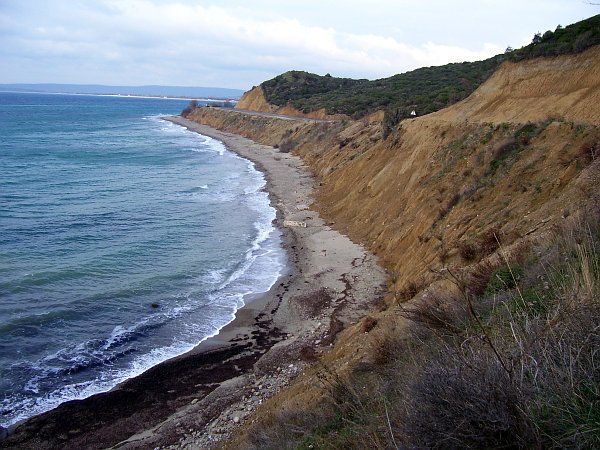
- Anzac Cove and Brighton Beach: the shoreline where plans met reality
- Lone Pine Ridge and the Australian connection at ground level
- December 1915 evacuation: the end that changes how you read the whole day
- Gabatepe Museum: objects and personal details that make the war feel real
- Lunch, the 16-hour day, and how to avoid feeling rushed
- Price and value: what $185 buys you on the peninsula
- Who should book this Gallipoli full-day tour?
- Should you book the Full-Day Gallipoli Tour?
- FAQ
- FAQ
- How long is the Full-Day Gallipoli Tour?
- What does the tour cost?
- Where is pick-up included?
- How big is the group?
- Is the guide available in English?
- Which major sites are included?
- Is lunch included?
- Are beverages included?
- Do you skip the ticket line?
- Is free cancellation available?
- Are there any dates when the tour doesn’t operate?
Key highlights you’ll feel immediately
- Small group (up to 14) keeps the guide’s explanations clear and easy to ask questions about
- Anzac Cove and Brighton Beach show you the first landings and why that phase was so deadly
- Lone Pine Ridge connects the terrain to the Australian fighting spirit often associated with the campaign
- Gabatepe Museum adds the objects angle—weapons, ammunition, photos, and personal items
- Skip the ticket line helps you use more of your day on the sites rather than waiting
More time at Gallipoli and Troy
Hotel pick-up in Sultanahmet and the drive that sets the tone
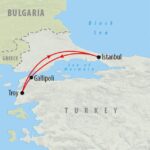
Most Gallipoli day tours rise early, but this one starts in a way that’s pretty easy: centrally located hotel pick-up in the Sultanahmet area (Old City). You’ll meet your driver and group, then head out with the guide for a long day that runs about 16 hours total.
What I like here is that the ride isn’t wasted time. You’re leaving Istanbul’s streets for countryside, and the guide can give you the “why” before the “what.” That matters at Gallipoli, because without context it’s easy to treat the sites as pretty viewpoints. With context, they read like a timeline you can walk.
One practical note: pick-up time can vary based on where your hotel sits, so don’t plan anything right before departure. If you like a relaxed start, set your morning up like you’re going to the airport—quiet, ready, and not juggling last-minute errands.
The April 1915 campaign context you actually need
This is a World War I story, but the tour keeps it grounded in one clear goal: the Allies wanted access to the Gallipoli Peninsula to reach safe access to Constantinople—today’s Istanbul. If they could get Istanbul, they hoped to knock Turkey out of the war and support Russia against the Central Powers (Germany and the Austro-Hungarian Empire).
That’s the strategic picture. On the ground, the tour uses that framework to explain why decisions at the shoreline mattered so much. The battle began on 25 April 1915, and the route helps you feel the sequence: the initial landing phase, the hard fighting along the ridges, and the eventual decision point that led to evacuation.
If you’re expecting only “trivia facts,” you might be disappointed. If you want a guided explanation of how geography affects war decisions, you’ll likely get what you came for. The best Gallipoli tours don’t just point—you understand.
Anzac Cove and Brighton Beach: the shoreline where plans met reality
Anzac Cove is where the Allied forces made their initial beach landing. This is one of the most famous parts of the peninsula, and the reason you’re there is straightforward: the tour explains it as a strategic error that contributed to massive loss of life.
Here’s what you can do to make this stop hit harder—in a good way. Slow your pace. Don’t rush for photos. Look at the shape of the coastline and the relationship between the waterline and the higher ground. You don’t need to be a military expert to sense how hard it would have been to move from landing craft to secure positions under pressure.
Brighton Beach is paired with Anzac Cove, which helps your brain connect dots. When you see the landing sites in sequence, you get a clearer idea of how the early phase could go wrong for reasons beyond bad luck. It becomes about timing, movement, and the difficulty of controlling the first moments of a landing.
Practical tip: this is the part of the day where you’ll likely want water nearby. You won’t get beverages included, so plan to buy them where possible rather than relying on the tour van to have everything handled.
Worth putting side by side with this Istanbul pick:
- Istanbul: Full-Day Highlights Tour with Guide and Lunch★ 4.6 · 1,662 reviews
- From Istanbul: Full-Day Princes Island Tour with Lunch★ 4.0 · 1,550 reviews
- Istanbul: Galata Tower All-Day Entry Ticket with Audio Guide★ 4.4 · 1,190 reviews
- ISTANBUL BEST: Iconic Landmarks Full Day PRIVATE Guided City Tour★ 5.0 · 1,032 reviews
Lone Pine Ridge and the Australian connection at ground level
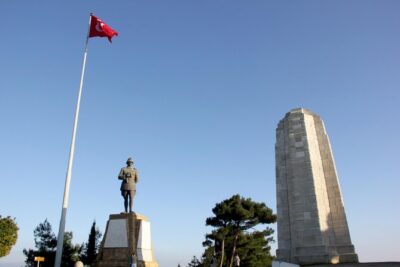
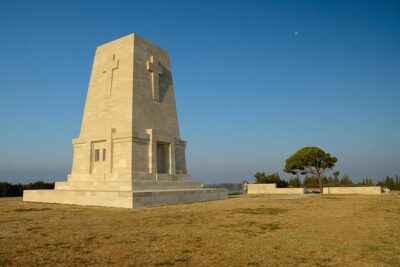
The tour then turns to Lone Pine Ridge, a name that carries weight for Australian and New Zealand remembrance. You’ll hear the link to the fighting spirit associated with the campaign, and you’ll also learn why it’s often referenced in connection with the film Gallipoli.
The tour frames Lone Pine Ridge as a place where many Australian soldiers lost their lives. That’s not just a historical note—it affects how you interpret everything around you. When a site is tied to a specific ridge line and a specific unit experience, you start reading the terrain differently.
If you like memorial sites that feel specific rather than generic, Lone Pine is a strong stop. It’s not only about a big-name label. It’s about how that ridge functioned within the larger Gallipoli story—why ridgelines matter, and why holding or losing ground could change the whole tempo of the battle.
Also, don’t underestimate the emotional aspect of this kind of terrain-based remembrance. You’ll be standing where people once fought, and the guide’s job is to translate that into meaning without turning it into a lecture. The best moments are often when the guide slows down and points out what you should pay attention to.
December 1915 evacuation: the end that changes how you read the whole day
One reason Gallipoli tours can feel heavy in a productive way is that they follow through to the outcome. By December 1915, the Allies armies were forced to evacuate after thousands of British, Australians, New Zealanders, and Turkish soldiers had lost their lives.
Even if you’ve read about Gallipoli before, this stop-and-explain approach helps you understand why the campaign is remembered the way it is. Evacuation isn’t just an ending date—it’s the point where hopes for rapid success collapse into a brutal reality.
This is also where you may start seeing how the earlier landing phase and the ridge fighting connect. The shoreline phase explains how the campaign began, and the ridges explain how hard it was to shift momentum. Put together, the day feels like a single narrative instead of separate photo stops.
If your brain likes structure, try asking yourself a simple question during this part: What must have been true on the ground for evacuation to become the only option? Your guide’s explanation should make that question easier to answer.
Gabatepe Museum: objects and personal details that make the war feel real
The day finishes at the Gabatepe Museum, and this is a smart move for anyone who needs more than locations. Museums don’t replace sites—but they add a different layer: what the war looked like in artifacts, documents, and personal items.
You’ll have the chance to see relics from the campaign, including weapons, ammunition, photographs, and private items belonging to soldiers. That’s the kind of detail that pulls history out of the abstract. A battlefield tour gives you the terrain; the museum gives you the human scale.
Here’s the value for you: if the outdoor stops start to blur together emotionally, the museum can reset your focus. It turns a day of remembering into something you can understand with your eyes—materials you can identify and interpret in a non-technical way.
Also, museum time tends to be slower and more reflective, which can help you process what you’ve just seen. In a 16-hour day, that pause is not a small thing.
Lunch, the 16-hour day, and how to avoid feeling rushed
Lunch is included, but beverages are not. That alone is a reason to manage your expectations. You’ll get fed, but you’ll want to be ready to top up water and drinks on your own.
The timing matters more than you might think. One of the practical pieces of feedback from recent participants is that the return can become a chore if traffic builds—especially in the port area when other evening plans kick in. The tour duration is long, and the last stretch is where you’ll feel it.
My advice: treat your evening like a soft landing. Don’t schedule a tight dinner reservation far away, and don’t plan anything you’d be cranky about if you’re delayed. If you have a choice, aim for something close to where you’re staying after the tour.
And yes, you can reduce stress by being prepared: comfortable shoes, a small layer for sea-breeze weather, and a snack you can grab if you feel hungry before or after lunch. The included lunch helps, but the tour still moves at a full-day rhythm.
Price and value: what $185 buys you on the peninsula
At about $185 per person for a 16-hour experience, you’re paying for a lot more than the sites. You’re buying guided interpretation, transportation in an air-conditioned vehicle, hotel pick-up and drop-off, entrance fees, and lunch, all while working within a small group capped at 14 participants.
So the real question is value: is it worth it compared with going on your own? For many people, yes—especially if:
- you want an organized route that hits the key Gallipoli Campaign points in one day
- you prefer understanding the “why” from a live English guide, rather than piecing it together alone
- you’d rather spend your time at Anzac Cove, Brighton Beach, Lone Pine Ridge, and Gabatepe Museum than negotiating logistics across the peninsula
The main “cost” isn’t money. It’s stamina. A full-day tour like this asks you to stay engaged from early pick-up to late return. If you’re traveling with limited patience for long days, you may want something shorter or more flexible.
But if you can handle a long day, the structure adds real comfort. It’s less guesswork and more meaning per hour.
Who should book this Gallipoli full-day tour?
This tour is a strong match if you:
- care about understanding World War I context, not just taking in scenery
- like small-group formats where you can hear the guide clearly
- want the best-known Gallipoli stops plus a museum finish at Gabatepe
- appreciate having lunch and entrance fees handled for you
It may be less ideal if you:
- hate long days and want a quick hit
- get stressed by possible traffic slowdowns on the return ride
- rely on having drinks included (since beverages aren’t part of the package)
In other words, it suits people who value guided structure. If you like to go off-script, you might find the day feels tightly scheduled.
Should you book the Full-Day Gallipoli Tour?
If you’re in Istanbul and you want one day that gives you a coherent Gallipoli story—from the April 1915 landings to the December evacuation logic—this is a solid choice. The combination of shoreline sites (Anzac Cove and Brighton Beach), ridge ground (Lone Pine Ridge), and the Gabatepe Museum makes the day feel complete instead of chopped into unrelated stops.
My “yes, book it” checklist is simple:
- You want a live English guide and a small group size
- You can handle a long day and an end-of-day return that might run late
- You want both locations and museum artifacts, including personal items and photos
If that sounds like you, you’ll likely come away with the kind of understanding that makes Gallipoli more than a famous name.
FAQ
FAQ
How long is the Full-Day Gallipoli Tour?
It runs for 16 hours total.
What does the tour cost?
The price is listed as $185 per person.
Where is pick-up included?
Hotel pick-up and drop-off are included, with pick-up from centrally located Sultanahmet (Old City) hotels. Pick-up time depends on your hotel location.
How big is the group?
It’s a small group limited to 14 participants.
Is the guide available in English?
Yes, the live tour guide speaks English.
Which major sites are included?
The tour visits the historical sites of the Gallipoli Campaign, including Anzac Cove, Brighton Beach, Lone Pine Ridge, and the Gabatepe Museum.
Is lunch included?
Yes, lunch is included.
Are beverages included?
No. Beverages are not included.
Do you skip the ticket line?
Yes, the tour notes skip-the-ticket-line service.
Is free cancellation available?
Yes. You can cancel up to 24 hours in advance for a full refund.
Are there any dates when the tour doesn’t operate?
There are no departures between 22 and 26 April.
If you want, tell me your travel dates and where you’re staying (just the neighborhood is fine). I can help you think through whether this 16-hour format fits your schedule and how to plan your evening.
More Tours in Istanbul
- Best of Istanbul 1, 2 or 3-Day Private Guided Istanbul Tour★ 5.0 · 8,922 reviews
- Istanbul: Bosphorus Sightseeing Cruise Tour with Audio Guide★ 4.6 · 4,704 reviews
- Istanbul: Blue Mosque & Hagia Sophia Guided Tour w/ Tickets★ 4.8 · 3,600 reviews
- Istanbul: Blue Mosque, Hagia Sophia, & Old Town Walking Tour★ 4.8 · 2,372 reviews
- Istanbul: Princes Islands Tour with Heybeliada and Buyukada★ 4.4 · 2,305 reviews
- Istanbul: Basilica, Hagia Sophia, Blue Mosque Tour & Cruise★ 4.5 · 1,929 reviews
More Tour Reviews in Istanbul
- Istanbul: Bosphorus Dinner Cruise & Show with Private Table★ 4.8 · 62,058 reviews
- Istanbul: Daytime or Sunset Sightseeing Cruise & Audio Guide★ 4.8 · 14,430 reviews
- Istanbul: Bosphorus Dinner Cruise & Turkish Night Show★ 4.8 · 12,954 reviews
- Best of Istanbul 1, 2 or 3-Day Private Guided Istanbul Tour★ 5.0 · 8,922 reviews
- Istanbul: Basilica Cistern Fast-Track Entry and Audio Guide★ 4.6 · 7,521 reviews
- Istanbul: Hagia Sophia Skip-the-Line Ticket & Museum Option★ 3.7 · 4,958 reviews
More of Gallipoli and Troy
- Istanbul to Gallipoli Full Day Tour with Lunch and Transfers★ 5.0 · 567 reviews
- Gallipoli Full-Day Tour from Istanbul★ 4.9 · 468 reviews
- From Istanbul: Gallipoli and Anzac Full-Day Tour★ 4.9 · 345 reviews
- Troy: Full-Day Tour from Istanbul★ 4.7 · 312 reviews
- Gallipoli Day Trip from Istanbul★ 4.5 · 147 reviews
- Istanbul to Gallipoli, Canakkale and Troy. 2 Day Tour with Hotel★ 5.0 · 144 reviews
Fresh off the boat: new Istanbul reviews

Gallipoli & Troy Day Trips, compared.
 ★ 5.0Istanbul to Gallipoli Full Day Tour with Lunch and TransfersFrom $157567 reviews
 ★ 4.9Gallipoli Full-Day Tour from IstanbulFrom $154468 reviews
 ★ 4.9From Istanbul: Gallipoli and Anzac Full-Day TourFrom $159345 reviews
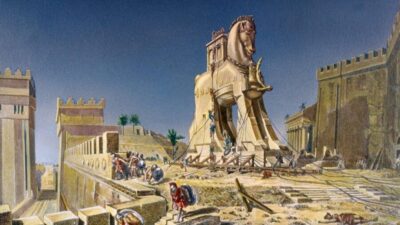 ★ 4.7Troy: Full-Day Tour from IstanbulFrom $169312 reviews
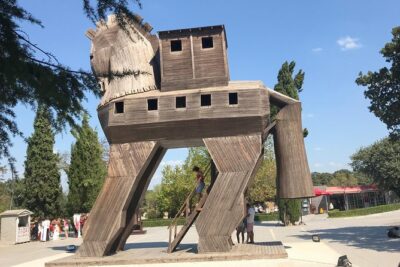 ★ 4.5Gallipoli Day Trip from IstanbulFrom $240147 reviews
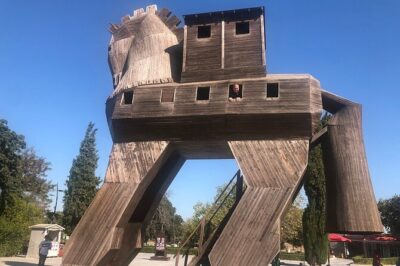 ★ 5.0Istanbul to Gallipoli, Canakkale and Troy. 2 Day Tour with HotelFrom $387144 reviews
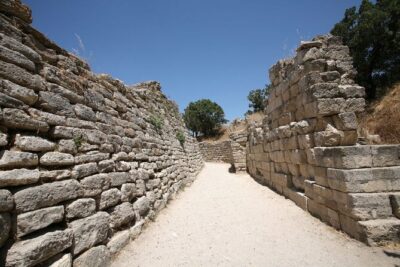 ★ 4.5Istanbul to Truva Troy Guided Day Tour with Lunch and TransfersFrom $172134 reviews
 ★ 5.0Troy Full-Day Guided Tour incl. Transfer, Ferry Tickets w/LunchFrom $151126 reviews
Browse the lists this tour appears in