
REVIEW · WALKING TOURS
Ghost City istanbul Walking Tour
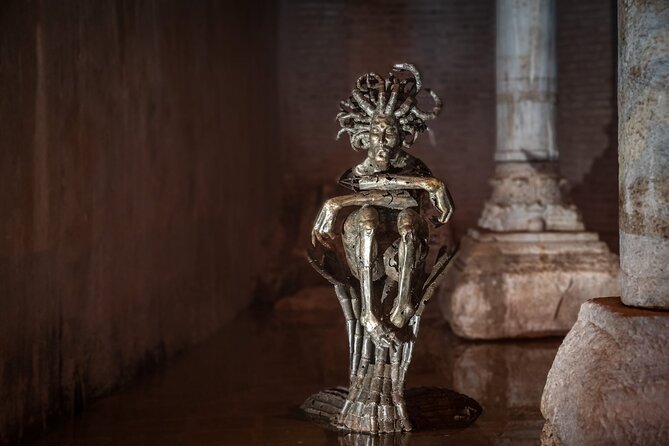
Cisterns feel like secrets you can walk into. This Ghost City Istanbul tour mixes standout monuments above ground with Byzantine water works below street level, so you get big moments fast. I especially like how the guide, Rose, ties myths into what you’re seeing, including the Medusa and Evil Eye connection and a story about Turkey’s own queen of snakes. Stop 1: Serpent Column also sets a fun theme right away with its three-headed serpent history.
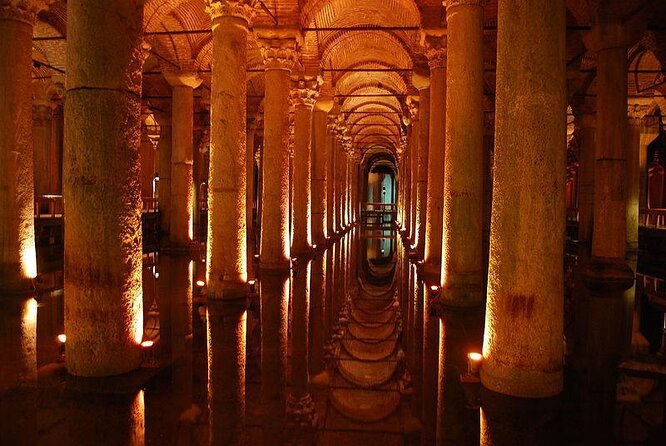
I also like the contrast between the two underground visits: the Theodosius Cistern tends to feel calmer than the best-known option, while the Basilica Cistern delivers the famous 336 marble columns in a dim, atmospheric space. One thing to plan for: cistern and site tickets are not included, so you’ll want to budget extra for admissions on the day.
In This Review
- Key highlights you should know before you go
- A cistern-heavy walk from the Hippodrome to the Basilica Cistern
- Meeting at the German Fountain and finishing at Alemdar
- Serpent Column at the Hippodrome: three heads and a big symbol
- What to watch for
- Çemberlitaş Column and the Constantine-era layer
- Theodosius Cistern: Byzantine architecture you can actually hear
- A practical tip for understanding the place
- Basilica Cistern near Hagia Sophia: 336 marble columns after renovation
- What to expect inside
- Gülhane Parkı Sarnıcı: a lesser-known water structure with aquarium roots
- Price and ticket budgeting: is $64.46 worth it?
- Who should book this Ghost City Istanbul tour
- Should you book it? A quick decision guide
- FAQ
- How long is the Ghost City Istanbul walking tour?
- What language is the tour offered in?
- How big is the group?
- What does the price include?
- Are entry tickets included for the cisterns?
- Where does the tour start and end?
- What is the cancellation policy?
Key highlights you should know before you go
- Rose’s myth connections: Medusa, Evil Eye, and serpent legends are woven into the sights
- Two major cistern stops: Theodosius Cistern plus the Basilica Cistern
- Serpent-themed start: the Serpentine Column links to the Hippodrome of Constantinople
- A second “column story”: Çemberlitaş Column, built in 330 for Constantine I
- Max 15 people: small-group feel with plenty of time for questions
- Mobile ticket and English tour: straightforward to use while you’re in Istanbul
Worth putting side by side with this Istanbul pick:



A cistern-heavy walk from the Hippodrome to the Basilica Cistern
This is a walking tour with a clear theme: ancient monuments up top, then the underground water world that kept the city running. The route is short enough to stay lively (about 2 to 3 hours) but packed with meaningful stops. You start at the Hippodrome zone, then move through columns tied to Roman-Byzantine power, and finish at the area where the big cistern experience sits.
The real value here is the story order. You see a serpent monument first, then Constantine-era symbolism, then you go under the streets to see how Byzantines built with stone, water, and repetition. Even if you only remember a couple of points, the mental map clicks: these cisterns weren’t just engineering—they were part of daily city life and imperial messaging.
If you like history that feels human (myths, symbols, and how people explained scary things), Rose’s approach is the kind of guiding style that makes the monuments stick. The reviews highlight her warmth and how she answers questions with patience, so don’t be shy about asking what the symbols mean or why certain elements show up again later in Istanbul.
Meeting at the German Fountain and finishing at Alemdar
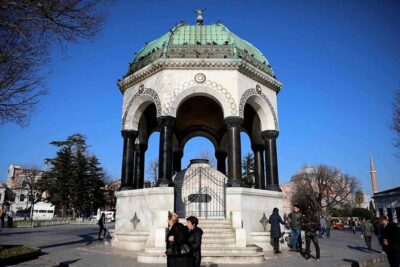
The meeting point is at German Fountain, Binbirdirek, At Meydanı Cd, 34122 Fatih/İstanbul. Ending point is at Basilica Cistern, Alemdar, Yerebatan Cd. 1/3, 34110 Fatih/İstanbul. That matters because you can plan your rest of the day around the finish, which lands you near one of the most central tourist corridors.
The tour is described as near public transportation, which is a practical win in Istanbul. Also, because it ends at the Basilica Cistern, you avoid that awkward moment of finishing far from where you actually want to be. In a city where transit can take time, that direct ending location helps you keep the rest of your schedule intact.
You’ll also want to keep in mind the group size: up to 15 people. That’s small enough for the guide to manage questions, but big enough that you won’t feel stuck in a private-only bubble. For me, the best walking tours balance momentum with space to talk, and this size is built for that.
Serpent Column at the Hippodrome: three heads and a big symbol
Stop 1 is the Serpent Column (also known as the Serpentine Column, and linked with names like Plataean Tripod and Delphi Tripod). It’s a bronze monument at the Hippodrome of Constantinople zone, and it’s instantly memorable because of its three-headed serpent motif.
Why start here? Because it gives you a concrete symbol before you go underground. Serpents in ancient Mediterranean culture often show up in power, protection, healing, and sometimes warnings. In this tour’s storytelling, that symbol becomes a thread you can carry into later stops—especially when the guide connects it to broader myth logic such as the Evil Eye and serpent-related legends.
The tour info notes admission ticket is free for this stop, so you’re not forced into a paywall right at the start. That makes the opening smooth: you get to begin with explanation and context, not a logistical pause.
Worth putting side by side with this Istanbul pick:
- Istanbul: Private Turkish Bath, Massage, and Spa in Old City★ 4.6 · 3,225 reviews
- ISTANBUL BEST: Iconic Landmarks Full Day PRIVATE Guided City Tour★ 5.0 · 1,032 reviews
- Istanbul: Best of the City Full-Day Tour with Transfers★ 4.6 · 704 reviews
- Istanbul: Private City Highlights Guided Tour★ 4.5 · 552 reviews
What to watch for
Look closely at how Istanbul repurposes older symbols in later eras. Even from a short stop, you can see how monuments survive by changing meaning over time. If you like symbolism as much as dates and rulers, this is the kind of start that rewards your attention.
Çemberlitaş Column and the Constantine-era layer
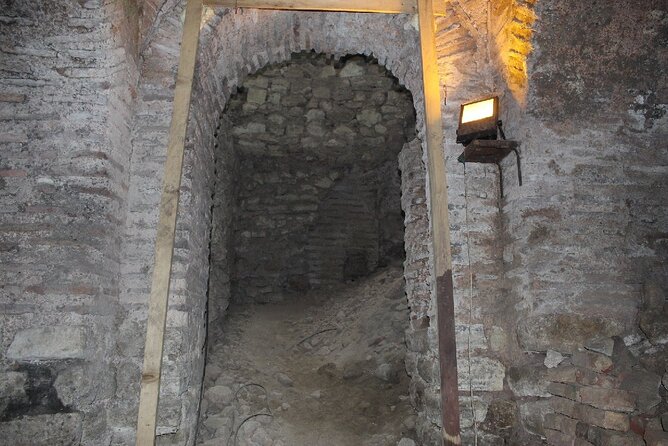
After the first serpent stop, you’ll move to Çemberlitaş Column, also called the Burnt Column or Column of Constantine. It was built in 330 in honor of Emperor Constantine I.
This stop is short on ticket details in the tour outline, but it’s valuable because it adds an “imperial timeline” layer. The Hippodrome era and the Constantine era feel like separate chapters on a map, yet Istanbul often stacks them close together in real life. Having a guide connect those dots helps you understand how new power builds on older public spaces.
If you enjoy learning how emperors shaped public identity, this is a good moment to tune in. Constantine is one of those names you hear constantly in Istanbul, and putting him next to the Hippodrome context makes him feel less abstract. You’re not just collecting a name—you’re seeing how the city’s story evolves.
Theodosius Cistern: Byzantine architecture you can actually hear
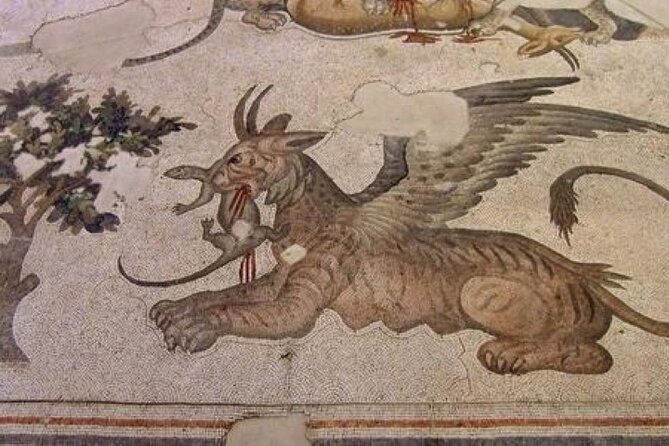
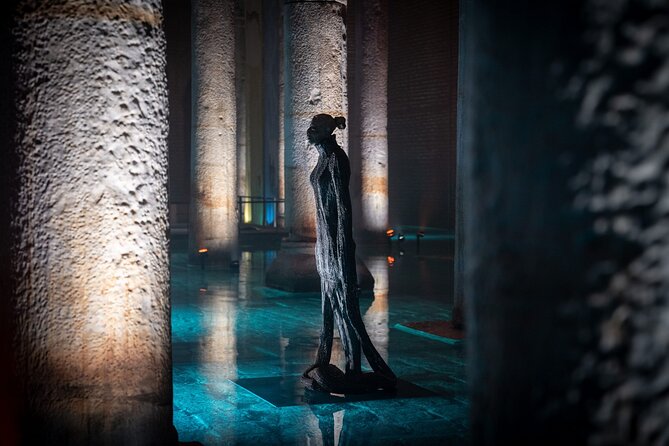
Stop 2 is the Cistern of Theodosius, a subterranean site under the streets of Istanbul. This is described as a quieter experience compared with the more famous cistern, and the setting supports that idea: you’re in an underground space with arched columns and serene pools that reflect the stonework.
The time on this stop is about 30 minutes, and admission ticket is not included. That means you’ll likely pay separately here, but it also means the tour can keep the pace focused—there’s no waiting around for a group ticket line unless you arrive late.
What I like about this stop is the shift in scale. The cistern doesn’t demand that you understand every detail to feel the effect. It’s more about atmosphere and form: repeating columns, dim light, and the way water creates a mirror-like surface. If you’ve ever wished cistern visits were less crowded and more readable, this is the right place to look.
A practical tip for understanding the place
When you’re underground, your brain naturally searches for a “why.” Ask your guide what the cistern’s layout suggests about how people moved and stored water. A good guide makes it click fast, and Rose’s style—mixing myth and meaning—tends to make even utilitarian architecture feel like part of the city’s story.
Basilica Cistern near Hagia Sophia: 336 marble columns after renovation
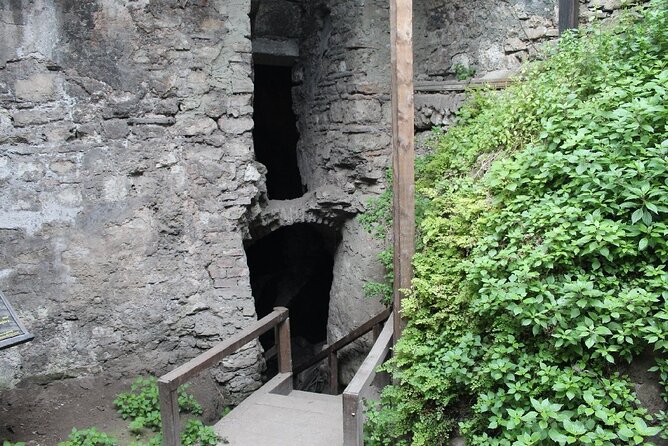
Stop 3 is the Basilica Cistern, located just a short distance from Hagia Sophia (as described). This cistern is singled out as recently renovated, and that matters for what you’ll experience. Renovations often improve lighting, walkways, and overall presentation, and you’ll feel it in how the space is managed for visitors.
You get about 30 minutes here. The highlight is the visual shock of 336 marble columns rising from the water, creating that surreal, forest-like pattern people associate with the Basilica Cistern. It’s dim and atmospheric, and the columns make it feel both grand and slightly eerie—which is exactly the vibe you want from a tour with a Ghost City theme.
The tour info says admissions are not included, so plan to pay for this separately. Still, the value is in the guiding: someone walking you through what you’re seeing helps you avoid the “I took photos and left” trap. With a guide, the columns are more than a backdrop; they become a clue to how Byzantine engineers used repetition and space to create functional beauty.
What to expect inside
This is a dim indoor setting, so your attention shifts from movement to details. I’d treat Basilica Cistern as your main photo-and-imagination stop. If you’re short on time in Istanbul, it’s also the most iconic cistern experience on this route.
Gülhane Parkı Sarnıcı: a lesser-known water structure with aquarium roots
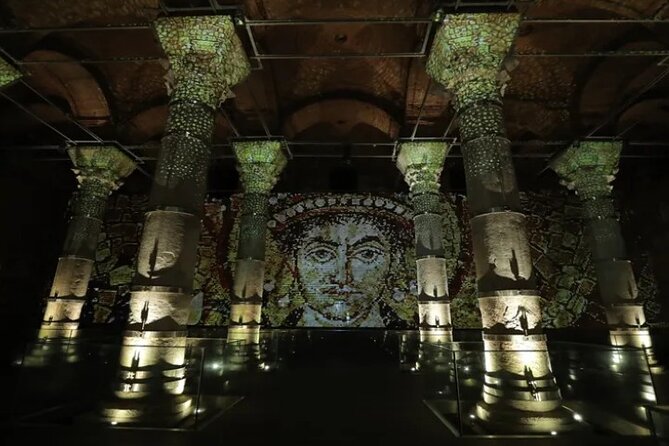
Stop 4 is Gülhane Parkı Sarnıcı. The tour describes it as open to the public now, and it notes that it was once used as an aquarium, which partly explains its configuration. Admission here is listed as free.
This stop is a smart way to end on something lighter and more local-feeling than the two big cisterns. After you’ve seen the major underground reservoirs, this one gives you a different angle: not just a monumental cistern space, but a site with a layered later use. The shift from storage to viewing is an interesting reminder that Istanbul keeps reusing buildings rather than throwing them away.
It’s also a nice break in pacing. The final stretch gives you time to catch your breath while still staying in the same historical theme. If you like learning how places change with time, this stop adds variety without derailing the tour.
Price and ticket budgeting: is $64.46 worth it?
The listed price is $64.46 per person, and the tour includes professional guidance plus all local taxes. Tickets and entry admissions are not included, so your final day cost depends on the cistern entries.
That trade-off can actually be good value. You’re paying for a guide to connect the stops and explain why each site matters, not just for access to sites you could read about later. Also, cistern admissions can vary based on current ticketing rules, so having the tour price separated from the entries can simplify what you do when you arrive.
Other value markers:
- Mobile ticket for easy check-in
- English tour
- Group discounts
- Free admission at at least two stops (Serpent Column and Gülhane Parkı Sarnıcı)
The booking pace is another practical sign. The tour is often booked about 47 days in advance on average. If you’re visiting during peak months or on a tight schedule, booking earlier helps you lock in the time.
Who should book this Ghost City Istanbul tour
I think this tour fits you best if you want a focused route that combines monuments and underground spaces without spending the whole day in transit. It’s also a good pick if you like your Istanbul history with stories you can remember, not just facts in a list.
It’s especially worth it when you care about guiding style. The standout in the reviews is Rose’s enthusiasm and her ability to answer questions patiently. I like that because a tour like this has symbols and layers, and it’s hard to guess what you’re looking at without someone pointing it out.
You might want to skip or adjust plans if you hate paying separate tickets on the day. Admissions are not included, so you’ll want to keep your budget flexible. Also, this is a walk that lasts about 2 to 3 hours, so you should be comfortable staying on your feet for that window.
Should you book it? A quick decision guide
If you want the practical Istanbul combo of columns above plus cisterns below, this is a strong choice. You get a small group experience, English guiding, and a route designed around meaning, not random stops. And the best part isn’t only the famous Basilica Cistern—it’s how Rose’s storytelling gives the whole route a consistent thread from serpent imagery through Constantine-era symbolism.
If you’re mainly after one landmark and nothing else, you might feel this is more than you need. But if you’re the type who likes to leave with a clearer understanding of what Istanbul built and why, this route is an efficient way to do it in a half-day window.
FAQ
How long is the Ghost City Istanbul walking tour?
It lasts about 2 to 3 hours.
What language is the tour offered in?
The tour is offered in English.
How big is the group?
The maximum group size is 15 travelers.
What does the price include?
The price includes professional guidance and all local taxes.
Are entry tickets included for the cisterns?
No. Tickets and entry admissions are not included, and both the Theodosius Cistern and the Basilica Cistern list admission as not included.
Where does the tour start and end?
It starts at the German Fountain, Binbirdirek, At Meydanı Cd, 34122 Fatih/İstanbul, and ends at the Basilica Cistern, Alemdar, Yerebatan Cd. 1/3, 34110 Fatih/İstanbul.
What is the cancellation policy?
You can cancel for a full refund up to 24 hours in advance of the experience’s start time.
More Walking Tours in Istanbul
- Istanbul: Blue Mosque, Hagia Sophia, & Old Town Walking Tour★ 4.8 · 2,372 reviews
- Istanbul: Fener Balat Half-day Guided Walking Tour★ 4.9 · 1,711 reviews
- Istanbul Highlights Small-Group Walking Guided Tour★ 4.5 · 1,346 reviews
- Istanbul: European and Asian Side Guided Foodie Walking Tour★ 4.9 · 1,038 reviews
- Half day Fener-Balat Walking Tour in Turkiye★ 5.0 · 308 reviews
- Istanbul: Colorful Fener & Balat Walking Tour w/Expert Guide★ 4.7 · 234 reviews
More Tours in Istanbul
- Best of Istanbul 1, 2 or 3-Day Private Guided Istanbul Tour★ 5.0 · 8,922 reviews
- Istanbul: Bosphorus Sightseeing Cruise Tour with Audio Guide★ 4.6 · 4,704 reviews
- Istanbul: Blue Mosque & Hagia Sophia Guided Tour w/ Tickets★ 4.8 · 3,600 reviews
- Istanbul: Blue Mosque, Hagia Sophia, & Old Town Walking Tour★ 4.8 · 2,372 reviews
- Istanbul: Princes Islands Tour with Heybeliada and Buyukada★ 4.4 · 2,305 reviews
- Istanbul: Basilica, Hagia Sophia, Blue Mosque Tour & Cruise★ 4.5 · 1,929 reviews
More Tour Reviews in Istanbul
- Istanbul: Bosphorus Dinner Cruise & Show with Private Table★ 4.8 · 62,058 reviews
- Istanbul: Daytime or Sunset Sightseeing Cruise & Audio Guide★ 4.8 · 14,430 reviews
- Istanbul: Bosphorus Dinner Cruise & Turkish Night Show★ 4.8 · 12,954 reviews
- Best of Istanbul 1, 2 or 3-Day Private Guided Istanbul Tour★ 5.0 · 8,922 reviews
- Istanbul: Basilica Cistern Fast-Track Entry and Audio Guide★ 4.6 · 7,521 reviews
- Istanbul: Hagia Sophia Skip-the-Line Ticket & Museum Option★ 3.7 · 4,958 reviews
Fresh off the boat: new Istanbul reviews


Walking Tours, compared.
 ★ 4.8Blue Mosque, Hagia Sophia, & Old Town Walking TourFrom $712,372 reviews
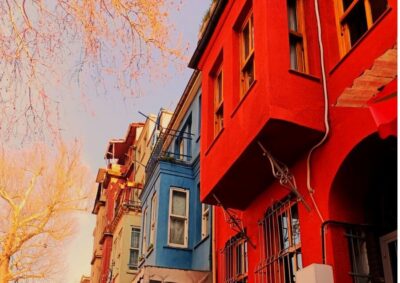 ★ 4.9Fener Balat Half-day Guided Walking TourFrom $201,711 reviews
 ★ 4.5Istanbul Highlights Small-Group Walking Guided TourFrom $1551,346 reviews
 ★ 4.9European and Asian Side Guided Foodie Walking TourFrom $1351,038 reviews
 ★ 5.0Half day Fener-Balat Walking Tour in TurkiyeFrom $20308 reviews
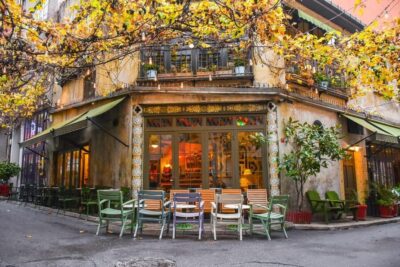 ★ 4.7Colorful Fener & Balat Walking Tour w/Expert GuideFrom $18234 reviews
 ★ 4.4Asian Side Walking Tour with Ferry RideFrom $29224 reviews
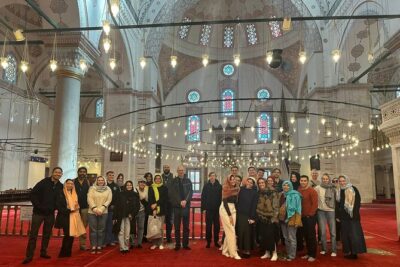 ★ 5.0Old Town Of Istanbul Orientation – Tip Based Walking TourFrom $18181 reviews
Browse the lists this tour appears in