
REVIEW · DOLMABAHCE PALACE TOURS
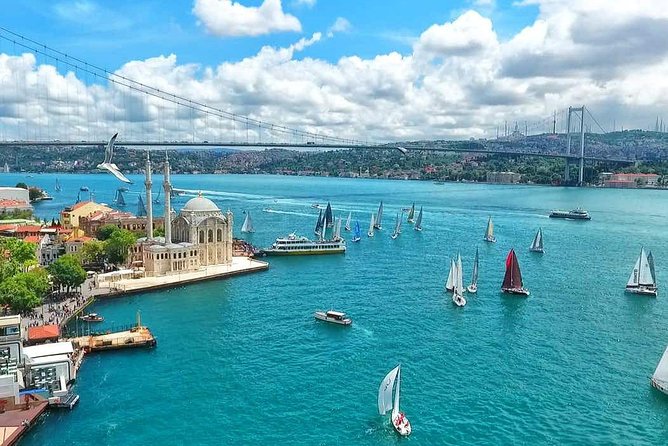
Istanbul Boat Cruise and Dolmabahce Palace & Two Continents
One day, two continents, and one palace. This full-day route strings together the best Istanbul views from the Bosphorus and the big-ticket Ottoman wow factor of Dolmabahçe Palace—plus a spice-market stroll that wakes up your senses fast. The only real catch: some departures feel rushed or shop-heavy, especially around the palace timing and a leather stop, so it pays to know what you’re signing up for.
What makes this outing appealing is the mix of Istanbul styles in one go: Golden Horn and Byzantine-era walls from the coach, a proper Bosphorus Strait cruise for the water views, and then a guided walk through the Ottoman Empire’s last grand palace. Dolmabahçe is also subject to closure: it’s closed on Mondays and Thursdays, and the tour substitutes with Pierre Loti Coffee House, Eyüp, and Miniatürk.
In This Review
- The Big-Sky Tradeoff: Comfort vs. Speed
- Quick Hits Before You Go
- Price and Logistics: What You’re Really Paying For
- Golden Horn and Balat: The City’s Layers From the Coach Window
- Spice Bazaar (Misir Carsisi): Smell First, Then Look Closely
- Dolmabahçe Palace: Ottoman Power, European Style, and the Timing Reality
- Rumeli Fortress and the Bosphorus Cruise: Where Istanbul Looks Like a Movie
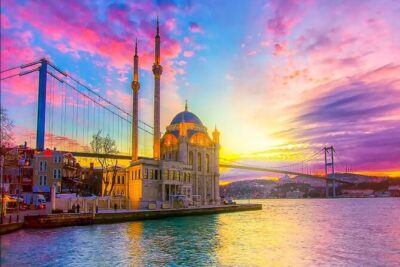
- Bosphorus Bridge and the Two-Continent Moment
- Çamlıca Hill or Yeditepe: The Panorama—But Timing Can Be Everything
- Lunch, Leather Shops, and the Uncomfortable Reality of “Included”
- Guides and Group Size: The Experience Can Swing
- Should You Book This Istanbul Boat Cruise and Dolmabahçe Tour?
- FAQ
- Is Dolmabahçe Palace included?
- How long is the Bosphorus cruise?
- What’s included in the tour price?
- Are drinks included with lunch?
- What happens at the Spice Bazaar stop?
- What time does the tour start and how long is it?
The Big-Sky Tradeoff: Comfort vs. Speed
The day moves. It’s efficient, but you’re going to spend a lot of time traveling between stops—some of it in traffic. If you’re the type who hates waiting or wants deep museum time, you might find the pacing a bit tight (and in some departures, the commentary can be lighter than you’d hope).
Cross to the Asian side another way
- Bosphorus Yacht Cruise with Stopover on the Asian Side – (Morning or Afternoon)
★ 5.0 · 1,657 reviews

Quick Hits Before You Go
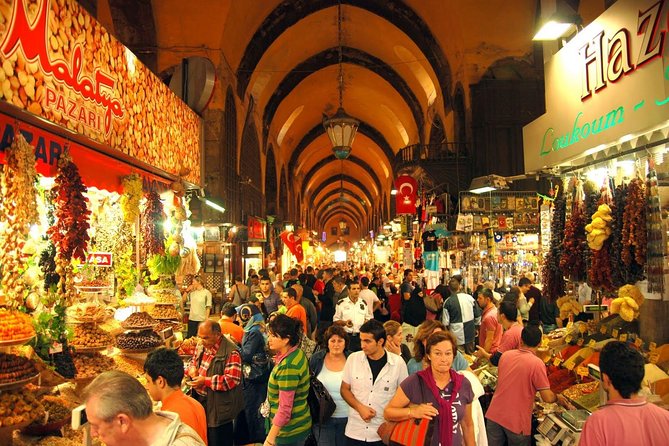
- Spice Bazaar morning stop: 45 minutes at Misir Carsisi (Egyptian Spice Market) with free admission and strong smells that actually help you remember the place
- Dolmabahçe Palace walk: roughly two hours with admission included, covering the Crystal Staircase, Secretariat’s Rooms, and Medhal Hall
- Bosphorus cruise time: 1.5 hours on a private boat route through the strait separating Europe and Asia
- Two-continent moment: a quick chance to step from Europe to Asia on/at the Bosphorus Bridge
- Panorama option on the Asian side: Çamlıca Hill or Yeditepe, depending on traffic
- Expect a sales stop: a leather store/fashion showcase is part of the flow, and some days it’s less about shopping and more about timing
Price and Logistics: What You’re Really Paying For
At about $156.03 per person for an ~8-hour day, you’re mostly buying three things: hotel pickup/drop-off, a guided set of major sights, and a Bosphorus boat cruise. Lunch is included, but drinks aren’t, so budget a bit extra if you like bottled water, soft drinks, or coffee during breaks.
This tour runs in English. In practice, some groups are mixed-language, and the guide may repeat key points in another language. That can be totally fine—until your day starts feeling slower, especially if the group is large.
One more detail that matters: the day ends back at the meeting point, but some departures handle drop-offs differently depending on where people are staying. It’s worth being mentally flexible about the very last leg of the day, since a few guests described being dropped nearer to their hotel area than they expected.
Golden Horn and Balat: The City’s Layers From the Coach Window
You start with a coach drive that frames Istanbul like a storybook with multiple chapters. The route takes you along the Golden Horn, the natural harbor where the old city grew and where the Bosphorus connects down toward the sea. From the bus, you’re not doing close-up wandering—this is for context, orientation, and big-picture understanding.
Then the tour shifts toward Balat, a colorful neighborhood tied to community history and historic landmarks. This is where names come into focus: the cast iron Church of St. Stephen the Bulgarian, the Jewish Hospital Or-Ahayim, the Fener Orthodox Patriarchate, and the long stretch of Byzantine walls (about 22 km, with multiple gates and towers). Even if you only get to see these from the bus windows and brief stop moments, it helps you connect what you’ll later notice around the old city.
What I like here for you: this “set-up” makes the rest of the day make more sense. When you later see palaces and fortifications from the water, your brain already knows what kind of coastline you’re looking at.
Watch-outs: this part can feel like a lot of driving for what’s visible on the ground. If you want hands-on, slow neighborhood time, save that for another day and treat this as orientation.
More of the Bosphorus-side palace
- Istanbul: Dolmabahce Palace and Harem Fast-Track & Audio★ 4.7 · 1,772 reviews
- Dolmabahce Palace & Harem Skip-the-Line Entry & Audio Guide★ 4.7 · 927 reviews
- Istanbul: Dolmabahce Palace and Harem Skip-the-Line Ticket★ 4.7 · 751 reviews
- Istanbul: Dolmabahce Palace & Harem Skip-the-Line Entry★ 4.5 · 401 reviews
Spice Bazaar (Misir Carsisi): Smell First, Then Look Closely
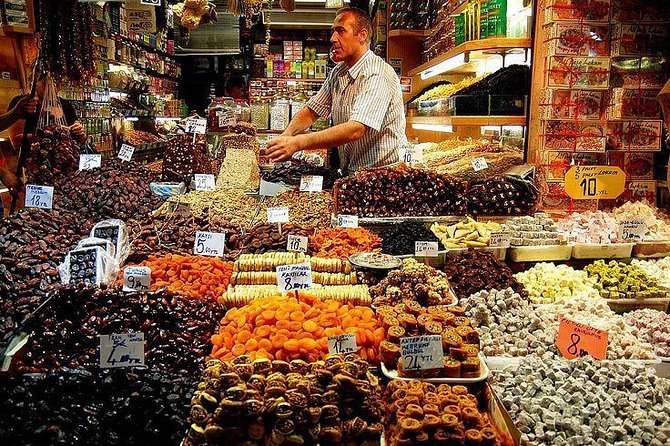
Next comes the sensory hit: the Spice Bazaar (Misir Carsisi / Egyptian Bazaar). You get around 45 minutes, and the point isn’t shopping—it’s getting your bearings in a place that feels loud, busy, and alive.
You’ll see stalls selling spices in bright colors, plus fruits, vegetables, fish, flowers, and all sorts of goods stacked in a way that makes you wonder how the vendors ever keep track of everything. The best strategy is simple: buy nothing on your first walk past the stalls. Take 10 minutes just to absorb the scene. Then, if you want, circle back.
Small practical tip: bring a light layer. Indoor markets can be cooler, and you’ll switch between vehicle air-conditioning and street heat all day.
Why this stop is worth it: it’s one of the few parts of Istanbul that hits your senses instantly. And it’s short enough that it won’t steal the day from the heavier hitters like Dolmabahçe and the Bosphorus cruise.
Dolmabahçe Palace: Ottoman Power, European Style, and the Timing Reality
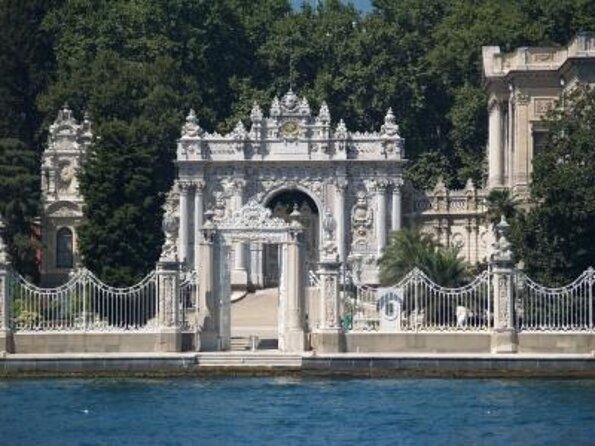
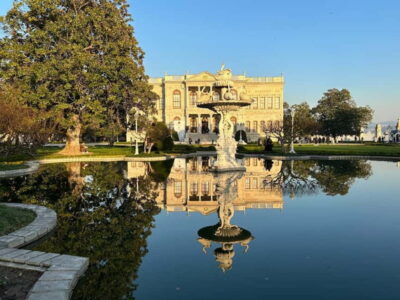
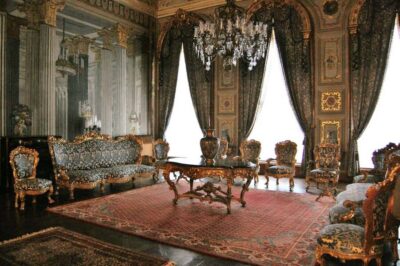
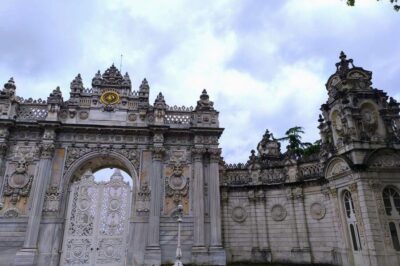
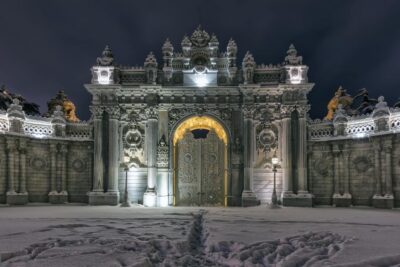
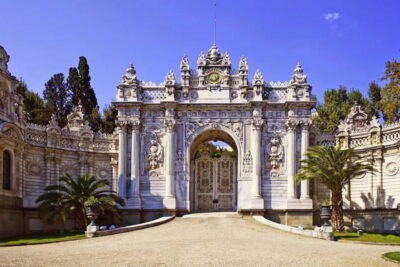
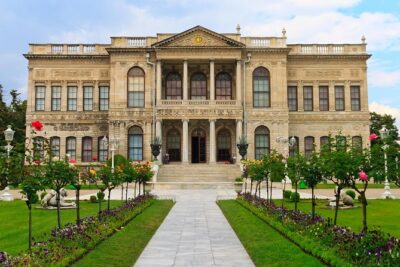
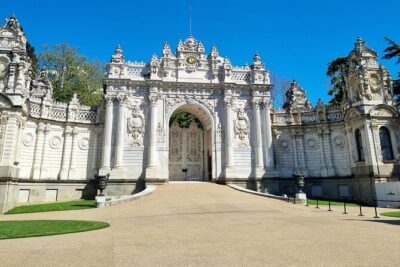
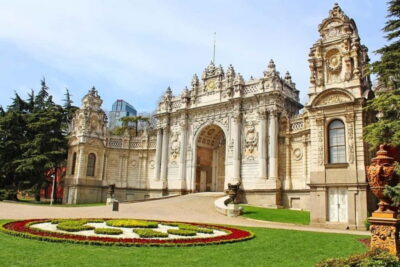
Then you get to the highlight for many people: Dolmabahçe Palace. This was the Ottoman sultans’ last major residence, built on about 110,000 m² by Ottoman architects Karabet and Nikogos Balyan. It functioned as the main administrative center of the empire, and it’s famous for the way it blends European neoclassical touches with Ottoman design.
Inside, the tour focuses on major rooms and signature features, including:
- Crystal Staircase
- Secretariat’s Rooms
- Medhal Hall
And yes, the palace is known for its huge chandelier (around 4.5 tons) and its scale (about 285 rooms and 46 halls).
What you’ll love if you like big interiors: Dolmabahçe isn’t just “old building, pretty views.” It feels like a stage set for power—glossy marble, ornate furnishings, and a serious amount of chandelier drama.
Photo reality: you may find photography rules are strict inside (one review specifically noted that photographs weren’t allowed). So don’t rely on a burst of phone shots. Look with your eyes first, then take pictures where permitted.
The pacing concern: multiple guests described the palace visit as rushed in some departures, sometimes finishing closer to 1.5 hours instead of the advertised time. If you’re the kind of person who wants to linger in one room and read every plaque, this is where you might feel shortchanged.
Important closure note: Dolmabahçe is closed on Mondays and Thursdays. On those days, the tour is changed to Pierre Loti Coffee House, Eyüp, and Miniatürk. So if Dolmabahçe is your one must-see, check your day of the week before booking.
Rumeli Fortress and the Bosphorus Cruise: Where Istanbul Looks Like a Movie
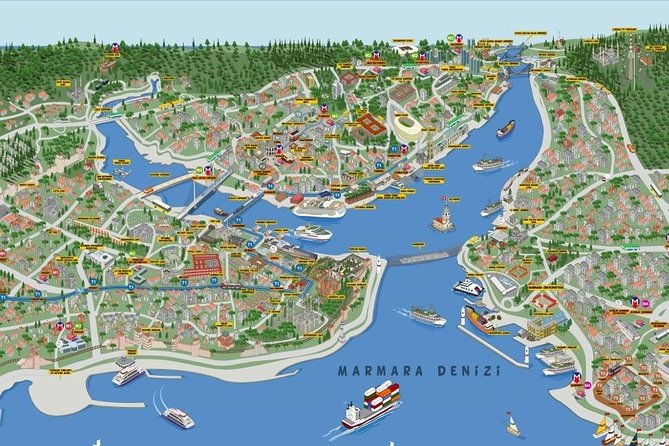
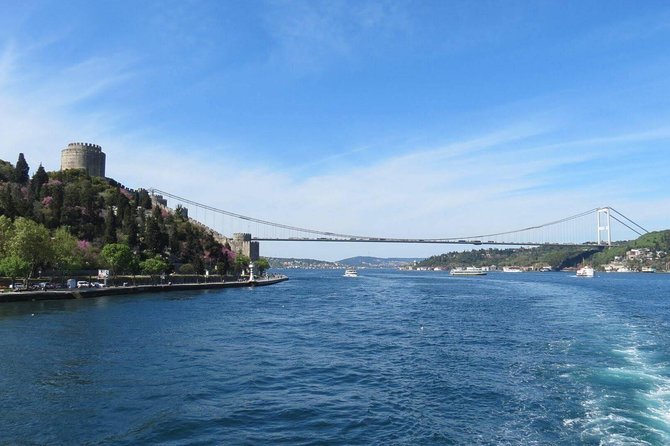
This is the part that repeatedly earns the highest praise: a Bosphorus Strait cruise on a private boat route. You get about 1.5 hours on the water, and you’ll see the strait’s key visual story—Europe’s coastline, Asia’s skyline, Ottoman-era villas, and modern apartment blocks in the same frame.
From the cruise perspective, you’ll notice how the city feels built around water. That’s not just a view—it’s the city’s logic. Even the fortifications make more sense from the boat.
You’ll also pass by or view landmarks like:
- Ottoman timber villas along the shore
- Imperial Gardens of Royal Yildiz Palace (seen from the water)
- Rumeli Fortress (described as from the boat, with no interior visit)
If you worry about weather: bring layers. In winter you can stay warmer on the lower deck, while the open upper deck is there for photos when you want them. One review noted the boat stayed warm below while still letting people pop up for pictures.
Quick photo tip: have your lens/phone ready before landmarks fully come into view. The boat moves, and the best angles can pass fast—especially around major palaces and fortress-like structures along the shoreline.
Bosphorus Bridge and the Two-Continent Moment
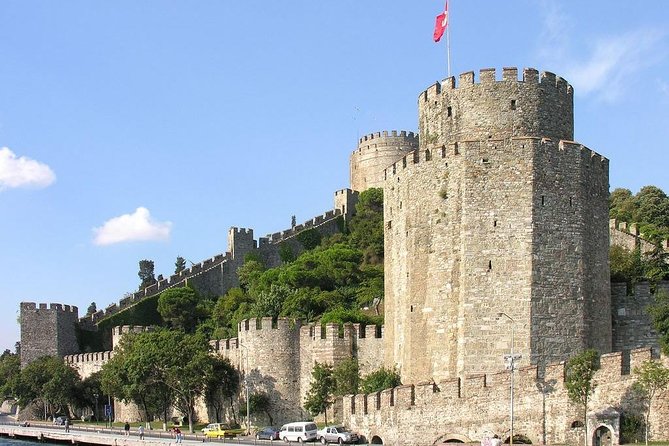
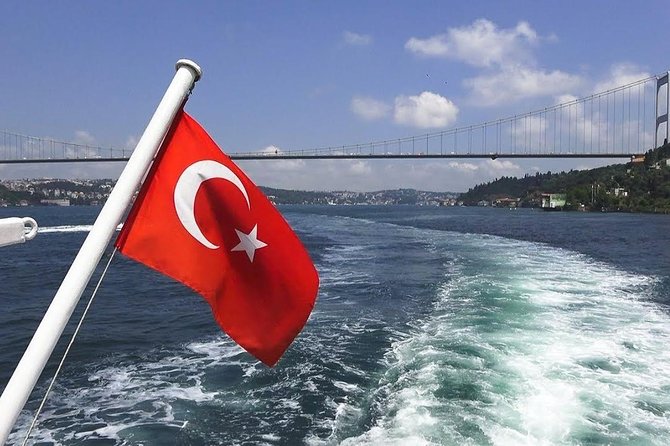
A standout “wow in under 2 minutes” moment: the tour passes over the Bosphorus Bridge, giving you a chance to step between Europe and Asia. The crossing itself is short, but the symbolism is huge. You’re literally doing the iconic Istanbul split in one quick move.
Why it’s valuable: even if you later come back to the city, this kind of instant mental map helps you understand why Istanbul is such a strange, compelling mix of East and West. The bridge is the shortcut for that understanding.
Çamlıca Hill or Yeditepe: The Panorama—But Timing Can Be Everything
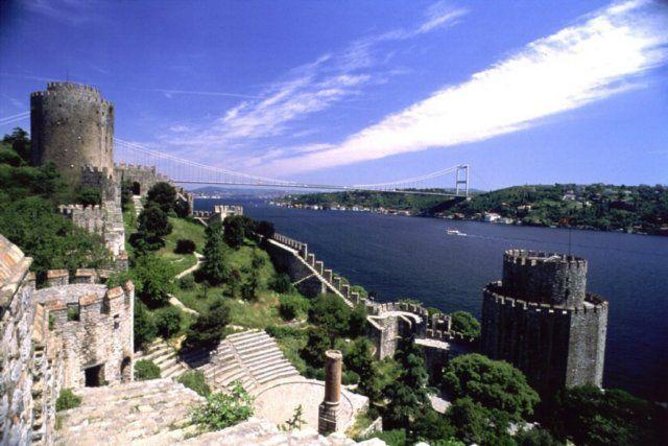
After the cruise and palace, you head toward a high viewpoint on the Asian side: Çamlıca Hill or Yeditepe. The plan depends on traffic, which means your experience here can range from great to frustrating.
Some departures are described as a rushed stop with hazy visibility, where the “photo moment” feels too short. That doesn’t mean the hill isn’t good—it means the day can run late, and late days make far-away views look like a smudge.
Practical advice for this stop: if you get even a small window of clear air, spend your time looking first. Don’t waste the one chance you get on chatting over coffee if your goal is the skyline.
Also note: one review mentioned a viewpoint stop at a restaurant, which suggests the timing can turn the panorama into a hangout. If that’s the case on your day, be firm about getting photos quickly and then moving.
Lunch, Leather Shops, and the Uncomfortable Reality of “Included”
Lunch is included, and it’s described as classic Turkish fare at a coach stop restaurant. Expect normal tourist-menu logic: fast service, decent flavor, and enough food to get you through the palace and final viewpoint.
Then comes the part you should treat with caution: a leather store stop. Sometimes it’s just a quick visit. Other times, it’s wrapped into a sales process (one guest even mentioned a fashion show-style pitch for expensive jackets). If you’re not interested in shopping, plan to spend as little time as possible there.
How to handle it: go in knowing you’re not there for a deal. Use the bathroom if you need it, browse for 5 minutes if you want, and then focus on being back on the coach.
Why this matters for value: the tour price feels reasonable if your time goes to Dolmabahçe and the Bosphorus. But if your day gets sliced by shopping pressure, the “value per hour” can drop fast.
Guides and Group Size: The Experience Can Swing
This is where your outcome may vary the most. Many reviews praised certain guides—names like Murat and Mr. Barish came up for strong English and clear explanations. When you get a good guide, the day turns from a checklist into a story you actually understand.
But other experiences described weak commentary, rushed timing, and limited interaction—especially when the group is large or when multiple languages are added. One review even mentioned a group size around 50 people, which would absolutely change the feel of a tour meant for small-group pacing.
What you can do: if you’re able, pick a departure time and day when you expect manageable traffic. And when you meet your guide, ask one simple question early—something like what you should focus on during the cruise. A guide who engages early usually stays better for the full day.
Should You Book This Istanbul Boat Cruise and Dolmabahçe Tour?
I’d book this tour if you want a strong “first pass” at Istanbul: Spice Bazaar, Dolmabahçe Palace, and a Bosphorus cruise in one long day, with a real chance to see how the city is shaped by its water and empires.
I wouldn’t book it if:
- Dolmabahçe Palace is the only thing you care about and you need slow, unhurried interior time
- You hate shopping stops or pressured sales
- You already did a similar Istanbul highlight tour and want something more unique
- You’re sensitive to delays, because traffic can shorten viewpoint time and squeeze palace time
My best advice: treat this as a “big hits” day. If you go in expecting checkmarks plus the cruise views, you’ll likely feel satisfied. If you go in expecting museum-level depth at every stop, you might come away wishing for more time in fewer places.
FAQ
Is Dolmabahçe Palace included?
Yes. Dolmabahçe Palace is part of the tour, with admission included. It’s closed on Mondays and Thursdays, and on those days the tour changes to Pierre Loti Coffee House, Eyüp, and Miniatürk.
How long is the Bosphorus cruise?
The Bosphorus Strait cruise runs for about 1 hour 30 minutes and includes admission.
What’s included in the tour price?
Hotel pickup and drop-off, a local guide, an air-conditioned vehicle, and lunch are included. The tour also includes admission for Dolmabahçe Palace and the Bosphorus cruise.
Are drinks included with lunch?
No. Drinks are not included.
What happens at the Spice Bazaar stop?
You visit Misir Carsisi (Egyptian Spice Market) for about 45 minutes. Admission is free.
What time does the tour start and how long is it?
The tour starts at 8:30 am and lasts about 8 hours. It ends back at the meeting point.
More Tour Reviews in Istanbul
- Istanbul: Bosphorus Dinner Cruise & Show with Private Table★ 4.8 · 62,058 reviews
- Istanbul: Daytime or Sunset Sightseeing Cruise & Audio Guide★ 4.8 · 14,430 reviews
- Istanbul: Bosphorus Dinner Cruise & Turkish Night Show★ 4.8 · 12,954 reviews
- Best of Istanbul 1, 2 or 3-Day Private Guided Istanbul Tour★ 5.0 · 8,922 reviews
- Istanbul: Basilica Cistern Fast-Track Entry and Audio Guide★ 4.6 · 7,521 reviews
- Istanbul: Hagia Sophia Skip-the-Line Ticket & Museum Option★ 3.7 · 4,958 reviews
More of Dolmabahce Palace
- Istanbul: Dolmabahce Palace and Harem Fast-Track & Audio★ 4.7 · 1,772 reviews
- Dolmabahce Palace & Harem Skip-the-Line Entry & Audio Guide★ 4.7 · 927 reviews
- Istanbul: Dolmabahce Palace and Harem Skip-the-Line Ticket★ 4.7 · 751 reviews
- Istanbul: Dolmabahce Palace & Harem Skip-the-Line Entry★ 4.5 · 401 reviews
- Istanbul: Full-Day Tour with Dolmabahce & Bosphorus Cruise★ 4.2 · 198 reviews
- Dolmabahce Palace Tour in Istanbul★ 3.5 · 52 reviews
Over to the Asian Side
- Bosphorus Yacht Cruise Experience: Visit the Asian Side★ 5.0 · 2,251 reviews
- Bosphorus Yacht Cruise with Stopover on the Asian Side – (Morning or Afternoon)★ 5.0 · 1,657 reviews
- Bosphorus Explorer: 3-Hour Cruise with Asian Side Visit★ 4.5 · 1,195 reviews
- Istanbul Bosphorus: 3-Hour Day Cruise’s with Asian Side Stop★ 4.6 · 1,116 reviews
- Istanbul: Bosphorus Cruise with Stopover on the Asian Side★ 4.8 · 1,043 reviews
- Istanbul: European and Asian Side Guided Foodie Walking Tour★ 4.9 · 1,038 reviews
Fresh off the boat: new Istanbul reviews
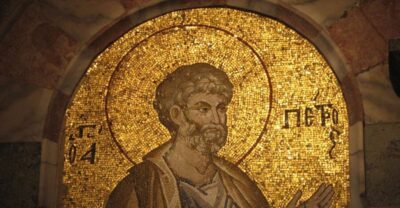
Dolmabahce Palace Tours, compared.
 ★ 4.7Dolmabahce Palace and Harem Fast-Track & AudioFrom $461,772 reviews
 ★ 4.7Dolmabahce Palace & Harem Skip-the-Line Entry & Audio GuideFrom $54927 reviews
 ★ 4.7Dolmabahce Palace and Harem Skip-the-Line TicketFrom $62751 reviews
 ★ 4.5Dolmabahce Palace & Harem Skip-the-Line EntryFrom $55401 reviews
 ★ 4.2Full-Day Tour with Dolmabahce & Bosphorus CruiseFrom $177198 reviews
 ★ 3.5Dolmabahce Palace Tour in IstanbulFrom $9052 reviews
 ★ 5.0Dolmabahçe Palace and Sunset Tour on Luxury YachtFrom $7849 reviews
 ★ 4.6Dolmabahce Palace Guided TourFrom $41243 reviews
Browse the lists this tour appears in