
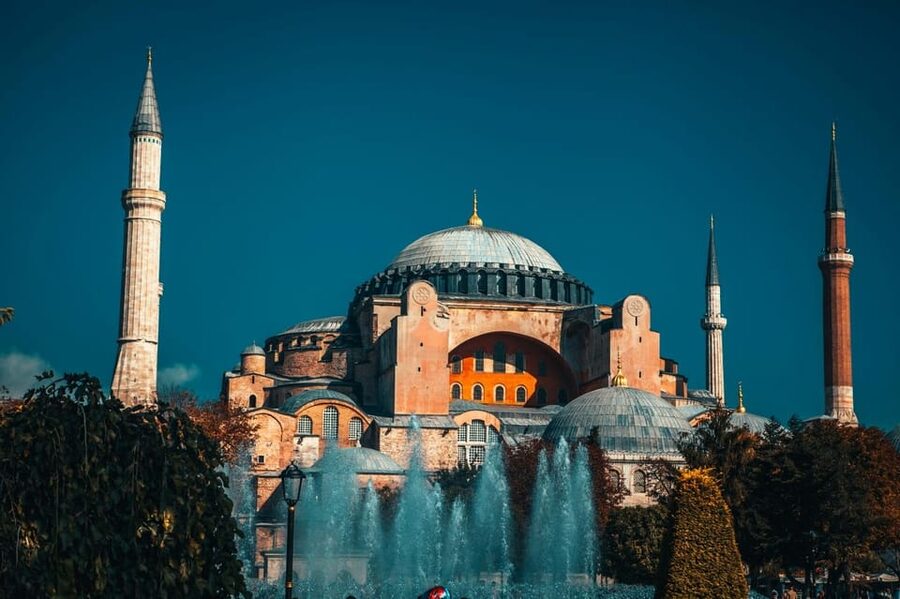
REVIEW · HAGIA SOPHIA TOURS
Istanbul: Hagia Sophia Skip-the-Ticket Line & Audio Guide
Crowd control starts before the gates. This experience pairs skip-the-ticket-line entry with an English digital audio guide, so you get to the big moments faster and with context.
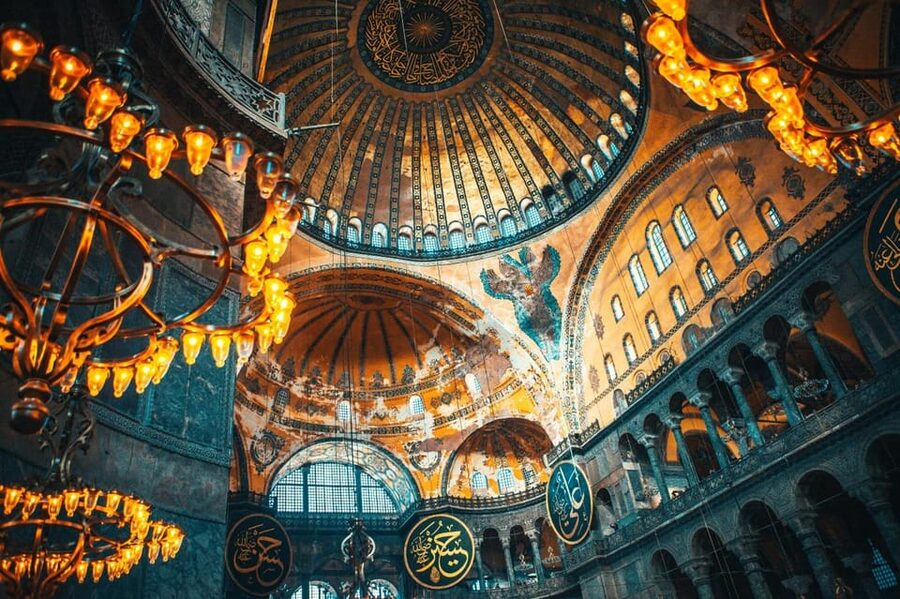
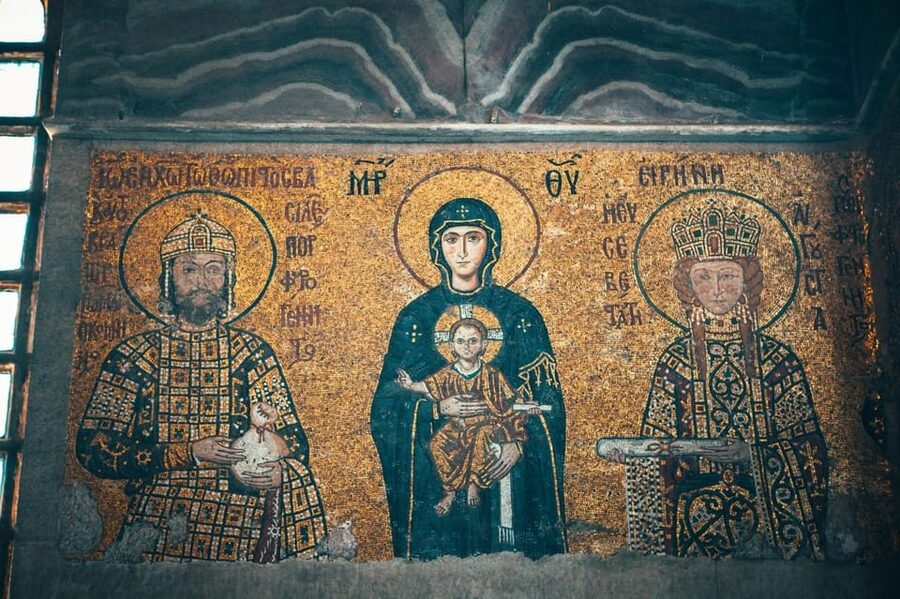
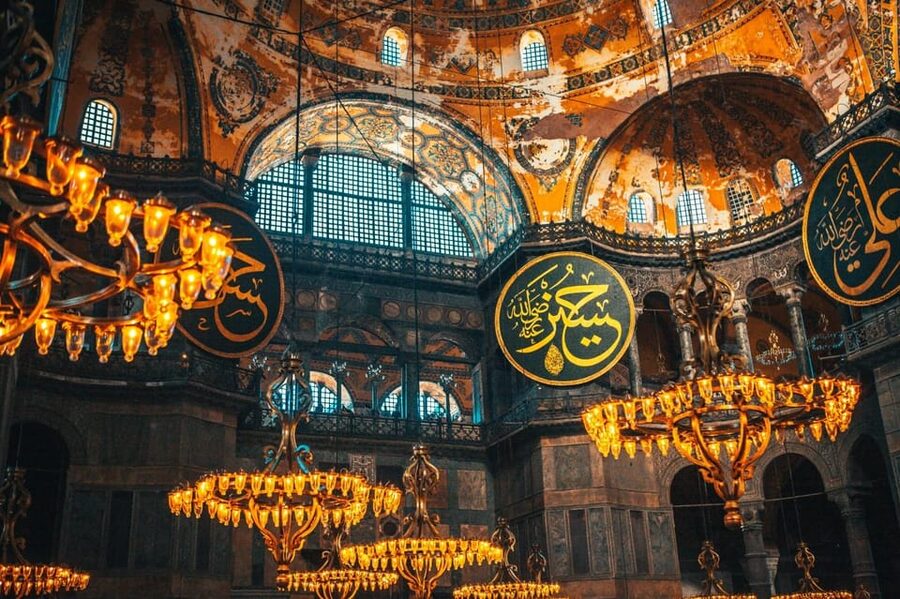
I especially like how the audio tour guides your eyes through Byzantine mosaics (including the mix of icon-style imagery and Islamic-era calligraphy) and highlights the site’s weirder, memorable details like upside-down Medusa heads. One thing to keep in mind: the skip-the-line advantage is limited, so you may still wait for security and the main entrance during peak hours.
In This Review
- Key highlights at a glance
- Skip-the-line clarity: what you really save time on
- Where you enter: the tourist entrance near Topkapi Palace
- What’s inside: your self-guided flow through the big spaces
- The digital audio guide: how it helps you see more than architecture
- The submerged columns: why this detail sticks in your mind
- The upside-down Medusa heads: a bonus you earn by looking closely
- Timing: when the skip helps and when crowds still win
- Etiquette and rules that affect your visit (more than you think)
- The optional History and Experience Museum: what to do if you selected it
- Price and value: is $41 worth it?
- Practical checklist: what to bring and how to prepare
- Should you book this Hagia Sophia skip-the-line + audio ticket?
- FAQ
- Is this a guided tour with a live guide?
- Does skip-the-line mean I skip security and the main entrance queue?
- Where do I enter Hagia Sophia with this ticket?
- What parts of Hagia Sophia does the ticket include?
- Do I get headphones with the audio guide?
- When will I receive my QR code ticket?
Key highlights at a glance
- Email QR code arrives the day before so you can scan quickly at Hagia Sophia
- Tourist entrance near Topkapi Palace routes you toward upper galleries via a gentle ramp
- English audio guide app helps you interpret mosaics, calligraphy, and changing empires
- Look for marble submerged columns and other sculptural details that tell hidden stories
- Medusa heads on the building are your payoff for slowing down and spotting the odd carvings
- Skip-the-line is not a free pass through security and entry queues
Other ways under the Hagia Sophia dome


Skip-the-line clarity: what you really save time on
Let’s get one thing straight, because it affects your expectations. This ticket is built to help you with the ticket-buying line—not to guarantee instant entry. In practice, you’ll still go through security checks and then an entry queue, especially in busy seasons.
That’s still worth it if you’re traveling with limited time, or if you hate standing still in the heat. The best use of this setup is simple: get your QR code ready, arrive with a calm plan, and spend the saved time looking up at mosaics and architecture instead of staring at a ticket window.
Also, you don’t need a live guide. The value here is the combination of admission + an audio companion, not someone shepherding you around.
Where you enter: the tourist entrance near Topkapi Palace
There’s no official “tour meeting point” where someone escorts you inside. You go to Hagia Sophia (Ayasofya) and enter on your own using your QR-code ticket.
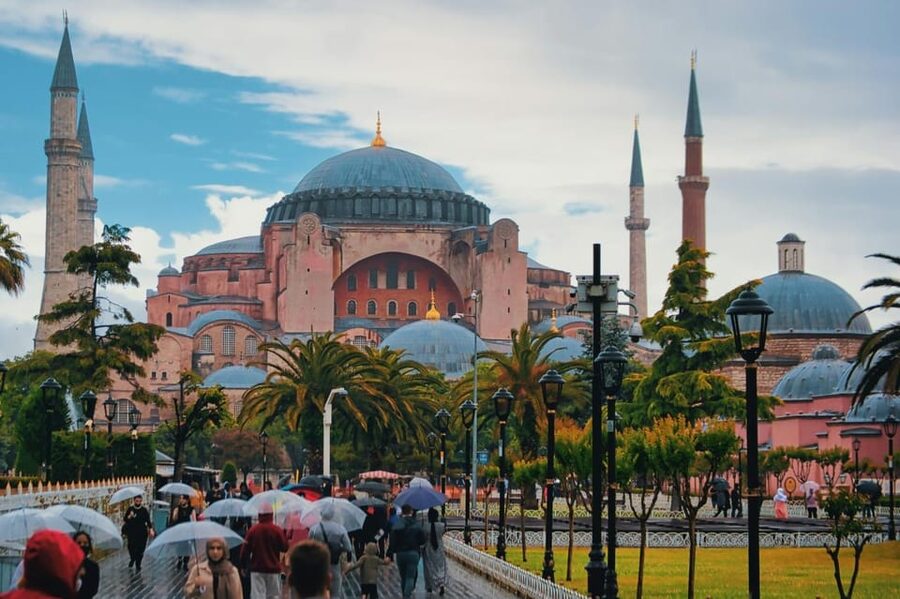
Your route matters. Foreigners can enter via a newly opened tourist entrance near Topkapi Palace. From there, you get direct access to the upper floor galleries via a gentle ramp. That’s a smart way to start, because it gets you into the building’s main viewing rhythm without forcing you to fight the longest internal paths right away.
Important practical note: your ticket grants access to the upper gallery and viewing area only. Entry to the ground-level prayer hall is not included with this option. So when you’re planning how much time you’ll need, don’t assume you’ll see every single space in the same way Turkish-resident tickets might.
What’s inside: your self-guided flow through the big spaces
Because this is not a guided tour, your “itinerary” is really a choose-your-own-order visit. Here’s a practical way to structure it so you don’t feel lost once you’re in.
Start with orientation (upper galleries). Once you’re in, take a few minutes to find your bearings. The Hagia Sophia’s scale hits you immediately, and the upper level helps you grasp how the dome and interior zones connect.
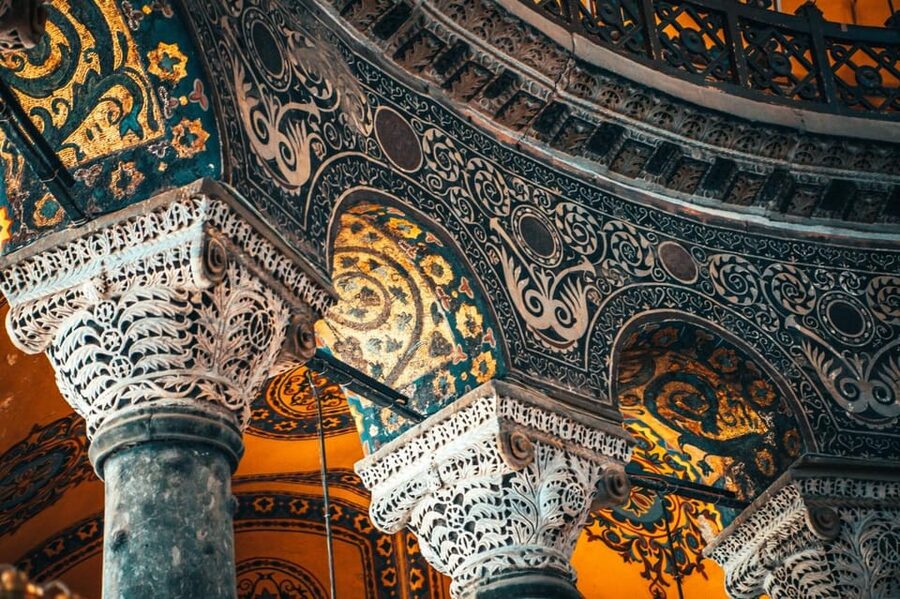
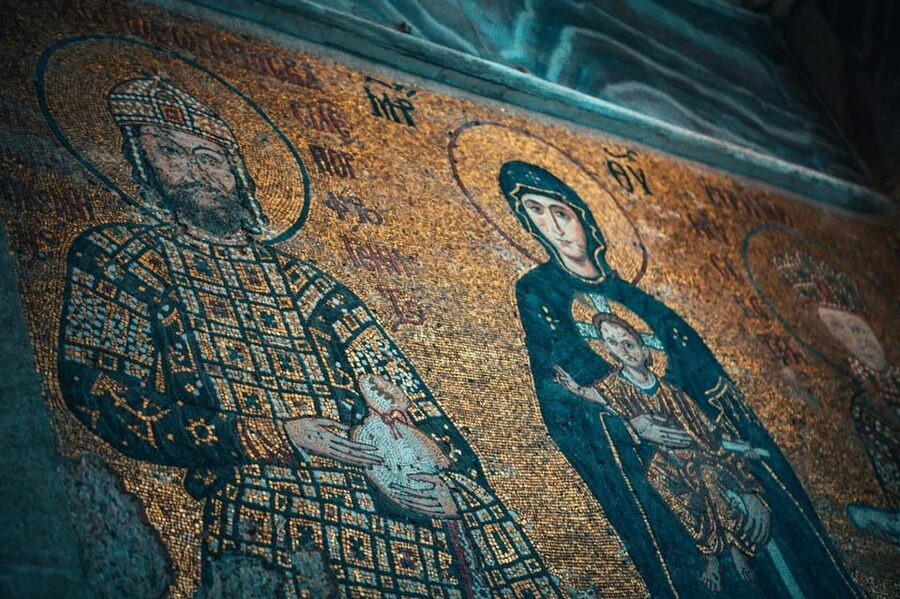
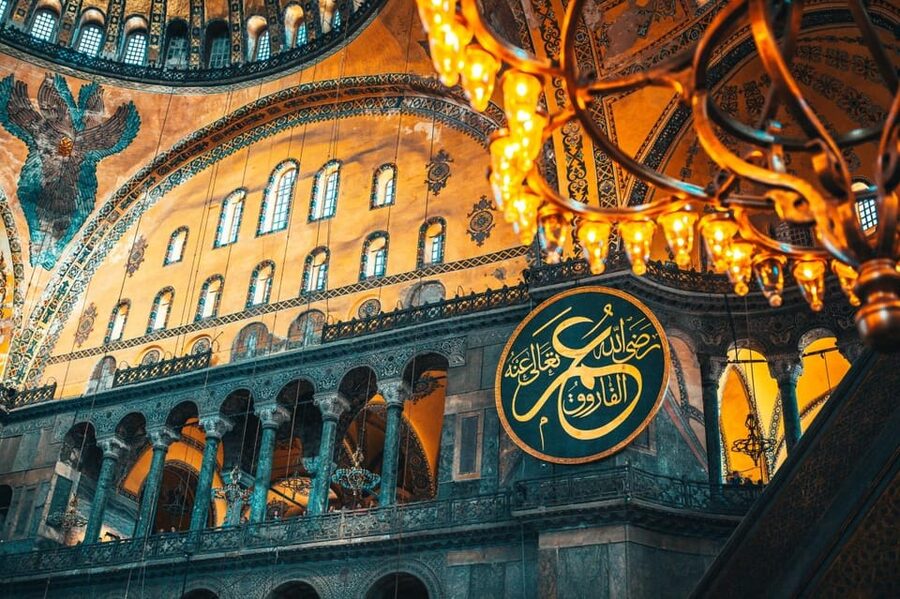
Then shift to mosaics and calligraphy. The standout experience is the visual storytelling—mosaics that carry Byzantine-era symbolism, then later additions that include Islamic calligraphy. The audio guide is designed to help you read these changes as part of one continuous city story rather than separate eras you’re forced to memorize.
Plan time for the “you have to notice it” details. This ticket’s highlights aren’t just about the obvious centerpiece dome. You’re also encouraged to hunt for:
- ancient, submerged marble columns (a strange, haunting kind of beauty)
- upside-down Medusa heads, which feel oddly playful and eerie at the same time
You’ll get more out of the visit if you slow down for these. The Hagia Sophia rewards the people who stop long enough to look at what’s partly hidden.
Worth putting side by side with this Istanbul pick:
- Istanbul: Hagia Sophia Skip-the-Line Ticket & Museum Option★ 3.7 · 4,958 reviews
- Topkapi Palace and Harem Skip-the-Line-Tickets & Audio Guide★ 4.3 · 4,745 reviews
- Istanbul: Blue Mosque & Hagia Sophia Guided Tour w/ Tickets★ 4.8 · 3,600 reviews
- Istanbul: Hagia Sophia Entry Ticket with Audio Guide★ 4.3 · 2,854 reviews
The digital audio guide: how it helps you see more than architecture
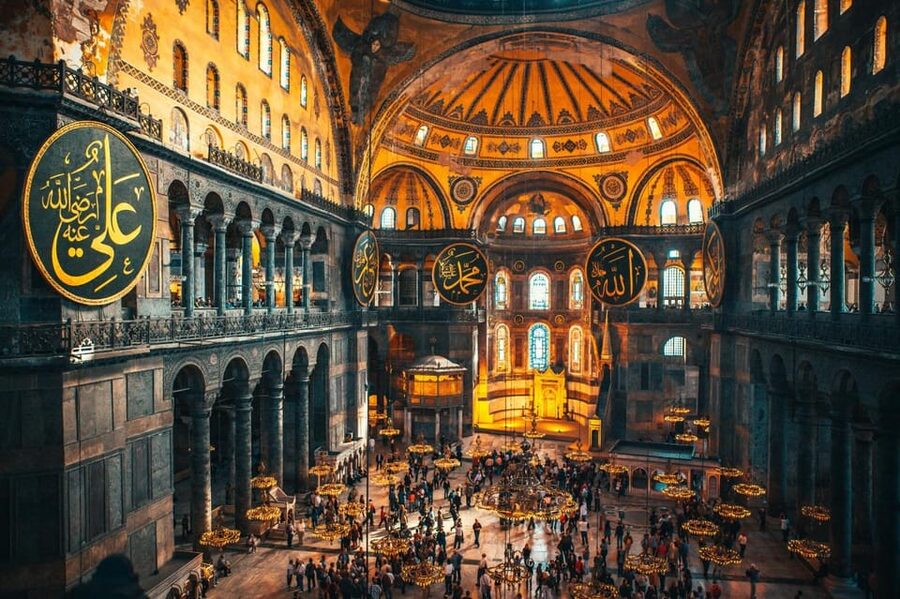
The included audio guide is the reason this ticket feels more than just a doorway fee. You get a complimentary digital audio guide app in English, and it focuses on Hagia Sophia specifically, with broader context about Istanbul and the civilizations that shaped the building.
I like audio guides here because Hagia Sophia is not one single story. It’s layers: Christian space, later Islamic use, then modern museum-era interpretation, and now a site with its own current rules. When you have a running explanation while you’re looking at mosaics and inscriptions, you don’t just see pretty artwork—you start understanding what changed and why.
A practical tip: bring your own headphones. Headphones are not included. Also, don’t assume your phone will be happy with internet inside; at least one set of visitor feedback points out that the connection can be weak. If the app supports it, get your audio ready before you arrive, and keep your phone charged.
One more note from real-world experience: the included app is generally helpful, but one person found it a little glitchy. If your audio stutters, don’t panic—stay flexible and use the phone for visuals while you listen when it works.
The submerged columns: why this detail sticks in your mind
The submerged columns aren’t the first thing most people expect to see at Hagia Sophia. That’s part of the appeal. These ancient marble columns, crafted from marble and linked to submerged or partially hidden spaces, create a different emotional tone than the bright mosaic zones.
What makes this worth your time is the way it changes your perspective. Instead of thinking only about what’s been preserved on purpose, you start noticing how the building absorbed centuries of water, changes in the city, and shifts in function. Even if you don’t fully grasp the engineering at first glance, the visual effect is unmistakable: it feels ancient, weathered, and slightly uncanny in the best way.
If you want to find this, don’t sprint. Wander just long enough to let the interior reveal its odd corners.
The upside-down Medusa heads: a bonus you earn by looking closely
Yes, they’re upside down. And yes, it’s exactly the kind of detail that makes old buildings feel alive rather than frozen.
The audio guide’s inclusion of the mysterious Medusa heads is a gift because it tells you not to treat these as random decorations. You’ll likely start spotting similar carved motifs once you’re primed to look for symbolic sculpture.
This is also a good reminder: Hagia Sophia is not only about the dome. It’s about the whole surface—every angle has something to show you if you’re willing to slow down and check.
Timing: when the skip helps and when crowds still win
Timing matters at Hagia Sophia more than people expect. Even with skip-the-ticket-line, you’re still dealing with security and entry flow.
Here’s the practical pattern you should plan around:
- Morning tends to be easier. Several booking experiences suggest that early entry can mean shorter lines and smoother entry. If you can choose your time slot, try to go earlier in the day.
- Later in the day can mean a real queue. One person described a huge entrance line after 11:00, with people spending time waiting in hot sun. That’s the kind of scenario where skip-the-ticket-line still helps, but it won’t erase the day’s crowd reality.
A good strategy: if you have the option, pick the first time slot available. Even if you don’t get total line-free entry, you usually trade stress for calm.
Also, note a subtle point from real-world use: time-bound tickets appear to be handled with some flexibility. Still, don’t gamble on that. Arrive near your planned start time so you’re not the person asking staff to figure out your scan while you’re already tired.
Etiquette and rules that affect your visit (more than you think)
Hagia Sophia has rules, and the faster you accept them, the smoother your visit feels.
Key restrictions you should plan for:
- No weapons or sharp objects
- No luggage or large bags
- No smoking indoors
- No photography inside (and you should avoid photographing worshippers)
- Keep noise low and follow areas where silence is expected
Dress rules matter too:
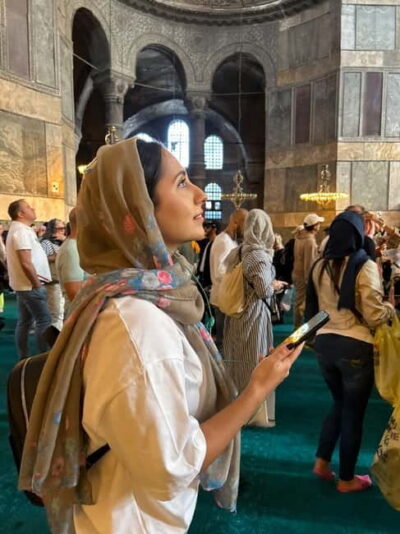
- Women must cover head, shoulders, and knees
- Men must cover knees and shoulders
- Headscarves and body wraps are available for a small fee at the ticket booth
This isn’t about being fussy. It changes your comfort level and how quickly security staff can process you.
The optional History and Experience Museum: what to do if you selected it
This experience includes access to the History and Experience Museum only if you selected that option. If you did choose it, plan extra time, because it adds another layer of context before or after your main Hagia Sophia visit.
If you didn’t select it, don’t worry—you can still have a strong Hagia Sophia experience without it. The dome and mosaics alone are enough to justify the trip. The museum is mainly for people who like background detail as a way to sharpen what they’re seeing in the hall.
Price and value: is $41 worth it?
At $41 per person, the value depends on what you want most: time saved, added context, or both.
Here’s how I’d judge it:
- If you hate waiting in ticket lines, you’re paying to reduce one annoying friction point. Even one less long queue can be worth a lot when you have a packed Istanbul schedule.
- If you like learning as you look, the included English digital audio guide adds real value. Hagia Sophia’s interior rewards attention. Without context, you can still be amazed, but with context you leave with a fuller story.
- If you’re a “phone-free” visitor who hates apps or prefers a minimal visit, the price may feel high. One practical note: a few visitors point out that audio content may already be available through other onsite methods, so you might find yourself listening to something similar even without relying heavily on your provided app.
So my advice: if you can use the QR entry and you’ll actually listen to the guide, it’s generally good value. If your plan is to rush and photograph everything quickly, you’ll likely feel the price more than you benefit from it.
Practical checklist: what to bring and how to prepare
This is where you make the day easy on yourself.
Bring:
- A charged phone (your QR code is scanned digitally)
- Headphones (not included)
- Light clothing that matches the coverage rules
Do ahead of time:
- Download or prepare the audio guide link from your email (sent one day before)
- Plan for security and expect lines during peak hours
- Arrive with a small bag or no bag if you can, since large bags aren’t allowed
Inside:
- Remember no photography inside
- Keep your voice low and avoid blocking people’s movement
- Respect prayer moments—stay still and follow staff guidance
Should you book this Hagia Sophia skip-the-line + audio ticket?
I think you should book it if you check at least two boxes:
- You want to save time on ticket purchase and keep the day moving.
- You’ll actually use an English audio guide to understand mosaics, calligraphy, and the building’s changing identity.
- You’re visiting at a busy time and you’d rather reduce stress up front.
I’d skip it if you’re traveling with very limited phone tolerance (no apps, no listening) or if you’re mostly aiming for the fastest possible walkthrough with zero interpretation time. In that case, you might still get the wow factor—but you’ll likely feel the $41 more than you’ll feel the benefits.
If you do book, choose the earliest time slot you can. Then commit to a slower pace for the submerged columns and the Medusa heads. Those are the moments that make Hagia Sophia feel strange, specific, and unforgettable—not just famous.
FAQ
Is this a guided tour with a live guide?
No. This is not a guided tour. You enter Hagia Sophia on your own at your chosen time using your ticket and QR code.
Does skip-the-line mean I skip security and the main entrance queue?
Not exactly. The skip-the-ticket-line helps with the line for buying tickets, but you should still expect time for security checks and the main entry process.
Where do I enter Hagia Sophia with this ticket?
Foreigners can enter through the newly opened tourist entrance near Topkapi Palace, with access to the upper floor galleries via a gentle ramp.
What parts of Hagia Sophia does the ticket include?
The ticket grants access to the upper gallery and viewing area only. Entry to the ground-level prayer hall is not included.
Do I get headphones with the audio guide?
No. Headphones are not included, so bring your own to listen comfortably.
When will I receive my QR code ticket?
Your QR code tickets are sent by email one day before your tour date.
More Tickets in Istanbul
- Istanbul: Hagia Sophia Skip-the-Line Ticket & Museum Option★ 3.7 · 4,958 reviews
- Topkapi Palace and Harem Skip-the-Line-Tickets & Audio Guide★ 4.3 · 4,745 reviews
- Istanbul: Blue Mosque & Hagia Sophia Guided Tour w/ Tickets★ 4.8 · 3,600 reviews
- Istanbul: Hagia Sophia Entry Ticket with Audio Guide★ 4.3 · 2,854 reviews
- Istanbul: Topkapi Palace and Harem Ticket with Audio Guide★ 4.4 · 2,401 reviews
- Istanbul: Basilica Cistern Skip-the-Line Entry Ticket★ 4.6 · 2,270 reviews
More Tour Reviews in Istanbul
- Istanbul: Bosphorus Dinner Cruise & Show with Private Table★ 4.8 · 62,058 reviews
- Istanbul: Daytime or Sunset Sightseeing Cruise & Audio Guide★ 4.8 · 14,430 reviews
- Istanbul: Bosphorus Dinner Cruise & Turkish Night Show★ 4.8 · 12,954 reviews
- Best of Istanbul 1, 2 or 3-Day Private Guided Istanbul Tour★ 5.0 · 8,922 reviews
- Istanbul: Basilica Cistern Fast-Track Entry and Audio Guide★ 4.6 · 7,521 reviews
- Istanbul: Hagia Sophia Skip-the-Line Ticket & Museum Option★ 3.7 · 4,958 reviews
Hagia Sophia, A Few More Ways In
- Istanbul: Hagia Sophia Skip-the-Line Ticket & Museum Option★ 3.7 · 4,958 reviews
- Istanbul: Blue Mosque & Hagia Sophia Guided Tour w/ Tickets★ 4.8 · 3,600 reviews
- Basilica Cistern & Hagia Sophia with Optional Topkapi Palace★ 4.6 · 3,547 reviews
- Istanbul: Hagia Sophia Entry Ticket with Audio Guide★ 4.3 · 2,854 reviews
- Istanbul: Blue Mosque, Hagia Sophia, & Old Town Walking Tour★ 4.8 · 2,372 reviews
- Istanbul: Basilica, Hagia Sophia, Blue Mosque Tour & Cruise★ 4.5 · 1,929 reviews
Fresh off the boat: new Istanbul reviews

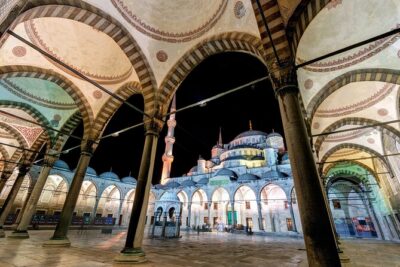

Hagia Sophia Tours, compared.
 ★ 3.7Hagia Sophia Skip-the-Line Ticket & Museum OptionFrom $334,958 reviews
 ★ 4.8Blue Mosque & Hagia Sophia Guided Tour w/ TicketsFrom $393,600 reviews
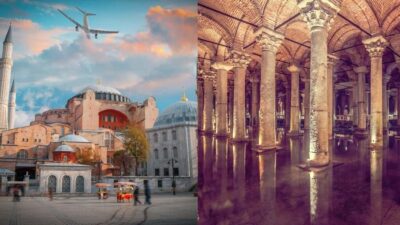 ★ 4.6Basilica Cistern & Hagia Sophia with Optional Topkapi PalaceFrom $813,547 reviews
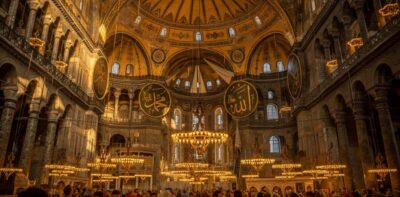 ★ 4.3Hagia Sophia Entry Ticket with Audio GuideFrom $332,854 reviews
 ★ 4.8Blue Mosque, Hagia Sophia, & Old Town Walking TourFrom $712,372 reviews
 ★ 4.5Basilica, Hagia Sophia, Blue Mosque Tour & CruiseFrom $681,929 reviews
 ★ 4.3Combo: Hagia Sophia+Basilica Cistern Optional Topkapi PalaceFrom $811,880 reviews
 ★ 4.1Hagia Sophia Skip-the-Line Ticket & Blue Mosque Audio GuideFrom $331,879 reviews
Browse the lists this tour appears in