
Four monuments, one easy walking route. This Istanbul Old City walk is a smart way to see the big hitters—starting with Hagia Sophia and staying focused as you move from Byzantine to Ottoman Istanbul.
I love that the route is built around real landmarks you can orient yourself with fast. It also helps you understand what you’re looking at, not just where to stand for a photo.
I also like how the guide makes the Blue Mosque feel understandable from the inside out, including why the famous blue tiles matter. You get a live guide in English, plus time-saving help like skipping the ticket line if your option includes Hagia Sophia entry.
One thing to plan around: this is a walking half-day that ends away from most hotels, and it does not run on Fridays. If you need easy back-and-forth transport, or you’re sensitive to lots of steps, you may want a different format.
In This Review
- Key highlights worth your attention
- Why this short walk works in Istanbul’s Old City
- Hagia Sophia: your first-hour orientation stop
- The Sultan Ahmed Mosque (Blue Mosque) and its still-active worship
- Sultanahmet Square: where the route keeps you grounded
- Hippodrome of Constantinople: power in the public square
- Obelisks and monuments: what you’re seeing and why it mattered
- How the pace and path affect your comfort
- Logistics that can change your morning: pickup, time, and Fridays
- What to bring (and what to wear) so you can enter smoothly
- Price and value: why this $15 walk can make sense
- Getting more out of your guide: what good guiding feels like
- Who this tour is best for
- Quick checklist before you go
- Should you book this Istanbul Old City walking tour?
- FAQ
- Is the Hagia Sophia entrance fee included?
- How long is the walking tour?
- Is pickup from my hotel included?
- Where does the tour end?
- Does the tour operate on Fridays?
- Do I need modest clothing for the mosque?
- Is lunch included?
Key highlights worth your attention
- Hagia Sophia first: you start at the best anchor point for understanding Istanbul’s Byzantine-to-Ottoman switch
- Blue Mosque tile symbolism: you’ll learn how the interior decor fits Ottoman religious life
- Hippodrome storytelling: the guide connects the space to Byzantine political and social life
- Obelisks with imperial context: you see monuments tied to emperors, victories, and rituals
- Skip-the-line convenience: included when the Hagia Sophia entrance option is selected
- Real local guiding: English commentary, with examples of guides like Oktay and Ali known for clear, friendly explanations
More mornings around the old peninsula



Why this short walk works in Istanbul’s Old City
This tour is designed for people who want a clean first pass through the Old City without getting lost in a maze of detours. You cover a tight cluster of landmarks—close enough to walk between, big enough to feel like you saw something meaningful.
At 2–3 hours, it fits well into a travel schedule where you still want time to explore afterward on your own. You’re not stuck in a full-day grind. You’re given a guided route and then released near Mimar Mehmetağa Caddesi, which can be handy for continuing through Sultanahmet at your own pace.
The value is also in the structure. Starting at Hagia Sophia is the fastest way to get your bearings, because the building’s history provides a kind of timeline for what you’ll see next. Then you move to the Blue Mosque and the Hippodrome, where the story shifts from architecture to public life, power, and monuments.
Hagia Sophia: your first-hour orientation stop
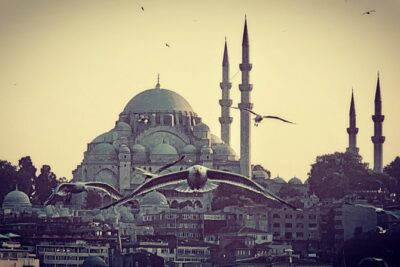
Your walk begins at Hagia Sophia, and that first hour is where the whole experience becomes easier to understand. This place isn’t just impressive because it’s big. It’s impressive because it marks a change in eras.
Here’s what you’ll focus on during the guided time:
- How the site transitioned from a Byzantine cathedral to an imperial mosque
- What the massive dome and long-standing details suggest about the different periods
- How Istanbul layers cultures, rather than replacing one story with another
Even if you’ve only seen pictures before, having a guide at the start helps you read the building. You’ll know what to look for instead of just standing there thinking, wow.
A practical point: the entrance fee for Hagia Sophia is included only if your selected option includes it. If you’re choosing options, double-check this so you aren’t surprised at the door.
The Sultan Ahmed Mosque (Blue Mosque) and its still-active worship
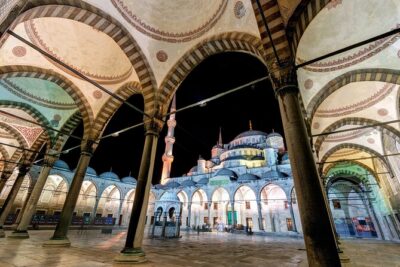
Next you’ll head to Sultan Ahmed Mosque, often called the Blue Mosque for good reason. The guide’s job here is important: they explain the meaning behind the interior decoration, including the well-known blue tilework.
What makes this stop special is that you’re not viewing the mosque as an abandoned relic. It’s a still-active place of worship, so your visit comes with that reality—quiet attention, respect, and modest clothing.
Expect your guide to bring in context like:
- How Ottoman religious life shaped what you see
- Why the tile details are more than decoration
One more thing I appreciate in the pacing: Sultanahmet Square sits in the middle of the route with a photo stop and short guided time. It’s not just a waypoint. It gives you a pause to reset your eyes for the next stretch.
Worth putting side by side with this Istanbul pick:
- Istanbul: Blue Mosque, Hagia Sophia, & Old Town Walking Tour★ 4.8 · 2,372 reviews
- Istanbul: Fener Balat Half-day Guided Walking Tour★ 4.9 · 1,711 reviews
- Istanbul Highlights Small-Group Walking Guided Tour★ 4.5 · 1,346 reviews
- Istanbul: European and Asian Side Guided Foodie Walking Tour★ 4.9 · 1,038 reviews
Sultanahmet Square: where the route keeps you grounded
You’ll spend time around Sultanahmet Square for a photo stop, a visit, and guided sightseeing. This part feels small compared to Hagia Sophia and the mosque, but it plays a practical role.
Use this stop to:
- Catch a wide view before you get into the denser monument details
- Adjust your clothing if needed (especially scarf and shoulders for modest entry rules)
- Keep your bearings so the obelisks later feel connected, not random
Because this tour is short, those small checkpoints matter. They prevent the walk from feeling like constant motion without context.
Hippodrome of Constantinople: power in the public square
After the mosque area, you shift to the Hippodrome of Constantinople, once the social and political center of Byzantine life. This isn’t a museum-style stop where everything is enclosed. You’re walking in a place that used to be a massive stage for spectacle and state messaging.
Your guide connects the space to:
- Social and political life in the Byzantine Empire
- The idea that emperors used public arenas to communicate victories and authority
The best part of a guided approach here is that the monuments aren’t just objects. They become clues. You’ll hear stories tied to rulers and rituals, which makes the viewing feel purposeful rather than scattered.
If you like history that feels practical—politics, religion, and everyday public life—this section is a strong fit.
Obelisks and monuments: what you’re seeing and why it mattered
The tour includes a look at historic stone markers tied to imperial Constantinople. You’ll encounter obelisks and related monuments, including the Obelisk of Theodosius III, plus stories connected to examples like the Egyptian Obelisk and the Serpent Column.
Here’s what this section does well:
- It explains what these monuments represent, not just what they look like
- It ties individual items to the bigger message of empire—victories, power, and identity
- It turns scattered details into a coherent explanation of Constantinople’s image-making
For many first-time visitors, obelisks can feel like background. On this walk, they get treated like main characters. That’s why this tour works even when you don’t read every plaque or inscription on your own.
How the pace and path affect your comfort
This is a half-day walking tour, with the whole experience planned around a 2–3 hour window. That’s usually a sweet spot: enough time to get real context at major stops, but short enough that you can still do your own browsing afterward.
Still, there are two considerations you should treat seriously:
- This is not built for mobility constraints. The activity is not suitable for people with mobility impairments and it’s also listed as not suitable for pregnant women.
- You’ll want to be comfortable for uneven stone and walking time between stops.
The tour ends at Mimar Mehmetağa Caddesi. Return transportation is not included, so you’ll need to get back to your hotel independently afterward. For me, that’s actually a plus if you like wandering, but it’s a deal-point if your day is very schedule-tight.
Logistics that can change your morning: pickup, time, and Fridays
Pickup is optional based on your selected option. If you choose one-way transfer, a pickup time is scheduled between 08:00 and 09:00, but Istanbul traffic means the exact time can’t be guaranteed in advance. You’ll receive an approximate pickup time the day before.
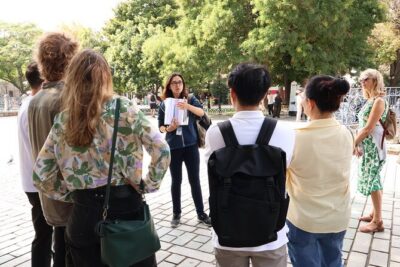
Your guide will wait at the meeting point, and before the tour you’ll receive guide information. That helps you avoid the common stress of showing up and guessing who to look for.
Two other scheduling facts to plan around:
- This tour does not operate on Fridays because of Friday prayer times.
- Return transport is not included, so the pickup option only helps you get to the start, not back home.
If you’re planning a multi-day visit, check your calendar early and pick a day that actually runs.
What to bring (and what to wear) so you can enter smoothly
This tour is short, but entry rules matter a lot here. The essentials are listed clearly, and following them saves time and hassle.
Bring:
- Comfortable shoes
- Sunglasses, sun hat, and sunscreen
- Cash
- A scarf
The mosque entry guidelines include modest clothing, and women should bring a scarf. Shorts are not allowed, and pets are not allowed either.
You’ll also want to avoid anything that could disrupt the visit: smoking and alcohol or drugs are not allowed. It’s not just policy—it helps you stay comfortable in places where people are focused on worship.
Price and value: why this $15 walk can make sense
At $15 per person for a guided walk of around 2–3 hours, the value is mainly about three things: guidance quality, time savings, and concentrated sightseeing.
First, you’re getting a professional English-speaking guide who is there for the whole route. If you’ve ever walked around Istanbul with only a map, you know how much context you can miss. Here, the guide helps you connect what you see at Hagia Sophia, what you notice inside the Blue Mosque, and what the Hippodrome means as a public arena.
Second, the tour can include skip-the-ticket-line convenience. If you choose an option that includes Hagia Sophia entrance, that’s real friction removed.
Third, you’re not paying for extra transit time. The experience is built as a focused walking route, which tends to stretch your time better in a city where travel delays can be real.
If you’re hoping for a slow, sit-down, museum-style pace, this may not be your best fit. But if you want a fast, coherent introduction to the most iconic Old City landmarks, this price is hard to argue with.
Getting more out of your guide: what good guiding feels like
Some guides bring facts. The best ones also bring structure. The kind of guiding this tour highlights tends to make you feel like the landmarks have a relationship.
For example, guides like Oktay come through as passionate and very friendly, with lots of detail and clear explanations. Another guide, Ali, is highlighted for leading people through the most emblematic sights with the stories behind them, and even taking extra care with small moments like finding a place for a café turco when weather changes.
You don’t need those specific examples to benefit, but they point to the right goal: you want a guide who makes the sites feel connected. That’s exactly what this route is built to do—moving from major architecture to a working mosque to an imperial public arena, with the obelisks acting like clickable story markers.
Who this tour is best for
This experience is a good match if:
- You want a first-time Old City introduction that stays organized
- You’re into explanations that connect architecture, religion, and public life
- You want a short day plan that leaves room for independent exploring later
It may not fit if:
- You can’t handle steady walking
- You need full accessibility support
- You’re traveling on a Friday
Quick checklist before you go
Do this once, and you’ll enjoy the walk more:
- Wear modest clothing and bring a scarf if you need one for mosque entry
- Pack comfortable shoes
- Bring sunglasses, sunscreen, and a sun hat
- Keep some cash on hand
- Plan your return to your hotel yourself after the finish near Mimar Mehmetağa Caddesi
Should you book this Istanbul Old City walking tour?
If your goal is to see Hagia Sophia, the Blue Mosque, and the Hippodrome with context that makes the sights click, I think this is a strong booking. It’s short enough to stay fun, structured enough to keep you oriented, and guided enough to turn famous landmarks into understandable stories.
Book it if you want an efficient Old City start and you’re comfortable with a walk. Skip it or consider another option if you need Friday availability, require easier transport back, or can’t manage a walking route.
If you’ve got one half-day to spend in Sultanahmet, this is a practical way to make it count.
FAQ
Is the Hagia Sophia entrance fee included?
It depends on the option you select. The entrance fee for Hagia Sophia is included only if that option is selected.
How long is the walking tour?
The tour lasts about 2–3 hours.
Is pickup from my hotel included?
One-way hotel pickup is included only if your selected option includes it. Return transportation is not included.
Where does the tour end?
The tour finishes at Mimar Mehmetağa Caddesi. You’ll return to your hotel independently afterward.
Does the tour operate on Fridays?
No. This tour does not operate on Fridays due to Friday prayer times.
Do I need modest clothing for the mosque?
Yes. Modest clothing is required to enter mosques, and women should bring a scarf. Shorts are not allowed.
Is lunch included?
No. Lunch is not included.
More Tours in Istanbul
- Best of Istanbul 1, 2 or 3-Day Private Guided Istanbul Tour★ 5.0 · 8,922 reviews
- Istanbul: Bosphorus Sightseeing Cruise Tour with Audio Guide★ 4.6 · 4,704 reviews
- Istanbul: Blue Mosque & Hagia Sophia Guided Tour w/ Tickets★ 4.8 · 3,600 reviews
- Istanbul: Blue Mosque, Hagia Sophia, & Old Town Walking Tour★ 4.8 · 2,372 reviews
- Istanbul: Princes Islands Tour with Heybeliada and Buyukada★ 4.4 · 2,305 reviews
- Istanbul: Basilica, Hagia Sophia, Blue Mosque Tour & Cruise★ 4.5 · 1,929 reviews
More Tour Reviews in Istanbul
- Istanbul: Bosphorus Dinner Cruise & Show with Private Table★ 4.8 · 62,058 reviews
- Istanbul: Daytime or Sunset Sightseeing Cruise & Audio Guide★ 4.8 · 14,430 reviews
- Istanbul: Bosphorus Dinner Cruise & Turkish Night Show★ 4.8 · 12,954 reviews
- Best of Istanbul 1, 2 or 3-Day Private Guided Istanbul Tour★ 5.0 · 8,922 reviews
- Istanbul: Basilica Cistern Fast-Track Entry and Audio Guide★ 4.6 · 7,521 reviews
- Istanbul: Hagia Sophia Skip-the-Line Ticket & Museum Option★ 3.7 · 4,958 reviews
Still in the Old City? Keep Going
- Istanbul: Private Turkish Bath, Massage, and Spa in Old City★ 4.6 · 3,225 reviews
- Istanbul: Blue Mosque, Hagia Sophia, & Old Town Walking Tour★ 4.8 · 2,372 reviews
- Istanbul Party Pub Crawl with Party Bus in Sultanahmet and Taksim★ 5.0 · 1,882 reviews
- Istanbul: Blue Mosque, Hagia Sophia & Sultanahmet Tour★ 5.0 · 566 reviews
- Princes Islands Blue Journey from Old City Istanbul★ 5.0 · 388 reviews
- Istanbul: Public, Private or VIP Hammam & Spa in Old City★ 4.8 · 387 reviews
Fresh off the boat: new Istanbul reviews

Sultanahmet & Old City Tours, compared.
 ★ 4.6Private Turkish Bath, Massage, and Spa in Old CityFrom $533,225 reviews
 ★ 4.8Blue Mosque, Hagia Sophia, & Old Town Walking TourFrom $712,372 reviews
 ★ 5.0Istanbul Party Pub Crawl with Party Bus in Sultanahmet and TaksimFrom $311,882 reviews
 ★ 5.0Blue Mosque, Hagia Sophia & Sultanahmet TourFrom $90566 reviews
 ★ 5.0Princes Islands Blue Journey from Old City IstanbulFrom $24388 reviews
 ★ 4.8Public, Private or VIP Hammam & Spa in Old CityFrom $41387 reviews
 ★ 5.0Istanbul Turkish Mosaic Lamp Workshop in Old Town – All IncludedFrom $30292 reviews
 ★ 5.0Guided Segway Tour of the Old TownFrom $59272 reviews
Browse the lists this tour appears in