REVIEW · ISTANBUL
Istanbul Turkish Carpet & Rug Experience – Handmade Weaving
Carpets are more than decor. They’re a craft system—threads, knots, dye, and time—and this 3-hour Istanbul experience walks you through it in plain language. You get hands-on context for what makes Turkish carpets worth money (and what’s just marketing), then you see the real weaving process and tour a trusted rug gallery where you can compare styles like Hereke, Oushak, and Anatolian pieces.
I love that the tour is built around how carpets are made, not just how to shop. You’ll also get a live weaver demonstration plus tea to slow the whole thing down so you can ask questions. One possible drawback: this is still a rug-purchasing environment, so if you hate bargaining and “looking seriously,” you may find the setting a bit sales-forward—even though you can take it slow and buy nothing.
In This Review
- Key Things I’d Focus On
- Why a 3-Hour Carpet Lesson Beats Guessing in Istanbul
- Thread Prep 101: From Cocoons to Fine Silk and Wool
- Reading Turkish Carpets: Motifs, Regions, and Istanbul’s Role
- Natural Dyes and Materials: What Changes Quality and Value
- Live Weaver Demonstration: The Knot, the Tools, and the Time Factor
- Grand Bazaar Break: Where You Can Compare the Real World
- Vezir Hanı Workshop Time: Tea, Questions, and Craft Talk
- The Trusted Rug Gallery: How to Shop With Less Guesswork
- Bargaining With a Realistic Script: Negotiation Helps, Not Hurts
- What You’ll Walk Away With (Even If You Don’t Buy)
- A Note on Guides and Pace
- Should You Book This Carpet & Rug Experience?
- FAQ
- How long is the Istanbul Turkish Carpet & Rug Experience?
- Where does the tour take place?
- What is the price?
- What’s included in the experience?
- Will I have to buy a rug?
- Do I get to see weaving in action?
- What types of rugs or styles will I learn about?
- Is shipping available if I purchase something?
- What languages are offered for the tour guide?
- What’s the cancellation policy?
Key Things I’d Focus On
- Carpet construction basics: how threads and knotting techniques translate into durability and value
- Natural materials and dyes: what wool/silk/cotton choice does to feel, wear, and look
- Live weaving demo: seeing traditional knotting and tools instead of only hearing about it
- Regional styles in context: Hereke, Oushak, and Anatolian rugs explained clearly
- Gallery visit that teaches authenticity: ways to spot handmade work and fair pricing
- No-pressure pace: education first, shopping second
Still deciding? Here is how a few Istanbul favourites compare with this one:



Why a 3-Hour Carpet Lesson Beats Guessing in Istanbul
If you’ve ever wandered the Grand Bazaar looking at rugs, you know the problem: everything is beautiful, and almost nothing is easy to compare. A rug might be presented like a bargain miracle one minute and like a priceless heirloom the next. This tour helps you get out of that fog fast.
In just three hours, you learn the “why” behind what you’re seeing. The big win is that you don’t have to be a design expert. You just need a guided map to connect what’s on the floor to the materials, dye methods, and weaving style that created it. And because the experience includes a trusted gallery visit, you’re not only shopping—you’re learning how to shop.
This also makes a difference for your money. At $47 per person, the value isn’t only that you’re getting a guide. It’s that you’re being taught what typically drives price: thread type, knot density, regional weaving styles, and dye choices. Without that, you can end up paying for presentation rather than craft.
Thread Prep 101: From Cocoons to Fine Silk and Wool
Carpets start long before they reach the showroom. One of the most useful parts of the experience is the early focus on carpet production and thread preparation—because once you understand how threads are made, a rug’s look becomes less mysterious.
You’ll get a step-by-step explanation of how high-quality threads are prepared for weaving. You learn about silk sourced from cocoons, how spinning prepares thread for the loom, and why fine Turkish carpets often rely on silk and wool. That matters because these fibers behave differently: they take dye differently, wear differently, and create a different surface texture.
Even if you’re not buying, this is practical knowledge. When you look at pile height, sheen, and pattern clarity, you start to see clues. When you touch (if the guide allows it), you can connect what you feel to what was chosen in the thread stage.
Reading Turkish Carpets: Motifs, Regions, and Istanbul’s Role

Once threads are clear, the next puzzle is pattern. The tour gives you a guide to Turkish carpets and kilims—including the history behind them and why Istanbul is a major stop in the global carpet trade.
You also learn how traditional motifs and symbols carry meaning. That’s important because a lot of rug sellers treat patterns like random decoration. Here, you get an explanation of why certain designs show up and what they may have represented to the people who made them.
You’ll also hear about regional styles, especially Hereke, Oushak, and Anatolian rugs. Those aren’t just names to memorize. They’re a shortcut for understanding what to expect in terms of design language and craftsmanship style. Once you know the region vocabulary, you can ask smarter questions during the gallery visit instead of relying on guesswork.
- Best of Istanbul 1, 2 or 3-Day Private Guided Istanbul Tour★ 5.0 · 8,922 reviews
- Istanbul: Basilica Cistern Fast-Track Entry and Audio Guide★ 4.6 · 7,521 reviews
- Istanbul: Hagia Sophia Skip-the-Line Ticket & Museum Option★ 3.7 · 4,958 reviews
- Istanbul: Hodjapasha Whirling Dervishes Show & Exhibition★ 4.4 · 4,790 reviews
Natural Dyes and Materials: What Changes Quality and Value
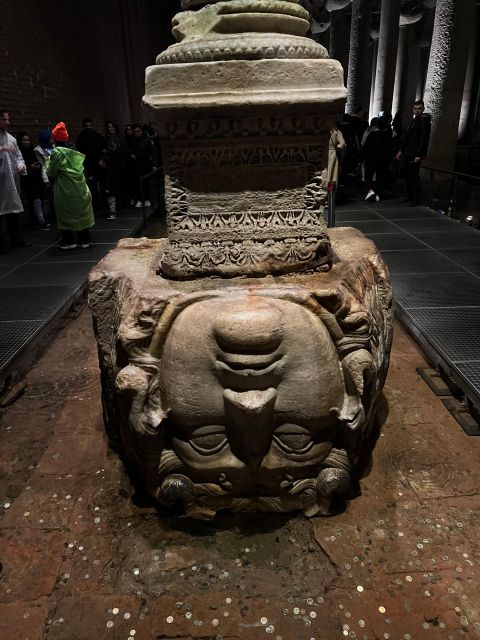
A rug’s color story can make you fall in love instantly. But color is also where quality debates happen. This experience focuses on natural dye techniques and how materials—wool, cotton, silk—affect durability and value.
Here’s the key idea you’ll carry with you: natural dyes usually develop deeper, more nuanced color and tend to age differently than many synthetic approaches. That doesn’t mean every naturally dyed rug is automatically “better,” but it gives you a framework for evaluating what you’re seeing and what the seller is claiming.
And the tour connects material choice to practical outcomes. Wool is commonly valued for resilience. Silk is often used for fine detail and sheen. Cotton can appear in certain parts of carpet construction. When you understand these roles, you can judge whether a rug is built for daily life or mainly for display.
Live Weaver Demonstration: The Knot, the Tools, and the Time Factor
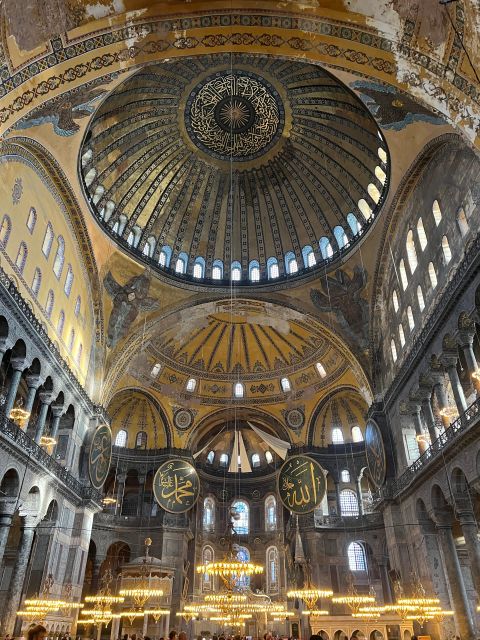
Seeing weaving in person is one of the biggest reality checks you can get before buying a rug. The experience includes a live weaving demonstration that shows traditional Turkish knotting techniques and the tools used by master weavers.
The big takeaway is time. Handmade weaving isn’t fast, and that’s not just romantic talk. It affects labor cost and therefore price. When you watch the knotting process, you understand why a dense, detailed rug takes longer—and why “cheap for that quality” is rare.
If you care about authenticity, this demo helps you separate two kinds of rugs: those built slowly with visible hand techniques, and those that look like handcraft but are priced like something else. Even if you don’t buy on the spot, you’ll walk away with a sharper eye.
Grand Bazaar Break: Where You Can Compare the Real World
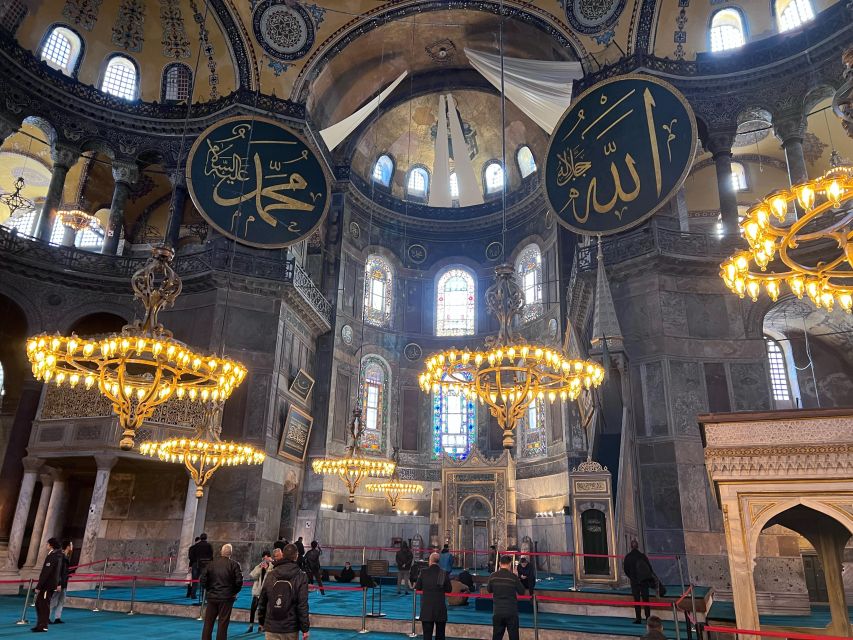
The tour includes a break in the Grand Bazaar and a photo stop, with guided walking and time for coffee/tea. There’s also an arts-and-crafts market visit as part of the early rhythm of the experience.
I like this stop because it gives you context. You’ll be learning how rugs are made, then you’ll see what the market atmosphere looks like. It’s an easy place to test what you’ve just learned: can you spot the difference between a pattern that’s explained by craftsmanship and a pattern that’s just being pushed?
One note: the Grand Bazaar can be crowded, and rug shopping can attract a lot of attention. If you prefer quiet browsing, you may want to focus on what your guide points out rather than getting pulled into every sales pitch.
Vezir Hanı Workshop Time: Tea, Questions, and Craft Talk
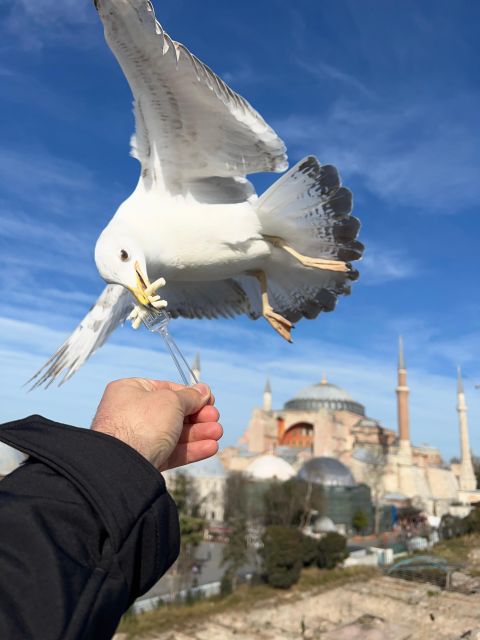
Next comes Vezir Hanı, where the experience shifts into workshop mode. You get more time for guided explanation, plus welcome refreshments and a more structured look at carpet craftsmanship.
This part of the tour is where the education becomes conversation. You’ll be able to ask questions about materials, dyes, and weaving techniques, and you’ll likely discuss what you’re seeing in the gallery later. The included tea and refreshments are more than a nice touch—they slow the pace so you can actually absorb details instead of rushing through rooms like you’re speed-running shopping.
Optional local alcoholic refreshments are mentioned, so if you’re trying to keep your head clear for evaluating quality, you can simply stick with tea.
The Trusted Rug Gallery: How to Shop With Less Guesswork

This is the heart of the experience: a carefully selected trusted Istanbul rug gallery. The goal isn’t just to show rugs—it’s to help you identify authenticity and fair pricing without pressure.
In this shop, you’re guided toward certified handmade Turkish carpets and kilims, with regional styles including Hereke, Oushak, and Anatolian pieces. You’ll learn how to compare items and how to evaluate whether the story matches the craftsmanship.
What I appreciate most is the emphasis on fair pricing. It’s easy to get distracted by big claims in a rug shop, but a guide who knows what matters helps you keep the process grounded. You’ll also get worldwide shipping assistance, which is huge if you’re traveling and your suitcase strategy is already overloaded.
The real confidence builder here is that you aren’t just pointed at a single “best deal.” You’re learning a method for comparing.
Bargaining With a Realistic Script: Negotiation Helps, Not Hurts
Carpet shopping can feel awkward because negotiation is part of the culture. The tour includes negotiation during the purchase, and that’s useful for two reasons.
First, it helps you avoid the worst beginner trap: paying full price because you don’t know what questions to ask. Second, it prevents you from going too aggressive too fast. A good guide can read the room and steer the talk toward specifics—like size, color combination, and craftsmanship cues.
One verified booking specifically praised the guide for bargaining talent and for helping them find the true size and color combination. That matches what you want in a negotiation partner: someone who can bring you back from vague preferences to practical details that actually change the rug’s suitability in a real room.
What You’ll Walk Away With (Even If You Don’t Buy)
Even if you decide not to purchase, you’ll come away with tools you can use immediately. You’ll be able to look at a rug and ask smarter questions about:
- Thread and fiber choice (silk, wool, cotton roles)
- Natural dye explanations and what they mean for color character
- Weaving method and knotting clues
- Regional style expectations for Hereke, Oushak, and Anatolian rugs
And you’ll likely feel more confident in how you evaluate size. One reason rug shopping goes wrong is that people fall in love with a color story and forget proportions. With guidance, you can better judge what fits your space and what doesn’t.
If you do buy, you’re also getting help with decisions during the process—plus shipping support if needed. That’s a big part of the value here.
A Note on Guides and Pace
You’ll have a live tour guide in multiple languages, including English, Spanish, French, German, Italian, Russian, and Japanese. The tour is described as a private group experience, and it’s marked as wheelchair accessible.
One review praised a guide named Burak and mentioned strong explanations tied to Ottoman history. Another praised the guide’s skill in bargaining and helping with size and color combination. Take that as a sign you’ll likely get more than just product talk—you’ll get context that makes the rugs easier to evaluate.
The pace is also adjustable in practice. One verified booking noted the guide helped them adjust their schedule to fit preferences, including choosing not to go to Topkapi Palace so they could spend more time in the central bazaar and around Hagia Sophia. If you like a flexible day plan, it’s worth keeping that in mind.
Should You Book This Carpet & Rug Experience?
Book it if you want carpet confidence, not just carpet shopping. This works especially well if it’s your first trip to Istanbul, you care about crafts and design, or you’re considering an authentic purchase but don’t want to rely on sales talk.
Skip (or approach cautiously) if you hate markets, avoid negotiation entirely, or want a pure sightseeing-only afternoon. Even with a no-pressure approach, you will spend time in a rug-buying environment, and you’ll be surrounded by people who are trying to sell.
For $47 and a 3-hour format, the sweet spot is clear: you’re paying for expert guidance, a weaving demo, tea breaks that keep you human, and a gallery visit that teaches you how to judge authenticity and fair pricing.
FAQ
How long is the Istanbul Turkish Carpet & Rug Experience?
It lasts 3 hours.
Where does the tour take place?
It’s in Istanbul, Turkey, in the Marmara Region.
What is the price?
The price is listed as $47 per person.
What’s included in the experience?
Included items are a professional carpet expert guide, carpet and rug education, a live weaving demonstration, tea and refreshments, and negotiation during the purchase.
Will I have to buy a rug?
No. The experience includes a no-pressure purchase approach.
Do I get to see weaving in action?
Yes. There is a live carpet weaving demonstration featuring traditional Turkish knotting techniques and tools.
What types of rugs or styles will I learn about?
You’ll learn about regional styles such as Hereke, Oushak, and Anatolian rugs, plus Turkish carpets and kilims.
Is shipping available if I purchase something?
Worldwide shipping assistance is available.
What languages are offered for the tour guide?
The guide is available in English, Spanish, French, German, Italian, Russian, and Japanese.
What’s the cancellation policy?
Free cancellation is available up to 24 hours in advance for a full refund.
If you want, tell me your travel dates and whether you’re aiming to buy (or just learn). I can suggest how to plan your shopping time in the rest of Istanbul around this.
More Tour Reviews in Istanbul
- Istanbul: Bosphorus Dinner Cruise & Show with Private Table★ 4.8 · 62,058 reviews
- Istanbul: Daytime or Sunset Sightseeing Cruise & Audio Guide★ 4.8 · 14,430 reviews
- Istanbul: Bosphorus Dinner Cruise & Turkish Night Show★ 4.8 · 12,954 reviews
- Best of Istanbul 1, 2 or 3-Day Private Guided Istanbul Tour★ 5.0 · 8,922 reviews
- Istanbul: Basilica Cistern Fast-Track Entry and Audio Guide★ 4.6 · 7,521 reviews
- Istanbul: Hagia Sophia Skip-the-Line Ticket & Museum Option★ 3.7 · 4,958 reviews