
REVIEW · ISTANBUL FOOD TOURS
Learn Turkish Cuisine from a Local Mom
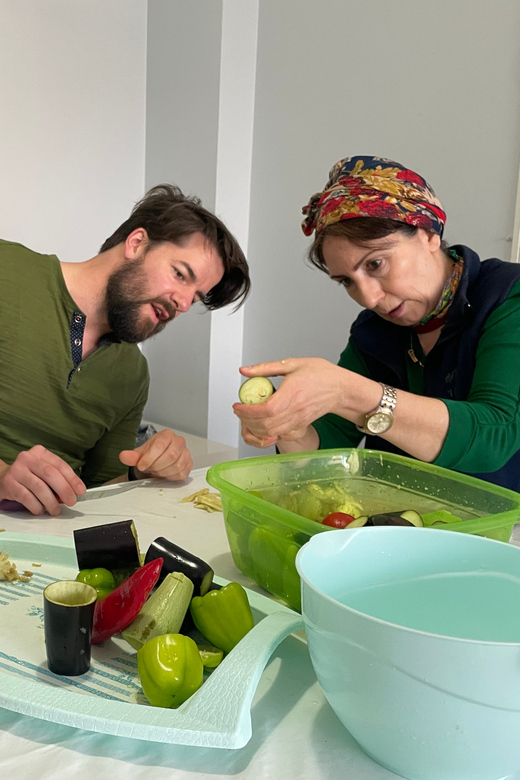
A private kitchen lesson in Istanbul feels like visiting a friend. In a warm Beşiktaş home, you learn Turkish classics from a local mom and sit down with the family for a homemade meal. I love the hands-on cooking (from dolma-style rolling to börek dough work and meze prep), and I also love the way the table turns into real conversation, not just eating on the run. One thing to keep in mind: the class is only 3 hours, so it moves quickly and you’ll want to ask your questions early.
You’ll also get a little personal touch before you arrive. The menu can be adjusted around your dietary preferences, and the small group size (limited to 8) keeps the experience friendly and interactive, with an instructor speaking English and Turkish.
In This Review
- Key things that make this cooking lesson special
- A Beşiktaş kitchen beats a cooking class studio
- Getting to Selamlık Street: the address hunt and best route
- What you’ll cook: Turkish classics that make sense at home
- Dolma-style rolling
- Börek dough work
- Mezes that teach Turkish eating culture
- The pre-visit chat: how dietary preferences get handled
- The meal is the lesson: breakfast, lunch, and family-style eating
- Why this feels more authentic than a restaurant meal
- Price and time: what you’re really paying for
- Who should book this cooking lesson
- Final verdict: should you book?
- FAQ
- How long is the Turkish cuisine experience?
- Where does the experience take place?
- What meals are included?
- What languages are used during the class?
- Is it a small group?
- Is free cancellation available?
Key things that make this cooking lesson special
- A real Istanbul home setup in Beşiktaş, not a studio kitchen or restaurant classroom
- Small group size (up to 8), so you actually get to participate
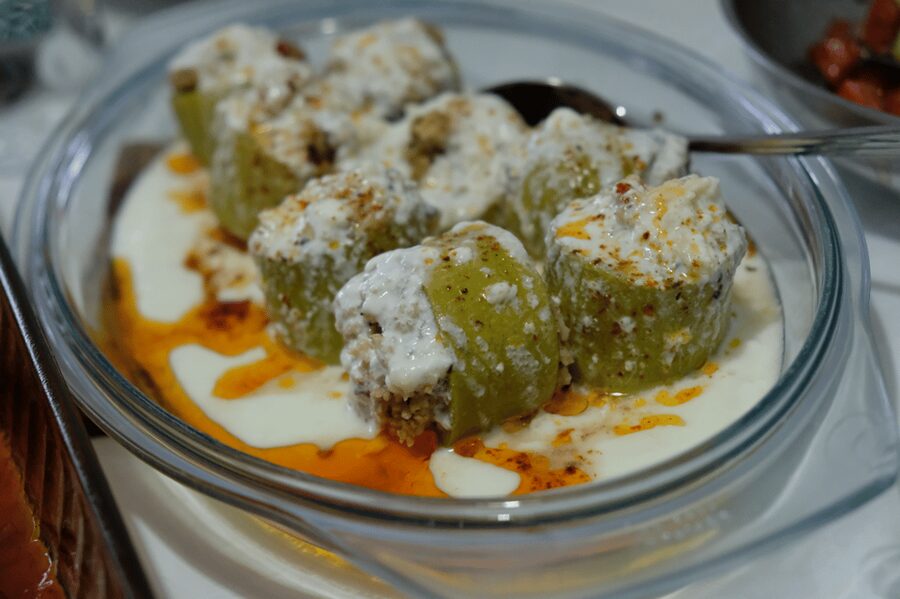
- Dolma, börek, and mezes show up because that is how Turkish food lives at home
- Breakfast and lunch are included, so you experience the meal as it’s meant to be eaten
- Menu tailoring for dietary needs, handled before you go
Still hungry? More Istanbul food walks

A Beşiktaş kitchen beats a cooking class studio
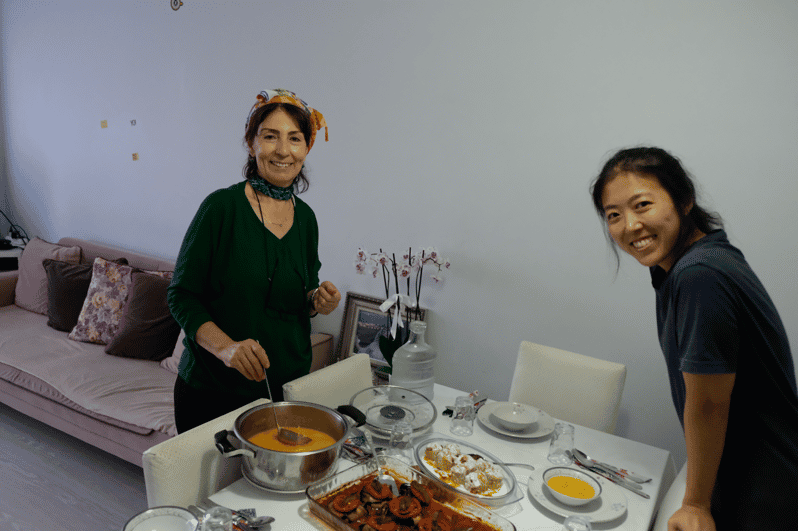
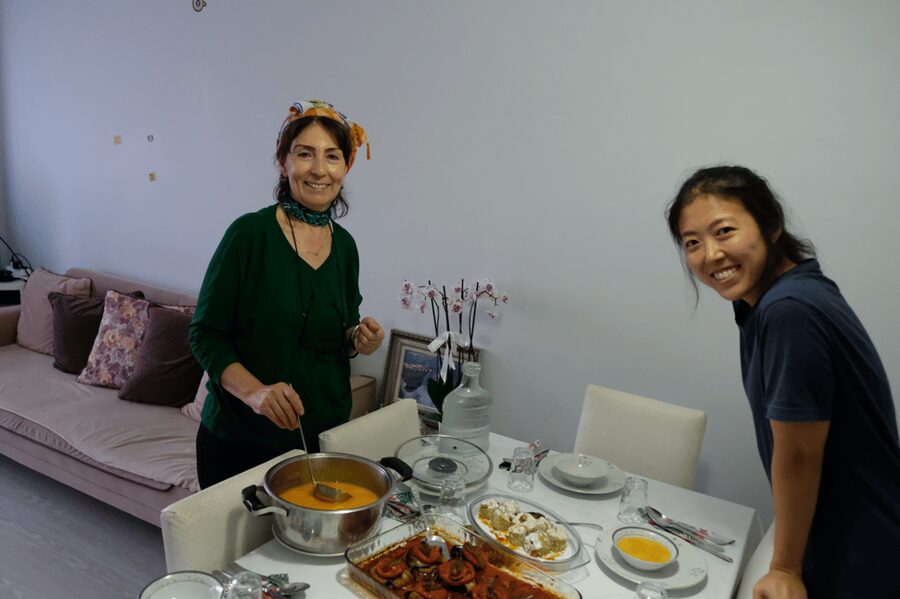
If you want Istanbul food the way locals actually eat it, this is the kind of experience that clicks. You’re stepping into a lived-in apartment kitchen in Beşiktaş, where cooking isn’t staged. It’s what the family does, day-to-day.
The cooking focus isn’t only on technique. It also includes the small reasons behind Turkish flavors: why certain dishes get prepared a certain way, what ingredients matter, and how meals fit into family life. That matters because Turkish home cooking is more about rhythm than recipes. People cook, taste, adjust, and share.
The other big win is the hospitality. The strongest theme from this experience is warmth from the people teaching you. The family-style setting makes the whole session feel personal, with a lot of chatting and laughter around the table. And yes, you’ll likely talk with hosts who are named in past experiences as Nuran and Baver—that kind of consistent kindness is part of what keeps people returning.
Getting to Selamlık Street: the address hunt and best route
This starts in Beşiktaş, and you’ll want a calm mindset when you arrive. You’re going to a private building, not a landmark shop with a big sign.
Here’s the simplest approach if you’re coming from the old-town area (Sultanahmet, Hagia Sophia, Grand Bazaar, Eminönü). Take the tram to Kabataş. From Kabataş, you can take a taxi or bus. You can also walk about 25 minutes—and that walk can be a pleasant way to see more neighborhoods without rushing.
Once you’re in the right area, pay attention to details:
- Go to Selamlık Street
- Look for number 21, a bit above the car park
- The gate is across Abbasaga Mosque
- Ring the bell on the left side at number 6
- After that, you walk up one floor
It’s not hard, just precise. If you’re prone to arriving flustered, plan a little extra buffer time.
What you’ll cook: Turkish classics that make sense at home
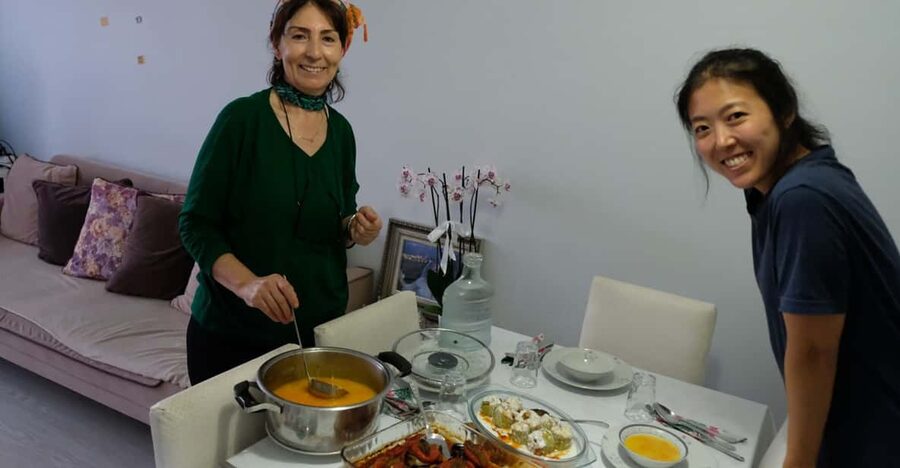
The menu centers on dishes that Turkish households cook often—and that are fun to learn because you can see the transformation. The description specifically points to a few favorites: dolma, börek, and a spread of mezes.
Here’s what those categories mean for you as a cook and eater:
- Best of Istanbul 1, 2 or 3-Day Private Guided Istanbul Tour★ 5.0 · 8,922 reviews
- Istanbul: Basilica Cistern Fast-Track Entry and Audio Guide★ 4.6 · 7,521 reviews
- Istanbul: Hagia Sophia Skip-the-Line Ticket & Museum Option★ 3.7 · 4,958 reviews
- Istanbul: Hodjapasha Whirling Dervishes Show & Exhibition★ 4.4 · 4,790 reviews
Dolma-style rolling
Dolma is one of those dishes where patience pays off. It’s partly technique and partly timing. You’re learning how filling becomes a finished bite. Expect to work with careful rolling and portioning so everything cooks evenly.
Börek dough work
Börek is a dough-and-assembly kind of dish. Even if you don’t leave with restaurant-level mastery, you’ll understand why Turkish home cooks treat dough like the foundation: it’s thin, flexible, and forgiving if you learn the basics.
Mezes that teach Turkish eating culture
Mezes aren’t just side dishes. They’re a way of building a meal slowly, sharing small portions, and creating variety. Cooking a meze spread helps you understand Turkish flavor layering—acid, herbs, olive oil, spice, and sometimes dairy all showing up in different combinations.
A key part of the session is also learning why cuisine can differ across regions. Even within one country, people cook with local habits in mind. That makes your new dishes feel less like random party food and more like a living food culture.
The pre-visit chat: how dietary preferences get handled
Before you go, you’ll talk about dietary preferences so the menu can be tailored. That’s a big deal because Turkish meals often include ingredients like dairy, wheat, nuts, and meat, and those need thoughtful substitutions.
You don’t need to be an expert in Turkish food terminology. Just be clear about your needs (for example, allergies or dietary restrictions). The advantage of having this conversation ahead of time is that you’re not stuck at the table hoping something works.
The meal is the lesson: breakfast, lunch, and family-style eating
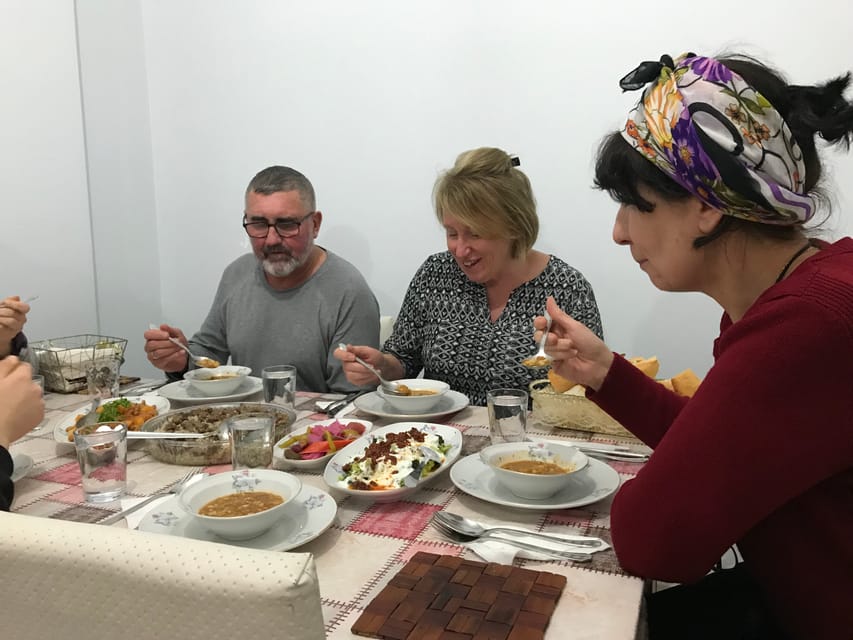
This isn’t a snack-and-run experience. Breakfast and lunch are included, and the day is built around you cooking together and then eating together.
What you get out of that structure:
- You’ll taste what you just made, right away, while the flavors and technique are still fresh in your mind.
- You get the social side of Turkish dining: sitting down, talking, and letting food take its time.
- It’s easier to ask questions while someone is still in front of you, mid-meal, explaining what you’re tasting.
In past sessions, hosts have welcomed people with tea and something sweet before cooking begins. You might also find that small snacks show up before the main prep and meal. It’s all part of how Turkish hospitality works: you settle in first, then cook.
And when you sit at the table, you’re not only eating. You’re learning how people talk about food—what’s considered special, what ingredients are common, and what traditions are carried on in family kitchens.
Why this feels more authentic than a restaurant meal
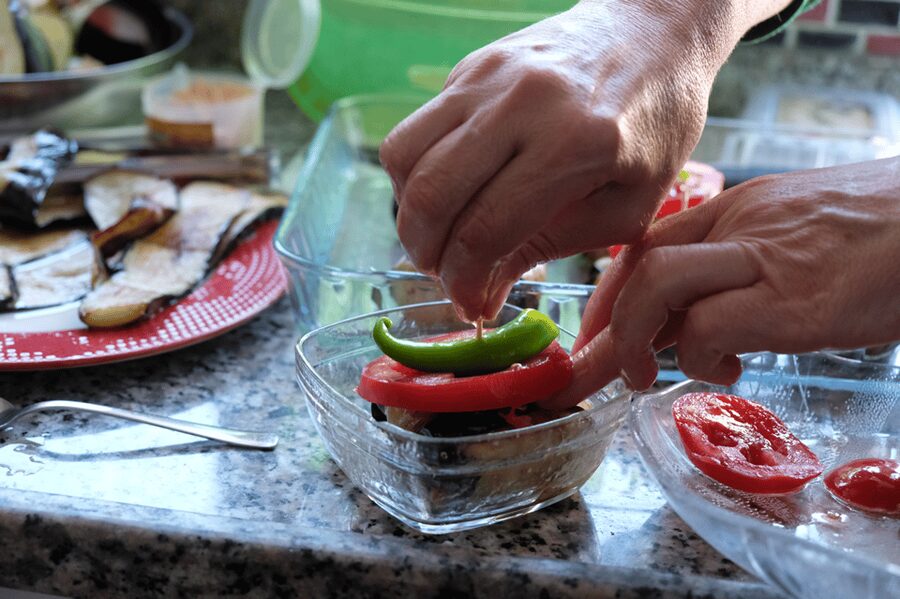
A regular restaurant can be great. But you don’t learn how the dish is put together. Here, the value is in the process.
The biggest authenticity factor is the home environment:
- You’re working in a real kitchen layout, with real pacing.
- You learn by doing, not watching someone else do it at speed.
- You hear the meaning behind dishes, not just the ingredients.
There’s also a practical angle. You may walk away with ideas for what to order in Istanbul. One account mentions that Baver shared tips for visiting Istanbul and offered support if questions came up. Even if the exact tip-giving varies by family, this kind of local advice is a natural byproduct of cooking in someone’s home.
Price and time: what you’re really paying for
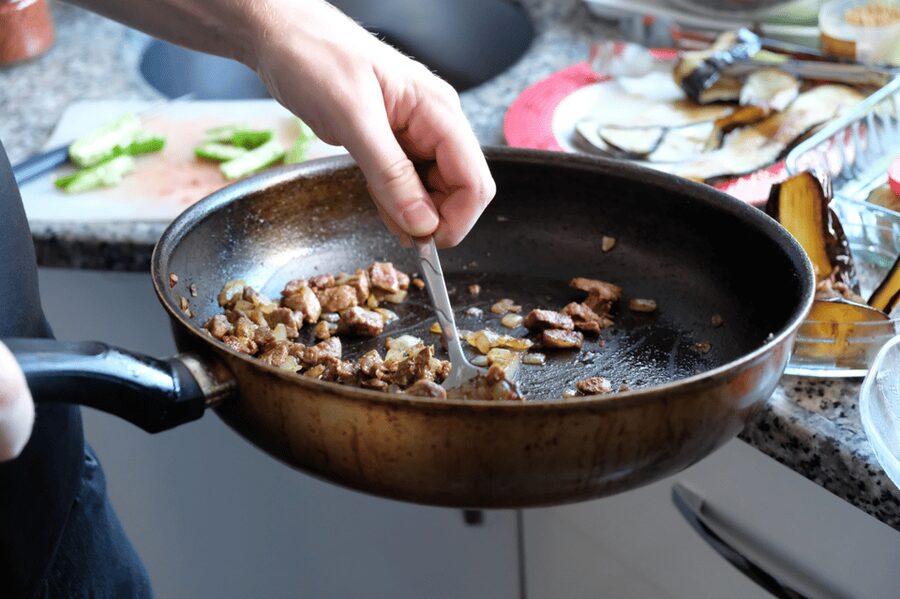
The price is listed at $102 per person, and the total time is 3 hours.
So is it worth it? For me, the “yes” comes from what’s included and what you’re getting:
- A small group experience (up to 8)
- An actual local home setting in Beşiktaş
- Learning Turkish cuisine hands-on, not just observing
- Breakfast and lunch included
- Instruction in English and Turkish
- A menu that can be adjusted based on dietary preferences
If you compare it to private lessons, $102 can feel fair because you’re getting food and time with a family-style host. If you compare it to a standard cooking class, the private home setting is the differentiator. You’re paying for access to lived-in hospitality and a real meal, not just the recipe.
The only “time” downside is the short duration. You’ll do a few dishes and learn key technique pieces, but you won’t turn into a full-time Turkish pastry chef in 3 hours. Plan to take notes and ask follow-up questions, then practice later.
Who should book this cooking lesson
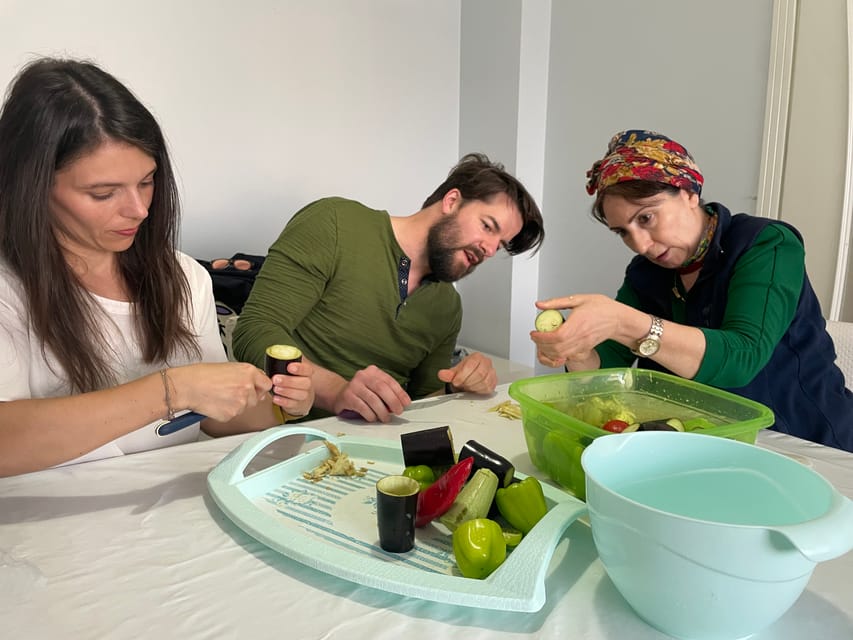
This works especially well if you want:
- A Turkish home cooking experience that’s more hands-on than sightseeing-only days
- A break from long restaurant meals where you never really understand what’s going on
- Food plus conversation, where culture shows up through everyday cooking
- A small-group format where you don’t disappear into a crowd
It might be less ideal if you only want a slow, detailed, course-style approach. The class is short. It’s designed to get you cooking and eating without lingering all day.
Final verdict: should you book?
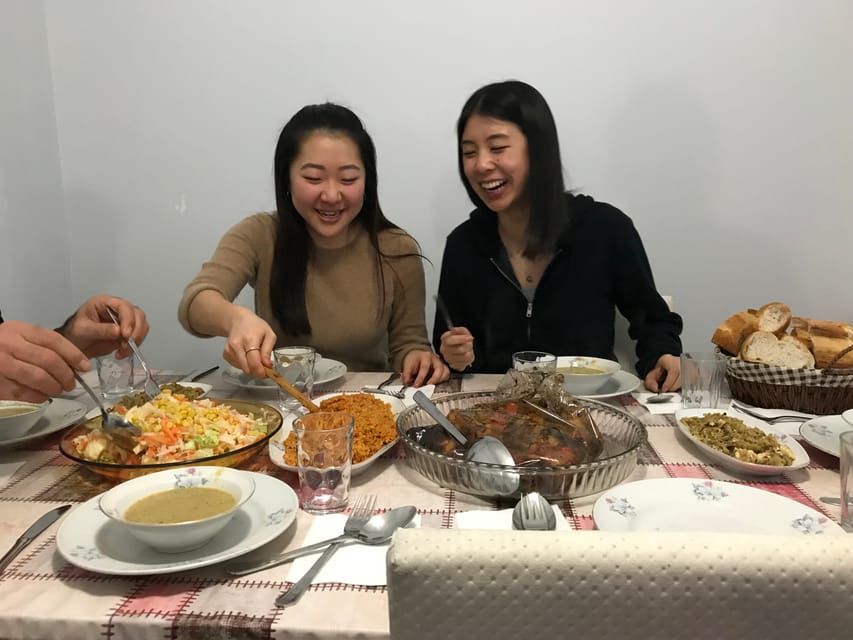
I’d book this if your idea of a great Istanbul day includes learning by making and eating where people actually live. The combination of a Beşiktaş home, small group size, and breakfast plus lunch adds up to real value, not just a one-off “food moment.”
One smart move: arrive on time and come ready with a few questions. With only 3 hours, good questions help you get more out of every step—especially for dolma, börek, and the meze flavors you’ll want to recreate later.
If you want Turkish cuisine in the way it’s served at home—warm, shared, and taught by the people cooking it—this is a strong pick.
FAQ
How long is the Turkish cuisine experience?
It lasts about 3 hours. You can check availability to see the starting times.
Where does the experience take place?
The class happens in a warm local home in Beşiktaş, Istanbul (Istanbul Province, Turkey).
What meals are included?
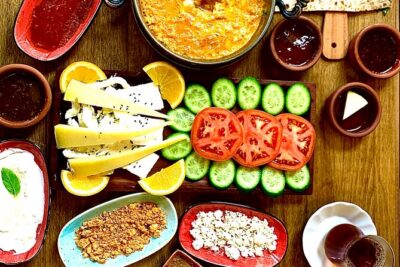
The experience includes breakfast with local friends at home and lunch with local friends at home.
What languages are used during the class?
The instructor speaks English and Turkish.
Is it a small group?
Yes. The group is limited to 8 participants.
Is free cancellation available?
Yes. You can cancel up to 24 hours in advance for a full refund.
More Tour Reviews in Istanbul
- Istanbul: Bosphorus Dinner Cruise & Show with Private Table★ 4.8 · 62,058 reviews
- Istanbul: Daytime or Sunset Sightseeing Cruise & Audio Guide★ 4.8 · 14,430 reviews
- Istanbul: Bosphorus Dinner Cruise & Turkish Night Show★ 4.8 · 12,954 reviews
- Best of Istanbul 1, 2 or 3-Day Private Guided Istanbul Tour★ 5.0 · 8,922 reviews
- Istanbul: Basilica Cistern Fast-Track Entry and Audio Guide★ 4.6 · 7,521 reviews
- Istanbul: Hagia Sophia Skip-the-Line Ticket & Museum Option★ 3.7 · 4,958 reviews
More Istanbul Tables Worth Booking
- Istanbul: European and Asian Side Guided Foodie Walking Tour★ 4.9 · 1,038 reviews
- Istanbul: Guided Food Tour with Ferry Ride and Tastings★ 4.9 · 770 reviews
- Two Markets, Two Continents with Culinary Backstreets★ 5.0 · 479 reviews
- The Award-Winning PRIVATE Food Tour of Istanbul: The 10 Tastings★ 5.0 · 462 reviews
- Istanbul Food Tour – History and Culture of Turkish Culinary★ 5.0 · 265 reviews
- Istanbul Kadikoy Food Tour with 12+ Local Delicacies Tastings★ 5.0 · 247 reviews
Fresh off the boat: new Istanbul reviews





Istanbul Food Tours, compared.
 ★ 4.9European and Asian Side Guided Foodie Walking TourFrom $1351,038 reviews
 ★ 4.9Guided Food Tour with Ferry Ride and TastingsFrom $115770 reviews
 ★ 5.0Two Markets, Two Continents with Culinary BackstreetsFrom $145479 reviews
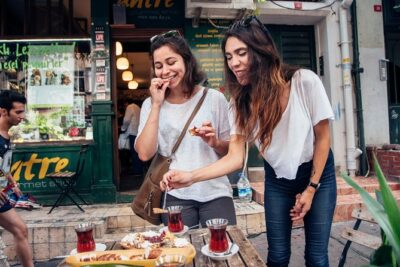 ★ 5.0The Award-Winning PRIVATE Food Tour of Istanbul: The 10 TastingsFrom $192462 reviews
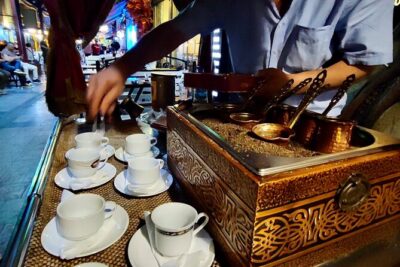 ★ 5.0Istanbul Food Tour – History and Culture of Turkish CulinaryFrom $127265 reviews
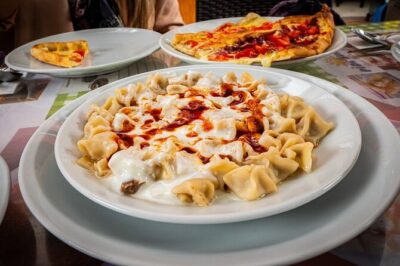 ★ 5.0Istanbul Kadikoy Food Tour with 12+ Local Delicacies TastingsFrom $100247 reviews
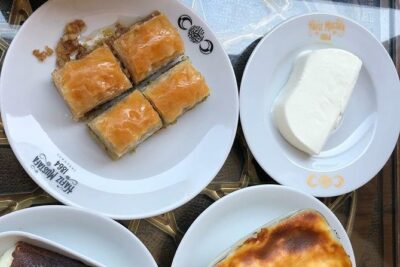 ★ 5.0Istanbul Traditional Food Tour with Dinner on Off-Touristy-PathFrom $139230 reviews
 ★ 5.0Private and guided Istanbul food tour – Taste of IstanbulFrom $270205 reviews
Browse the lists this tour appears in