
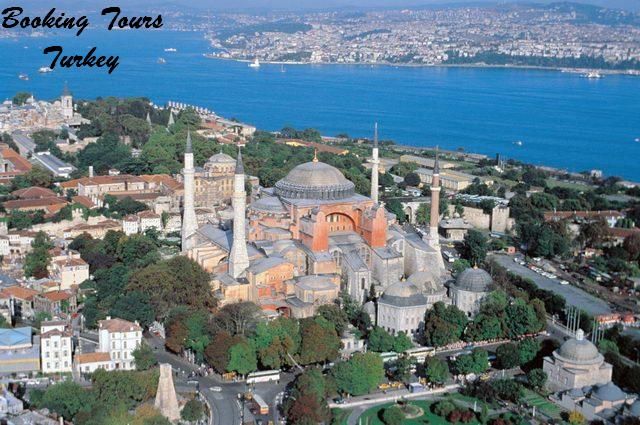
REVIEW · HAGIA SOPHIA TOURS
Private Walking Tour: Hippodrome, Blue Mosque, Hagia Sophia
Four hours, three empires, zero boredom. I like how this route connects Blue Mosque tiles and calligraphy to the Byzantine world of Hagia Sophia without feeling like you’re rushing, and I like that you get an actual guide to translate what you’re seeing into clear stories. One consideration: on some dates the Blue Mosque interior can be limited or closed due to renovations.
In this part of Istanbul, the landmarks sit close enough that you can grasp the whole city pattern: Roman spectacle, Ottoman power, and Byzantine artistry all in one walking arc. You’ll also spend time around Sultanahmet Square, where the ancient Hippodrome’s relics quietly set the scene for chariots, crowds, and public life.
This is built for an easier pace with a small group (capped at 10) and an English live guide. In the real world, that guide time matters a lot; one guide named Josh stood out for being on time and very strong with explanations, and another guide named Idyi handled questions well and even helped extend the day with directions to the Basilica Cistern.
In This Review
- Key points worth knowing
- Sultanahmet in 4 Hours: How This Walk Gets You Oriented Fast
- Blue Mosque (Sultanahmet Mosque): Iznik Tiles, Calligraphy, and the Renovation Reality
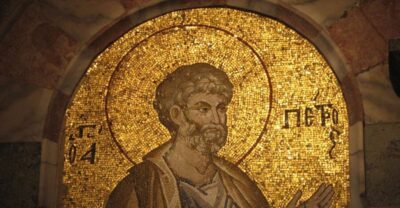
- Hagia Sophia: Byzantine Mosaics Under a Floating Dome
- Sultanahmet Square and the Hippodrome Relics: Reading a Roman Arena
- The Guide Makes It Worth It: Josh, Idyi, and What You’re Actually Paying For
- Price and Value: What $117 Buys in Real Terms
- When the Blue Mosque Is Limited: How to Keep the Day on Track
- Best Fit: Who Should Book This Walking Tour
- Should You Book This Private Walking Tour of the Hippodrome, Blue Mosque, and Hagia Sophia?
- FAQ
- How long is the tour?
- Where does the tour take place?
- Is the Blue Mosque entrance included?
- What does the tour include?
- Is Hagia Sophia part of the tour?
- What group size should I expect?
- Is there free cancellation?
- Can I reserve and pay later?
- Is this tour available on Monday?
Key points worth knowing
- Short walk, big payoff: Sultanahmet’s top sites are close together, so the story connects naturally.
- Blue Mosque is stunning, but watch the access: Renovations can change what you can see inside.
- Hagia Sophia is about scale and art: Expect to focus on the dome and the Byzantine mosaics.
- Hippodrome relics give the Roman context: You’re not just looking at buildings; you’re reading a vanished arena.
- Guide quality can make or break it: Strong, friendly guiding is the consistent standout.
Other ways under the Hagia Sophia dome

Sultanahmet in 4 Hours: How This Walk Gets You Oriented Fast
This tour is a practical way to understand Sultanahmet, the historic heart of Istanbul where the city’s layers stack up side by side. In four hours, you’re guided through three major landmarks that represent different eras of rule and worship. The trick is that you’re not treated like you’re only doing photo stops. Instead, you’re shown what each place means, then you get time to look.
If you’re the type of traveler who likes to “read” monuments rather than just snap them, this format works well. The tour keeps the pacing walk-friendly, and the stops are close enough that you’re not constantly relocating. That matters because Istanbul sites often feel better when you can connect the dots while the street is still familiar.
And yes, you’ll likely want to linger. But the upside of a half-day plan is that you can still keep your evening free for dinner or a second walk through the same neighborhood.
Blue Mosque (Sultanahmet Mosque): Iznik Tiles, Calligraphy, and the Renovation Reality
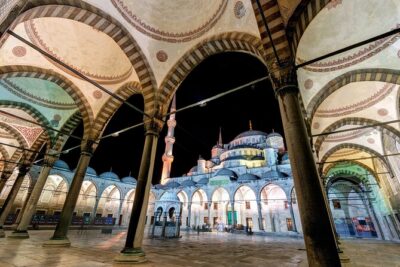
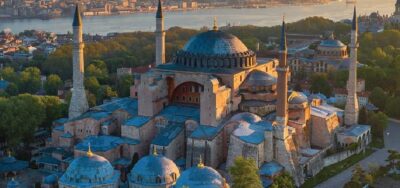
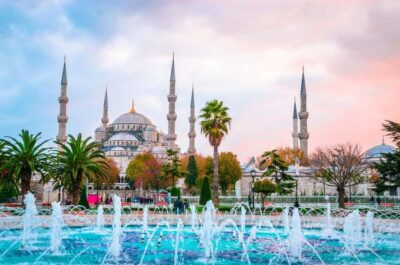
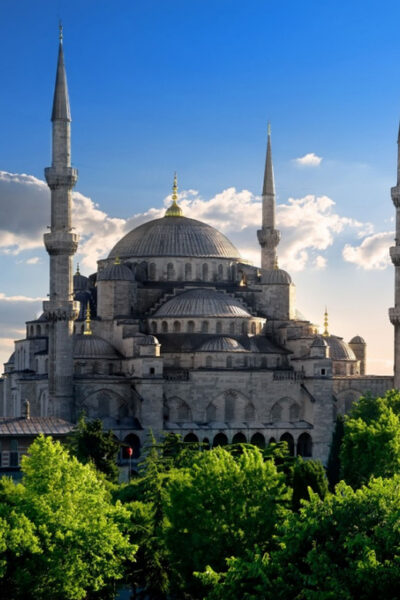
The day starts with the Sultanahmet Mosque, built in the 17th century under Sultan Ahmed I. It’s one of Istanbul’s most recognizable landmarks because of its six minarets, but what brings it to life for many visitors is the interior design—the famed Iznik tiles and the way the decorations wrap the space.
Here’s what to pay attention to as you walk in and around:
- The Iznik tiles in rich shades of blue, which gave the mosque its common name.
- The calligraphy and the way stained-glass light can change how the interior feels.
- The courtyard and architecture outside, especially if you’re looking for the classic skyline views.
Now the important part: the Blue Mosque experience depends on the day’s renovation status. There have been periods where the Blue Mosque was closed until later in the season, which meant no interior visit even though the tour is described as including it. Other times, access has been restricted both outside and inside.
So my advice is simple: if you’re traveling in renovation season, treat the Blue Mosque visit as “expect it, but confirm it.” If interior access is limited, you’ll still get the mosque’s architectural impact, but you may not get the full tile-and-calligraphy moment.
Hagia Sophia: Byzantine Mosaics Under a Floating Dome
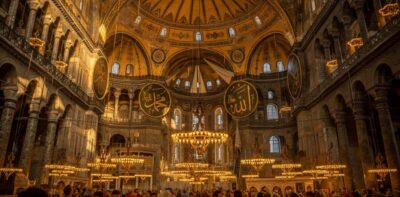
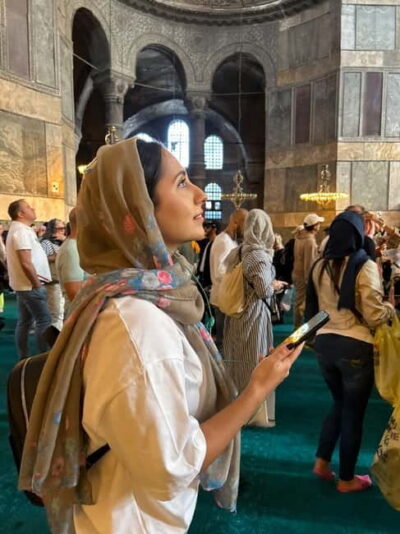
Next you’ll reach Hagia Sophia, which has been reshaping visitors’ expectations for nearly 1,500 years. Built in 537 AD under Emperor Justinian, it was the largest church in the world for over a thousand years, and the dome remains the star of the show—the one that seems to float above the nave.
What I like about this stop is that it makes the big architectural ideas understandable. Even if you’re not an architecture nerd, Hagia Sophia pushes you to notice scale, balance, and how the space guides your eyes. It also gives you an easy way to connect history to what’s still visible.
Inside, the focus is on Byzantine art:
- Byzantine mosaics, along with paintings and sculptures
- Visual storytelling tied to emperors, saints, and religious themes
And then the building’s Ottoman chapter comes into the picture. After 1453, Hagia Sophia was converted into a mosque. That change didn’t erase everything; it created a layered monument where Islamic and Christian traditions intersect in one place. Today, many visitors treat it as a symbol of cultural change and resilience, because it literally carries different faiths in the same walls.
If you’re choosing one “must-see” site on a first Istanbul visit, Hagia Sophia is usually the one. The mosaics and the dome are both memorable, but the real value is how quickly you can grasp why this building influenced architects for centuries.
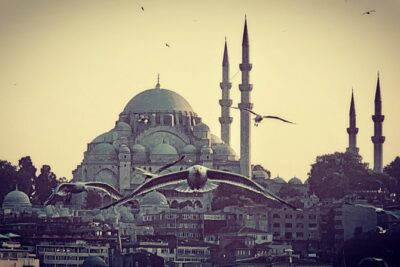
More time beneath the Blue Mosque's six minarets
- Istanbul: Blue Mosque, Hagia Sophia, & Old Town Walking Tour★ 4.8 · 2,372 reviews
- Istanbul: Basilica, Hagia Sophia, Blue Mosque Tour & Cruise★ 4.5 · 1,929 reviews
- Istanbul: Blue Mosque Guided Tour★ 4.5 · 1,910 reviews
- Hagia Sophia Skip-the-Line Ticket & Blue Mosque Audio Guide★ 4.1 · 1,879 reviews
Sultanahmet Square and the Hippodrome Relics: Reading a Roman Arena
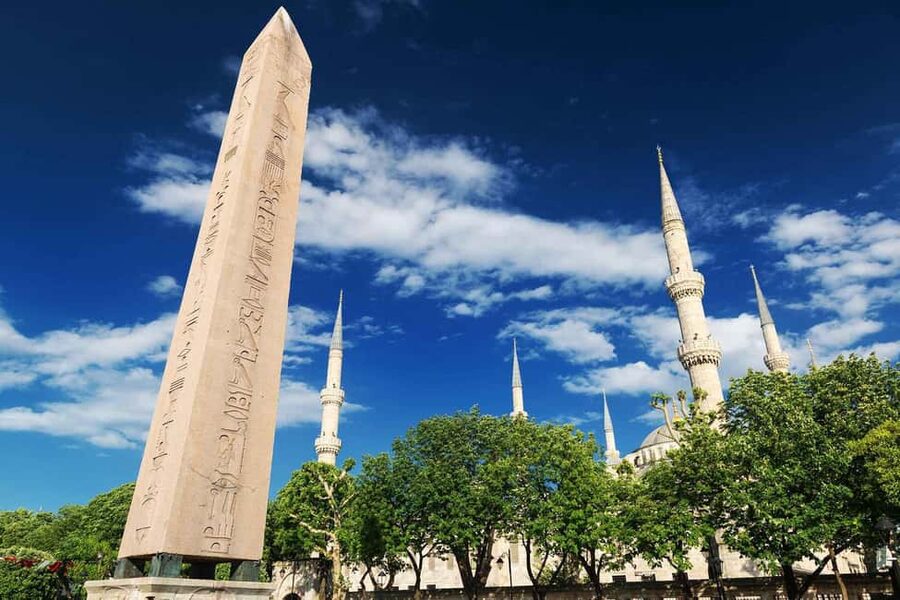
Between Blue Mosque and Hagia Sophia, you pass through Sultanahmet Square, which sits over the former Roman Hippodrome of Constantinople. This is the kind of stop that can feel accidental if you don’t have context. With a guide, it becomes a story of public life—chariot races, celebrations, and the political energy of a city that used spectacle to bring people together.
What you’ll see around the square includes relics such as:
- The Obelisk of Theodosius
- The Serpent Column
- Other remnants of the arena
The best way to use this moment is to imagine what used to be here. The Hippodrome wasn’t just a venue; it was a social hub. Even if the seating and structures are gone, the relics help you picture the scale of crowds and the importance of public events to the empire’s identity.
For photographers, the Hippodrome relics can be tricky because they aren’t one big “pose here” monument like the domes. But if you want a break from building-focused sightseeing, this stop is valuable. It grounds the day in the Roman layers that came before the Byzantine and Ottoman eras you’ll see up close.
The Guide Makes It Worth It: Josh, Idyi, and What You’re Actually Paying For
The tour includes a live guide in English. That sounds like a small detail, but in practice it’s a big part of what you’re buying.
From past experiences with guides on this kind of route, the standout pattern is clarity. A strong guide helps you spot what matters: why the Blue Mosque tiles matter, what Hagia Sophia’s dome is doing, and how the Hippodrome relics connect to Constantinople’s public life.
Two guide names show up strongly in feedback: Josh for being on time and very informative, and Idyi for handling questions well and staying friendly even after the formal tour. That kind of after-the-tour help can be practical. For example, one guide made time to point out the way to the Basilica Cistern afterward. You don’t get that on every tour, so it’s worth remembering: a good guide can extend your Istanbul day even if they can’t extend the itinerary.
Also note the group size. Even though the tour is described as private, the activity is limited to a small group (up to 10 participants). That small cap generally means you’re not stuck in a massive herd. It also tends to make questions easier and the pacing more human.
Price and Value: What $117 Buys in Real Terms
At $117 per person for a 4-hour walking tour, the value depends on your priorities. This price covers the guide, not the entrance fees. That’s key: entrance fees for the Blue Mosque and Hagia Sophia are not included, so you should plan for additional on-site costs.
So where does the money earn its keep?
- You’re paying for orientation across three eras in one morning or afternoon.
- You’re paying for a guide to interpret art and architecture, not just read a signboard.
- You’re saving time by keeping everything in the Sultanahmet zone rather than piecing together separate visits.
If you’re the type who would otherwise spend time flipping between guidebooks, maps, and history videos, the guide saves effort. If you’re comfortable on your own and you just want the sites, you might choose self-guided visits instead. But if you want the meaning behind what you see—especially for Hagia Sophia mosaics—the included guide time is often the difference between a quick look and a real understanding.
When the Blue Mosque Is Limited: How to Keep the Day on Track
Because renovations have affected the Blue Mosque at different times, you should mentally plan for this possibility. If the mosque interior is closed or restricted, you’ll likely spend more time with the architecture you can access and with the parts of the site that remain open.
In that case, I’d treat Hagia Sophia as the anchor stop. Hagia Sophia’s dome and mosaics are the core artistic payoff, and that part of the day still gives you the biggest visual wow factor even when another stop is constrained.
If the Blue Mosque interior isn’t available, ask your guide to focus on what you can see: the exterior design, the courtyard feel, and the interior style elements that you might still be able to reference from viewpoints you’re allowed to use. A good guide can often reframe the visit so it still feels like you’re learning, not just waiting.
Best Fit: Who Should Book This Walking Tour
This tour is a strong fit if you:
- Want to see Sultanahmet’s top monuments in one compact half-day.
- Prefer guided explanations that connect architecture to history.
- Enjoy mosaics, religious art, and public Roman relics, not just big landmarks.
It’s also a good choice if you’re traveling with someone who gets tired of doing everything solo. Even with a small group, the guided structure keeps the day organized.
If you’re traveling only on Monday, you’ll need to pick another day. The tour isn’t available on Mondays.
If you’re visiting during a renovation window for the Blue Mosque, you should be flexible about how much you’ll be able to see inside.
Should You Book This Private Walking Tour of the Hippodrome, Blue Mosque, and Hagia Sophia?
I’d book it if you want a guided, story-focused walk through Sultanahmet that respects your time. The blend of Roman context (Hippodrome relics), Islamic architecture (Blue Mosque), and Byzantine art (Hagia Sophia mosaics) is exactly what makes this neighborhood special.
Two reasons I’d lean yes:
- The guide component is consistently the star, with strong examples like Josh and Idyi.
- In a half-day, you get the kind of context that’s hard to reconstruct alone.
The one reason to hesitate is the Blue Mosque access risk during renovations. If interior access is a must for you, check your dates and be ready for a partial visit.
Overall, this is a smart way to experience Istanbul’s layers without exhausting logistics. You’ll leave with clearer connections between the empires that shaped this city, plus photos you’ll understand long after you’ve boarded your next train.
FAQ
How long is the tour?
It lasts 4 hours.
Where does the tour take place?
It focuses on Istanbul’s Sultanahmet district, in Turkey’s Marmara Region.
Is the Blue Mosque entrance included?
Entrance fees are not included, so you’ll pay entrance costs on your own. Also, access may be limited during renovations.
What does the tour include?
A live English guide is included.
Is Hagia Sophia part of the tour?
Yes. The tour includes visiting Hagia Sophia and viewing Byzantine mosaics.
What group size should I expect?
The group is small, limited to 10 participants.
Is there free cancellation?
Yes. You can cancel up to 24 hours in advance for a full refund.
Can I reserve and pay later?
Yes. It offers reserve now and pay later.
Is this tour available on Monday?
No, it is not available on Monday.
More Tour Reviews in Istanbul
- Istanbul: Bosphorus Dinner Cruise & Show with Private Table★ 4.8 · 62,058 reviews
- Istanbul: Daytime or Sunset Sightseeing Cruise & Audio Guide★ 4.8 · 14,430 reviews
- Istanbul: Bosphorus Dinner Cruise & Turkish Night Show★ 4.8 · 12,954 reviews
- Best of Istanbul 1, 2 or 3-Day Private Guided Istanbul Tour★ 5.0 · 8,922 reviews
- Istanbul: Basilica Cistern Fast-Track Entry and Audio Guide★ 4.6 · 7,521 reviews
- Istanbul: Hagia Sophia Skip-the-Line Ticket & Museum Option★ 3.7 · 4,958 reviews
More at the Blue Mosque
- Istanbul: Blue Mosque & Hagia Sophia Guided Tour w/ Tickets★ 4.8 · 3,600 reviews
- Istanbul: Blue Mosque, Hagia Sophia, & Old Town Walking Tour★ 4.8 · 2,372 reviews
- Istanbul: Basilica, Hagia Sophia, Blue Mosque Tour & Cruise★ 4.5 · 1,929 reviews
- Istanbul: Blue Mosque Guided Tour★ 4.5 · 1,910 reviews
- Hagia Sophia Skip-the-Line Ticket & Blue Mosque Audio Guide★ 4.1 · 1,879 reviews
- Istanbul: Blue Mosque, Hagia Sophia, & Basilica Cistern Tour★ 4.7 · 1,806 reviews
Hagia Sophia, A Few More Ways In
- Istanbul: Hagia Sophia Skip-the-Line Ticket & Museum Option★ 3.7 · 4,958 reviews
- Istanbul: Blue Mosque & Hagia Sophia Guided Tour w/ Tickets★ 4.8 · 3,600 reviews
- Basilica Cistern & Hagia Sophia with Optional Topkapi Palace★ 4.6 · 3,547 reviews
- Istanbul: Hagia Sophia Entry Ticket with Audio Guide★ 4.3 · 2,854 reviews
- Istanbul: Blue Mosque, Hagia Sophia, & Old Town Walking Tour★ 4.8 · 2,372 reviews
- Istanbul: Basilica, Hagia Sophia, Blue Mosque Tour & Cruise★ 4.5 · 1,929 reviews
Fresh off the boat: new Istanbul reviews

Hagia Sophia Tours, compared.
 ★ 3.7Hagia Sophia Skip-the-Line Ticket & Museum OptionFrom $334,958 reviews
 ★ 4.8Blue Mosque & Hagia Sophia Guided Tour w/ TicketsFrom $393,600 reviews
 ★ 4.6Basilica Cistern & Hagia Sophia with Optional Topkapi PalaceFrom $813,547 reviews
 ★ 4.3Hagia Sophia Entry Ticket with Audio GuideFrom $332,854 reviews
 ★ 4.8Blue Mosque, Hagia Sophia, & Old Town Walking TourFrom $712,372 reviews
 ★ 4.5Basilica, Hagia Sophia, Blue Mosque Tour & CruiseFrom $681,929 reviews
 ★ 4.3Combo: Hagia Sophia+Basilica Cistern Optional Topkapi PalaceFrom $811,880 reviews
 ★ 4.1Hagia Sophia Skip-the-Line Ticket & Blue Mosque Audio GuideFrom $331,879 reviews
Browse the lists this tour appears in