
REVIEW · CITY TOURS
Traditional Home Cooking with a Local in İstanbul City Center
One kitchen. One neighborhood. A real taste of Istanbul. You’ll start in Kurtuluş, shopping through spice and meze shops with local stops that show you what goes into everyday Turkish meals. Then you cook together in Gülşah’s home, with hands-on guidance for dishes like kuru fasülye, dolma, börek, and a spread of mezze.
What I love most is the market-to-table flow and the fact it’s small enough to feel personal. You’ll also get a full meal with Turkish soup, salads/meze, mains, dessert, and Turkish coffee and/or tea included. The main consideration: you’re going into a local kitchen, so if you dislike walking a bit or being in someone’s home environment, it may feel less comfortable than a commercial class.
In This Review
- A quick heads-up before you go
- Key Highlights You’ll Actually Feel
- From Ramada Plaza to Kurtuluş Markets: the food lesson starts outside
- Grocery shopping with your host: how Turkish flavor gets built
- Back at Gülşah’s home: the difference between cooking classes and home-cooking
- The cooking part: what you’ll actually make, step by step
- Soup starters: lentil or yogurt-style comfort
- Salads and mezze: cold, fresh, and built for sharing
- Main courses: choose-your-adventure Turkish comfort food
- Dessert: Turkish pumpkin dessert with tahini (and sometimes more)
- Turkish coffee and tea: what to expect at the table
- Price and value: what $80 gets you (and why it’s not just a class)
- Logistics that affect your experience (the practical stuff)
- Who this is best for (and who should choose something else)
- A few real tips before you book
- Should you book this Istanbul home-cooking experience?
- FAQ
- Is this experience in English?
- Where is the meeting point?
- How long does the cooking experience last?
- What dishes are included or possible to cook?
- What is included in the price?
- Is alcohol included?
- How many people are in the group?
- Do I eat everything I cook?
- Can I cancel for a full refund?
- Is there Turkish coffee or tea?
A quick heads-up before you go
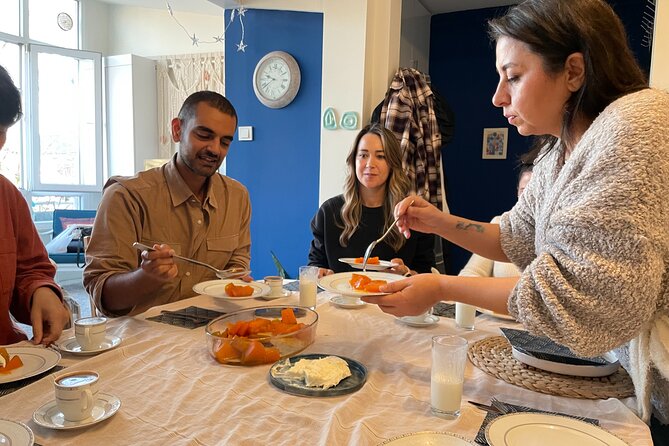
This is offered in English and capped at 5 travelers, so expect a friendly group size rather than a big production. You’ll meet at Ramada Plaza by Wyndham Istanbul City Center in Şişli/Ergenekon, and the activity ends back where you started. If you’re hoping for alcohol, plan on skipping it—alcoholic drinks aren’t included.
Worth putting side by side with this Istanbul pick:

Key Highlights You’ll Actually Feel
- Kurtuluş neighborhood market shopping: you’ll see how locals stock up on spices, pickles, meze ingredients, produce, and bakery items
- A true home-kitchen cooking session: family-style cooking rather than a studio class
- Classic dishes with real technique tips: common favorites like kuru fasülye, karniyarik, dolma, pilaf, börek, and bulgur/rice dishes
- A full spread, not just a single dish: soup starter, salad/meze, mains, and Turkish pumpkin dessert with tahini (or similar)
- Small-group comfort: maximum of 5 travelers, which usually means more attention and more conversation
- Warm host touches that change the day: one guest even mentioned Gülşah providing cozy socks and clothing during nonstop rain
From Ramada Plaza to Kurtuluş Markets: the food lesson starts outside
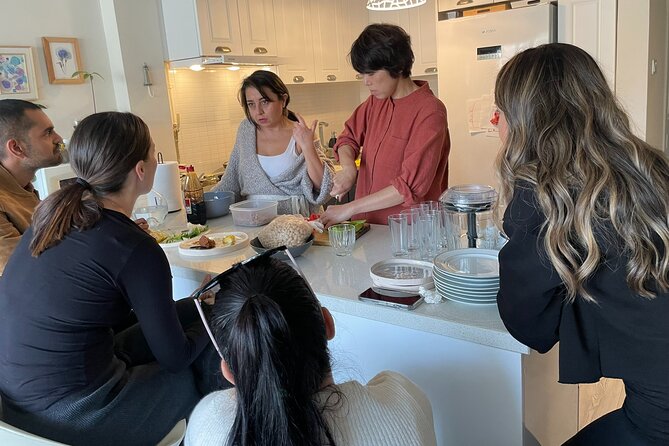
The experience meets at Ramada Plaza by Wyndham Istanbul City Center, then you head into the Kurtuluş area. Kurtuluş is central and well-known for everyday food shopping—exactly the kind of place where you learn what people buy repeatedly, not just what shows up on a tourist menu.
You’ll stroll through a mix of family-run shops: spice sellers, pickle and meze spots, bakeries, and stalls for produce and prepared foods. The point isn’t to speed through a checklist. It’s to understand the ingredients and the choices behind Turkish cooking—what households reach for when they want something comforting, fresh, or intensely flavorful.
If it’s raining, bring a light waterproof layer. One review described a day of relentless rain, and Gülşah responded with a practical kindness—warm socks and clothes to change into. That kind of real-world support is part of why this feels more like visiting someone than booking an activity.
Grocery shopping with your host: how Turkish flavor gets built
In most food tours, you see ingredients. Here, you see the shopping logic. Going into spice, pickle, and meze stores helps you connect the dots between what you cook and what you actually buy at home.
During the market time, your host introduces the flavors that make Turkish food work: the salty bite of pickles, the fragrant layers in spice blends, and the way mezze sit around a meal like a conversation. You’ll also get a clearer sense of which items are staples in Turkish kitchens and which are more “for special occasions” purchases.
One practical takeaway from the reviews: if you want to buy small gifts or specialty items, wait for your host’s guidance. A guest specifically noted that the recommended shops had pricing that felt transparent and fair. Even if you don’t buy anything, watching how someone shops in their neighborhood helps you build your own Turkish pantry map for later.
Worth putting side by side with this Istanbul pick:
- Private Turkish Cuisine Cooking Class with Local Moms★ 5.0 · 114 reviews
- Traditional Home Cooking with a Local in İstanbul City Center★ 5.0 · 82 reviews
- Traditional Home Cooking with a Local in İstanbul Center★ 4.9 · 78 reviews
- Authentic Turkish Cooking at a Local’s Home in Istanbul★ 4.9 · 24 reviews
Back at Gülşah’s home: the difference between cooking classes and home-cooking
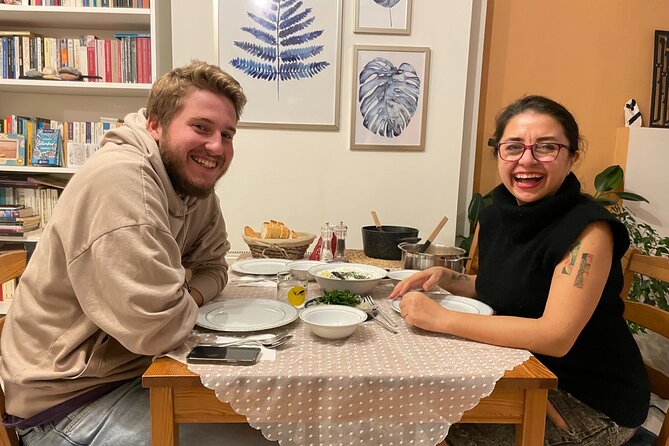
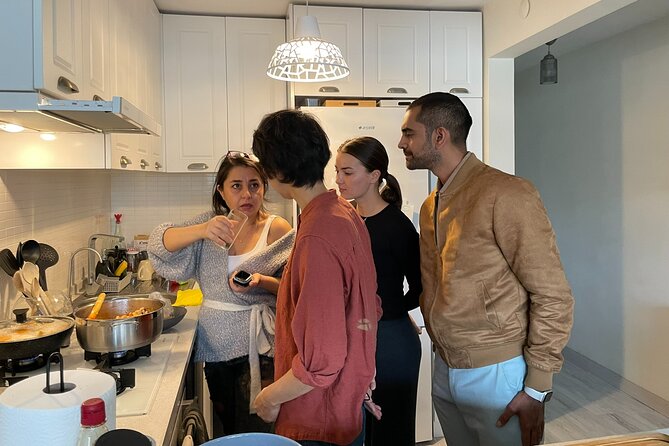
Then it’s back to the home setting—Gülşah’s apartment. Reviews describe it as calm and cozy, and the vibe is family dinner energy: roll up your sleeves, chop and stir together, and talk while the kitchen fills with warm smells.
This matters for two reasons. First, you get less “performing” and more actual cooking rhythm—how you adjust when something is too thick, too salty, or not fragrant enough yet. Second, you’ll likely learn the small, practical tricks that don’t fit cleanly into a cookbook page.
And yes, there’s a dog involved. One review mentioned her cute dog, Microb, as part of the comfort level—one of those small touches that makes the whole evening feel human.
The cooking part: what you’ll actually make, step by step
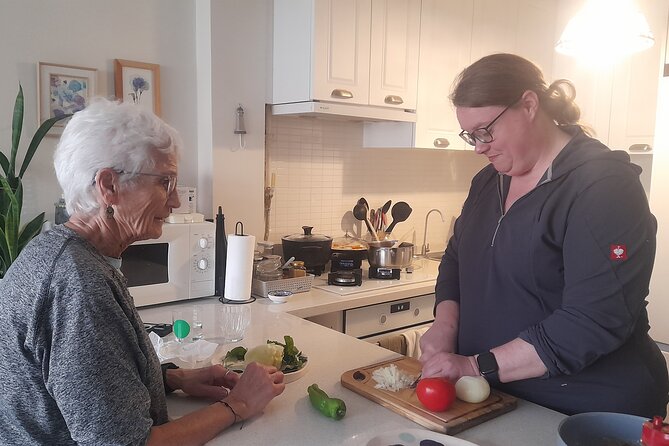
Cooking happens together. The menu can vary, but you can count on the experience structure: soup or starter first, then salads/meze, then a main dish (often including either pilaf/rice/bulgur or börek), and finally dessert. You’ll be guided through techniques and encouraged to participate.
Here are the dishes that show up in the experience description and/or the reviews, so you can picture what you might cook:
Soup starters: lentil or yogurt-style comfort
You’ll start with a soup—either lentil soup or yogurt soup. In at least one review, the yogurt-based option was described as a cold soup. Either way, it’s a smart start because Turkish meals often begin with something gentle and nourishing before the main flavors land.
Even if you don’t remember every step, you’ll leave understanding the idea of Turkish soup balance: thickness, acidity, and seasoning layers that make it feel satisfying rather than plain.
Salads and mezze: cold, fresh, and built for sharing
Next comes a salad or mezze—think cold appetizers bursting with Turkish flavor. One review mentioned a tomato/cucumber salad, and the overall experience centers on mezze as an important part of the table, not just side decoration.
This is where you learn the “small plates culture” that Turkish dining does so well. Mezze teaches you how to build variety from simple ingredients, and how to serve so everything feels part of the same meal.
Main courses: choose-your-adventure Turkish comfort food
Your main course may include classics such as:
- kuru fasülye (bean stew-style comfort)
- karniyarik (stuffed eggplant)
- dolma (stuffed vegetables—seasoning and texture matter)
- pilaf (rice/bulgur style)
- börek (cheese, spinach, or minced meat in flaky pastry)
- a vegetable dish using seasonal produce
- a dish described in reviews with zucchini and rice
- another meat dish described as beef and garlic wrapped in phyllo dough
Don’t underestimate how much you learn by making one of these. Each option teaches a different Turkish technique: stuffing, layering, pastry handling, or seasoning a pot until flavors meld.
One review also noted that the class can be challenging enough for guests who asked for it—so if you’re not a total beginner, you can still get something out of the cooking.
Dessert: Turkish pumpkin dessert with tahini (and sometimes more)
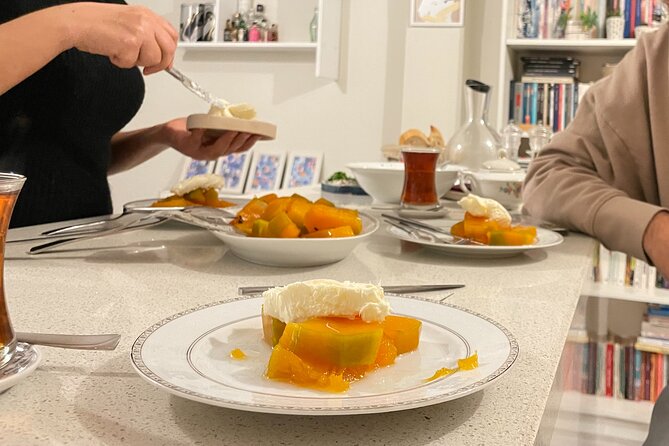
For dessert, the experience lists Turkish pumpkin dessert with tahini. Reviews also mention halva as part of the sweet end, which fits the broader Turkish sweets world: nutty, fragrant, and usually made to feel comforting rather than overly sugary.
Either way, dessert rounds out the meal like it belongs there—because it does. Turkish coffee and sweets are a common end to the evening, and this experience includes coffee and/or tea.
Turkish coffee and tea: what to expect at the table
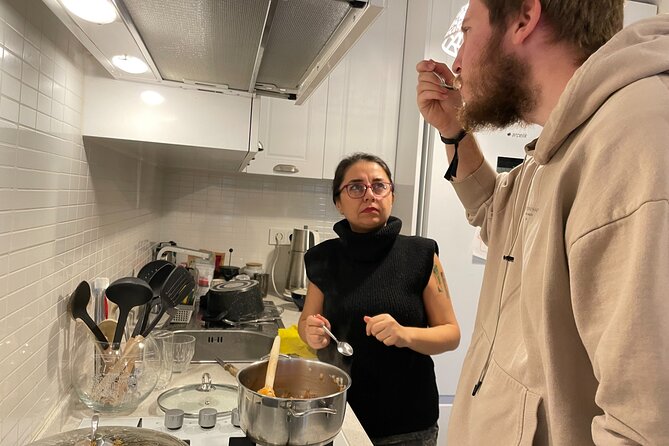
When the cooking wraps, you eat together. The spread is the point: soup, salad/meze, multiple main components, and dessert, followed by coffee and/or tea.
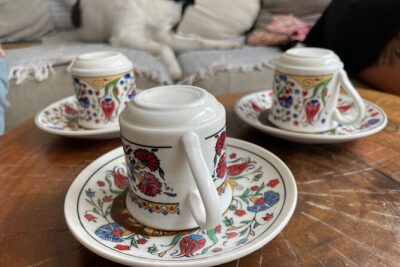
Turkish coffee is included, and the idea is simple: slow down after working hard in the kitchen. Several reviews highlight conversation as a big part of the evening—culture, daily life, and social topics come up naturally while you’re passing dishes and talking over each other.
That’s also why small group size matters. In a bigger class, you might not connect. Here, you’re more likely to feel like you’re part of the table rather than sitting beside it.
Price and value: what $80 gets you (and why it’s not just a class)
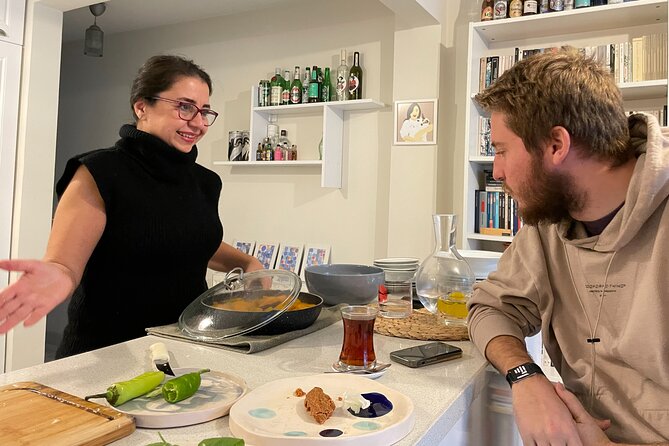
At $80 per person for about 4 hours, this isn’t priced like a quick demo. You’re paying for:
- a guided market walk with shopping context
- cooking materials and ingredients
- a full dinner spread with dessert
- coffee/tea
- an intimate setting capped at 5 travelers
The biggest value is what you can repeat later. Multiple reviews call out recipes you can cook at home again. That’s the real win: you’re learning how to do Turkish home-style food, not only how to identify it on a menu.
Could it be cheaper as a standard group class? Probably. But if you want a neighborhood experience plus real home cooking in a small group, the price feels reasonable for what you get.
Logistics that affect your experience (the practical stuff)
This activity runs roughly 4 hours. You’ll start at a specific meeting point in Şişli/Ergenekon at Ramada Plaza by Wyndham Istanbul City Center, and you end back at that same meeting point.
You’re also near public transportation, which helps if you want to plan your day around it. Since the experience includes a market component, wear shoes you don’t mind getting a little messy. And if you’re sensitive to stepping outdoors, consider bringing a layer—Turkish weather and weather swings can be real.
One more practical detail: tips aren’t included. Alcoholic beverages aren’t included either, so if you want beer or wine, that would need to be arranged on your own.
Who this is best for (and who should choose something else)
This is ideal for:
- food lovers who like learning ingredients, not just watching recipes
- people who enjoy small-group experiences
- couples and solo travelers who want a warm, conversation-friendly evening
- beginner-to-intermediate cooks who want guidance and simple methods that still taste excellent
It may not be ideal if:
- you want a high-energy “production” class with lots of seats and scripted stops
- you dislike walking through local shops
- you’re strictly avoiding home-based settings (shared kitchen space, group cooking, and a real household environment)
A few real tips before you book
Based on what people described:
- Bring a light jacket and comfortable shoes, especially if the day is rainy.
- Plan to ask questions about ingredients while shopping. That’s when the practical knowledge sticks.
- If you’re vegetarian (or have another dietary preference), consider mentioning it when you book. One review specifically said the host was considerate of vegetarian needs.
- If you want to bring home spices or small specialty items, let your host guide you to the right shops. One guest noted fair and clear pricing in the places recommended during the market walk.
Should you book this Istanbul home-cooking experience?
If you want one of your Istanbul meals to feel personal, I’d book it. The combination of Kurtuluş market shopping plus hands-on cooking in Gülşah’s home is the kind of experience that gives you both stories and recipes you can use later.
I’d skip it only if you’re looking for something fully tourist-standard, or if you dislike walking and being in a residential kitchen environment. If that sounds fine to you, this is one of the best ways to leave Istanbul with more than photos—you’ll leave with how Turkish home cooking tastes and how it’s built.
FAQ
Is this experience in English?
Yes, the experience is offered in English.
Where is the meeting point?
The meeting point is Ramada Plaza by Wyndham Istanbul City Center, Ergenekon, Halaskargazi Cd. No:63, 34373 Şişli/Istanbul, Türkiye.
How long does the cooking experience last?
It lasts about 4 hours.
What dishes are included or possible to cook?
You can expect options like lentil soup or yogurt soup, salad or meze, and mains such as pilaf or börek, plus a vegetable dish. The experience also mentions kuru fasülye, karniyarik, dolma, bulgur, and rice, and dessert such as Turkish pumpkin dessert with tahini.
What is included in the price?
Dinner, cooking materials and ingredients, authentic home cooking, local market tour, authentic Turkish dessert, and coffee and/or tea (including Turkish coffee).
Is alcohol included?
No, alcoholic beverages are not included.
How many people are in the group?
The experience has a maximum of 5 travelers.
Do I eat everything I cook?
Yes. After cooking, you gather around the table to enjoy what you’ve made.
Can I cancel for a full refund?
Yes. Cancellation is free up to 24 hours before the experience starts for a full refund.
Is there Turkish coffee or tea?
Yes. Coffee and/or tea is included, including Turkish coffee.
More Cooking Classes in Istanbul
- Private Turkish Cuisine Cooking Class with Local Moms★ 5.0 · 114 reviews
- Traditional Home Cooking with a Local in İstanbul Center★ 4.9 · 78 reviews
- Authentic Turkish Cooking at a Local’s Home in Istanbul★ 4.9 · 24 reviews
- Istanbul: Turkish Cooking Class with a Professional Chef★ 4.8 · 23 reviews
- Cooking Class in Turkey From Istanbul★ 4.5 · 23 reviews
- Çiğ Köfte Cooking Class/Night with Traditional Music At Home★ 5.0 · 20 reviews
More City Tours in Istanbul
- Istanbul: Private Turkish Bath, Massage, and Spa in Old City★ 4.6 · 3,225 reviews
- ISTANBUL BEST: Iconic Landmarks Full Day PRIVATE Guided City Tour★ 5.0 · 1,032 reviews
- Istanbul: Best of the City Full-Day Tour with Transfers★ 4.6 · 704 reviews
- Istanbul: Private City Highlights Guided Tour★ 4.5 · 552 reviews
- Best Of Istanbul 1, 2 or 3-Day Private City Guided Tour★ 4.7 · 530 reviews
- Istanbul: City Highlights Tour w/Hagia Sophia & Blue Mosque★ 4.5 · 390 reviews
More Tour Reviews in Istanbul
- Istanbul: Bosphorus Dinner Cruise & Show with Private Table★ 4.8 · 62,058 reviews
- Istanbul: Daytime or Sunset Sightseeing Cruise & Audio Guide★ 4.8 · 14,430 reviews
- Istanbul: Bosphorus Dinner Cruise & Turkish Night Show★ 4.8 · 12,954 reviews
- Best of Istanbul 1, 2 or 3-Day Private Guided Istanbul Tour★ 5.0 · 8,922 reviews
- Istanbul: Basilica Cistern Fast-Track Entry and Audio Guide★ 4.6 · 7,521 reviews
- Istanbul: Hagia Sophia Skip-the-Line Ticket & Museum Option★ 3.7 · 4,958 reviews
Fresh off the boat: new Istanbul reviews



City Tours, compared.
 ★ 4.6Private Turkish Bath, Massage, and Spa in Old CityFrom $533,225 reviews
 ★ 5.0ISTANBUL BEST: Iconic Landmarks Full Day PRIVATE Guided City TourFrom $801,032 reviews
 ★ 4.6Best of the City Full-Day Tour with TransfersFrom $54704 reviews
 ★ 4.5Private City Highlights Guided TourFrom $50552 reviews
 ★ 4.7Best Of Istanbul 1, 2 or 3-Day Private City Guided TourFrom $43530 reviews
 ★ 4.5City Highlights Tour w/Hagia Sophia & Blue MosqueFrom $41390 reviews
 ★ 5.0Princes Islands Blue Journey from Old City IstanbulFrom $24388 reviews
 ★ 4.8Public, Private or VIP Hammam & Spa in Old CityFrom $41387 reviews
Browse the lists this tour appears in