
REVIEW · PRIVATE
Turkey Biblical Tour (Private)
Scripture meets street-level Turkey. This private trip strings together Istanbul’s big-hitters and the biblical world of the Aegean, with a local guide adding on-the-spot context. You’ll travel with your party only, plus a driver/guide, and the plan includes all entrance fees where applicable.
I especially like how practical the pacing is: airport/hotel pickup smooths out day one, and you’re not burning your energy on navigation between sites. I also like that the tour builds in food—lunch is included eight times—so the day stays moving without hunting for a meal.
One thing to consider: this is a full-on sights-and-stops itinerary. Even with a private van, you’ll be on the go for ten days, so plan for comfortable shoes and a moderate fitness level.
In This Review
- Key highlights to know before you go
- A private Bible tour that actually feels like a route, not a checklist
- Day 1: Airport transfer and an easy first night
- Day 2: Istanbul’s sights—Byzantine Hippodrome to Grand Bazaar
- Byzantine Hippodrome (public entertainments)
- Blue Mosque (Sultan Ahmed Mosque)
- Hagia Sophia Grand Mosque
- Topkapi Palace (Ottoman power in stone and tiles)
- Grand Bazaar (4000-shop chaos, in a good way)
- Day 3: Bosphorus boat views and the Spice Market
- Bosphorus Strait boat trip
- Misir Çarşısı (Spice Market)
- Day 4: The Pauline trail feel—Troy, Alexandria Troas, Assos
- Troy (Truva)
- Alexandria Troas (Acts connection)
- Assos
- Day 5: Pergamon, Thyatira vibes, and Smyrna (Izmir)
- Pergamon Ancient City (Seven Churches context)
- Akhisar (Thyatira tie-in)
- Izmir (Smyrna)
- Day 6: Sardis and Pamukkale—church ruins plus white terraces
- Sardis (Sardes)
- Alasehir (Philadelphia tie)
- Pamukkale and Hierapolis
- Day 7: Laodicea ruins and Colossae’s letter-country
- Laodicea
- Colossae (Paul’s letter context)
- Day 8: Ephesus with the Acts and Revelation connections in the same day
- Ephesus Museum and major ruins
- Meryemana (Mary’s House)
- Basilica of St. John
- Day 9: Cappadocia viewpoints, Göreme, and Pasabag fairy chimneys
- Göreme Panorama
- Göreme Open-Air Museum
- Pasabag (Monks Valley)
- Avanos pottery workshops
- Devrent Valley (Imaginary Valley)
- Day 10: Underground cities and valleys—Kaymaklı to Love Valley
- Kaymaklı Underground City
- Red Valley and Cavuşin
- Pigeon Valley and Love Valley
- Price and value: what $3,604.57 per person is really buying
- What I’d pack and how I’d prepare (so the pace feels good)
- Who should book this tour
- Should you book the Turkey Biblical Tour (Private)?
Key highlights to know before you go
- Local guidance tied to Acts and Revelation sites so the Bible references have real place to land
- Private transport that keeps transfers simple between Istanbul, the Aegean coast, and Cappadocia
- Entrance fees and parking handled so you can focus on seeing and learning
- A built-in Istanbul day (Blue Mosque, Hagia Sophia, Topkapi Palace, Grand Bazaar)
- Cappadocia mix of viewpoints and rock-cut sites including Göreme and Kaymaklı Underground City
Worth putting side by side with this Istanbul pick:
A private Bible tour that actually feels like a route, not a checklist
Turkey’s Christian story is spread out—across coasts, plains, and old hill towns. This tour treats it like a journey. You start in Istanbul, then move into the Aegean region tied to Paul’s travels, then finish in Cappadocia, where the rock formations add a totally different mood.
The private format matters more than you might think. When it’s just your group plus a guide/driver, you’re not stuck waiting for a larger crowd to shuffle through lines. And in the religious context segment (especially around Ephesus and the Seven Churches of Asia), having a guide who can explain the geography and background on the spot is the difference between reading about places and understanding why they mattered.
Day 1: Airport transfer and an easy first night
You’re met for a transfer from the airport to your hotel, then you settle in for the overnight. That sounds simple, but it helps a lot if you’re arriving tired and jet-lagged. You’re not trying to piece together Istanbul or find your way at the end of a travel day.
Day 2: Istanbul’s sights—Byzantine Hippodrome to Grand Bazaar
This is the classic “Istanbul greatest hits” day, but it’s built with smart sequencing.
- Best of Istanbul 1, 2 or 3-Day Private Guided Istanbul Tour★ 5.0 · 8,922 reviews
- Istanbul: Basilica Cistern Fast-Track Entry and Audio Guide★ 4.6 · 7,521 reviews
- Istanbul: Hagia Sophia Skip-the-Line Ticket & Museum Option★ 3.7 · 4,958 reviews
- Istanbul: Hodjapasha Whirling Dervishes Show & Exhibition★ 4.4 · 4,790 reviews
Byzantine Hippodrome (public entertainments)
You begin at the Byzantine Hippodrome, used for public entertainments organized by emperors. Even if you’re not a stadium person, it’s a useful starting point because it sets the scene: this city was about power, spectacle, and crowds long before modern Istanbul.
Blue Mosque (Sultan Ahmed Mosque)
Next up is the Sultan Ahmed Mosque, famous for the handmade blue ceramic tiles inside. This is one of those interiors that photographs can’t fully capture; the tilework reads differently when you’re standing there.
Hagia Sophia Grand Mosque
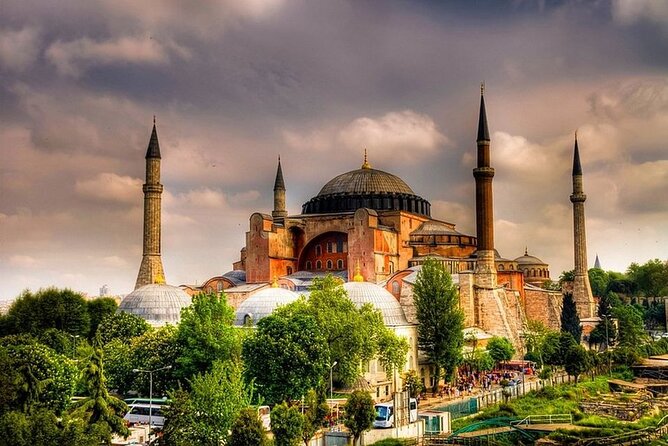
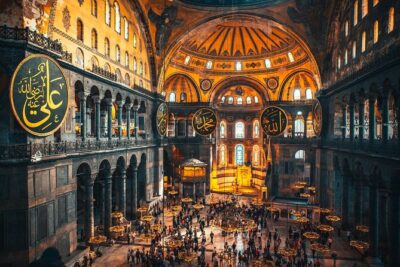
Then comes Hagia Sophia, the Church of Holy Wisdom, later used as a mosque and today operating as both a museum and mosque space. The key value here is architectural: it’s one of the world’s most important art-and-architecture landmarks, and it rewards patience.
Topkapi Palace (Ottoman power in stone and tiles)
You move on to Topkapi Palace, the former imperial residence of Ottoman sultans. The palace is large, and the tour gives you a solid window to see why Ottoman art and architecture became a style of its own. Admission is included on this stop, which is a nice “built-in” benefit.
Grand Bazaar (4000-shop chaos, in a good way)
You finish at the Grand Bazaar, billed as the oldest and largest covered market with more than 4,000 shops. Even if you don’t shop, it helps you understand how Istanbul lives—trade, craft, and everyday negotiation under one roof.
Practical note: This is a packed day, so go into it ready for lots of walking and quick transitions. If you want a slower Istanbul day, save that for another trip—this one is about biblical geography first.
Day 3: Bosphorus boat views and the Spice Market
Bosphorus Strait boat trip
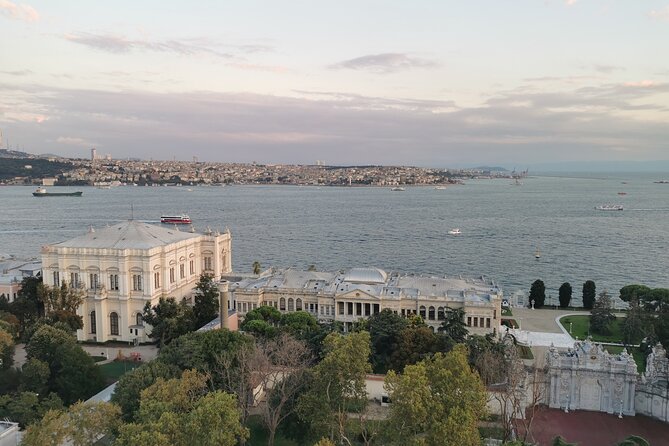
A two-hour Bosphorus boat trip is your next big shift: you’ll see bridges, palaces like Dolmabahçe and Beylerbeyi, forts, and waterside neighborhoods. It’s also a great way to visually understand Istanbul’s split between Europe and Asia without staring at a map for days.
Misir Çarşısı (Spice Market)
Then you hit Misir Çarşısı, a covered 17th-century spice market. It’s a sensory stop that feels instantly local.
After that, the route flies you from Istanbul to Izmir, transfers you to Kuşadası, and you overnight there. This is the day the itinerary starts moving from “Istanbul landmarks” into “biblical route.”
Day 4: The Pauline trail feel—Troy, Alexandria Troas, Assos
This day is about places that echo Bible stories and ancient myth, side-by-side.
Troy (Truva)
You visit Homer’s legendary Troy and see a replica of the wooden horse. Whether you’re a mythology person or not, Troy works because it’s a cultural intersection point—stories travel across centuries, and so do pilgrims.
Alexandria Troas (Acts connection)
At Alexandria Troas Antik Kenti, you’re in a place connected to Acts—Paul sailed from here and the story of Eutychus is tied to this region. The value isn’t just the citation; it’s the way the site helps you imagine travel routes in real terrain.
Assos
You finish with Assos, connected to Paul’s third missionary journey. You’ll see how the land and coast line up with the idea of meeting companions by sea.
This is one of those days that feels like you’re following footprints in a landscape, even though you’re traveling by van.
Day 5: Pergamon, Thyatira vibes, and Smyrna (Izmir)
Pergamon Ancient City (Seven Churches context)
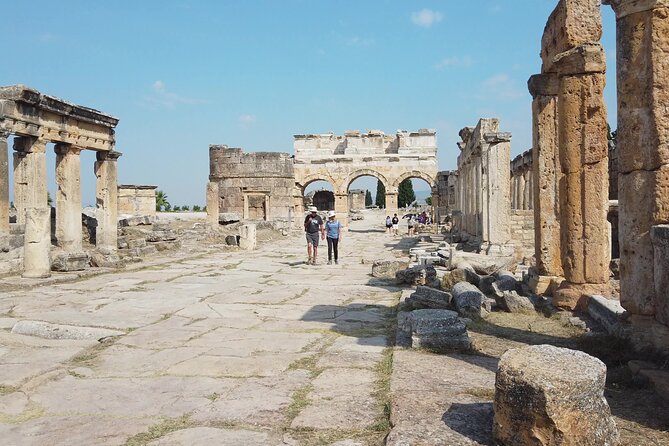
Pergamon is a major stop, connected to the Seven Churches of Asia. You’ll see the Acropolis, Temple of Athena, the Library of Pergamon, Theatre, Zeus Altar, and more. The “why it matters” here is simple: Pergamon wasn’t just a city, it was a religious and cultural center.
Akhisar (Thyatira tie-in)
Then you visit Akhisar, tied to Thyatira and the seller of purple story associated with Lydia. You’re also in a geography where the cities feel close on the map, but take time to reach by road—so the included transport does real work.
Izmir (Smyrna)
Finally, you drive to Smyrna (Izmir), connected to a Revelation letter. Even if you don’t expect a “big ruin day,” it’s useful to pair an ancient label (Smyrna) with a living modern city (Izmir).
Day 6: Sardis and Pamukkale—church ruins plus white terraces
This is a strong pairing day: spiritual anchors, then a scenic reset.
Sardis (Sardes)
You drive to Sardis, another Seven Churches location. The included areas highlight early church remnants, including the Sardis Gymnasium, Jewish Synagogue, and Diana Temple. It’s a reminder that early Christianity grew inside a wider religious world.
Alasehir (Philadelphia tie)
Then you go to Alasehir, tied to Philadelphia and the Revelation message. The stop is short but it keeps the “Seven Churches” thread moving without turning every day into a museum day.
Pamukkale and Hierapolis
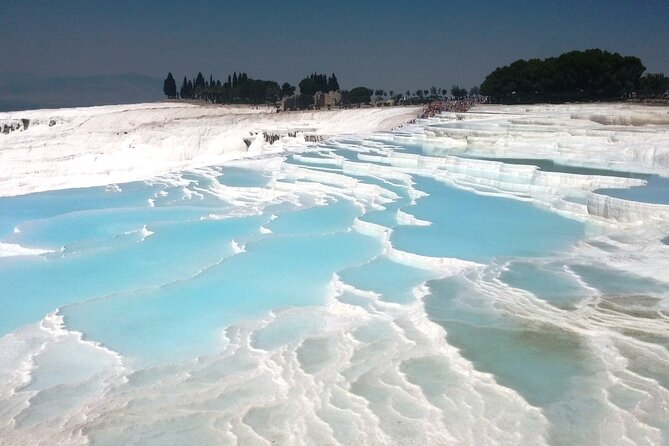
Then you head to Pamukkale, known for mineral-rich thermal waters flowing down white travertine terraces. You also visit Hierapolis ruins, plus the Gate of Domitian, Arcadian Way, necropolis with sarcophagi, and Apostle Philip’s tomb. The Antique Pool with submerged Roman columns is a standout visual moment.
One caution: Pamukkale is wet-and-slip territory in practice. If you’re going, you’ll want footwear that handles uneven ground.
Day 7: Laodicea ruins and Colossae’s letter-country
Laodicea
You visit Laodicea, connected to the final church letter in the Seven Churches sequence. You’ll see Christian ruins plus the Statue of Emperor Augustus, aqueduct, stadium, and Ephesian Gate. This helps you picture a letter written to a real city with real infrastructure.
Colossae (Paul’s letter context)
Next is Colossae, described as unexcavated but tied to Paul’s letter (and to Philemon). After the tour, you drive to Kuşadası for the overnight.
This day keeps things moving while still giving you stops with meaning, not just stamps.
Day 8: Ephesus with the Acts and Revelation connections in the same day
Ephesus is the “big stage.” And the tour treats it like one.
Ephesus Museum and major ruins
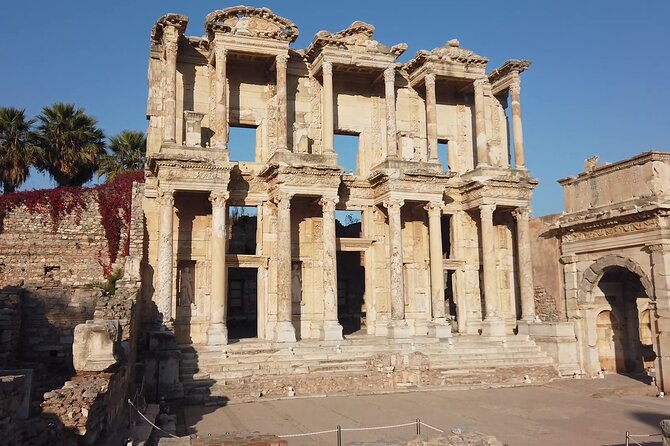
You drive to Ephesus and visit areas connected to Paul’s time and the letters to the Ephesians. The stops include Baths of Scholastica, the Library of Celsus, Temple of Hadrian, the Theatre, and the Temple of Artemis. (Artemis was one of the Seven Wonders of the ancient world, so yes, it’s that scale.)
Meryemana (Mary’s House)
Then you visit Meryemana, the place believed to be Mary’s house. It’s a quieter, more contemplative stop than the major ruins.
Basilica of St. John
Finally, you visit the Basilica of St. John, associated with the believed burial site of John the Apostle and constructed in the 6th century. The itinerary frames it as modeled after the now-lost Church of the Holy Apostles in Constantinople.
After Ephesus, you transfer to Izmir airport for your Cappadocia flight. This shift—from western Anatolian ruins to Cappadocia’s fairy-chimney world—adds a dramatic, satisfying change of pace.
In one similar Ephesus-focused experience, the guide linked the day directly to Acts 19 and Revelation 2, using scripture as a map while walking the ruins. That’s the kind of connection that turns a site visit into a story you can actually follow.
Day 9: Cappadocia viewpoints, Göreme, and Pasabag fairy chimneys
Göreme Panorama
You start with a viewpoint over Göreme. Short stop, big payoff: it’s the easiest way to understand why people fall in love with Cappadocia.
Göreme Open-Air Museum
Then you visit the Göreme Open-Air Museum, a UNESCO World Heritage Site with centuries of monastery life. This stop is included with admission, so plan time for walking inside and around the rock-cut structures.
Pasabag (Monks Valley)
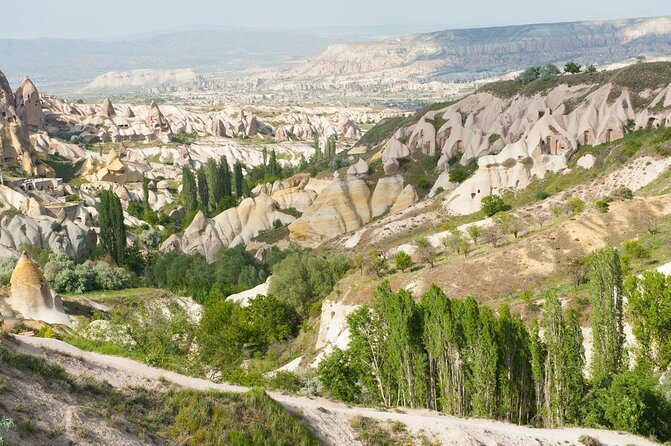
You go to Pasabag, known for its fairy chimneys—lava, ash, and basalt rock shapes shaped by time.
Avanos pottery workshops
Avanos comes next, centered on earthenware pottery tied to the Kızılırmak river region. There’s an option to visit a pottery workshop.
Devrent Valley (Imaginary Valley)
You finish with Devrent Valley, where rock formations resemble animal shapes. Even if you’re not into “imagination” stops, the shapes are fun to spot.
Day 10: Underground cities and valleys—Kaymaklı to Love Valley
Kaymaklı Underground City
You visit Kaymaklı Underground City. It’s built underground for defense, with eight floors mentioned but only four open to the public. This is the most mind-bending kind of history: the architecture is physical proof of survival planning.
Red Valley and Cavuşin
Next is Red Valley for walking, then Cavuşin, a Greek village with a 5th-century church of Saint John and views toward the Rose and Red Valleys.
Pigeon Valley and Love Valley
You end with Pigeon Valley, named for man-made dovecotes carved into volcanic tuff, and then Love Valley for scenic sunset views and tower-shaped rocks.
After the tour, you transfer to Kayseri airport for your Istanbul flight.
Price and value: what $3,604.57 per person is really buying
At $3,604.57 per person, this is not a budget trip. The value comes from how many expensive headaches get handled for you:
- Private transport and guiding for the whole plan
- Entrance fees and parking included as part of the all-inclusive format
- Lunch included eight times
- Flight legs arranged as part of the route (the inclusions explicitly call out the Cappadocia–Istanbul flight tickets, so check your final details for every flight on your specific departure)
For a private Bible tour, the big question isn’t just price. It’s whether you’ll use the guide. If you want your Bible references tied to real geography and architecture—rather than just a bus ride between ruins—then this kind of structure can feel worth every cent.
A practical budgeting thought: your final total can still depend on what you choose to add (like dinner plans) since dinners aren’t included. Also, hot air balloon is not included, even though it’s a classic Cappadocia add-on.
What I’d pack and how I’d prepare (so the pace feels good)
The itinerary includes mosques, palaces, and long days of walking through ruins and valleys. That means your comfort matters more than usual.
- Wear shoes made for uneven stone and slopes.
- Plan for sun and heat on open-air sites.
- If you’re sensitive to crowds or closed spaces, note that some stops are inside or underground (like Kaymaklı).
Also, don’t ignore the “moderate physical fitness” note. The stops are varied, but the overall schedule is active.
Who should book this tour
This fits best if you:
- want biblical place names connected to what you’re seeing (Acts and Revelation references are a key part of the guide approach)
- prefer a private van over group logistics
- like a “route” trip: Istanbul → Aegean/Seven Churches → Cappadocia
It may be less ideal if you want lots of free time, deep museum wandering, or a slow travel style.
Should you book the Turkey Biblical Tour (Private)?
If your dream is to connect scripture to real roads, cities, and architecture—without doing the planning yourself—this tour is a strong pick. The private guiding style is the standout, and the built-in entrances and lunches help you keep momentum.
I’d only hesitate if you know you want a light itinerary or you’re uncomfortable with long days of transit and walking. For many people, though, the structure is the point: you get a complete, guided sweep across the biblical map, ending in Cappadocia’s otherworldly rock world.
More Private in Istanbul
- Istanbul: Bosphorus Dinner Cruise & Show with Private Table★ 4.8 · 62,058 reviews
- Best of Istanbul 1, 2 or 3-Day Private Guided Istanbul Tour★ 5.0 · 8,922 reviews
- Istanbul: Private Turkish Bath, Massage, and Spa in Old City★ 4.6 · 3,225 reviews
- Bosphorus Dinner Cruise with Show and Private Table★ 4.5 · 2,021 reviews
- Private Transfer from Istanbul Airport to Fatih, Beyoglu and Besiktas★ 5.0 · 1,793 reviews
- Istanbul: Private Turkish Bath, Sauna, and Massage★ 4.8 · 1,306 reviews
More Tours in Istanbul
- Best of Istanbul 1, 2 or 3-Day Private Guided Istanbul Tour★ 5.0 · 8,922 reviews
- Istanbul: Bosphorus Sightseeing Cruise Tour with Audio Guide★ 4.6 · 4,704 reviews
- Istanbul: Blue Mosque & Hagia Sophia Guided Tour w/ Tickets★ 4.8 · 3,600 reviews
- Istanbul: Blue Mosque, Hagia Sophia, & Old Town Walking Tour★ 4.8 · 2,372 reviews
- Istanbul: Princes Islands Tour with Heybeliada and Buyukada★ 4.4 · 2,305 reviews
- Istanbul: Basilica, Hagia Sophia, Blue Mosque Tour & Cruise★ 4.5 · 1,929 reviews
More Tour Reviews in Istanbul
- Istanbul: Bosphorus Dinner Cruise & Show with Private Table★ 4.8 · 62,058 reviews
- Istanbul: Daytime or Sunset Sightseeing Cruise & Audio Guide★ 4.8 · 14,430 reviews
- Istanbul: Bosphorus Dinner Cruise & Turkish Night Show★ 4.8 · 12,954 reviews
- Best of Istanbul 1, 2 or 3-Day Private Guided Istanbul Tour★ 5.0 · 8,922 reviews
- Istanbul: Basilica Cistern Fast-Track Entry and Audio Guide★ 4.6 · 7,521 reviews
- Istanbul: Hagia Sophia Skip-the-Line Ticket & Museum Option★ 3.7 · 4,958 reviews
Fresh off the boat: new Istanbul reviews
Private, compared.
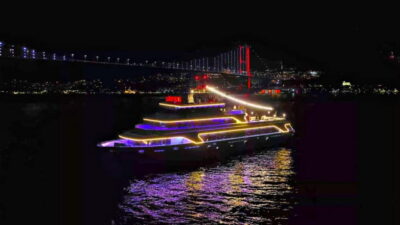 ★ 4.8Bosphorus Dinner Cruise & Show with Private TableFrom $2862,058 reviews
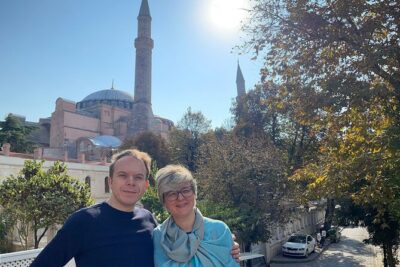 ★ 5.0Best of Istanbul 1, 2 or 3-Day Private Guided Istanbul TourFrom $1008,922 reviews
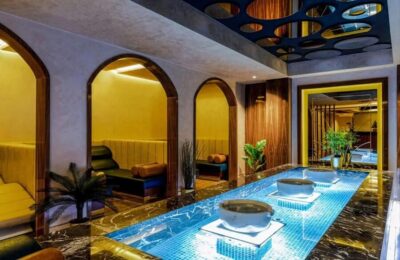 ★ 4.6Private Turkish Bath, Massage, and Spa in Old CityFrom $533,225 reviews
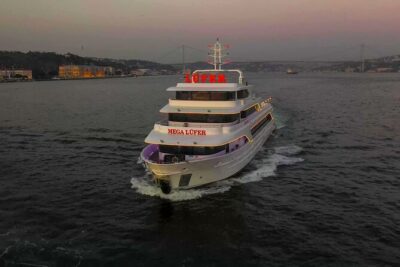 ★ 4.5Bosphorus Dinner Cruise with Show and Private TableFrom $302,021 reviews
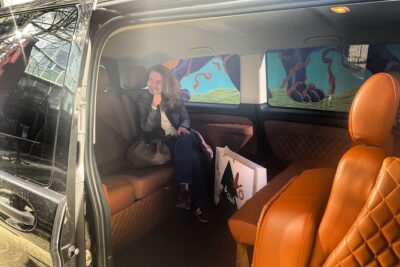 ★ 5.0Private Transfer from Istanbul Airport to Fatih, Beyoglu and BesiktasFrom $601,793 reviews
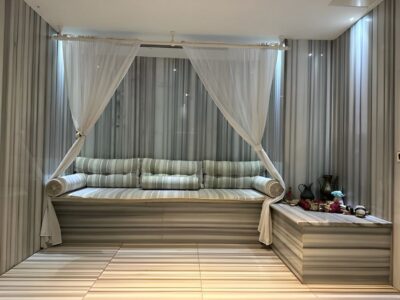 ★ 4.8Private Turkish Bath, Sauna, and MassageFrom $591,306 reviews
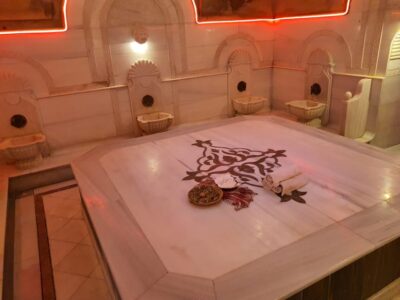 ★ 4.6Acemoglu Historical Turkish Bath w/Private OptionsFrom $421,190 reviews
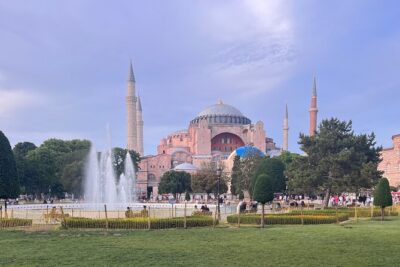 ★ 5.0ISTANBUL BEST: Iconic Landmarks Full Day PRIVATE Guided City TourFrom $801,032 reviews