
Turkish coffee comes with a side of fate. This Turkish coffee making and fortune-telling workshop mixes hands-on brewing with real cultural habits, so you leave with something you can actually repeat at home. It starts with learning the basics from a local expert, then you grind, brew, taste multiple styles, and get your cup read.
I especially like the practical format. You’ll practice grinding premium beans and brewing in a traditional cezve pot, not just watch. I also like the takeaway value: you receive a gift set that includes the cezve, coffee, and a traditional mug, so the experience keeps paying off after your Istanbul walk.
One consideration: while the experience is described as including three coffee tastings and unlimited tea and water, a past participant reported getting less than expected during their session. I’d treat it as a quick check-in moment: when you arrive, confirm you’ll do all promised tastings and refreshments so there are no surprises.
In This Review
- Key Highlights
- Where You Start: Hafiz Mustafa 1864 in Fatih
- The 2-Hour Flow: History, Grinding, Brewing, and a Cup Reading
- Hands-On Turkish Coffee: Cezve, Fine Grind, and Foam Control
- Taste Three Varieties and Learn the Conversation Side
- Fortune-Telling That Teaches Customs, Not Just a Trick
- What You Take Home: Cezve Gift Set, Certificate, and a Souvenir
- Price and Value at $24: A Practical Bargain If You’ll Use It
- Who This Workshop Suits Best (and Who Might Want a Different Plan)
- Quick Tips Before You Go
- Should You Book This Turkish Coffee Workshop?
- FAQ
- How long is the Turkish coffee making and fortune-telling workshop?
- Where does the workshop start and end?
- What is the price per person?
- What’s included in the workshop?
- Do I get a Turkish coffee gift set to take home?
- Are there dietary options or restrictions to consider?
- Do I need to speak Turkish?
- What group size should I expect?
- Is free cancellation available?
Key Highlights
- Small group energy (up to 12 people) makes it easier to ask questions as you brew
- Hands-on grinding and brewing with a traditional hand mill and cezve
- Three traditional Turkish coffee tastings, plus Turkish tea and water
- Fortune-telling using your coffee cup, tied to Turkish customs
- Take-home gift set (cezve, coffee, and a traditional mug) for practice later
- A verified certificate and souvenir, so this isn’t just a one-off drink
Worth putting side by side with this Istanbul pick:
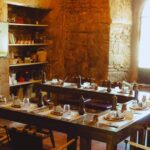
Where You Start: Hafiz Mustafa 1864 in Fatih
Your session begins at Hafiz Mustafa 1864Hoca Paşa, Muradiye Cd. No:51, in Fatih (European Istanbul). That matters because this part of town is handy for getting oriented fast. You’re close to the kind of old-city streets where you can keep wandering right after class.
The meeting point is also set up for real life travel. It’s near public transportation, and the tour uses a mobile ticket, which means you’re not digging through papers. If you’re trying to fit this into a tight Istanbul day, that convenience helps a lot.
One thing to note for your planning: the workshop ends back at the meeting point. So you’re not getting dropped somewhere else with no navigation. You can finish, pick up your bearings, and continue on foot with your coffee knowledge fresh.
The 2-Hour Flow: History, Grinding, Brewing, and a Cup Reading
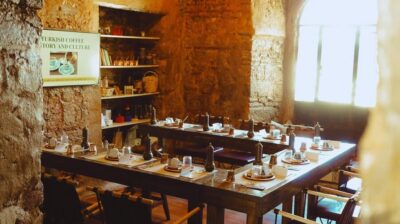
This is an approx. 2-hour experience, and the schedule is built to stay active the whole time. You start with a presentation at a local coffee shop covering the history and cultural impact of Turkish coffee in daily life. That matters because Turkish coffee is more than caffeine here. It’s conversation fuel, a ritual, and a way of slowing down.
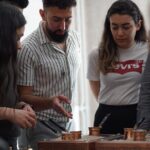
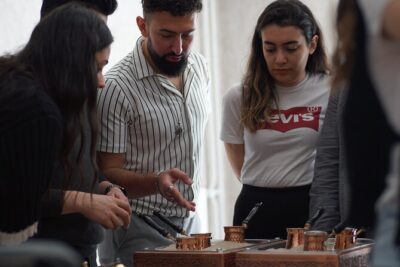
Next comes the part you’ll actually remember: learning the coffee-making process. You’ll grind premium beans using a traditional hand mill, then brew using a traditional cezve. You’re not just tasting at the end. You’re building the coffee with guidance, so you can recreate it later.
Then you move into tasting and traditions: you’ll sample Turkish coffee, participate in local-style coffee conversations, and learn the practice of coffee fortune-telling. The time structure is tight, but it feels balanced because you alternate between making, tasting, and learning.
The group size is capped at 12 travelers, which is one of the reasons this works. In a bigger crowd, brewing gets chaotic fast. Here, you’re more likely to get hands-on attention when you have questions.
Hands-On Turkish Coffee: Cezve, Fine Grind, and Foam Control
The workshop’s core skill is simple on paper: grind, brew, and serve Turkish coffee using a cezve. In practice, that means you’ll learn what makes Turkish coffee different from drip coffee or espresso.
You’ll start with premium coffee beans and grind them using the traditional hand mill. The point isn’t to show off a gadget. It’s to understand the texture Turkish coffee depends on. If your grind isn’t right, the brew won’t behave the way you expect.
Then you brew in a cezve pot. This is the classic small pot designed for slow, controlled heating. You’ll make your own authentic Turkish coffee during the session, with an expert showing you how to do it. When you’re done, you’ll have a clearer idea of what to aim for at home, whether you’re making one cup or trying to impress friends.
Practical tip: since you’ll be handling tools and making coffee, wear something comfortable and avoid anything that you’d hate to smell like coffee afterward. Even if nothing spills, the whole experience is coffee-forward.
Worth putting side by side with this Istanbul pick:
- Istanbul:Original Turkish Mosaic Lamp Workshop w/ Snacks★ 4.9 · 3,077 reviews
- Istanbul: Perfume Making Workshop with Bosphorus View★ 5.0 · 2,985 reviews
- Istanbul: Turkish Mosaic Lamp Workshop w/ Materials Included★ 5.0 · 2,058 reviews
- Istanbul: Turkish Coffee Making and Fortune Telling Workshop★ 4.9 · 1,308 reviews
Taste Three Varieties and Learn the Conversation Side
One of the best value moments is the tasting. You’ll sample three traditional Turkish coffee varieties during the workshop. That’s important because Turkish coffee isn’t one single flavor. You’ll pick up how subtle changes can shift the taste, even though it’s still Turkish coffee through and through.
The tasting doesn’t happen in isolation. You’ll be encouraged to take part in local-style coffee conversation while you’re enjoying your freshly cooked cup. This is where the workshop becomes cultural, not just culinary. Turkish coffee is often part of social rhythm—people talk, tease, compare cups, and use coffee as an entry point.
You’ll also have unlimited Turkish tea and water during the workshop, which helps keep things comfortable while you sample multiple cups. Sweet treats are part of the experience too, including Turkish Delight.
Dietary note: the workshop says it can accommodate all dietary preferences as long as you inform them in advance about any restrictions. If you have allergies or a strict diet, add details early so the experience matches your needs.
Fortune-Telling That Teaches Customs, Not Just a Trick
After you brew and taste, the workshop shifts into coffee fortune-telling. You’ll learn the practice of reading your coffee cup as part of Turkish custom.
The value here is the meaning behind it. The guide doesn’t just hand you a fortune. You’ll connect the ritual to how people use Turkish coffee in everyday life—how it turns a drink into an event, a conversation starter, and sometimes a playful moment for friends and family.
It also gives you something memorable to take home. Even if you don’t plan to read cups for fun every weekend, you’ll still walk away with a better sense of why this ritual exists and how it fits into Turkish social culture.
What You Take Home: Cezve Gift Set, Certificate, and a Souvenir
This is where the workshop feels like more than a two-hour activity. You receive a Turkish coffee gift set that includes a cezve, coffee, and a traditional mug. That means you can recreate the basic experience at home, and you won’t be stuck searching for the right equipment after you return.
You also get a verified certificate and a souvenir. A certificate sounds formal for something as friendly as coffee-making, but it adds a tangible finish. It also helps if you like to keep track of what you did during your trip.
My honest take: the take-home items justify part of the cost. Even if you consider the coffee lesson itself “fun but small,” the fact that you’re leaving with the tools makes it feel like a real purchase, not just a short class.
Price and Value at $24: A Practical Bargain If You’ll Use It
At $24 per person for about two hours, this workshop lands in the value zone—especially because it includes hands-on making, tastings, tea and water, and a take-home coffee set.
Here’s how I think about value for a class like this:
- You’re not paying only for a drink. You’re paying for instruction, guided brewing practice, and a cultural lesson.
- You’re getting multiple tastings (three varieties), so it’s not a quick sip and run.
- You’re receiving equipment and ingredients you can use again.
A small group cap also improves the value. With up to 12 travelers, the guide can help you more directly while you grind and brew.
Timing also matters. The experience is typically booked about 16 days in advance on average, which tells me it’s popular enough that you’ll want to reserve if you’re traveling in a busy season.
Who This Workshop Suits Best (and Who Might Want a Different Plan)
I’d put this workshop on your shortlist if you want:
- a hands-on food experience in Istanbul
- a deeper look at Turkish coffee culture beyond a café visit
- a fun activity that still teaches practical skills
- a take-home setup that helps you keep the memory alive
It’s also a good fit if you like interactive activities, since you’ll be doing the grinding and brewing yourself and participating in the coffee conversation portion.
Who might skip it? If you mainly want a long sit-down tasting with zero effort, you may find the active parts less relaxing. Also, if you’re extremely strict about getting every promised component with zero variance, do a quick confirmation when you arrive—because at least one past participant described a shortfall in what they received.
Quick Tips Before You Go
A few small moves can make this smoother:
- Let them know about dietary restrictions when booking, so your tasting can match your needs.
- Arrive a little early to settle in near the Hafiz Mustafa 1864 meeting point.
- Bring a phone for photos, but don’t spend the whole time filming—this is partly about conversation and learning.
- If you care about the exact format, ask your guide to confirm the plan includes the three coffee tastings and the tea and water you’re expecting.
Also, if you’re taking this as part of a larger Istanbul day: because it starts and ends at the same location, you can plan it as an anchor on your schedule. You’ll have a solid base point for moving on afterward with confidence.
Should You Book This Turkish Coffee Workshop?
If you like hands-on cooking lessons and you want a Turkish cultural ritual you can repeat later, I think this is a smart booking. The best reason to say yes is the combo: you learn to make Turkish coffee, you get guided fortune-telling, and you leave with a cezve gift set plus coffee and a mug.
I’d book it sooner rather than later, since it’s commonly reserved about a couple of weeks ahead. And if you’re the type who hates missing out on any portion of a structured experience, take two minutes on arrival to confirm the session includes all promised tastings and refreshments.
If that kind of practical check-in makes you feel good, you’ll likely enjoy this quite a lot. Turkish coffee isn’t just a drink here—it’s a way to talk, connect, and try a ritual that makes Istanbul feel personal in a very small, satisfying way.
FAQ
How long is the Turkish coffee making and fortune-telling workshop?
The workshop lasts about 2 hours.
Where does the workshop start and end?
It starts at Hafiz Mustafa 1864Hoca Paşa, Muradiye Cd. No:51, 34080 Fatih/İstanbul, Türkiye and ends back at the same meeting point.
What is the price per person?
The price is $24.00 per person.
What’s included in the workshop?
You get a presentation on Turkish coffee history and culture, a hands-on coffee-making workshop, tasting of three traditional Turkish coffees, unlimited Turkish tea and water, use of a traditional pot and hand mill for grinding, and a Turkish coffee gift set (cezve, coffee, and a traditional mug). You also receive a verified certificate and a souvenir.
Do I get a Turkish coffee gift set to take home?
Yes. The set includes a cezve, coffee, and a traditional mug so you can recreate the experience at home.
Are there dietary options or restrictions to consider?
The workshop says it can accommodate all dietary preferences if you inform them in advance about any restrictions.
Do I need to speak Turkish?
No. The guide is available in English, Russian, and Turkish.
What group size should I expect?
The experience has a maximum of 12 travelers.
Is free cancellation available?
Yes. You can cancel for a full refund up to 24 hours before the experience starts. If you cancel less than 24 hours before, the amount paid is not refunded.
More Workshops in Istanbul
- Istanbul:Original Turkish Mosaic Lamp Workshop w/ Snacks★ 4.9 · 3,077 reviews
- Istanbul: Perfume Making Workshop with Bosphorus View★ 5.0 · 2,985 reviews
- Istanbul: Turkish Mosaic Lamp Workshop w/ Materials Included★ 5.0 · 2,058 reviews
- Istanbul: Turkish Coffee Making and Fortune Telling Workshop★ 4.9 · 1,308 reviews
- Istanbul: Perfume Workshop at Old Wooden Mansion, 80+ Oils★ 4.9 · 1,237 reviews
- Istanbul: Turkish Mosaic Lamp Workshop in Galata – All Included★ 5.0 · 636 reviews
More Coffee Experiences in Istanbul
- Istanbul: Turkish Coffee Making and Fortune Telling Workshop★ 4.9 · 1,308 reviews
- Istanbul: Turkish Coffee Making and Fortune Telling Workshop★ 4.9 · 451 reviews
- Turkish Coffee on Sand Workshop: Fortune Telling & Gift Set★ 5.0 · 309 reviews
- Istanbul Highlights: Guided Tour with Turkish Tea or Coffee★ 5.0 · 278 reviews
- Istanbul Turkish Coffee Making & Fortune Telling Workshop★ 5.0 · 173 reviews
- Istanbul: Sand Brewed Turkish Coffee Workshop in Old Town★ 4.9 · 142 reviews
More Tour Reviews in Istanbul
- Istanbul: Bosphorus Dinner Cruise & Show with Private Table★ 4.8 · 62,058 reviews
- Istanbul: Daytime or Sunset Sightseeing Cruise & Audio Guide★ 4.8 · 14,430 reviews
- Istanbul: Bosphorus Dinner Cruise & Turkish Night Show★ 4.8 · 12,954 reviews
- Best of Istanbul 1, 2 or 3-Day Private Guided Istanbul Tour★ 5.0 · 8,922 reviews
- Istanbul: Basilica Cistern Fast-Track Entry and Audio Guide★ 4.6 · 7,521 reviews
- Istanbul: Hagia Sophia Skip-the-Line Ticket & Museum Option★ 3.7 · 4,958 reviews
Fresh off the boat: new Istanbul reviews


Coffee Experiences, compared.
 ★ 4.9Turkish Coffee Making and Fortune Telling WorkshopFrom $231,308 reviews
★ 4.9Turkish Coffee Making and Fortune Telling WorkshopFrom $20451 reviews
 ★ 5.0Turkish Coffee on Sand Workshop: Fortune Telling & Gift SetFrom $27309 reviews
 ★ 5.0Istanbul Highlights: Guided Tour with Turkish Tea or CoffeeFrom $60278 reviews
 ★ 5.0Istanbul Turkish Coffee Making & Fortune Telling WorkshopFrom $18173 reviews
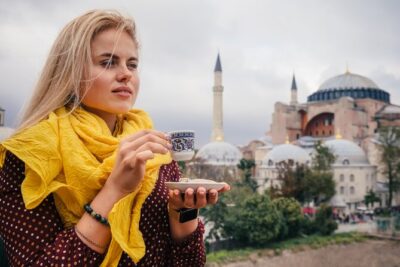 ★ 4.9Sand Brewed Turkish Coffee Workshop in Old TownFrom $12142 reviews
★ 5.0Istanbul Sand Brewed Turkish Coffee Workshop in Old TownFrom $1554 reviews
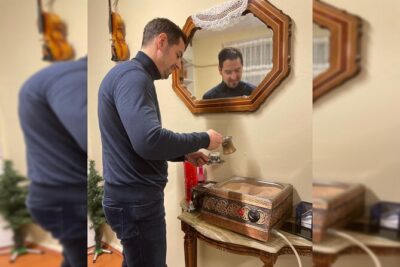 ★ 5.0Turkish Coffee on Sand and Fortune-Telling Workshop by GentlemenFrom $1654 reviews
Browse the lists this tour appears in