
REVIEW · ISTANBUL FOOD TOURS
Turkish Cuisine, Food, and History
Food and emperors in one city walk. This Istanbul tour ties Turkish cuisine to everyday life in Byzantine and Ottoman times, using major historic stops to frame the stories about what people ate and how they lived. It’s a food-and-history day that feels less like a lecture and more like you’re walking through the settings where real meals happened.
I love how the admission tickets are included at each big stop, so you’re not burning time or money on entry lines. I also love that lunch is included, which makes the tour’s food focus feel practical, not just theoretical.
One possible drawback: the schedule is tight, with about two hours at each of the first three stops plus time to walk through Balat. If you prefer slow museum browsing or you tire quickly indoors, this 8-hour format may feel like a lot.
In This Review
- Key Highlights at a Glance
- Why This Istanbul Food-and-History Tour Beats a Typical Cooking Class
- Topkapi Palace: Ottoman Power Meets the Idea of What People Ate
- Great Palace Mosaics Museum: Byzantine Constantinople Before the Shift
- Tekfur Sarayi: Late 13th-Century Constantinople in the Middle of the Story
- Balat Neighborhood Walk: UNESCO Coexistence Where Food Culture Feels Human
- Lunch on This Tour: What Included Meals Change for Your Day
- Timing, Transfers, and How the Day Will Feel in Your Legs
- Price and Value: Is $205 Worth It?
- Guide Style and Customization: What You Can Expect from Sojourn Turkey
- Who This Tour Is Best For (and Who Might Not Love It)
- Should You Book This Istanbul Food-and-History Tour?
- FAQ
- What is the duration of this Istanbul tour?
- What time does the tour start?
- How much does the tour cost?
- Is pickup offered?
- Is lunch included?
- Are admission tickets included for the stops?
- Is this a private tour?
- Does the tour use a mobile ticket?
- Is it suitable for most travelers?
- Can I cancel for a full refund?
Key Highlights at a Glance
- Four major historic stops in a single day, each with included entry time to match the theme
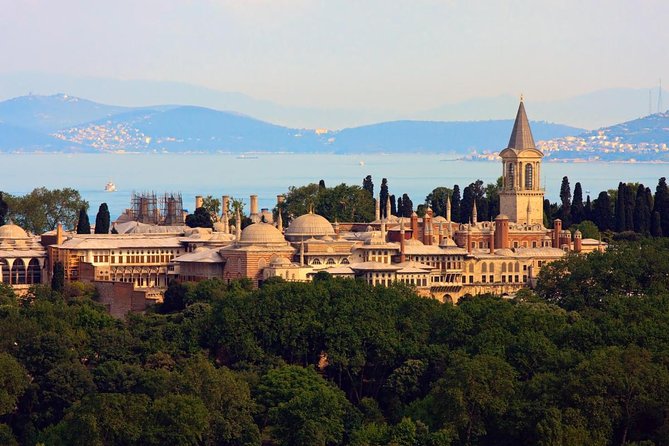
- Topkapi Palace for Ottoman life and power, with context that connects to meals and daily routines
- Byzantine Great Palace Mosaics to anchor the earlier era before the Ottomans arrive
- Tekfur Sarayi as a late 13th-century palace stop that bridges Constantinople to what comes after
- Balat neighborhood walk in a UNESCO-recognized coexistence area with churches, synagogue, and Ottoman-era mosques nearby
- Lunch included, plus a professional English-speaking guide to keep the day focused and clear
Still hungry? More Istanbul food walks

Why This Istanbul Food-and-History Tour Beats a Typical Cooking Class
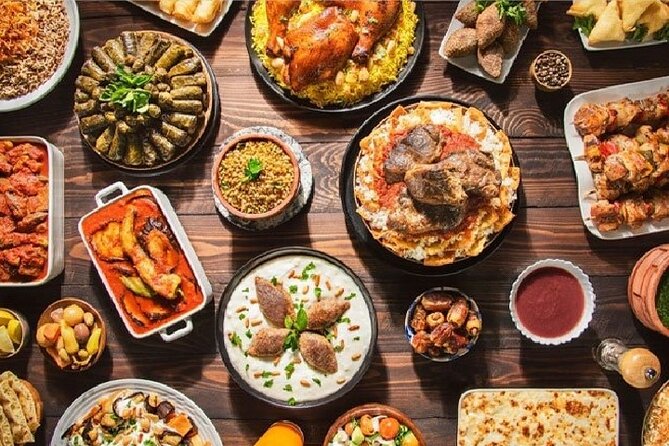
If you want Istanbul through the lens of food, this tour makes a smart choice: it pairs sites of power and daily life with the food culture that surrounded them. Instead of learning recipes in a studio, you learn how cuisine fit into real routines—court life, city life, and neighborhood life.
I also like that the day is built around time periods that actually shaped what Istanbul ate and how people lived. Byzantine and Ottoman eras are not random history chapters here. They are the backbone for understanding how ingredients, tastes, and everyday meals formed over centuries.
The other practical win is pacing with structure. You’re not wandering alone or guessing what matters. You’re in a private tour format, with pickup offered, and a guide who ties each stop back to food and daily culture.
Topkapi Palace: Ottoman Power Meets the Idea of What People Ate
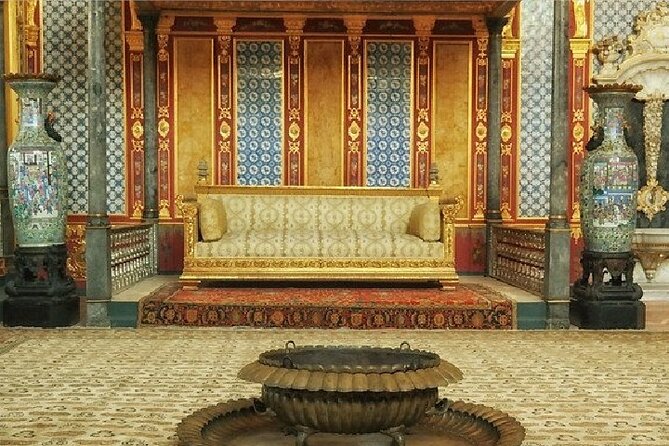
Topkapi Palace is the kind of place that changes how you look at Ottoman history. It served as the headquarters for Ottoman sultans in the 15th and 16th centuries, so you’re not just visiting a palace facade. You’re stepping into the administrative heart where court life and household rhythms would have mattered.
At this stop, the value is the connection between authority and daily behavior. A palace is more than architecture. It’s where kitchens, staff, supply routes, and banquets would connect to how people ate, who got what, and how meals reflected rank and ritual. Even if you’re not a history nerd, this is the easiest place in Istanbul to grasp why food culture mattered at the highest levels.
You’ll spend about two hours here, and admission is included. That’s important because Topkapi can be an all-day commitment if you’re doing it independently. In a themed tour like this, you get enough time to see the main highlights without losing the thread of the food story.
If you want one practical tip: plan to keep your energy steady for indoor/outdoor walking. Palaces involve stairs, courtyards, and areas where it’s easy to drift off if you’re not moving with purpose. A guide helps you stay focused.
Great Palace Mosaics Museum: Byzantine Constantinople Before the Shift
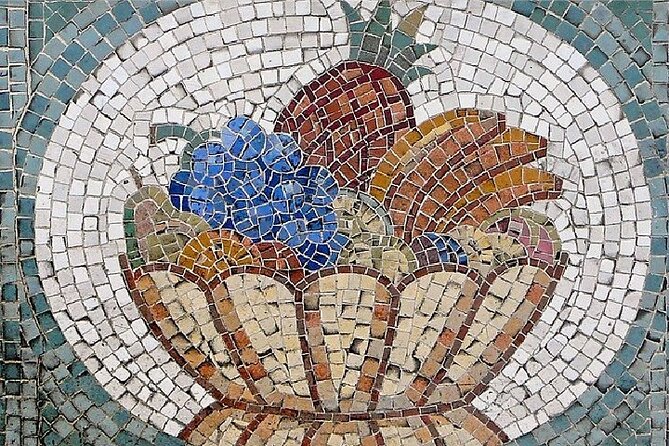
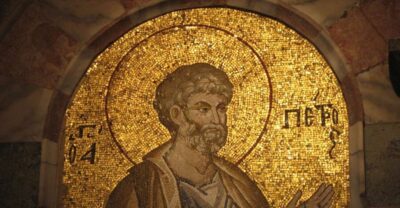
After Ottoman power comes the Byzantine layer, and the Great Palace Mosaics Museum is the right pivot. This museum is known for mosaics that date back to the Great Palace of Constantinople, tying you to the earlier era that shaped the city’s character long before Ottoman rule.
This stop is likely one of the most visually memorable of the day. Mosaics take time and precision, which is a useful reminder that everyday life in Constantinople included not just survival, but also organized craft and investment in public and ceremonial spaces. And that matters for food culture too: when societies pour work into architecture, they often also support the systems that bring food to tables—markets, storage, kitchens, and hospitality.
You’ll spend about two hours here with admission included. The time matters because you’ll want more than a quick pass. Mosaics aren’t the kind of thing you speed through and still understand. Having a guided pace keeps you from missing details that make the Byzantine connection feel real.
A consideration here: if you’re traveling with people who get tired of indoor museum time, this part can feel slower than the palace. On the other hand, it’s also a helpful breather between bigger, more energetic zones of the day.
Worth putting side by side with this Istanbul pick:
- Turkish Food Night and Rooftop Experience Istanbul★ 5.0 · 666 reviews
- Istanbul: Turkish Food Night and Rooftop Experience★ 5.0 · 569 reviews
- Istanbul: Guided Food and Culture Tour★ 4.9 · 528 reviews
- Istanbul Food Tour – History and Culture of Turkish Culinary★ 5.0 · 265 reviews
Tekfur Sarayi: Late 13th-Century Constantinople in the Middle of the Story
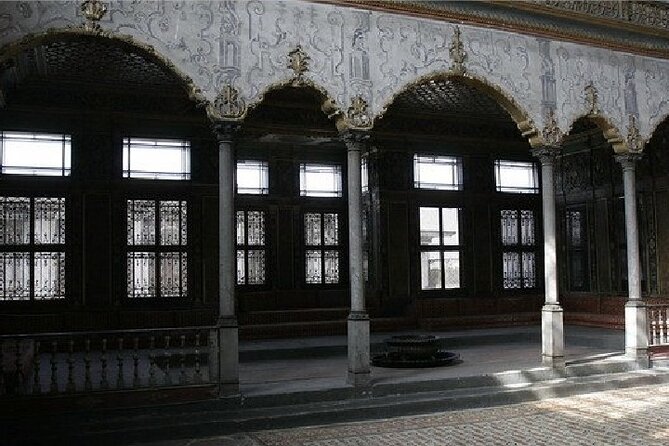
Tekfur Sarayi gives you another anchor point in the timeline. This is a late 13th-century palace built as part of Constantinople, so it sits in that in-between zone—old Constantinople shaping what comes next, even as change is always in the air.
Why I like including Tekfur Sarayi in a food-and-history tour is simple: it helps you see Istanbul as a layered city. You’re not moving in a straight line from one empire to another. You’re stepping through a sequence where buildings, neighborhoods, and routines overlap.
At around two hours, you get time to take in the architecture and use it as context for the guide’s broader discussion of daily culture. Since the whole tour theme is what people ate and how they lived, these palace-linked stops help you understand why food habits weren’t random. They were part of structured societies, household systems, and city infrastructure.
Admission is included, which keeps this stop similar in value to the others. You’re not paying extra to stitch the story together.
Balat Neighborhood Walk: UNESCO Coexistence Where Food Culture Feels Human
Then the tour shifts from palace and museum to streets. Balat is where Istanbul starts to feel like a living city instead of a timeline in stone.
You’ll walk narrow streets while seeing a Greek Orthodox patriarchal church, the oldest synagogue in the city, and some old Ottoman mosques in close proximity. That alone makes the area powerful to experience. The tour also frames Balat as a UNESCO-listed cultural heritage area that symbolizes coexistence of Muslim, Christian, and Jewish communities through history.
This is where the food theme can land best. In places like Balat, cuisine isn’t just a court topic. It’s also tied to neighborhood rhythms—who shops where, what households share, what traditions survive, and how communities overlap even when faiths differ. Balat makes that kind of story easier to believe because you can physically see the closeness of different religious landmarks.
The tour gives about two hours for Balat. Admission is included for this stop as well. One real-world note: narrow streets mean more toe-to-toe walking. If you have any walking limits, this is the part where you’ll feel it most.
Lunch on This Tour: What Included Meals Change for Your Day
Istanbul tours can fall apart when lunch is optional or overpriced. Here, lunch is included, and that matters because it keeps you from turning the best part of the day into a scramble for food.
With lunch covered, you can focus on what you’re learning rather than negotiating hunger in the middle of sightseeing. The whole point of a Turkish cuisine and history tour is that you’re connecting culture with food. A provided meal supports that concept in a very practical way.
Also, because the day runs from 9:00 am for about 8 hours, you’ll want energy that lasts. Included lunch is a big quality-of-life detail, especially when you’re bouncing between palaces, museums, and neighborhood walking.
Timing, Transfers, and How the Day Will Feel in Your Legs
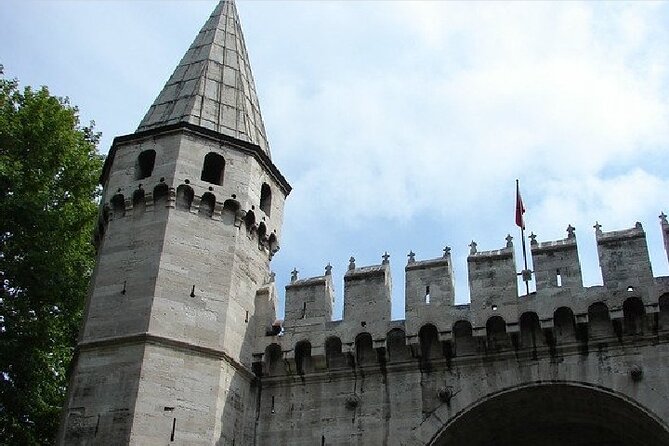
This is scheduled for a start time of 9:00 am and runs about 8 hours total. Your day is structured in four blocks: about two hours at Topkapi Palace, about two hours at the Great Palace Mosaics Museum, about two hours at Tekfur Sarayi, then about two hours in Balat.
That’s a full day. You’ll be mentally engaged the whole time, but you’ll also be physically busy. If you like city days where you see a lot and you’re happy to keep moving, you’ll likely enjoy the pace.
Pickup is offered, and the experience is described as private, with only your group participating. That generally helps with comfort and questions. A professional English-speaking guide also matters here, since the theme is not just sightseeing—it’s learning how cuisine, culture, and history connect.
One inclusion note you should double-check: the listed transfer mentions Antalya City Center. Since the tour location is Istanbul, I’d confirm your pickup details with the provider before you go. It’s the kind of mismatch that can create confusion even when the tour itself is solid.
Price and Value: Is $205 Worth It?
At $205 per person for about 8 hours, the biggest value driver is what’s included. You’re getting lunch, a professional English-speaking guide, parking fees, and transfers (with the Antalya detail to verify). On top of that, admission tickets are included at all the major stops.
If you were to do Topkapi, the mosaics museum, Tekfur Sarayi, and a Balat cultural walk on your own, you’d likely spend time and money piecing it together—plus you’d lose the food-and-daily-culture context that ties the day together.
This tour isn’t positioned as a budget-only option. It’s priced like an organized, guided, entry-included experience. If you care about the story behind what you see, not just photos, the value makes sense.
It also helps that the tour includes group discounts and uses a mobile ticket. Those details can save hassle and make the day run smoother.
Guide Style and Customization: What You Can Expect from Sojourn Turkey
One of the strongest signals in the feedback for Sojourn Turkey is the quality and vibe of their guides. People have described guides as interesting, informative, fun to be with, and thoroughly qualified on historic significance. That’s exactly the kind of skill you want on a tour like this, because the subject is broad: cuisine plus daily life across eras.
Another point that shows up in their broader service style: the provider keeps people informed ahead of time, and there’s mention of a Vamoos app used for updates on a longer Turkey trip. I can’t promise the exact same tool use for every day, but it does suggest you’re not left in the dark.
Also, one review highlighted that their touring can be customized to personal objectives. That’s a good sign for you if you have specific interests—say, you want more on food habits versus more on political history. It’s worth telling your guide what you want to focus on, since the tour is built around the theme of daily culture and cooking history.
Who This Tour Is Best For (and Who Might Not Love It)
I’d steer you toward this experience if:
- You’re the type who likes linking food with context, not just tasting
- You want both Byzantine and Ottoman stories, not one or the other
- You prefer a structured day with included entry tickets and a guide to connect the dots
- You’re okay with a full schedule and walking, including narrow streets in Balat
You might consider skipping or adjusting if:
- You prefer slower museum time and lots of unstructured wandering
- You get worn out by long indoor breaks followed by walking blocks
- You’re very sensitive to schedule changes, since this is designed as a fixed, curated day
Should You Book This Istanbul Food-and-History Tour?
If your goal is to understand Istanbul through how people ate and lived across centuries, I think this is a smart booking. You get a tight set of stops that actually relate to the theme: Ottoman power at Topkapi, Byzantine artistry at the Great Palace Mosaics Museum, Constantinople-era context at Tekfur Sarayi, and then Balat’s real-world overlap of communities in a UNESCO-recognized heritage zone.
The best reasons to book are also the most practical: lunch and admission tickets are included, and you have a professional English-speaking guide to keep the food-and-history thread intact.
The one thing I’d do before you commit is confirm your pickup and transfer details, since the inclusions mention Antalya City Center. Once that’s clarified, this tour looks like a strong value for a full day that mixes big landmarks with street-level culture.
FAQ
What is the duration of this Istanbul tour?
It runs for about 8 hours.
What time does the tour start?
The start time is 9:00 am.
How much does the tour cost?
The price is $205.00 per person.
Is pickup offered?
Yes, pickup is offered.
Is lunch included?
Yes, lunch is included.
Are admission tickets included for the stops?
Yes. Admission tickets are included for Topkapi Palace, the Great Palace Mosaics Museum, Tekfur Sarayi, and Balat.
Is this a private tour?
Yes, it is private. Only your group will participate.
Does the tour use a mobile ticket?
Yes, there is a mobile ticket.
Is it suitable for most travelers?
Yes, it notes that most travelers can participate.
Can I cancel for a full refund?
Yes. You can cancel up to 24 hours in advance for a full refund.
More Food & Drink in Istanbul
- Istanbul: Guided Food Tour with Ferry Ride and Tastings★ 4.9 · 770 reviews
- Turkish Food Night and Rooftop Experience Istanbul★ 5.0 · 666 reviews
- Istanbul: Turkish Food Night and Rooftop Experience★ 5.0 · 569 reviews
- Istanbul: Guided Food and Culture Tour★ 4.9 · 528 reviews
- The Award-Winning PRIVATE Food Tour of Istanbul: The 10 Tastings★ 5.0 · 462 reviews
- Istanbul Food Tour – History and Culture of Turkish Culinary★ 5.0 · 265 reviews
More Tour Reviews in Istanbul
- Istanbul: Bosphorus Dinner Cruise & Show with Private Table★ 4.8 · 62,058 reviews
- Istanbul: Daytime or Sunset Sightseeing Cruise & Audio Guide★ 4.8 · 14,430 reviews
- Istanbul: Bosphorus Dinner Cruise & Turkish Night Show★ 4.8 · 12,954 reviews
- Best of Istanbul 1, 2 or 3-Day Private Guided Istanbul Tour★ 5.0 · 8,922 reviews
- Istanbul: Basilica Cistern Fast-Track Entry and Audio Guide★ 4.6 · 7,521 reviews
- Istanbul: Hagia Sophia Skip-the-Line Ticket & Museum Option★ 3.7 · 4,958 reviews
More Istanbul Tables Worth Booking
- Istanbul: European and Asian Side Guided Foodie Walking Tour★ 4.9 · 1,038 reviews
- Istanbul: Guided Food Tour with Ferry Ride and Tastings★ 4.9 · 770 reviews
- Two Markets, Two Continents with Culinary Backstreets★ 5.0 · 479 reviews
- The Award-Winning PRIVATE Food Tour of Istanbul: The 10 Tastings★ 5.0 · 462 reviews
- Istanbul Food Tour – History and Culture of Turkish Culinary★ 5.0 · 265 reviews
- Istanbul Kadikoy Food Tour with 12+ Local Delicacies Tastings★ 5.0 · 247 reviews
Fresh off the boat: new Istanbul reviews

Istanbul Food Tours, compared.
 ★ 4.9European and Asian Side Guided Foodie Walking TourFrom $1351,038 reviews
 ★ 4.9Guided Food Tour with Ferry Ride and TastingsFrom $115770 reviews
 ★ 5.0Two Markets, Two Continents with Culinary BackstreetsFrom $145479 reviews
 ★ 5.0The Award-Winning PRIVATE Food Tour of Istanbul: The 10 TastingsFrom $192462 reviews
 ★ 5.0Istanbul Food Tour – History and Culture of Turkish CulinaryFrom $127265 reviews
 ★ 5.0Istanbul Kadikoy Food Tour with 12+ Local Delicacies TastingsFrom $100247 reviews
 ★ 5.0Istanbul Traditional Food Tour with Dinner on Off-Touristy-PathFrom $139230 reviews
 ★ 5.0Private and guided Istanbul food tour – Taste of IstanbulFrom $270205 reviews
Browse the lists this tour appears in