
Stirring lokum is oddly satisfying. This Turkish Delight workshop in Istanbul turns a classic candy into a hands-on, story-filled skill, with you watching (and helping with) how the syrup, starch, shaping, and coating come together. I especially like the three-variety tasting that helps you understand texture and flavor, and the cozy, small-group vibe that makes the process feel approachable, even if you’re a total beginner.
One thing to plan for: the lokum you help make is for learning, not eating right away, because it needs a resting period before it’s ready. The good news is you still end the class with a proper take-home gift from Hacı Bekir.
In This Review
- Key Highlights You’ll Actually Care About
- Why Turkish Delight Is More Than a Sweet Treat
- Getting There Near Hobyar (and What the Studio Setup Feels Like)
- From Syrup to Starch: Your Hands-On Lokum Lesson
- Taste First, Then Make Sense of It
- Why You Don’t Take Home the Lokum You Make (Yet)
- The Hacı Bekir 200g Box: Your Real Take-Home Payoff
- Price and Value: Is $40 a Good Deal?
- Who This Workshop Fits Best (and Who Might Skip)
- Practical Tips for a Smoother Session
- Should You Book This Turkish Delight Workshop?
- FAQ
- How long is the Turkish Delight workshop?
- What language is the workshop offered in?
- How many people are in the group?
- Do I get to taste Turkish delight during the class?
- Can I eat or take home the Turkish delight I make in the session?
- What gift do I receive at the end?
- Where does the workshop start?
- When do I get confirmation after booking?
Key Highlights You’ll Actually Care About
- Small group (max 8): more time for questions and more individual attention while you stir and shape.
- Step-by-step lokum process: see syrup prep, starch addition, and how lokum is shaped and coated.
- Tasting three varieties: a quick, practical way to learn what changes when flavors and textures change.
- Instructor support that keeps it fun: the tone is encouraging, even when you make a bit of a mess.
- You still leave with a real souvenir: a boxed 200g Turkish Delight from Hacı Bekir (est. 1777).
Worth putting side by side with this Istanbul pick:


Why Turkish Delight Is More Than a Sweet Treat
Turkish delight, or lokum, has a reputation that’s bigger than its size. The workshop frames it as a sweet with deep roots, moving from the Ottoman palace world to modern Istanbul. That context matters, because it turns what could be a basic candy-making demo into a cultural session where you understand why people cared about this kind of confection in the first place.
I like that you’re not just told a story and sent on your way. You see the key mechanics: how the syrup behaves, how starch changes the texture, and how the candy becomes something you can cut and coat. Once you understand those steps, tasting the finished products makes sense instead of feeling random.
Getting There Near Hobyar (and What the Studio Setup Feels Like)
This workshop starts at Istanbul Experiences Workshops in Hobyar, at Kömürcü Bekir Sk. No:1/109, 34112 Fatih/İstanbul. It’s near public transportation, and the meeting point is in an area that’s easy to combine with an Ottoman-era sights day (the class is often described as about a 15-minute walk from the Blue Mosque area).
One practical detail: the studio location is reached via a small alley and stairs. That’s not a dealbreaker, but if you’re hauling a lot of day bags, I’d travel light. Bring your phone for the mobile ticket, and keep it handy at check-in.
Group size is capped at 8 travelers, which helps a lot. You’re not watching from the back while someone else does all the work.
From Syrup to Starch: Your Hands-On Lokum Lesson
The heart of the experience is the making process. You’ll learn how traditional lokum is produced using a syrup base, then how starch is added and cooked for the right texture. From there comes the fun part: shaping, then coating, which is where lokum gets its classic finish.
What makes this workshop feel different is the instruction style. People describe the teaching as warm and supportive, with humor and encouragement that makes a hands-on activity feel safe—even if your stirring hand isn’t “chef” level. That matters because lokum-making isn’t just art. It’s controlled heat and timing, and your host guides you through what to watch for.
You also get a mix of participation and expert handling. The class includes professional cutting and coating, so even if your first attempt isn’t perfectly square, the final texture and presentation still meet the standard. The end result is practical learning, not just a messy craft souvenir.
Worth putting side by side with this Istanbul pick:
- Istanbul Gedikpasa Historical Turkish Bath with Privacy Option★ 5.0 · 1,285 reviews
- Istanbul: Acemoglu Historical Turkish Bath w/Private Options★ 4.6 · 1,190 reviews
- Istanbul: Gedikpasa Historical Hammam with Privacy Add-On★ 4.8 · 918 reviews
- Istanbul Historical Tour with Guide, Lunch and Transfers★ 4.5 · 561 reviews
Taste First, Then Make Sense of It
Tasting is built into the workshop, with samples of three different Turkish Delight varieties. This isn’t just for sugar lovers. It’s the fastest way to learn what changes when ingredients change. One version might feel lighter and softer; another could lean more floral; another could bring a nut-forward sweetness.
Based on what people commonly mention, flavors you might sample include things like pistachchio and rose. Exact varieties can vary by session, but the goal stays the same: you learn the difference between aromas, sweetness level, and the way the candy sets.
This tasting also helps you when you make your own. When you’ve already tasted three styles, the workshop steps stop being abstract. You know what the process is aiming for.
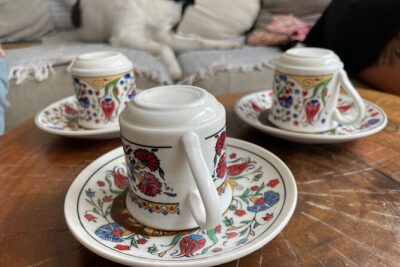
And while you’re waiting for mixtures to cool during the process, some sessions include Turkish coffee while you’re at the studio. A few people even note receiving small extras like Turkish coffee cups. Since those details aren’t guaranteed in every booking, I’d treat them as bonus perks if they happen to be part of your day.
Why You Don’t Take Home the Lokum You Make (Yet)
Here’s the one part that can surprise people: you won’t eat the lokum made during the session, and you won’t take the batch home immediately.
The workshop explains this clearly: the candy needs time to rest and properly set. That’s not a trick to sell you more sweets. It’s how the product works. If you could take it away and eat it on the spot, you’d likely miss the intended texture.
There’s also a small upside to the no-immediate-take-home rule. You focus on learning the method instead of rushing to taste something before it’s ready. It’s more like a lesson than a food tour snack stop.
The Hacı Bekir 200g Box: Your Real Take-Home Payoff
At the end, you receive a 200-gram box of classic Turkish Delight from Hacı Bekir, described as Istanbul’s oldest and most famous lokum maker, established in 1777.
This is a big part of the value. The class itself teaches you the process, but the box lets you:
- compare your learning against a known classic
- bring something real home that’s not just a tiny sample
- enjoy it later with less pressure than trying to store something you just made
If you’re the type who likes food souvenirs that are actually worth the calories, this take-home box is the payoff you’re waiting for.
Price and Value: Is $40 a Good Deal?
At $40 per person for roughly 1 hour 30 minutes, this isn’t priced like a casual tasting-only stop. You’re paying for a structured experience: guided instruction, the tasting of three varieties, and hands-on steps that cover the core method (syrup, starch, shaping, coating).
Then there’s the ingredient you can’t ignore: the 200g Hacı Bekir gift is included. That changes the math. If you were simply buying Turkish delight in a shop, you’d still be spending money, and you’d miss the practical learning and guided tasting.
Also, the class is capped at 8 people and runs in English, which tends to make it more comfortable for beginners. If you want a culture-meets-food activity that doesn’t require cooking experience, this price can feel fair.
Who This Workshop Fits Best (and Who Might Skip)
This class is a great match if:
- you’re curious about Istanbul’s sweet traditions beyond what you can read in a museum
- you want a beginner-friendly cooking session with guided support
- you enjoy tasting as part of learning
- you like taking home something you can actually eat
You might think twice if:
- you hate the idea that the lokum you make isn’t for immediate consumption
- you’re short on time and only want to sample sweets (this is a workshop, not a quick bite)
Practical Tips for a Smoother Session
A few small choices can make the whole thing better:
- Wear comfortable clothes. You’re stirring and working with a sticky process.
- Keep your phone charged. You’ll want it for the mobile ticket.
- Have a flexible mindset. The method matters more than perfection.
- If you’re combining this with sightseeing, plan it as an indoor activity window—people often describe it as a cozy option, especially when the weather isn’t cooperating.
Should You Book This Turkish Delight Workshop?
If you like food experiences that teach you something you can use later, I’d book it. The best reason is the combination: three tastings plus hands-on lokum-making, ending with a serious take-home box from a well-known maker.
It’s also one of the rare Istanbul activities where you don’t just watch. You’re part of the process. And because the group stays small, you get the kind of attention that turns questions into answers instead of awkward silence.
If you’re looking for a quick dessert stop, you might prefer buying lokum and moving on. But if you want a calm, guided, practical taste of Ottoman-to-Istanbul sweet culture, this workshop is an easy yes.
FAQ
How long is the Turkish Delight workshop?
It lasts about 1 hour 30 minutes.
What language is the workshop offered in?
It’s offered in English.
How many people are in the group?
The workshop has a maximum of 8 travelers.
Do I get to taste Turkish delight during the class?
Yes. You’ll taste three different types of Turkish delight.
Can I eat or take home the Turkish delight I make in the session?
No. The lokum made during the session is not consumed or taken home because it needs a resting period.
What gift do I receive at the end?
You receive a 200-gram box of classic Turkish delight from Hacı Bekir (est. 1777).
Where does the workshop start?
It starts at Istanbul Experiences Workshops, Hobyar, Kömürcü Bekir Sk. No:1/109, 34112 Fatih/İstanbul, Türkiye.
When do I get confirmation after booking?
Confirmation is received at the time of booking.
More Historical Tours in Istanbul
- Istanbul Gedikpasa Historical Turkish Bath with Privacy Option★ 5.0 · 1,285 reviews
- Istanbul: Acemoglu Historical Turkish Bath w/Private Options★ 4.6 · 1,190 reviews
- Istanbul: Gedikpasa Historical Hammam with Privacy Add-On★ 4.8 · 918 reviews
- Istanbul Historical Tour with Guide, Lunch and Transfers★ 4.5 · 561 reviews
- All in One Day Istanbul – Historical Tour of Istanbul with Bosphorus Cruise★ 5.0 · 489 reviews
- Istanbul Heritage Tour – Incl. Lunch★ 4.5 · 416 reviews
More Food & Drink in Istanbul
- Istanbul: Guided Food Tour with Ferry Ride and Tastings★ 4.9 · 770 reviews
- Turkish Food Night and Rooftop Experience Istanbul★ 5.0 · 666 reviews
- Istanbul: Turkish Food Night and Rooftop Experience★ 5.0 · 569 reviews
- Istanbul: Guided Food and Culture Tour★ 4.9 · 528 reviews
- The Award-Winning PRIVATE Food Tour of Istanbul: The 10 Tastings★ 5.0 · 462 reviews
- Istanbul Food Tour – History and Culture of Turkish Culinary★ 5.0 · 265 reviews
More Tour Reviews in Istanbul
- Istanbul: Bosphorus Dinner Cruise & Show with Private Table★ 4.8 · 62,058 reviews
- Istanbul: Daytime or Sunset Sightseeing Cruise & Audio Guide★ 4.8 · 14,430 reviews
- Istanbul: Bosphorus Dinner Cruise & Turkish Night Show★ 4.8 · 12,954 reviews
- Best of Istanbul 1, 2 or 3-Day Private Guided Istanbul Tour★ 5.0 · 8,922 reviews
- Istanbul: Basilica Cistern Fast-Track Entry and Audio Guide★ 4.6 · 7,521 reviews
- Istanbul: Hagia Sophia Skip-the-Line Ticket & Museum Option★ 3.7 · 4,958 reviews
Fresh off the boat: new Istanbul reviews




Historical Tours, compared.
 ★ 5.0Istanbul Gedikpasa Historical Turkish Bath with Privacy OptionFrom $601,285 reviews
 ★ 4.6Acemoglu Historical Turkish Bath w/Private OptionsFrom $421,190 reviews
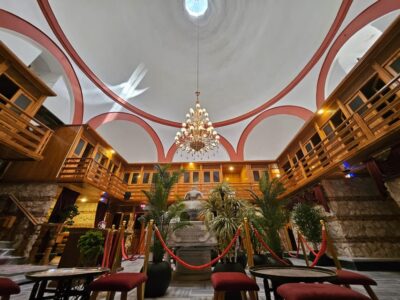 ★ 4.8Gedikpasa Historical Hammam with Privacy Add-OnFrom $59918 reviews
 ★ 4.5Istanbul Historical Tour with Guide, Lunch and TransfersFrom $248561 reviews
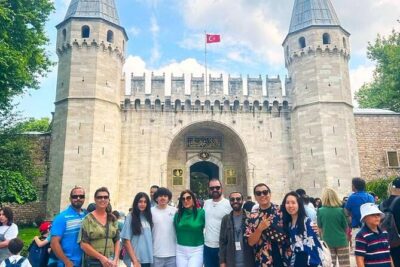 ★ 5.0All in One Day Istanbul – Historical Tour of Istanbul with Bosphorus CruiseFrom $164489 reviews
 ★ 4.5Istanbul Heritage Tour – Incl. LunchFrom $216416 reviews
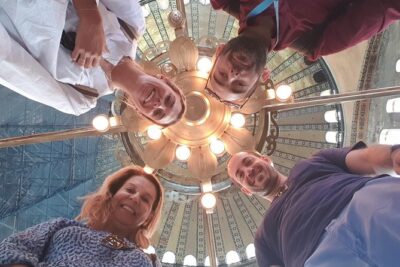 ★ 4.5Historical PeninsulaFrom $57362 reviews
 ★ 5.0Full-Day Private Guided Cultural Tour of IstanbulFrom $120279 reviews
Browse the lists this tour appears in