
REVIEW · CAPPADOCIA TRIPS FROM ISTANBUL
Wonders of Turkey – Gulet: Istanbul, Cappadocia, Ephesus, Fethiye
Two continents, then open sea. This 13-day Turkey trip mixes top-name sights with real time on the water—so you get history, then you get salt air. I especially liked the small, 16-passenger gulet setup that makes the cruise feel personal instead of like cattle on a schedule.
My other big love is how much guided, on-the-ground history you pack in: Sultanahmet’s landmarks, a very moving day at Gallipoli, and the Ephesus stops that include both the ancient site and the archaeology museum. Later, Pamukkale and Hierapolis add a totally different kind of awe, with white travertines and Roman hot springs.
One thing to plan for: not everything is included. You’ll likely need to budget for about €240 per person in entrance fees paid on the spot in cash, plus drinks and tips.
In This Review
- Key Takeaways Before You Go
- Istanbul’s Old City and the Bosphorus: Your Turkey “Welcome”
- Gallipoli, Trenches, and Memorial Names You’ll Remember
- Troy and Behramkale: Ancient Layers Plus a Real Village Stop
- Ephesus, the Museum, and Carpet-Making Reality in Selçuk
- Boarding Day on the Gulet: Turquoise Water Time You Can’t Fake
- Turunc/Tarzan Bay to Tersane Island: Snorkeling With History Nearby
- Gocek’s Bays and the Cleopatra-Era Roman Baths Swim
- Red Island, Unnamed Anchors, and a Relaxed Return to Fethiye
- Pamukkale’s White Terraces and Hierapolis Hot Springs
- Konya on the Silk Road: Caravanserai and the Mevlana Museum
- Cappadocia’s Fairy Chimneys and an Underground City
- Ankara and Back to Istanbul: A Final Anchor in National History
- Price and Value: Where the $2,356.81 Really Goes
- Practical Tips That Keep This Tour Smooth
- Should You Book This Gulet + Turkey History Route?
- FAQ
- How long is the gulet portion?
- Are meals included during the cruise?
- Are entrance fees included in the price?
- Does the tour guide travel with you during the gulet section?
- What is the group size on this tour?
- Can solo travelers join?
Key Takeaways Before You Go
- 16 passengers max on a traditional gulet with private bathrooms, so you’ll actually get to know your group.
- All meals included on the gulet, plus you get three local wines as part of the experience.
- Guided history on land with professional English support for the Istanbul, Gallipoli, Ephesus, and temple-to-underground-city days.
- Cruise stops are water-first: swimming and snorkeling in bays like Turunc Bay/Tarzan Bay, plus anchors each night except the last.
- Captain-led changes are possible on the gulet, so stay flexible.
Chasing the balloons: more Cappadocia trips

Istanbul’s Old City and the Bosphorus: Your Turkey “Welcome”
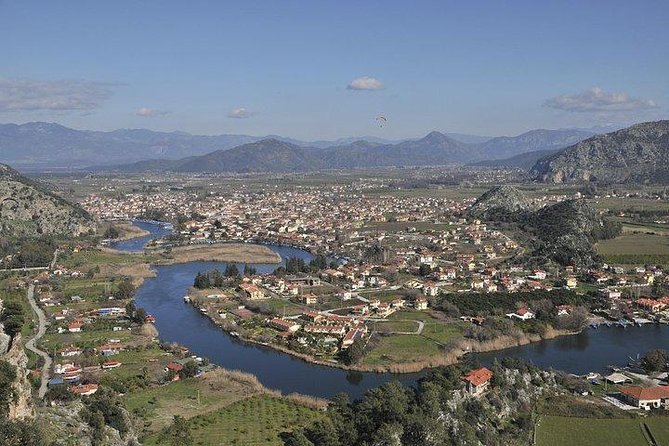
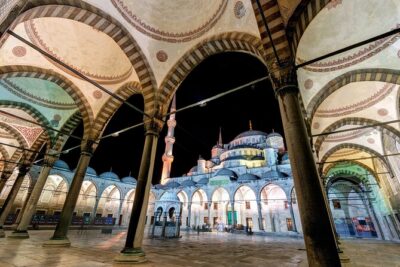
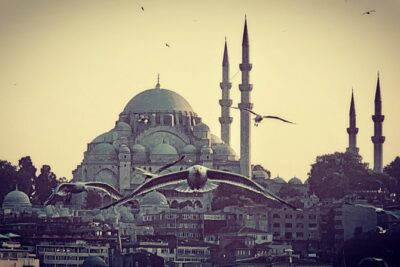
Your trip starts with a welcome meeting in Istanbul. From there, you’ll spend the day in Sultanahmet, the classic old-city zone where key monuments sit close enough to tour in one go. I like that this day is built for first-time orientation: Blue Mosque, St Sophia (as a museum visit), Topkapi Palace (including Hagia Irene), and the Hippodrome area all in one guided flow.
After that, the afternoon brings a cruise between Europe and Asia along the Bosphorus. Even if you choose the optional half-day version, it’s still a smart way to reset your eyes after hours of sightseeing. From the water, you start to see how Istanbul works—ridges, waterfront neighborhoods, and the constant motion of boats and ferries.
The only “consideration” here is timing and pacing. Istanbul days can move fast, and this one stacks major sights, so wear shoes you can stand in and bring sun protection. You’ll be happier if you treat this day like sightseeing, not casual strolling.
Gallipoli, Trenches, and Memorial Names You’ll Remember
Gallipoli is the emotional heavy hitter on this route. You’ll visit WWI battlefields with specific memorial stops such as Lone Pine and Chunuk Bair, plus ANZAC Cove, the Nek, Johnston’s Jolly, and even original trenches and tunnels. This is the kind of day where the guide’s narrative matters, because the names aren’t just labels—they connect to real places and real troop movements.
What I like most is that the day isn’t only monuments-on-a-map. The inclusion of trenches and tunnels helps you understand what “warfare on this ground” actually means. It’s not comfortable, and you don’t pretend it is, but that’s also why the visit lands so well.
If you’re sensitive to heavy historical content, plan for breaks. You’ll be on the move for hours, and the sites themselves can be physically demanding depending on the paths and weather.
Troy and Behramkale: Ancient Layers Plus a Real Village Stop
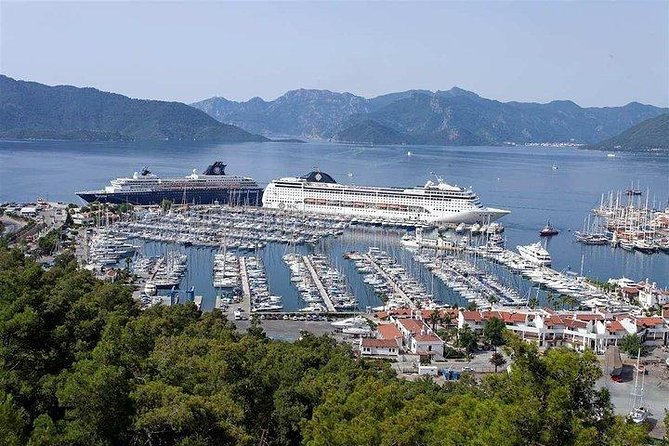
After Gallipoli, your route heads toward Troy (Truva). This part is great value for history nerds and non-nerds alike because you’ll pair the ancient site experience with the Troy Museum, which the itinerary explicitly calls out as award-winning. That museum time can help you follow what you’re looking at without needing to know every myth ahead of time.
Then you continue on to Behramkale, described as a picturesque village with stone houses and narrow streets. This matters because Troy days can otherwise feel like a nonstop march from one archaeological doorway to the next. Behramkale gives you a breather where you can slow down, look around, and grab Turkish tea or coffee at a local café.
Finally, the day works its way toward Kuşadası. The benefit is you’re not stuck in limbo between regions—you keep traveling, but you also keep adding meaningful stops along the way.
More days out to ancient Ephesus
- 4 Days Turkey Tour – Cappadocia, Ephesus and Pamukkale Tour★ 5.0 · 138 reviews
- 6 Days Turkey Tour Cappadocia, Pamukkale, Ephesus, Gallipoli Troy★ 5.0 · 109 reviews
- Daily Ephesus & House of Virgin Mary from Istanbul – Small Group★ 4.0 · 95 reviews
- 7 Days Best of Turkey Tour: Istanbul-Cappadocia-Ephesus-Pamukkale★ 5.0 · 91 reviews
Ephesus, the Museum, and Carpet-Making Reality in Selçuk
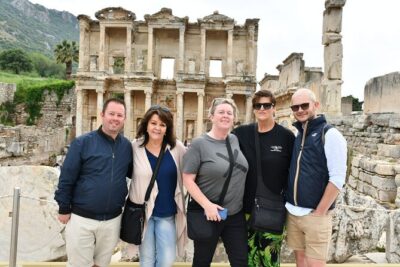
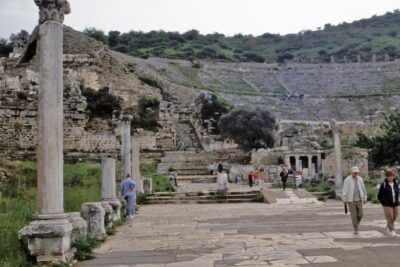
Ephesus is one of those places where you can understand why it was a powerhouse—trade hub, religious center, and a magnet for people. You’ll get a guided tour that covers major hits like the Temple of Artemis area, the grand facade of the Library of Celsus, and the impressive amphitheater.
What makes this day extra useful is the add-on visit to the Ephesus Archaeology Museum. You get context for what you’re seeing outdoors. That pairing helps your brain connect fragments to full stories instead of letting the site stay as a photo-op.
Then comes a very practical cultural stop: a carpet weaving village. The itinerary includes learning how carpets are made by hand and what factors determine their value. Even if you don’t plan to buy, you’ll see the time and craft behind what you might otherwise treat as souvenirs.
The day ends with a wine tasting in Selçuk—three local wines are listed as included on the overall trip. It’s a nice contrast to the stone-and-marble mornings, and it also gives you a calmer setting to talk with your guide.
Boarding Day on the Gulet: Turquoise Water Time You Can’t Fake
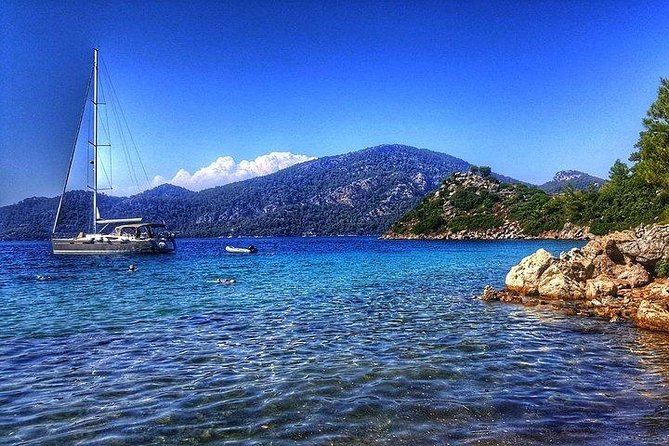
Now the trip changes gears. You transfer to Fethiye and board the gulet around 15:00. This isn’t just a hotel with a view; it’s a traditional wooden yacht with 16 cabins and private bathrooms. The ship has a dining room, a sleek saloon bar, and a sun deck where you’ll want to claim real estate early.
Here’s what I think makes this segment a smart move: the schedule is built around the water. You cruise, you anchor, you swim. And you get to decide how to spend dock time once the gulet is tied up—small towns, shore walks, and relaxing are part of the deal.
Also, pay attention to how the trip handles guidance. The itinerary clearly notes that the tour guide does not accompany the group during the gulet section. That doesn’t mean you’re on your own. It means you’ll follow the skipper and crew, while the land guide stays with the land portion.
Meals are another strong point: all meals are included on the gulet. That’s one of those “small” details that actually saves you money and stress during a cruise, where food decisions can get expensive fast.
Turunc/Tarzan Bay to Tersane Island: Snorkeling With History Nearby
On your first cruise day, you’ll enjoy swimming and snorkeling in bays such as Turunc Bay or Tarzan Bay. That’s exactly the kind of activity that makes a gulet worthwhile. Turkey’s coastline looks beautiful from land, but being in it is different—clear water, easy access for a swim, and fewer crowds in the smaller anchor spots.
You then cruise past islands toward Tersane Island (Dockyard Island). The itinerary mentions ruins of a former Greek town and the remains of a naval shipyard. Even if you don’t spend hours exploring, just seeing how layers of civilizations sit beside each other along the coast is a strong reminder that this isn’t a modern coastline paradise—it’s a long-used route.
One practical point: bring swim gear and a dry layer for evenings. Even when the days feel warm, the combination of wind and open water can cool you down faster than you expect.
Gocek’s Bays and the Cleopatra-Era Roman Baths Swim
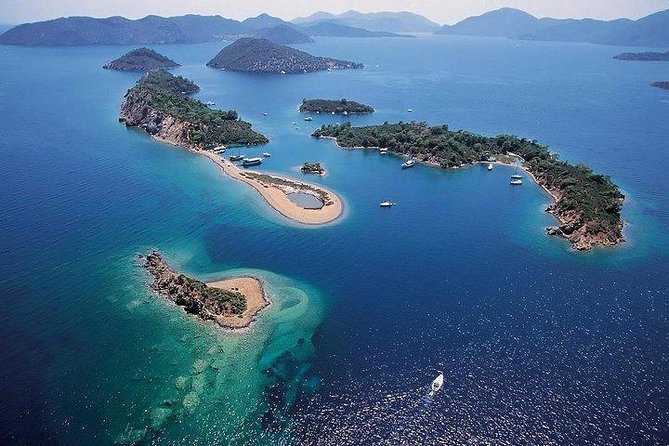
Breakfast and then off to Hamam Bay. This is where the trip gets extra fun if you like mixing ancient references with everyday time on water. You’ll swim in the area described as ancient Roman Baths built by Mark Antony as a gift for Cleopatra.
Then you head to Sarsala Bay. From there, you have a 45-minute hike to an ancient Lycian town with inscribed walls from the 3rd century BC. That’s a great option day because it gives you a choice: you can stay in the water and snorkel, or you can trade that for shoes-on-ground history.
Next stop is Bedri Rahmi Bay, named after a famous Turkish painter. The itinerary keeps it relaxed—jump in, explore the island, and let the day be what you make of it.
This day’s benefit for readers: it’s not just “sail and look.” You’re given at least one swim-with-history moment and one hike moment.
Red Island, Unnamed Anchors, and a Relaxed Return to Fethiye
Your next cruise day focuses on a chain of islands as you head back toward Fethiye. You’ll pass Yassica Islands and Gocek Islands, and the itinerary notes that many of these small islands are unnamed, but they offer safe anchorage and secluded sandy beaches.
This is where the gulet earns its keep: you get access to quieter water spots without the stress of planning boats, transfers, or private tours. You’re simply sailing into places you can’t really replicate on your own unless you’re doing a lot more logistics.
The day finishes with a stop and swim at Red Island before returning to Fethiye. If you want an easy final cruise day with plenty of time to sit back, take photos, and swim without rushing, this is it.
Pamukkale’s White Terraces and Hierapolis Hot Springs
Pamukkale is the “wow” stop that changes the visual palette completely. You’ll go to the white calcium terraces known as travertines, then tour the ancient city of Hierapolis.
You’re also expected to take a dip in hot springs used in Roman times, described as therapeutic, and you’ll swim among ancient columns. That pairing is important: you don’t just see natural wonders; you see how humans built spa life around the geothermal features.
The only caution is practical. Travertines can be slippery, and you’ll want footwear or careful footing depending on how water is distributed. Also, give yourself time. This is a place where the best moments come when you’re not rushing from one photo spot to the next.
Konya on the Silk Road: Caravanserai and the Mevlana Museum
After Pamukkale, you travel toward Konya, framed as a Silk Road stop. You’ll visit the Sultanhani Caravansary, a key stop on the route, and then the Mevlana museum in Konya.
If you like architecture and travel history, this is the day for you. Caravanserais were made for travelers—rest, safety, and supplies—so you’re seeing the infrastructure of historic movement, not just the big monuments.
That night includes an optional traditional Turkish folklore evening. Even if you skip it, the fact that it’s available gives you flexibility. I like having that choice after days of long sightseeing.
Cappadocia’s Fairy Chimneys and an Underground City
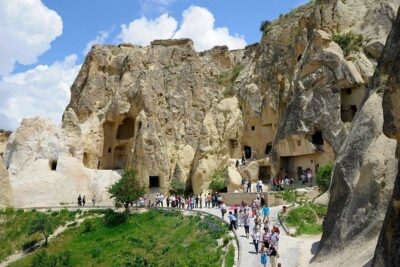
Cappadocia is next, and the itinerary keeps it classic: Göreme Valley Open Air Museum, fairy chimneys, and an underground city. You’ll explore many levels underground, which is a smart add-on because it explains how people survived in this region long before modern tourism cameras arrived.
I like that this day balances views with real structures. The chimneys give you the famous silhouettes, while the underground space tells you why people could live here at all.
If you’re prone to long walks, plan for the fact that Cappadocia days can include uneven ground. Comfortable shoes matter here more than in most places.
Ankara and Back to Istanbul: A Final Anchor in National History
On the last full travel day, you head to Ankara. You’ll visit Anıtkabir, the mausoleum of Mustafa Kemal Atatürk, then return to Istanbul.
This closing stop feels like the trip’s historical frame. You’ve moved from ancient civilizations, to war and empire, to religious and cultural layers—then you land on the foundation of modern Turkey.
After breakfast on the final day, the tour concludes back at the meeting point area in Istanbul, and you’re free to continue on your own.
Price and Value: Where the $2,356.81 Really Goes
At $2,356.81 per person, this isn’t a bargain tour. It’s priced like a value-forward mix of guided land travel plus a real cruise segment.
Here’s what you’re getting that justifies much of the cost:
- Three nights on the gulet with private cabins and private bathrooms
- All meals included on the gulet
- Professional English-speaking guide for the land portion
- Air-conditioned vehicle during land segments
- Wine tasting with three local wines
- Mobile ticket support
- A capped group size: maximum 16 travelers and maximum 2 passengers per cabin
Here’s what you should also budget for:
- Entrance fees are not included. You’re told to expect about €240 per person, paid on the spot in cash.
- Alcoholic drinks are extra.
- Tips for captain/crew and driver/guide are extra.
- Optional activities and hotel pickup/drop-off are not included.
My take: if you want both a guided “must-see” Turkey route and genuine water time with included meals, the price makes sense. If you hate unpredictable extras and don’t like paying cash surprises, you may find the entrance fees and tips annoying.
One more reassurance: the tour is rated 4.9 out of 5, with 51 reviews and a 100% recommended figure. That doesn’t guarantee your exact experience, but it does suggest the format works for most people.
Practical Tips That Keep This Tour Smooth
A few details from the trip setup can save you headaches:
- Bring passport copies (you need to provide a copy/image when booking).
- Luggage limits matter: one suitcase plus one carry-on, and oversized items may face restrictions.
- Cash for entrances: plan to have the €240 per person in cash euros ready for the onsite fees.
- Swim gear is essential: you’ll swim and snorkel during the gulet days and again at Pamukkale.
- Don’t plan on a land guide during the cruise: the skipper and crew handle the gulet portion.
Also, keep expectations flexible on the water. The itinerary notes gulet schedules can change without notification, with the captain deciding the program at the time. That’s normal for coastal travel, and it often means better weather and better anchor spots.
Finally, the trip is non-refundable and can’t be changed once booked. If your plans are fragile, read that part carefully before you commit.
Should You Book This Gulet + Turkey History Route?
Book it if you want a Turkey trip that mixes the big names—Istanbul’s Old City, Gallipoli, Ephesus, Pamukkale, and Cappadocia—with a cruise that’s built around swimming and scenery. The 16-passenger gulet with included meals is the heart of the value, and it’s exactly the kind of change-of-pace that keeps a long trip from feeling like one museum after another.
Skip it if:
- you’re not okay with onsite entrance fees and additional costs for drinks/tips, or
- you strongly prefer a perfectly fixed schedule (the gulet captain can adjust the program).
If you fit the first group, you’re likely to leave with two very different memories: the quiet weight of Gallipoli and the feeling of waking up on the water.
FAQ
How long is the gulet portion?
You spend 3 nights on the gulet as part of the overall 13-day tour.
Are meals included during the cruise?
Yes. All meals are included on the gulet.
Are entrance fees included in the price?
No. Entrance fees are not included and you should expect to pay about €240 per person in cash (euros) on the spot.
Does the tour guide travel with you during the gulet section?
No. The tour guide does not accompany the group during the gulet section.
What is the group size on this tour?
The tour is capped at maximum 16 travelers, and the gulet accommodates up to 16 passengers. Cabins are private, with up to 2 passengers per cabin.
Can solo travelers join?
Yes. Single travelers must pay a single supplement and will have the hotel room and/or gulet cabin to themselves.
More Tour Reviews in Istanbul
- Istanbul: Bosphorus Dinner Cruise & Show with Private Table★ 4.8 · 62,058 reviews
- Istanbul: Daytime or Sunset Sightseeing Cruise & Audio Guide★ 4.8 · 14,430 reviews
- Istanbul: Bosphorus Dinner Cruise & Turkish Night Show★ 4.8 · 12,954 reviews
- Best of Istanbul 1, 2 or 3-Day Private Guided Istanbul Tour★ 5.0 · 8,922 reviews
- Istanbul: Basilica Cistern Fast-Track Entry and Audio Guide★ 4.6 · 7,521 reviews
- Istanbul: Hagia Sophia Skip-the-Line Ticket & Museum Option★ 3.7 · 4,958 reviews
More Days Out to Ephesus
- 4 Days Turkey Tour – Cappadocia, Ephesus and Pamukkale Tour★ 5.0 · 138 reviews
- 6 Days Turkey Tour Cappadocia, Pamukkale, Ephesus, Gallipoli Troy★ 5.0 · 109 reviews
- Daily Ephesus & House of Virgin Mary from Istanbul – Small Group★ 4.0 · 95 reviews
- 7 Days Best of Turkey Tour: Istanbul-Cappadocia-Ephesus-Pamukkale★ 5.0 · 91 reviews
- 5-Day Aegean Tour – Gallipoli, Troy, Ephesus, Kusadasi, Pamukkale★ 4.5 · 86 reviews
- Istanbul, Ephesus, Pamukkale and Cappadocia 8 Day Package★ 5.0 · 83 reviews
More Cappadocia Trips from Istanbul
- From Istanbul: 2-Day All-Inclusive Cappadocia Guided Trip★ 4.9 · 380 reviews
- Istanbul: 2-Day Cappadocia Trip with Flights and Cave Hotel★ 4.7 · 318 reviews
- 2 Days Cappadocia from Istanbul with Cave Hotel+Optional Balloon★ 5.0 · 260 reviews
- Cappadocia Dream: 2-Days Tour from Istanbul & Balloon Ride Option★ 4.5 · 236 reviews
- Istanbul: Cappadocia 2-3 Day Tour with Flights & Hotel★ 5.0 · 202 reviews
- From Istanbul: Day Trip to Cappadocia with Flight & Lunch★ 4.6 · 182 reviews
Fresh off the boat: new Istanbul reviews
Cappadocia Trips from Istanbul, compared.
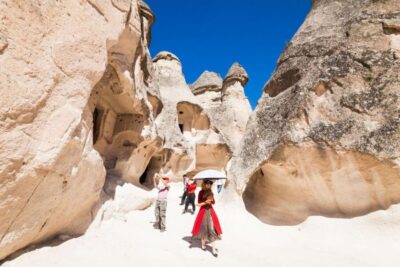 ★ 4.9From Istanbul: 2-Day All-Inclusive Cappadocia Guided TripFrom $709380 reviews
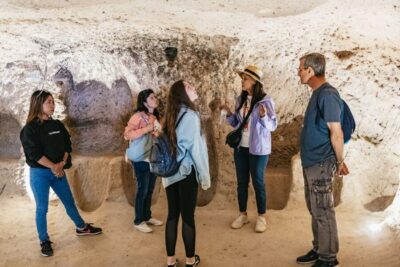 ★ 4.72-Day Cappadocia Trip with Flights and Cave HotelFrom $328318 reviews
 ★ 5.02 Days Cappadocia from Istanbul with Cave Hotel+Optional BalloonFrom $330260 reviews
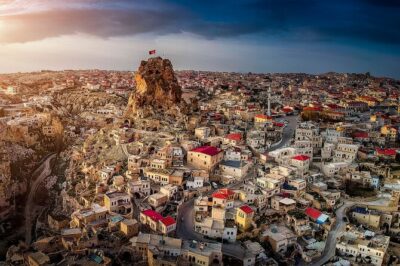 ★ 4.5Cappadocia Dream: 2-Days Tour from Istanbul & Balloon Ride OptionFrom $590236 reviews
 ★ 5.0Cappadocia 2-3 Day Tour with Flights & HotelFrom $361202 reviews
 ★ 4.6From Istanbul: Day Trip to Cappadocia with Flight & LunchFrom $188182 reviews
 ★ 5.04 Days Turkey Tour – Cappadocia, Ephesus and Pamukkale TourFrom $1,571138 reviews
 ★ 5.02 Days Cappadocia Tour From IstanbulFrom $725132 reviews
Browse the lists this tour appears in