

REVIEW · GUIDED
Guided Tour to Hagiasophia
One building, two faiths, endless clues. This Guided Tour to Hagia Sophia is a tight, smart way to understand how Christian mosaics and Islamic elements coexist under one roof, especially up in the upper gallery. I also like how it keeps you oriented in a place that can feel visually overwhelming.
The biggest plus for me is the guide’s storytelling style. I really enjoyed Osman’s mix of humor and clear explanations, so the history lands without turning into a lecture. You also leave with a better “city lens,” which helps when you walk on to nearby sights like Topkapi.
One consideration: this tour does not take you into the main prayer area. You’ll visit the upper gallery areas only, so if you were hoping for the broadest access, plan around that.
In This Review
- Key highlights to know before you go
- Hagia Sophia in one hour: what you’re really signing up for
- Inside the upper gallery: mosaics, calligraphy, and small clues you’d miss
- The Christian-to-mosque story: why this guide approach works
- Osman’s storytelling: history + fun facts without the lecture feeling
- Price and logistics: is $40 good value here?
- Where you meet in Sultanahmet (and why it matters)
- Group size, language, and pace: who this fits best
- Strollers and on-site movement: the practical constraint to plan for
- Practical tips to make the most of the hour
- Should you book this Hagia Sophia guided visit?
- FAQ
- How long is the Hagia Sophia guided tour?
- Is the admission ticket included in the $40 price?
- Which areas of Hagia Sophia can I visit on this tour?
- What language is the guided tour offered in?
- Where do I meet for the tour?
- Can I bring a stroller?
Key highlights to know before you go
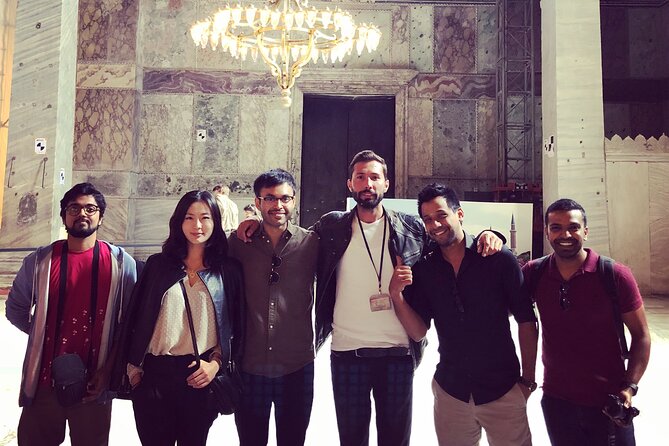
- Upper gallery access only: you see the mosaics and details from the designated visiting areas, not the prayer floor.
- Byzantine + Islamic details in one view: mosaics, calligraphy, and later additions all show up in the same circuit.
- Osman’s humor keeps it moving: history and fun facts stay balanced so the hour doesn’t drag.
- Small group size (max 10): it’s easier to ask questions and actually hear what’s going on.
- 1 hour on site: a short visit that works well even if you’re also doing other Istanbul sights.
Worth putting side by side with this Istanbul pick:


Hagia Sophia in one hour: what you’re really signing up for
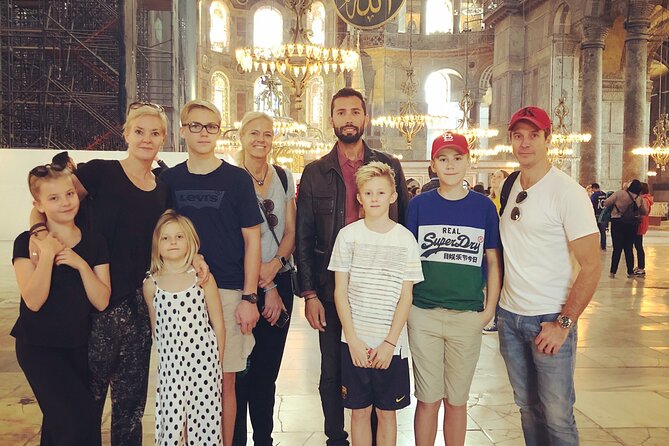
This is a guided Hagia Sophia visit that runs about an hour. The format is simple: you meet up in Sultanahmet, walk in with the group, and focus your time where the best interpretive details are concentrated—particularly the upper gallery areas.
Think of it as a guided “map” for your own wandering afterward. Even if Hagia Sophia is already on your must-see list, the building can feel like you’re just looking at a lot of stone and art. The guide helps you connect what you’re seeing to what the space was used for, over and over.
And yes, there’s a practical perk: when the tour ends, you’re welcome to stay inside longer. That’s useful because Hagia Sophia rewards slow looking, and a one-hour tour is never the whole story.
Inside the upper gallery: mosaics, calligraphy, and small clues you’d miss
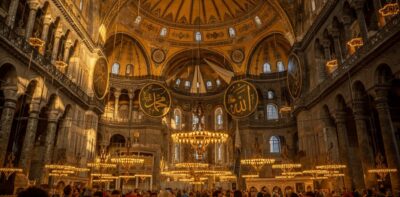
If you love visual details, this part is the star. The route centers on the upper gallery, where the Byzantine legacy is especially visible. You’re looking at some of the most striking mosaics and interior elements from the building’s earlier Christian era.
At the same time, you’ll notice Islamic elements that came later and shaped how the space looks and feels today. The effect is not “either/or.” It’s more like you’re studying layers—Christian imagery and Islamic additions standing side by side, plus calligraphy that changes the mood of the room.
A few specific things you should keep an eye out for during the stop:
- Byzantine mosaics in the upper levels, including the kind of images that make Hagia Sophia feel like an illustrated book of belief
- Islamic calligraphies and other later visual additions
- Symbols and small details tied to the building’s past uses
- Coronation area references connected with Byzantine emperors (the guide helps you spot what matters)
- Even hidden Viking graffiti that you can spot once someone points it out
That last one is a perfect example of why a guide helps here. The graffiti isn’t obvious to everyone, and spotting it without context can feel like you’re just noticing random marks. With guidance, it becomes part of the human story of how the site has been visited across centuries.
The Christian-to-mosque story: why this guide approach works
Hagia Sophia is famous, sure. But fame can be a trap. You arrive expecting one big impression, then spend the rest of your time trying to figure out what you’re supposed to notice.
This tour uses a “beginning to today” approach, so the building doesn’t stay frozen in your mind as a single postcard view. You get a clear explanation of how the space functioned for Christians, then later became a mosque again, and how Byzantine mosaics remain part of what you see now.
The guide’s style matters here. Osman’s humor and storytelling keep the tone light while still covering serious context. I like this kind of pacing because it prevents the visit from feeling like a test. Instead, it turns into a conversation you can carry with you as you look around.
The result is that your eyes start to work differently. You don’t just look up and move on. You start noticing which features belong to which era and how the room’s meaning changed over time.
- Best of Istanbul 1, 2 or 3-Day Private Guided Istanbul Tour★ 5.0 · 8,922 reviews
- Istanbul: Basilica Cistern Fast-Track Entry and Audio Guide★ 4.6 · 7,521 reviews
- Istanbul: Hagia Sophia Skip-the-Line Ticket & Museum Option★ 3.7 · 4,958 reviews
- Istanbul: Hodjapasha Whirling Dervishes Show & Exhibition★ 4.4 · 4,790 reviews
Osman’s storytelling: history + fun facts without the lecture feeling
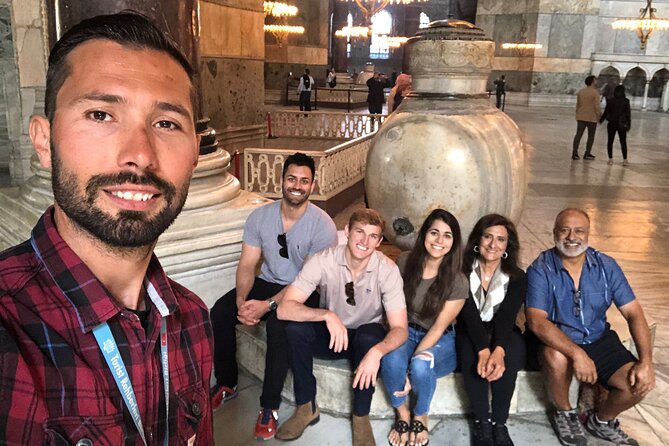
One of the strongest reasons to book is how the tour is delivered. Osman comes across as both entertaining and easy to follow—a rare combo in Istanbul’s busiest sites.
The balance is what stands out. You get serious historical context, but the guide also adds lighter “how did that happen?” bits that make the architecture feel less distant. That matters because Hagia Sophia is huge. Without guidance, it’s easy to feel lost in scale.
Osman’s method also helps if you plan to visit other nearby landmarks after this. The stories don’t stay locked inside Hagia Sophia. They give you a better framework for understanding Istanbul as a whole—so when you walk from place to place, the city starts to feel like one connected story rather than a list of stops.
Price and logistics: is $40 good value here?
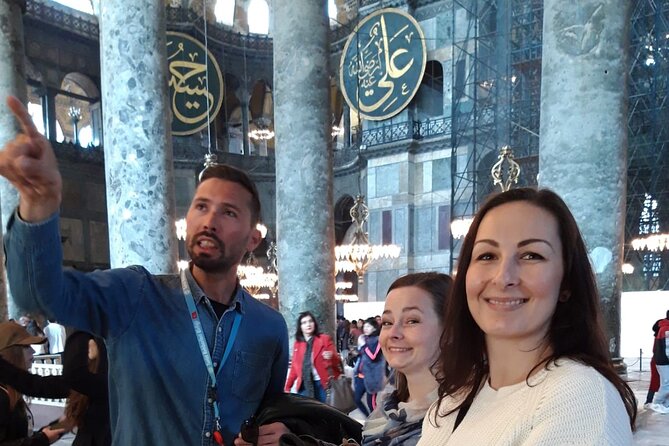
At $40 per person, the guided part is clearly positioned as a budget-friendly way to get real context. The tour includes the guiding service, and the group is small—up to 10 travelers—which usually helps the experience stay personal.
The key detail: admission is not included in the $40. You’ll need to pay an additional admission ticket fee (listed as €25 per person, skip the line). The good news is that tickets are arranged in advance, so you’re not stuck wasting your prime time in a queue.
So what’s the value equation?
- You pay for guidance and a focused route (which is the part that changes your experience most).
- You also pay for entry separately, but advance handling helps reduce waiting.
If you’re the type who reads signs but wants someone to point you to the most important details and translate what you’re looking at, the $40 + ticket fee setup can be a solid deal. If you already have a very strong independent plan and prefer full control with zero structured time, you might feel the guidance portion is less necessary.
Where you meet in Sultanahmet (and why it matters)
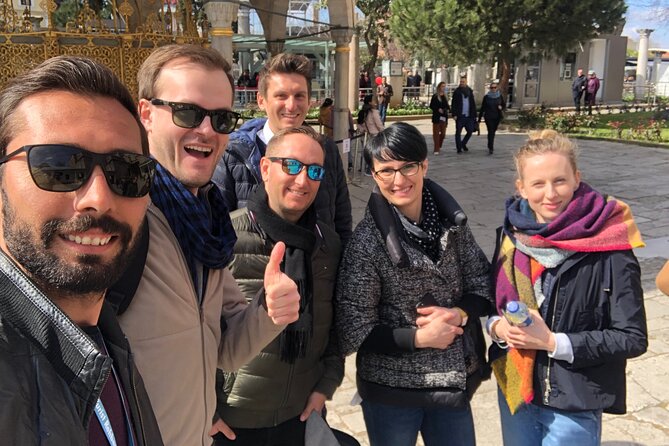
The meeting point is the Fountain of Sultan Ahmed III in Sultanahmet Meydanı (near Topkapı Sarayı). The location is convenient because it puts you right in the heart of the historic area, not across town.
The tour ends back at the meeting point, which is handy if you’re building a day itinerary around other nearby sites. Also, it’s near public transportation, so you can fit this into a day without wrestling with long commutes.
Because the tour is only about an hour, the meeting point timing is important. If you arrive late, you can lose part of the guided circuit. For a stop this packed, you want to be there ready to go.
Group size, language, and pace: who this fits best
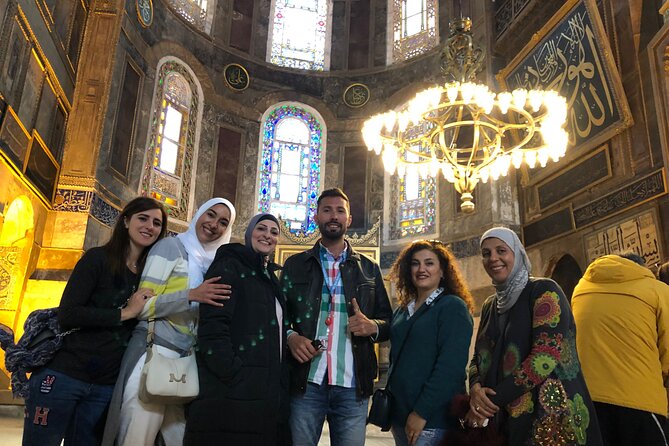
This is offered in English and has a maximum group size of 10. That small cap is a big deal in a place like Hagia Sophia. Smaller groups mean fewer people crowding the guide, and it’s easier for you to hear the story while still being able to look up at what matters.
Most travelers can participate. The pace is built for a short, focused visit—so it works well if you want Hagia Sophia as one strong highlight without spending your whole day there.
The big limitation is access style. You’ll be in the upper visiting areas, not the prayer area. That’s totally fine for most people because the mosaics and interpretive details are still the main draw. But if you’re specifically trying to experience every section inside, you’ll want to know you’re not getting full breadth here.
Strollers and on-site movement: the practical constraint to plan for
If you’re traveling with a young child, the stroller rule is simple: you can’t take a stroller inside. A foldable one is okay as long as you can carry it with you.
This isn’t just a “heads up.” It can change your day. Hagia Sophia is not the kind of site where you can easily park gear and move on. If this affects you, consider traveling with a lighter setup or plan for extra carrying.
Even without a stroller, wear shoes you’ll be comfortable in. You’ll want to look up and move around the upper gallery circuit, and Hagia Sophia rewards people who can pause often.
Practical tips to make the most of the hour
You’ll get the most from this tour if you think like a detective for the first 60 minutes. The guide is pointing out details that are hard to spot on your own, like the smaller symbols and specific references tied to earlier uses of the building.
A couple of practical approaches that help:
- Keep your eyes up when you’re in the upper levels, since many of the key mosaics and calligraphy features are visible from there.
- Listen for the part where the guide tells you what you’re looking at and why it matters—then recheck with your own eyes.
- After the tour ends, stay longer only if you still feel curious. Hagia Sophia can easily eat your time in the best way.
Also, since this is an active mosque again, plan on following any instructions from site staff. You’ll get the best flow when you adapt quickly and don’t fight the flow inside.
Should you book this Hagia Sophia guided visit?
Book it if you want Hagia Sophia to feel clear, not chaotic. This tour is a strong choice when you like learning the story as you look—especially with Osman’s humor and the focus on the upper gallery mosaics and Islamic details. It’s also a good fit if you’re pairing Hagia Sophia with other nearby Istanbul sights, since you’ll carry the context with you.
Skip it or consider an alternative if:
- you specifically want access to the prayer area (this one doesn’t do that), or
- you prefer a purely self-guided experience where you don’t want a structured circuit for your one visit.
If your goal is a high-impact first look—plus the “why” behind what you’re seeing—this is a smart, value-leaning way to do it.
FAQ
How long is the Hagia Sophia guided tour?
The tour lasts about 1 hour.
Is the admission ticket included in the $40 price?
No. The admission fee is not included in the $40 per person price. A ticket fee of €25 per person is listed separately, and skip-the-line tickets are handled in advance.
Which areas of Hagia Sophia can I visit on this tour?
You can visit the upper gallery visiting area only. The tour does not include entry to the prayer area.
What language is the guided tour offered in?
The tour is offered in English.
Where do I meet for the tour?
You meet at the Fountain of Sultan Ahmed III in Sultanahmet Meydanı near Topkapı Sarayı, Cankurtaran, 34122 Fatih/İstanbul, Türkiye.
Can I bring a stroller?
You can’t take a stroller inside. A foldable stroller can be carried with you.
More Guided in Istanbul
- Istanbul: Daytime or Sunset Sightseeing Cruise & Audio Guide★ 4.8 · 14,430 reviews
- Best of Istanbul 1, 2 or 3-Day Private Guided Istanbul Tour★ 5.0 · 8,922 reviews
- Istanbul: Basilica Cistern Fast-Track Entry and Audio Guide★ 4.6 · 7,521 reviews
- Topkapi Palace and Harem Skip-the-Line-Tickets & Audio Guide★ 4.3 · 4,745 reviews
- Istanbul: Bosphorus Sightseeing Cruise Tour with Audio Guide★ 4.6 · 4,704 reviews
- Istanbul: Blue Mosque & Hagia Sophia Guided Tour w/ Tickets★ 4.8 · 3,600 reviews
More Tours in Istanbul
- Best of Istanbul 1, 2 or 3-Day Private Guided Istanbul Tour★ 5.0 · 8,922 reviews
- Istanbul: Bosphorus Sightseeing Cruise Tour with Audio Guide★ 4.6 · 4,704 reviews
- Istanbul: Blue Mosque & Hagia Sophia Guided Tour w/ Tickets★ 4.8 · 3,600 reviews
- Istanbul: Blue Mosque, Hagia Sophia, & Old Town Walking Tour★ 4.8 · 2,372 reviews
- Istanbul: Princes Islands Tour with Heybeliada and Buyukada★ 4.4 · 2,305 reviews
- Istanbul: Basilica, Hagia Sophia, Blue Mosque Tour & Cruise★ 4.5 · 1,929 reviews
More Tour Reviews in Istanbul
- Istanbul: Bosphorus Dinner Cruise & Show with Private Table★ 4.8 · 62,058 reviews
- Istanbul: Daytime or Sunset Sightseeing Cruise & Audio Guide★ 4.8 · 14,430 reviews
- Istanbul: Bosphorus Dinner Cruise & Turkish Night Show★ 4.8 · 12,954 reviews
- Best of Istanbul 1, 2 or 3-Day Private Guided Istanbul Tour★ 5.0 · 8,922 reviews
- Istanbul: Basilica Cistern Fast-Track Entry and Audio Guide★ 4.6 · 7,521 reviews
- Istanbul: Hagia Sophia Skip-the-Line Ticket & Museum Option★ 3.7 · 4,958 reviews
Fresh off the boat: new Istanbul reviews


Guided, compared.
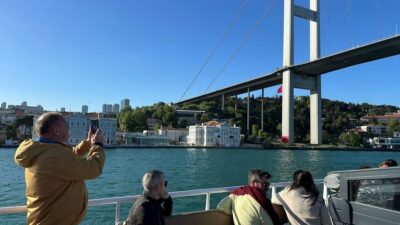 ★ 4.8Daytime or Sunset Sightseeing Cruise & Audio GuideFrom $814,430 reviews
 ★ 5.0Best of Istanbul 1, 2 or 3-Day Private Guided Istanbul TourFrom $1008,922 reviews
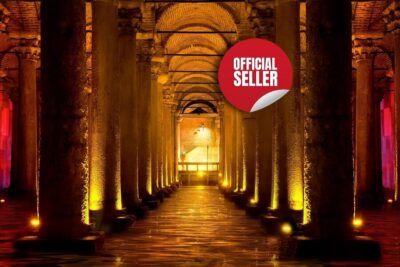 ★ 4.6Basilica Cistern Fast-Track Entry and Audio GuideFrom $447,521 reviews
 ★ 4.3Topkapi Palace and Harem Skip-the-Line-Tickets & Audio GuideFrom $814,745 reviews
 ★ 4.6Bosphorus Sightseeing Cruise Tour with Audio GuideFrom $74,704 reviews
 ★ 4.8Blue Mosque & Hagia Sophia Guided Tour w/ TicketsFrom $393,600 reviews
 ★ 4.3Hagia Sophia Entry Ticket with Audio GuideFrom $332,854 reviews
 ★ 4.9Bosphorus Sunset Cruise on Yacht with Live GuideFrom $192,845 reviews