
REVIEW · TOURS
Istanbul Sahaba Tombs Tour
Sahaba tombs in Istanbul feel personal fast. This private Istanbul Sahaba Tombs Tour links major sites across old Constantinople with the stories of the Prophet Mohammed’s companions, right through the Eyup Sultan area and beyond. I especially like the hotel pickup convenience and the way an English-speaking guide helps you connect each location to the wider Islamic past.
What also stands out is the focus on respectful, place-based learning: multiple Sahaba mazars in short, meaningful stops, plus admission tickets listed as free for the key visits. The one thing to keep in mind is that you’ll be on your feet for several hours and you’ll want good weather, since the tour depends on it.
In This Review
- Quick take: what makes this tour worth your time
- Why Istanbul’s Sahaba sites matter beyond the names
- Price and logistics: what you’re paying for at $173.64
- Eyup Sultan Mosque route: the Underground Mosque and the long list of mazars
- Underground Mosque (Karakoy area) and three Sahaba tombs
- Egrikapi area: Abdullah El-Hudri in front of old city walls
- The Eyup Sultan-side tomb cluster: multiple mazars in one flow
- Abu Ayyub Al-Ensari: Halid bin Zeyd (RA) as the anchor
- Hazreti Kab Mescidi and the Cabir stops: hadith meets place
- Hazreti Kab Mescidi: Kab Bin Malik (RA)
- Hz. Cabir Camii and the hadith detail (1540)
- Muhammad El Ensari Turbesi and Yeraltı Camii: shorter stops, strong atmosphere
- Muhammad el Ensari Tomb (Turbesi)
- Yeraltı Camii: mazars of three Sahaba
- The Walls of Istanbul: understanding the mission behind the stones
- What the guide does that makes or breaks the tour
- How to plan your day: walking, clothing, and time control
- Who this Istanbul Sahaba Tombs Tour is best for
- Should you book it?
- FAQ
- How long is the Istanbul Sahaba Tombs Tour?
- Is hotel pickup included?
- Are tickets required for the stops?
- What’s included in the tour price?
- What’s not included?
- How large is the group?
- What happens if the weather is poor?
Quick take: what makes this tour worth your time
- Hotel pickup plus air-conditioned vehicle keeps the day low-stress and easy to manage.
- Eyup Sultan Underground Mosque visits bring you close to several Sahaba tombs in one area.
- Abu Ayyub Al-Ensari (Halid bin Zeyd) is a major anchor stop for understanding why the Sahaba came to Istanbul.
- Hz. Cabir Camii and the Cabir Mazar connect the site visit to hadith scholarship (1540 hadith is mentioned).
- Walls of Constantinople give you the map context behind the Sahaba mission, not just names and dates.
- Small group size (max 14) helps keep the tour conversational and on schedule.
Still deciding? Here is how a few Istanbul favourites compare with this one:


Why Istanbul’s Sahaba sites matter beyond the names
If you’re trying to understand Istanbul through religion and early Islamic movement, this tour helps you do it in a practical way. Instead of treating the city like a museum, you’re moving site-to-site where faith history is physically represented—mosques, mazars, and the spaces around the old city walls.
The Sahaba connection to Istanbul matters because it ties a local place to a larger story: how early companions and scholars traveled, settled, and left spiritual traces in Constantinople—the city name people used back then. When your guide is working with the right sites in the right order, the places stop feeling random. They start feeling like evidence.
And that is the real value here. You’re not only seeing religious architecture. You’re learning why these individuals are honored here, and how their memory is kept alive through tombs and worship spaces you can actually visit.
Price and logistics: what you’re paying for at $173.64
At $173.64 per person for a roughly 4 to 5 hour private tour, the best way to judge value is by what’s included and what you avoid.
You get:
- Hotel pickup
- An air-conditioned vehicle
- An English-speaking guide
- A mobile ticket
You do not get:
- Lunch
So you’re paying mostly for guided time and transportation, not for entry fees. The itinerary’s key admissions are listed as free, which helps keep the day predictable. If you’ve ever done religious-site tours where half the cost quietly disappears into tickets and “extras,” this one feels more straightforward.
The other value point is time. With hotel pickup and an efficient route, you spend fewer hours negotiating transit and more hours listening, walking, and paying attention to details at each stop.
Eyup Sultan Mosque route: the Underground Mosque and the long list of mazars
This is the heart of the day. Most of the tour’s meaningful walking happens around the Eyup Sultan area, with a special sequence that connects several tomb locations that feel like they’re spread across layers of the city.
- Best of Istanbul 1, 2 or 3-Day Private Guided Istanbul Tour★ 5.0 · 8,922 reviews
- Istanbul: Basilica Cistern Fast-Track Entry and Audio Guide★ 4.6 · 7,521 reviews
- Istanbul: Hagia Sophia Skip-the-Line Ticket & Museum Option★ 3.7 · 4,958 reviews
- Istanbul: Hodjapasha Whirling Dervishes Show & Exhibition★ 4.4 · 4,790 reviews
Underground Mosque (Karakoy area) and three Sahaba tombs
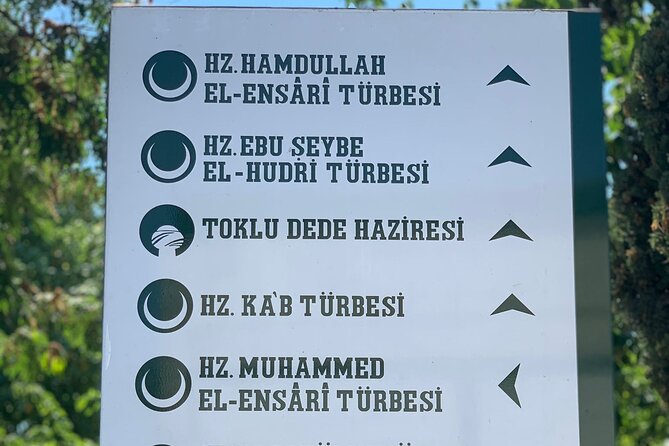
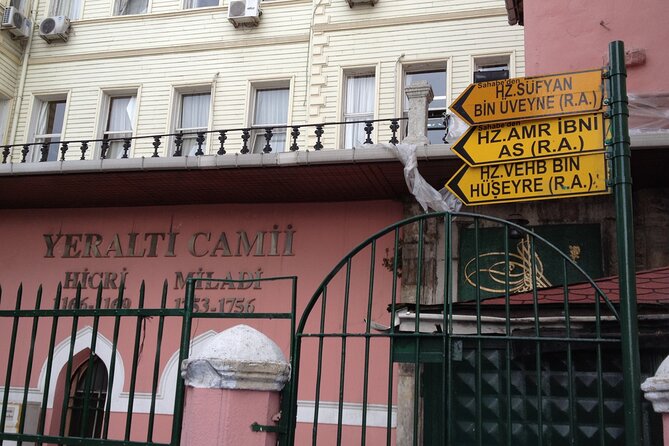
You start in the Karakoy side with a visit to an Underground Mosque where three Sahaba tombs are located:
- Hz. Vehb Bin Huseyre (RA)
- Amr Bin As (RA)
- Sufyan Bin Uyeyne (RA)
The “underground” element is important, not just for atmosphere. It changes how the space feels. You’re moving from regular street-level city life to a quieter, more grounded setting where these figures are remembered. If you like religious architecture that feels like it has layers of time, this stop delivers.
Egrikapi area: Abdullah El-Hudri in front of old city walls
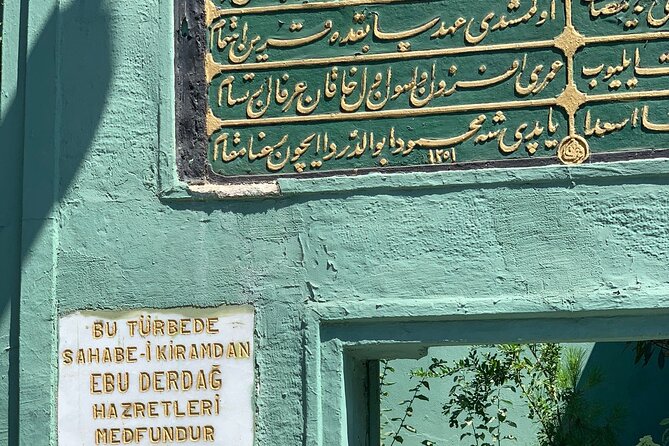
Next you move toward Egrikapi, visiting Abdullah El-Hudri (RA), noted as being located right in front of the old city walls.
This is one of those moments where context matters. When you see a tomb positioned near the old defenses of Constantinople, the story starts to make more sense: this wasn’t an abstract chapter. It was a city with boundaries, movement, and travel corridors—so the Sahaba presence isn’t just symbolic. It’s tied to where people could live, gather, and be remembered.
The Eyup Sultan-side tomb cluster: multiple mazars in one flow
Still in the Eyup Sultan circuit, the route continues through additional tomb visits, including:
- Haceti Hafir (RA)
- Abdulsiddik Bin Amir (RA)
- Sube (RA)
- Edhem (RA)
- Arpaci Hayreddin (RA)
- Abdulrahman (RA)
- Abu Derdag (RA)
That long list can sound like a “checklist tour” before you go. But the reason it works is the way the stops are structured as a continuous walk. If your guide is doing their job well, you’re not just collecting names—you’re hearing how different companions and scholars fit into the larger early Islamic era.
Abu Ayyub Al-Ensari: Halid bin Zeyd (RA) as the anchor
Then you continue to the Ayyub Sultan area for a key stop: Halid bin Zeyd’s tomb, also known as Abu Ayyub Al-Ensari (RA).
This site is presented as the best-known Sahaba connection in the tour, and the guide frames it as a place where the Prophet Mohammed stayed in his home for a period. Even if you already know the broad story, this is still the sort of stop that makes the relationship feel tangible—because you’re standing at the remembered location, surrounded by the devotional atmosphere that has grown around it over time.
Hazreti Kab Mescidi and the Cabir stops: hadith meets place
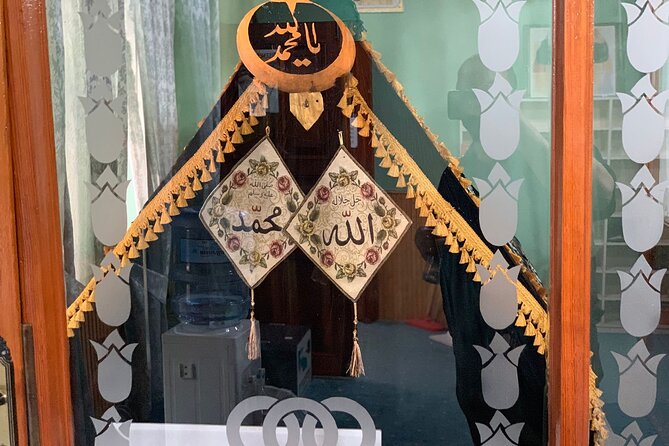
After the Eyup Sultan core, the itinerary shifts into shorter, focused visits that still carry big weight.
Hazreti Kab Mescidi: Kab Bin Malik (RA)
At Hazreti Kab Mescidi, you visit the Kab Bin Malik Mazar. This stop is shorter (about 30 minutes), but that’s a good match for this style of tour. You’re not rushing through everything; you’re giving each important figure their moment and keeping the day coherent.
If you’re the kind of traveler who enjoys quick stops when the content is specific, this portion will feel efficient. If you prefer to linger and photograph for long stretches, you might want to pace your attention and ask your guide what’s most important to remember here.
Hz. Cabir Camii and the hadith detail (1540)
One especially distinctive stop is at Hz. Cabir Camii and the Mazar of Hz. Cabir, described as someone who spread 1540 hadith.
That detail is the kind of thing that turns a tomb visit into a learning checkpoint. Instead of just hearing that someone is honored, you get a concrete scholarly contribution tied to early transmission of hadith. If hadith studies, early scholarship, or historical religious learning are what you care about most, this stop is likely to be a highlight.
Muhammad El Ensari Turbesi and Yeraltı Camii: shorter stops, strong atmosphere
The next phase of the tour keeps momentum without turning the day into a sprint.
Muhammad el Ensari Tomb (Turbesi)
At Muhammad El Ensari Turbesi, the visit to the Muhammad el Ensari Tomb is very short (about 10 minutes).
In a tour like this, short doesn’t necessarily mean less meaningful. Often, these brief stops work best when you treat them as pauses: you stand, you listen, you absorb the guide’s explanation, and you move on. If you go in expecting a long lecture at every tomb, you’ll likely feel impatient. If you treat each stop like a focused chapter, the pacing feels right.
Yeraltı Camii: mazars of three Sahaba
Then you visit Yeralti Camii (Yeraltı Camii), with time listed around 20 minutes for seeing mazars of three Sahabas.
You’ve already seen the “underground” theme earlier in the day, so this becomes a kind of echo. The itinerary is effectively showing you that Istanbul’s devotional geography includes places that feel literally layered below the city’s everyday surface.
If you like atmosphere and symbolism, these repeated motifs—underground, tombs, worship spaces—make the tour feel like a connected experience rather than separate errands.
The Walls of Istanbul: understanding the mission behind the stones
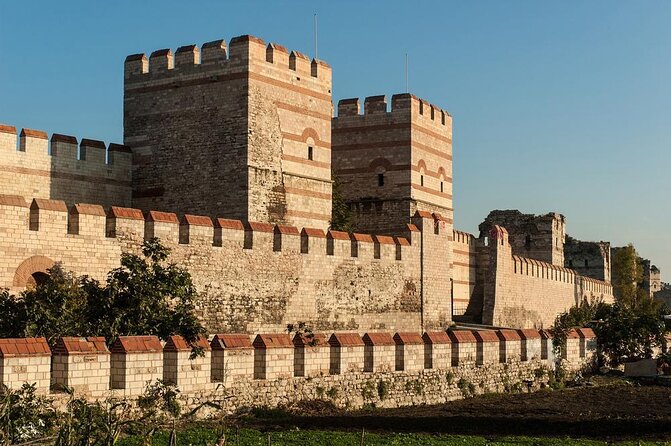
The final stop is not another tomb. It’s the Walls of Istanbul, described as the Walls of Constantinople, with about 20 minutes allocated to connect the setting to the Sahabas’ mission to Istanbul.
This portion is important because it helps you leave with a stronger mental map. You’re not only memorizing names from different stops; you’re learning how the city’s boundaries, structure, and strategic position would have shaped movement and settlement.
If you’ve ever walked around Istanbul and thought, I know it was important, but I’m not sure how—this is the corrective. You get a direct explanation tying the Sahaba presence to the city’s physical reality: walls, defenses, and the logic of a place where people arrived, lived, and were remembered.
What the guide does that makes or breaks the tour
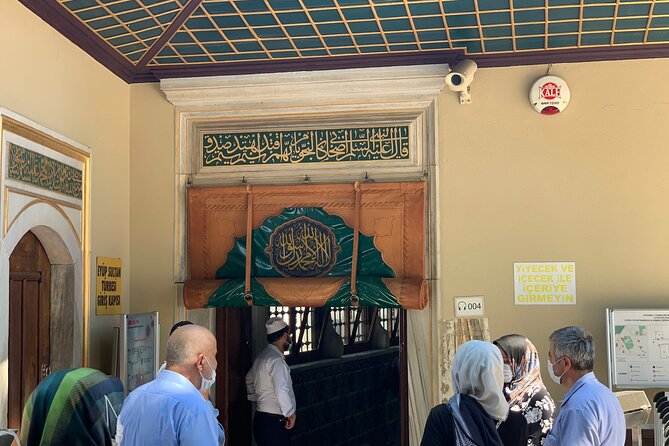
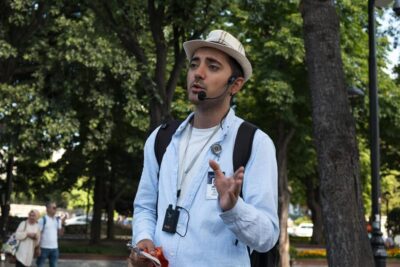
This is labeled as a private religious tour with an English-speaking guide, and that matters more than you might think.
At locations like these—where people come to reflect, pray, and honor revered figures—your guide can shape the tone. A strong guide helps you:
- Understand which Sahaba is connected to each location
- Grasp why Istanbul/Constantinople enters the story
- Stay respectful while still learning clearly
The best moments are usually the ones where the guide turns a tomb visit into a story you can hold in your head. That’s the difference between “I saw a place” and “I understand why it exists in this city.”
How to plan your day: walking, clothing, and time control
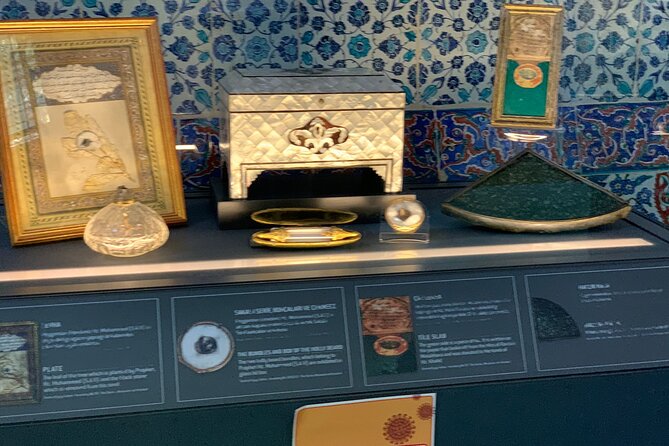
This tour asks for moderate physical fitness. It’s not described as a heavy hiking route, but it is a multi-stop circuit across Istanbul sites. You’ll be walking, standing, and moving between mosque areas, tomb clusters, and viewpoints connected to the old walls.
A few practical tips to make it smoother:
- Wear comfortable shoes with good grip. Old-city areas can be uneven.
- Keep your clothing respectful for mosque settings. You don’t want to spend time worrying mid-visit.
- Bring a light layer. Even on warmer days, religious spaces can feel cooler.
- Since lunch isn’t included, plan a simple meal before or after. You’ll enjoy the tour more if you’re not hungry but also not trying to eat on the go during the most important stops.
If you’re traveling in a group, this is one of those tours where you’ll get more from active listening than from constant photos. Take a few photos, then give your attention to the guide’s explanations.
Who this Istanbul Sahaba Tombs Tour is best for
This tour fits you best if:
- You want a religious, story-based way to see Istanbul rather than a purely sightseeing route
- You’re interested in the Sahaba era and why Istanbul (Constantinople) appears in that conversation
- You appreciate a structured day with multiple short-but-focused visits
- You’d rather have a guide translate the meaning of each location than just read signage on your own
You might not love it as much if you:
- Want lots of free time to wander independently for long periods
- Prefer a more general museum-style tour with fewer religious stops
- Need a fully accessible, step-free route (moderate physical fitness is requested)
That said, if your goal is learning tied to specific places, this itinerary is built for that.
Should you book it?
Yes—if you want a meaningful, respectful Istanbul experience built around Sahaba tombs, guided in English, with hotel pickup and admissions listed as free for the main visits. The route is designed so you don’t just hear names—you get the connective tissue: underground mazars, the Abu Ayyub Al-Ensari anchor, the hadith-linked Cabir site, and finally the Walls of Constantinople to give the whole story a city-scale perspective.
Before you book, check your schedule fit and weather expectations. Because the tour depends on good weather, it’s best when your day is flexible enough to handle a shift.
If you’re going for spiritual and historical understanding in a tight 4 to 5 hour window, this is one of those tours that can feel like it gives you more than it costs.
FAQ
How long is the Istanbul Sahaba Tombs Tour?
The tour duration is listed as approximately 4 to 5 hours.
Is hotel pickup included?
Yes. Hotel pickup is included.
Are tickets required for the stops?
Admission tickets are listed as free for the stops shown in the itinerary.
What’s included in the tour price?
The tour includes an air-conditioned vehicle and an English-speaking guide, with pickup offered and a mobile ticket.
What’s not included?
Lunch is not included.
How large is the group?
There is a minimum of 2 people required, and the tour has a maximum of 14 travelers.
What happens if the weather is poor?
The tour requires good weather. If it’s canceled due to poor weather, you’ll be offered a different date or a full refund.
More Tours in Istanbul
- Best of Istanbul 1, 2 or 3-Day Private Guided Istanbul Tour★ 5.0 · 8,922 reviews
- Istanbul: Bosphorus Sightseeing Cruise Tour with Audio Guide★ 4.6 · 4,704 reviews
- Istanbul: Blue Mosque & Hagia Sophia Guided Tour w/ Tickets★ 4.8 · 3,600 reviews
- Istanbul: Blue Mosque, Hagia Sophia, & Old Town Walking Tour★ 4.8 · 2,372 reviews
- Istanbul: Princes Islands Tour with Heybeliada and Buyukada★ 4.4 · 2,305 reviews
- Istanbul: Basilica, Hagia Sophia, Blue Mosque Tour & Cruise★ 4.5 · 1,929 reviews
More Tour Reviews in Istanbul
- Istanbul: Bosphorus Dinner Cruise & Show with Private Table★ 4.8 · 62,058 reviews
- Istanbul: Daytime or Sunset Sightseeing Cruise & Audio Guide★ 4.8 · 14,430 reviews
- Istanbul: Bosphorus Dinner Cruise & Turkish Night Show★ 4.8 · 12,954 reviews
- Best of Istanbul 1, 2 or 3-Day Private Guided Istanbul Tour★ 5.0 · 8,922 reviews
- Istanbul: Basilica Cistern Fast-Track Entry and Audio Guide★ 4.6 · 7,521 reviews
- Istanbul: Hagia Sophia Skip-the-Line Ticket & Museum Option★ 3.7 · 4,958 reviews
Fresh off the boat: new Istanbul reviews

Tours, compared.
 ★ 5.0Best of Istanbul 1, 2 or 3-Day Private Guided Istanbul TourFrom $1008,922 reviews
 ★ 4.6Bosphorus Sightseeing Cruise Tour with Audio GuideFrom $74,704 reviews
 ★ 4.8Blue Mosque & Hagia Sophia Guided Tour w/ TicketsFrom $393,600 reviews
 ★ 4.8Blue Mosque, Hagia Sophia, & Old Town Walking TourFrom $712,372 reviews
 ★ 4.4Princes Islands Tour with Heybeliada and BuyukadaFrom $182,305 reviews
 ★ 4.5Basilica, Hagia Sophia, Blue Mosque Tour & CruiseFrom $681,929 reviews
 ★ 4.5Blue Mosque Guided TourFrom $191,910 reviews
 ★ 4.1Bursa & Uludag Tour with Lunch & Cable Car OptionFrom $301,879 reviews