
REVIEW · COOKING CLASSES
Istanbul: Turkish Baklava Cooking Class with a Local Host
Baklava gets personal in a home kitchen. This Istanbul class teaches you how to make Turkish baklava from scratch, right in a cozy apartment where butter, dough, and warm syrup do the talking.
I loved how practical it feels: you’re not just watching, you’re rolling, layering, and finishing the dessert yourself. Two standouts for me were learning the dough work and getting to share Turkish tea with Rojda, a host who learned her method from her grandmother.
One consideration: this is a kitchen workshop in a private apartment, so you should expect close quarters and real cooking mess (flour on your sleeves, hot syrup getting handled carefully).
In This Review
- Key Things I’d Focus On
- Inside a Cozy Istanbul Apartment, Not a Big Workshop Room
- Meet Rojda: A Grandmother Recipe You Can Actually Make
- The Dough Work: Rolling Thin Layers Without Panic
- Walnut Filling and Warm Syrup: Where Flavor Becomes the Finish
- Tea Pairing and Tasting: Eat Your Results, Not Someone Else’s
- Value and Price: Is $142 Worth It for Three Hours of Cooking?
- Who Should Book This, and Who Might Skip It
- What to Do Before You Go (So You Can Enjoy It More)
- Should You Book It? My Honest Take
- FAQ
- How long is the Turkish baklava cooking class?
- How many people are in the group?
- Who teaches the class?
- Where does the class take place?
- Do you make baklava from scratch?
- Is Turkish tea included?
- Do I get baklava to take home?
- What’s the meeting point like?
- What is the cancellation policy?
- Can I reserve without paying right away?
Key Things I’d Focus On
- Rojda’s grandmother-taught approach to baklava-making, shared in a small home setting
- Layer-by-layer dough rolling that can reach up to about forty thin layers
- Sweet walnut filling followed by warm syrup poured over your baked baklava
- Tea and tasting in the same cozy space where you cooked
- Baklava to take home, so the class doesn’t end when the timer does
Worth putting side by side with this Istanbul pick:
Inside a Cozy Istanbul Apartment, Not a Big Workshop Room
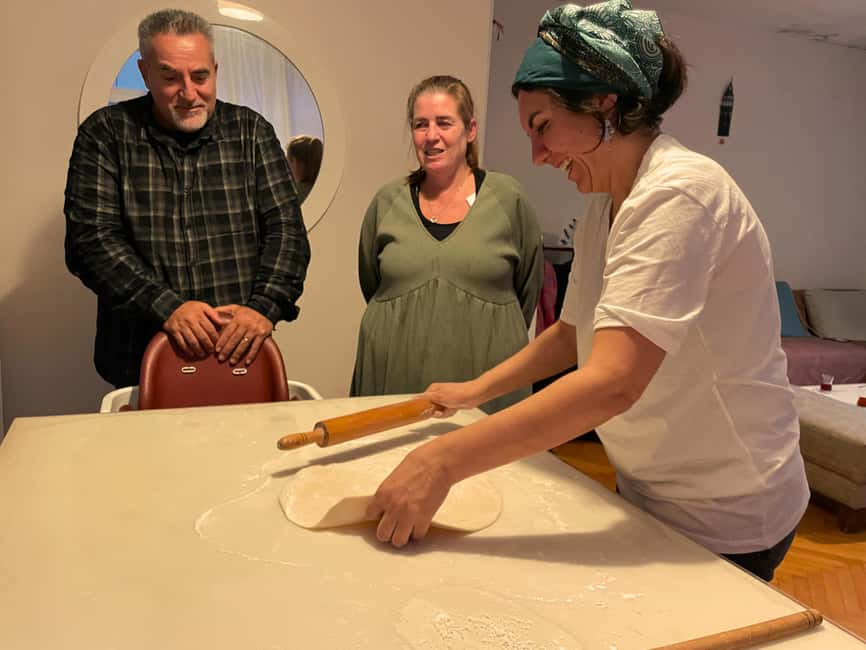
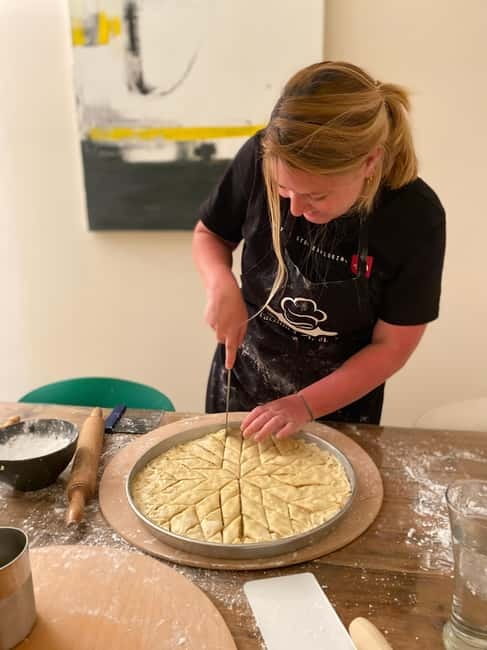
This experience is built around an intimate setting. Instead of a crowded studio, you’re welcomed into a home kitchen. That matters because baklava is fiddly work. Thin dough needs patience, attention, and room to focus, not rushing between stations.
You’ll join a small group of up to six participants. With that size, it’s easier to get guidance when you’re rolling dough or stacking layers, and you’re more likely to actually chat with the host. You also get the quieter, real-life vibe of Istanbul food culture: tea breaks that feel natural, not staged, and a kitchen mood where everyone is doing something with their hands.
Duration is about three hours. That’s long enough to learn the full process (dough, filling, baking, syrup, tasting), but short enough that it stays energetic. If you like experiences where you leave with food, not just photos, this one hits the mark.
Practical note: since it’s a home, plan on dressing like you’ll be cooking. Comfortable clothes help. You’ll probably get flour and you’ll be near warm items while the baklava finishes.
Meet Rojda: A Grandmother Recipe You Can Actually Make
The star here is your host, Rojda. She learned the art of baklava from her grandmother, and that family knowledge is what gives the class its tone. It’s not presented as a food “hack.” It’s taught as a craft.
In a review of this class, the host’s hospitality came up in a big way. After baking, she even offered one guest the chance to join her family and friend for dinner while the baklava was in the oven. That kind of offer isn’t guaranteed in every situation, but it shows you the spirit: this is about sharing food and conversation, not just checking off a recipe.
Also, Rojda teaches in English and Turkish, which helps if you want to ask questions and not just follow along. When you’re working with dough and syrup, small clarifications matter. You’ll want to understand what she’s aiming for as you roll and layer, and language support makes that easier.
If you enjoy learning the “why” behind techniques, this works well. You’re learning the art of baklava-making as a tradition passed down through generations, so it feels personal right away.
The Dough Work: Rolling Thin Layers Without Panic
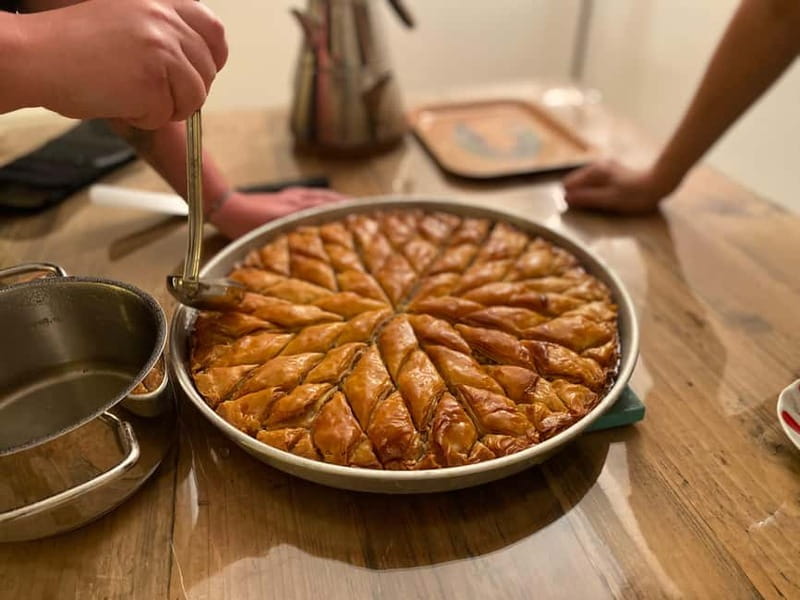
Baklava lives or dies by its layers. In this class, you’ll prepare the dough, then knead and roll it out into delicate sheets. Depending on how the session flows, you may make as many as forty layers.
That’s the part that feels most “bakery-level,” but it’s also the part that you can master with steady practice. The key skill is learning how thin the dough should be without tearing it into sad fragments. You’ll likely get coaching on how to handle the dough as you roll, and you’ll feel the transformation as each sheet becomes more paper-like.
Here’s why this lesson is worth your time: most people only ever eat baklava. They don’t see the muscle and patience behind it. When you’ve rolled layers yourself, you start understanding what “paper-thin” means in real life. And once you’ve done it once, you’re more likely to repeat it at home later.
If you’ve baked before, you might notice something too: even experienced cooks often skip the dough-from-scratch part when they’re short on time. This class focuses on the full build, so you leave with a more complete mental map of the process.
What to keep in mind during the dough stage:
- Take your time. Thin dough isn’t about speed.
- Expect small imperfections. Baklava is forgiving as long as you learn the stacking rhythm.
- Keep things tidy around your workspace so rolling stays easier.
Worth putting side by side with this Istanbul pick:
- Istanbul:Original Turkish Mosaic Lamp Workshop w/ Snacks★ 4.9 · 3,077 reviews
- Istanbul: Perfume Making Workshop with Bosphorus View★ 5.0 · 2,985 reviews
- Istanbul: Turkish Mosaic Lamp Workshop w/ Materials Included★ 5.0 · 2,058 reviews
- Istanbul: Turkish Coffee Making and Fortune Telling Workshop★ 4.9 · 1,308 reviews
Walnut Filling and Warm Syrup: Where Flavor Becomes the Finish
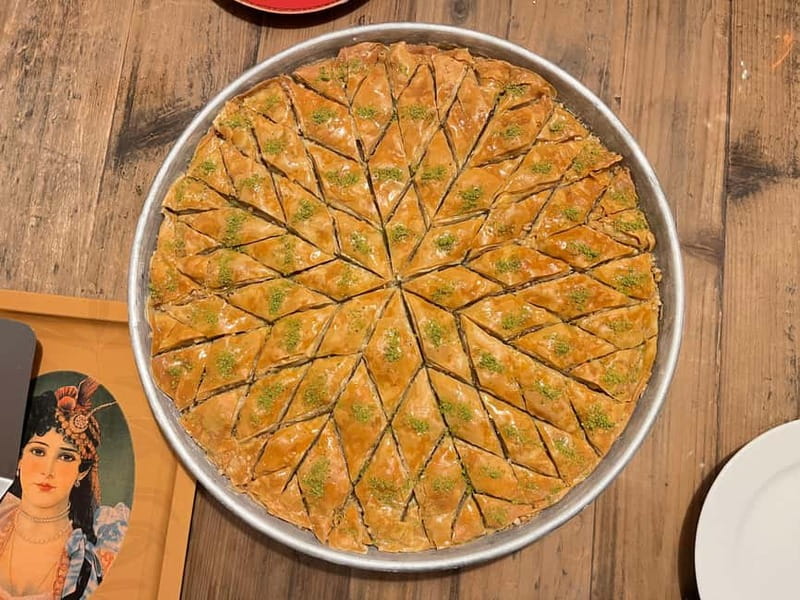
After the layers, you’ll work on the sweet walnut filling. The class includes making this filling, so you’re not relying on store-bought shortcuts. Then comes the signature move: pouring warm syrup over the baked baklava.
This syrup step is where baklava turns from “pastry” into “dessert you can’t stop eating.” The warmth helps it spread and soak through, which is why freshly made baklava tastes different from leftovers that have been sitting too long. In your hands-on session, you get to see how syrup changes the final texture.
You also get the walnut-sweet balance at the center of Turkish baklava. The filling is there for crunch and richness, while the syrup provides sweetness and that sticky finish you want.
And because you’re working in a real kitchen setting, you’ll learn to respect the heat. Syrup is warm and the baked dessert is hot when finished. Follow Rojda’s cues and don’t rush the syrup pour.
Tea Pairing and Tasting: Eat Your Results, Not Someone Else’s
Once your baklava is ready, you taste what you made alongside Turkish tea. This is one of those simple moments that ends up being the best part.
Tea matters here because it balances sweetness and helps reset your palate between bites. It also turns the class into a full cultural meal rhythm, rather than a “cook and run” experience. In a short span, you do a full loop: work with your hands, then sit down and enjoy the result.
You’ll also get baklava to take home. That’s a practical win. You can share it later with family or friends, or keep it for the next day when the flavor settles.
In the hospitality tone of the class, you might even find the host and her circle want to keep you around a bit longer. One guest reported being offered dinner with family and friends while the baklava baked. That’s not a guaranteed promise, but the fact it happened tells you this is the kind of home class where people treat you like a person, not a transaction.
Value and Price: Is $142 Worth It for Three Hours of Cooking?
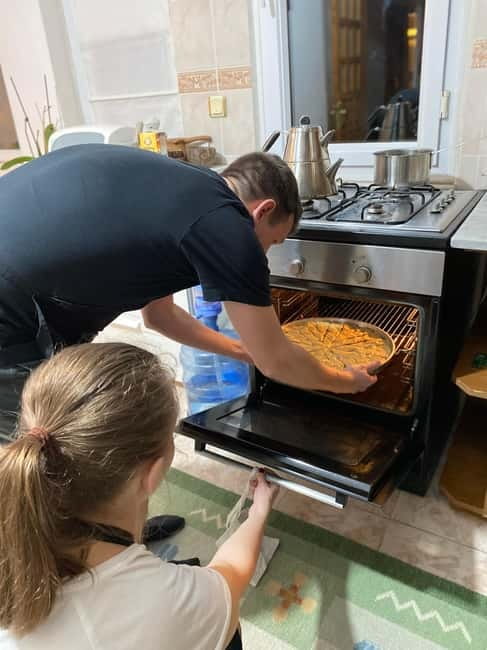
At $142 per person for a three-hour small-group workshop, it’s not a bargain. But it also isn’t overpriced for what you’re getting.
Here’s what you receive that affects value:
- You’re taught to make baklava from scratch, including dough and the walnut filling
- Ingredients are included
- You get tea plus baklava to enjoy
- You receive baklava to take home
- The group is capped at six, which means more hands-on attention than large classes
If you’re comparing it to a basic food tour where you only sample bites, this is different. You’re paying for skill-building and a tangible reward at the end. You leave with something edible and shareable, and you have an experience you can repeat.
If you’re a casual visitor who just wants to taste baklava, you might question the price. But if you want a hands-on cooking story to take home—literally—this class fits. The “from scratch” focus and the syrup-and-layer technique are where the value sits.
Who Should Book This, and Who Might Skip It
I think this class is a great match if you:
- Love baking or want to level up your cooking skills with guided practice
- Want an authentic Istanbul experience in a real home setting
- Prefer small groups and personal attention over crowded demonstrations
- Enjoy learning cultural food traditions through actual technique
It may not be ideal if:
- You dislike cooking or want a purely observational activity
- You avoid walnuts, since the filling is sweet walnut-based
- You get uncomfortable with flour and close kitchen teamwork (it’s a home workshop, not a polished restaurant kitchen)
Also, English and Turkish instruction is a plus, but you’ll still be working through tactile steps. If you’re comfortable with hands-on learning, you’ll likely enjoy it more.
What to Do Before You Go (So You Can Enjoy It More)
You don’t need special gear. But you can make the experience smoother with a few common-sense choices.
Wear comfortable clothes you don’t mind getting flour on. Bring a relaxed attitude—dough work can feel awkward at first, even when you’re trying your best. You’ll do better when you treat it like practice, not a test.
If you’re the type who hates mess, you can still enjoy it. Just think of it as “kitchen craft,” not a spotless event. Wash up after, and plan to change if your clothes are delicate.
One more tip: go hungry, then slow down when tasting. Tea and syrup sweetness can stack fast. You’ll want room to enjoy the full result, not just a quick bite.
Should You Book It? My Honest Take
I’d book this class if you want a hands-on food experience that goes beyond tasting. The focus on dough and paper-thin layering up to about forty sheets, plus walnut filling and warm syrup, gives you real skills. Add a small group size, Turkish tea, and baklava to take home, and you end up with a solid value-for-money cooking memory.
Skip it if you only want a quick taste or you really dislike kitchen mess. This isn’t a sit-and-sip demo. It’s work, tea, laughter, and then the payoff of eating what you made.
FAQ
How long is the Turkish baklava cooking class?
The class lasts about 3 hours.
How many people are in the group?
It’s a small group with a limit of 6 participants.
Who teaches the class?
The instructor is bilingual in English and Turkish.
Where does the class take place?
It takes place in a cozy Istanbul apartment.
Do you make baklava from scratch?
Yes. You’ll prepare the dough, knead and roll the layers, make the sweet walnut filling, and pour warm syrup over the baked baklava.
Is Turkish tea included?
Yes. Tea is included, along with baklava to taste during the class.
Do I get baklava to take home?
Yes. You receive baklava to take home and enjoy later.
What’s the meeting point like?
You will be welcomed at the host’s home.
What is the cancellation policy?
You can cancel up to 24 hours in advance for a full refund.
Can I reserve without paying right away?
Yes. You can reserve now and pay later, with no payment today.
More Workshops in Istanbul
- Istanbul:Original Turkish Mosaic Lamp Workshop w/ Snacks★ 4.9 · 3,077 reviews
- Istanbul: Perfume Making Workshop with Bosphorus View★ 5.0 · 2,985 reviews
- Istanbul: Turkish Mosaic Lamp Workshop w/ Materials Included★ 5.0 · 2,058 reviews
- Istanbul: Turkish Coffee Making and Fortune Telling Workshop★ 4.9 · 1,308 reviews
- Istanbul: Perfume Workshop at Old Wooden Mansion, 80+ Oils★ 4.9 · 1,237 reviews
- Istanbul: Turkish Mosaic Lamp Workshop in Galata – All Included★ 5.0 · 636 reviews
More Cooking Classes in Istanbul
- Private Turkish Cuisine Cooking Class with Local Moms★ 5.0 · 114 reviews
- Traditional Home Cooking with a Local in İstanbul City Center★ 5.0 · 82 reviews
- Traditional Home Cooking with a Local in İstanbul Center★ 4.9 · 78 reviews
- Authentic Turkish Cooking at a Local’s Home in Istanbul★ 4.9 · 24 reviews
- Istanbul: Turkish Cooking Class with a Professional Chef★ 4.8 · 23 reviews
- Cooking Class in Turkey From Istanbul★ 4.5 · 23 reviews
More Tour Reviews in Istanbul
- Istanbul: Bosphorus Dinner Cruise & Show with Private Table★ 4.8 · 62,058 reviews
- Istanbul: Daytime or Sunset Sightseeing Cruise & Audio Guide★ 4.8 · 14,430 reviews
- Istanbul: Bosphorus Dinner Cruise & Turkish Night Show★ 4.8 · 12,954 reviews
- Best of Istanbul 1, 2 or 3-Day Private Guided Istanbul Tour★ 5.0 · 8,922 reviews
- Istanbul: Basilica Cistern Fast-Track Entry and Audio Guide★ 4.6 · 7,521 reviews
- Istanbul: Hagia Sophia Skip-the-Line Ticket & Museum Option★ 3.7 · 4,958 reviews
Fresh off the boat: new Istanbul reviews


Cooking Classes, compared.
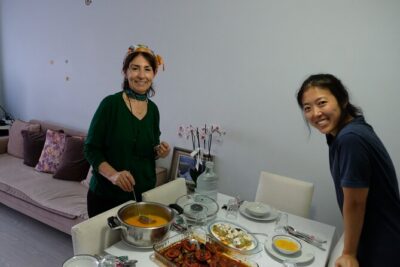 ★ 5.0Private Turkish Cuisine Cooking Class with Local MomsFrom $90114 reviews
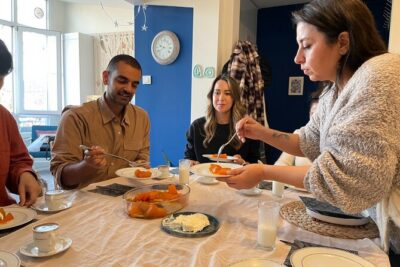 ★ 5.0Traditional Home Cooking with a Local in İstanbul City CenterFrom $8082 reviews
 ★ 4.9Traditional Home Cooking with a Local in İstanbul CenterFrom $12078 reviews
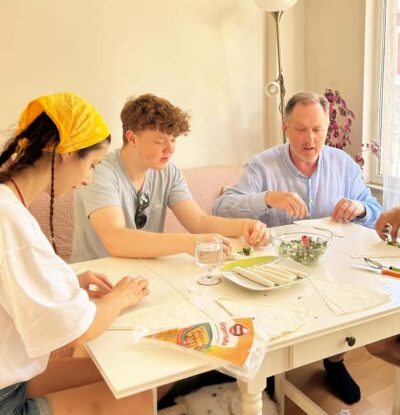 ★ 4.9Authentic Turkish Cooking at a Local’s Home in IstanbulFrom $8424 reviews
 ★ 4.8Turkish Cooking Class with a Professional ChefFrom $12223 reviews
 ★ 4.5Cooking Class in Turkey From IstanbulFrom $30023 reviews
 ★ 5.0Çiğ Köfte Cooking Class/Night with Traditional Music At HomeFrom $6020 reviews
Browse the lists this tour appears in