
REVIEW · COOKING CLASSES
Istanbul: Vegan/Vegetarian Cooking Class with Locals at Home
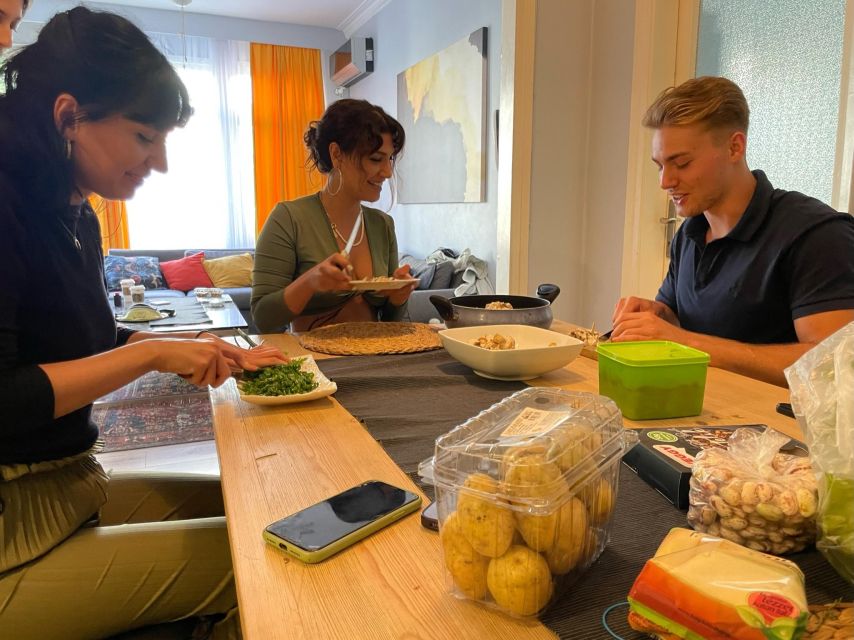
Cooking at a local Istanbul home beats sightseeing. You’ll learn plant-based Turkish classics while sitting down for tea and real conversation. I love the warm, homey welcome and the chance to make dishes like vegan mantı and dolma from scratch. One thing to consider: since it’s at a private home near Taksim, you’ll want to follow the meeting instructions closely so you don’t miss the bell.
This is a small group class (limited to 6), led by an English/Turkish instructor, so you get hands-on attention instead of watching from the side. In the kitchen, the tone stays relaxed and friendly, with you cooking side by side and eating what you make.
The session runs about 2.5 hours, which is long enough to cook properly and still leave you with time to head back out in Istanbul full of stories and ideas for dinner.
Key highlights to know before you go
- Local home setting near Taksim for a truly neighborhood feel
- Tea-and-conversation start that sets a warm, human tone
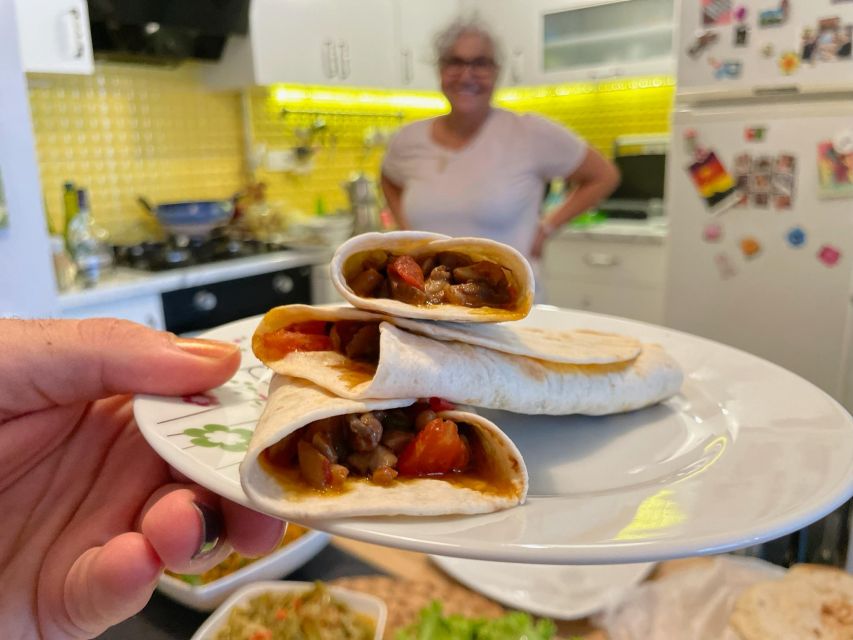
- Vegan mantı and vegan kokoreç taught from scratch
- Dolma made in a home-kitchen rhythm, not a rushed demo
- Plant-based adaptations of Turkish staples explained as you cook
- Small group of 6 max, so you can ask questions while you work
In This Review
- Entering a Local Home Near Taksim (Tea, Talk, and Calm)
- Vegan Kokoreç, Dolma, and Mantı: The Cooking Part That Matters
- Vegan Kokoreç (Street-Food Spirit, Plant-Based)
- Dolma (Stuffed, Rolled, and Made With Patience)
- Mantı (Turkish Dumplings With a Vegan Mindset)
- You’ll also make more dishes
- Plant-Based Turkish Cooking Explained in Real Time
- Tea, Conversation, and Eating What You Cook (The Real Benefit)
- Duration and Group Size: Why 2.5 Hours Works
- Price and Value: What $106 Really Buys You
- Who Should Book This Vegan Cooking Class (And Who Might Not)
- Language and Comfort: English and Turkish in the Kitchen
- Should You Book? My Decision Guide
- FAQ
- How long is the cooking class?
- What dishes will I learn to make?
- Is the class vegan or vegetarian?
- How big is the group?
- Who teaches the class and what languages are used?
- Where do I meet for the class?
- Is there free cancellation?
- Can I reserve and pay later?
Entering a Local Home Near Taksim (Tea, Talk, and Calm)
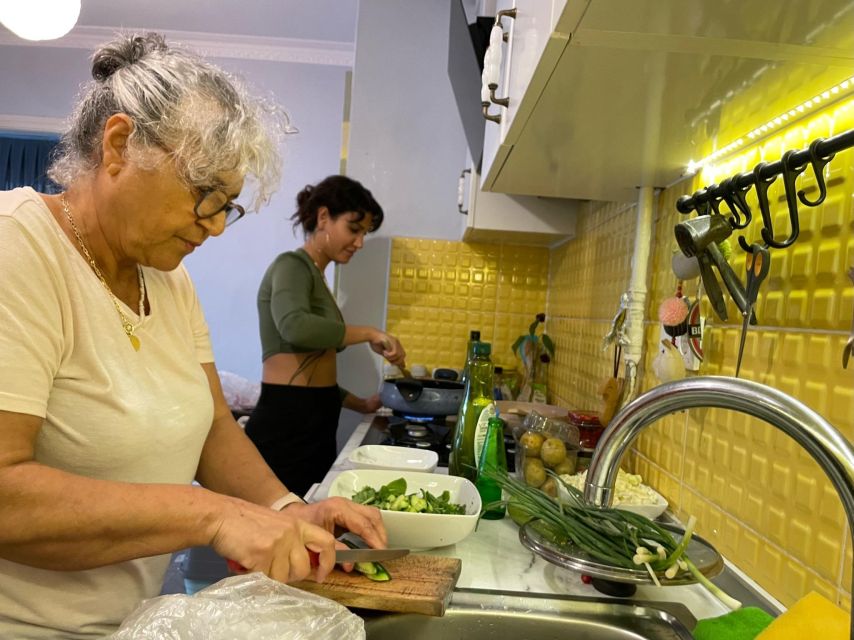
Istanbul has plenty of big-ticket food tours. This one is different because it happens in a real apartment kitchen—cozy, lived-in, and centered around people, not performance.
You’ll meet near Taksim, the most central neighborhood of Istanbul. That matters more than it sounds. You’re not crossing the city for a class in some far-off workshop. You’re close to where you already want to be, so this feels like an evening you can plug into your itinerary without wrecking your day.
When you arrive, expect a warm welcome and a cup of tea or coffee. That first pause is more than hospitality theater. It’s where the class becomes social. You get comfortable, you meet your small group, and you start learning how the host thinks about food—what’s traditional, what’s flexible, and how plant-based versions fit into daily life.
One detail I really like here is the emphasis on conversation and culture exchange. It’s not just a cooking skills lesson. The home setting makes it easier to ask real questions about Istanbul life and Turkish food habits while your hands are busy chopping and mixing.
And because it’s taught by an instructor who speaks English and Turkish, you don’t have to worry about being lost if your Turkish is basic. You can focus on learning the process and tasting what you’re making.
If there’s one practical consideration: it’s a private home. The meeting method is simple but specific—call when you’re there or ring the bell number 11. Give yourself a little extra time and double-check you’re at the right entrance.
Worth putting side by side with this Istanbul pick:

Vegan Kokoreç, Dolma, and Mantı: The Cooking Part That Matters
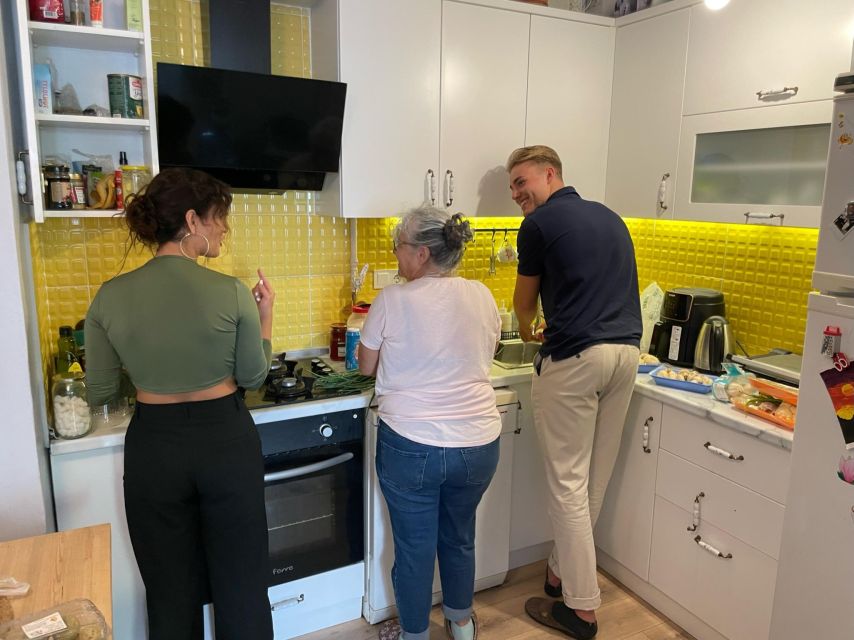
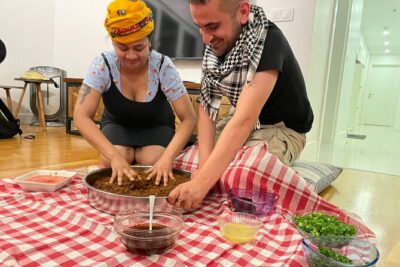
This class is hands-on. You’re not just tasting. You’ll cook side by side with your host and group, learning dishes from scratch and seeing how Turkish flavors translate into vegan/vegetarian versions.
Vegan Kokoreç (Street-Food Spirit, Plant-Based)
Kokoreç is famous as a street-food style dish—so hearing it adapted into a vegan version is part of the fun. You’ll learn how to approach the idea rather than copying a meat-based recipe 1:1.
What you should expect from this kind of cooking lesson: a guided flow where you prep components, build flavor, and assemble the final dish so it tastes like the street-food experience you’ve heard about—just in a plant-based way. You’ll come away with a better understanding of how cooks think about texture and seasoning, not just ingredients.
Dolma (Stuffed, Rolled, and Made With Patience)
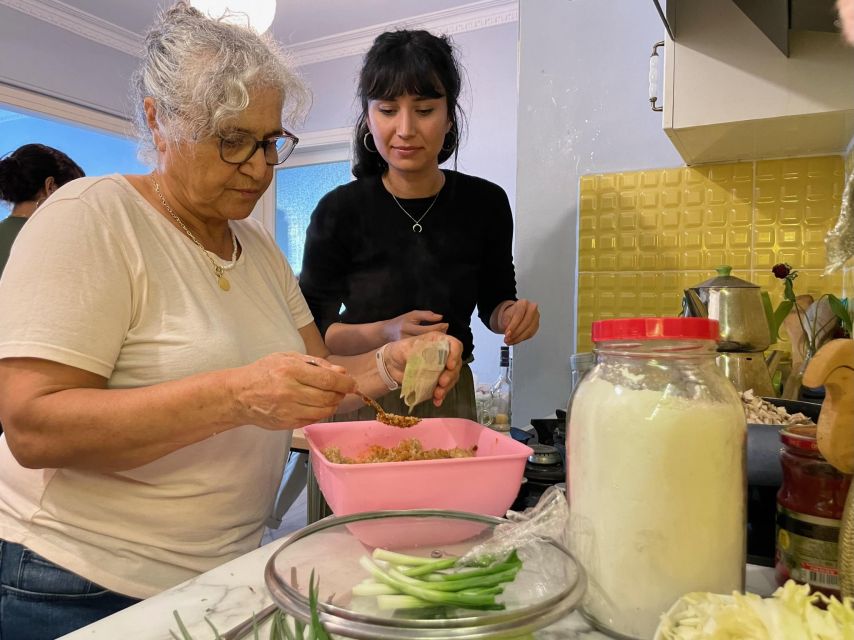
Dolma is one of those dishes that makes you respect the technique. Even when it’s vegetarian (and often naturally compatible with plant-based cooking), it still needs patience: preparing fillings, stuffing carefully, and cooking until it’s properly tender.
In a home setting, you’ll likely get more guidance on the small steps that turn “I tried” into “I made it right.” This is one of the most valuable parts of a class like this—you learn the rhythm of the work, not just the final recipe.
Worth putting side by side with this Istanbul pick:
- Private Turkish Cuisine Cooking Class with Local Moms★ 5.0 · 114 reviews
- Traditional Home Cooking with a Local in İstanbul City Center★ 5.0 · 82 reviews
- Traditional Home Cooking with a Local in İstanbul Center★ 4.9 · 78 reviews
- Authentic Turkish Cooking at a Local’s Home in Istanbul★ 4.9 · 24 reviews
Mantı (Turkish Dumplings With a Vegan Mindset)
Mantı is where many people fall in love with Turkish food. The class includes homemade mantı, with a vegan approach. Dumplings take time and attention, so this isn’t a quick shortcut lesson.
I like that the class includes mantı because it forces you to practice the core skills: portioning, shaping, and assembling dumplings carefully enough that they cook well and stay satisfying to eat. When a class teaches dumplings properly, you can reuse that knowledge later for other stuffed pasta or dumpling styles—even beyond Turkish food.
You’ll also make more dishes
Besides the headline recipes—vegan kokoreç, dolma, and mantı—you’ll prepare a variety of vegan/vegetarian dishes. That “variety” matters. It means you don’t leave with just one trick. You’ll have a small set of go-to ideas you can adapt for future meals.
Plant-Based Turkish Cooking Explained in Real Time
Some cooking classes treat vegan food like a substitute. This one treats it like an adaptation that still respects Turkish flavors.
Many beloved Turkish dishes are naturally vegetarian or easily made vegan. That’s the big idea behind the class. As you cook, you’re not being handed a lecture—you’re seeing how tradition and plant-based choices fit together in a real kitchen workflow.
Here’s what you’ll likely notice as you go:
- Seasoning first, ingredient choice second. You start to understand how spice mixes and aromatics drive the taste.
- Technique carries the flavor. Stuffing, rolling, and cooking methods matter, even when the base ingredients change.
- The goal is Turkish satisfaction. The class is focused on getting you to a Turkish table experience, not a generic vegetarian meal.
And it helps that the instructor shares culture and personal perspective. Based on the feedback from past participants, Rojda doesn’t only teach recipes—she shares her own story and insights about Istanbul and daily life. That kind of context makes the food lesson stick because you remember the “why” behind the choices, not just the steps.
You’ll also spend time eating together, which turns cooking into a shared meal rather than a class where you’re done as soon as the timer ends.
Tea, Conversation, and Eating What You Cook (The Real Benefit)
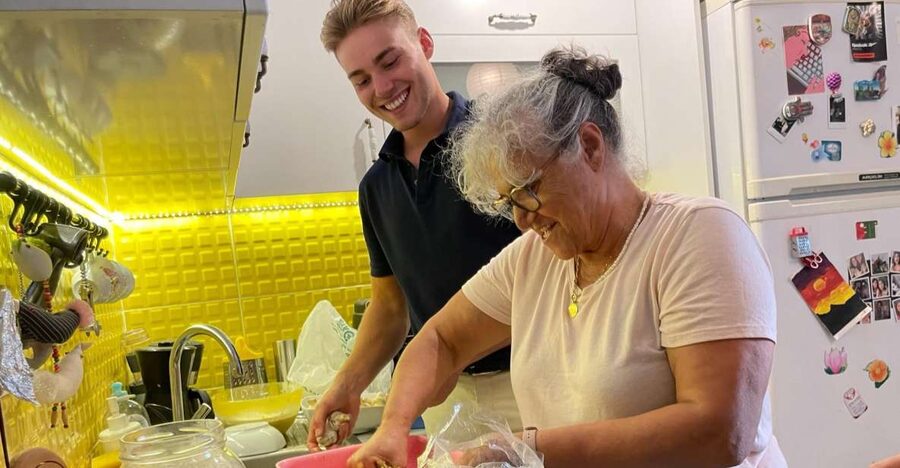
A lot of classes do the cooking part. Fewer do the “sit down and talk like people” part well.
Here, the structure is simple:
1) You start with tea or coffee and conversation
2) You cook together in the home kitchen
3) You share the meal you made
That rhythm is exactly what makes the experience feel meaningful. You’re not racing to the finish. You’re learning in a relaxed setting and then getting to enjoy the results right away.
Also, because the group is limited to 6 participants, the conversation stays manageable. You’ll have space to ask questions and actually hear answers. In larger groups, people often spend the whole class waiting their turn. Here, the pacing feels more like hosting than schooling.
From a practical standpoint, this also helps you leave with confidence. You don’t just taste once—you see how multiple dishes come together, and you’ve practiced enough to recreate parts of the process later.
Duration and Group Size: Why 2.5 Hours Works
The class lasts about 2.5 hours. That’s a sweet spot for home cooking.
Short classes can become “watch and snack.” Longer ones can feel tiring or rushed, especially when dumplings and stuffed dishes are involved. Two and a half hours gives enough time to:
- learn the steps without constantly stopping and starting,
- cook side by side,
- eat a shared meal,
- and still have the energy to head out after.
And the small group size is part of the reason the time feels right. You’re not competing with the clock or with a crowd for attention.
If you’re planning your day, think of this as an evening activity. It’s social, it ends with food, and it’s the kind of experience you’ll remember because it’s personal, not just instructional.
Price and Value: What $106 Really Buys You
At $106 per person, this isn’t the cheapest way to eat well in Istanbul. But it’s also not overpriced in a vacuum.
You’re paying for:
- a home-hosted setting near Taksim (not a big commercial space),
- an English/Turkish instructor,
- a small group of max 6,
- multiple dishes (including dumplings and stuffed items),
- and a shared meal with tea/coffee.
For me, the value logic is simple: you’re getting both skills and dinner. If you tried to reproduce this on your own, you’d need ingredients, time, and likely a lot of trial and error—especially for things like mantı.
Also, vegan/vegetarian cooking in Turkey isn’t as universally offered as standard meat-based meals in every area. This class gives you a structured way to learn Turkish flavors in a way that fits your diet. That’s worth something.
So the price makes sense if you want more than a quick bite. It fits best if you actually want to learn how to cook these dishes, not just sample them.
Who Should Book This Vegan Cooking Class (And Who Might Not)
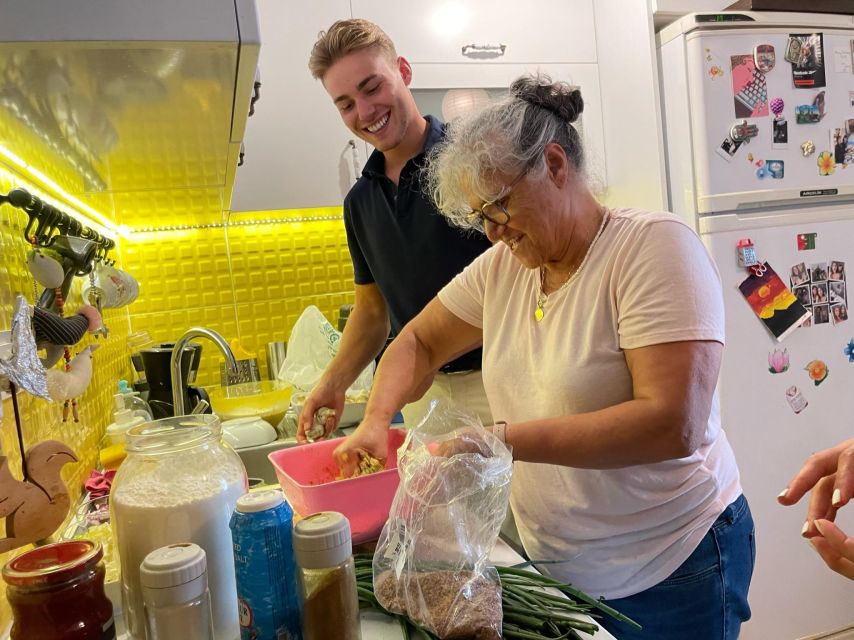
You’ll probably love this experience if:
- you eat vegan or vegetarian and want Turkish food that fits your diet,
- you like hands-on cooking instead of watching from a seat,
- you want a more personal Istanbul moment than a standard sightseeing stop,
- you enjoy chatting with locals while doing something practical.
You might want to think twice if:
- you only want a light snack and short demo style,
- you prefer restaurants over cooking activities,
- you’re very sensitive to the idea of meeting in a private home and following directions precisely.
This is a good match for solo travelers who want conversation, couples who want a shared activity, and small groups who want a single, well-paced experience.
Language and Comfort: English and Turkish in the Kitchen
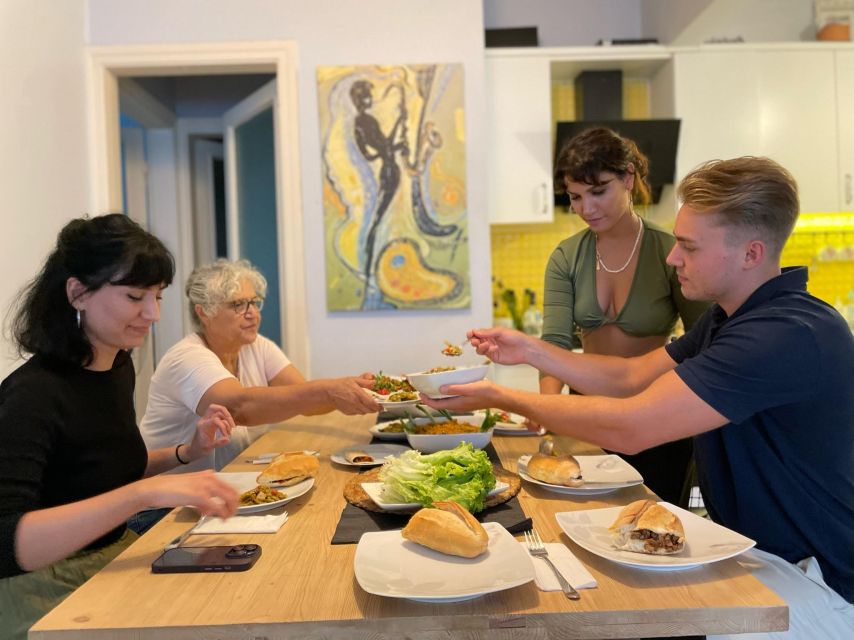
An easy win with this class is the language coverage: the instructor works in English and Turkish.
That means you can ask “why this step” questions and not feel shut out. You can also follow along with measuring and cooking steps without relying entirely on visuals.
Even if you’re shy, the home format helps. You’re in a small group with a host guiding you. You won’t be pushed into a big public setting where you need to talk constantly to understand what’s happening.
Should You Book? My Decision Guide
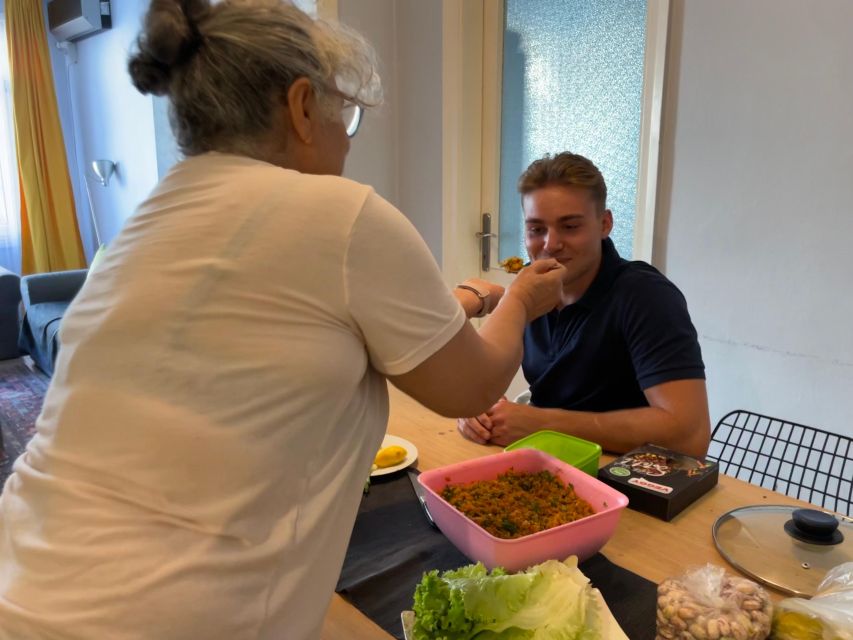
Book it if you want a real home-style meal plus actual cooking skills, and if vegan/vegetarian Turkish food interests you. The fact that you’ll learn mantı, dolma, and a vegan take on kokoreç from scratch is a strong package for a one-night activity.
Skip it if you’re looking for a quick drop-in tasting with zero cooking, or if the idea of meeting at a private home makes you nervous. Also, if you’re only interested in meat-heavy Turkish dishes, this class isn’t built for that.
If you’re on the fence, use this rule: if you’d be happy cooking for yourself at home after the trip, you’ll likely enjoy this class. If you just want to eat and leave, you may find other food tours better fit.
FAQ
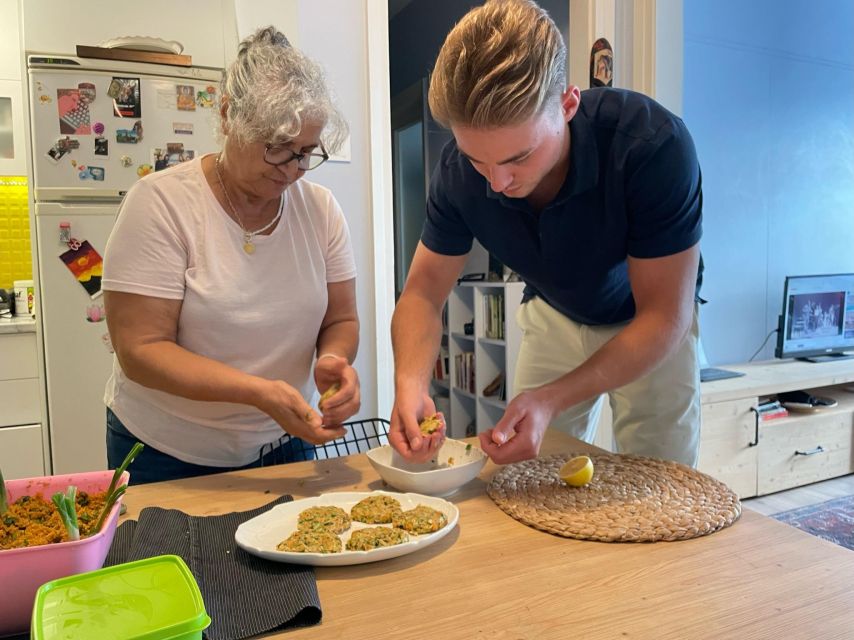
How long is the cooking class?
It lasts about 2.5 hours.
What dishes will I learn to make?
You’ll make vegan/vegetarian Turkish dishes such as vegan kokoreç, dolma, and homemade mantı, plus additional dishes.
Is the class vegan or vegetarian?
It’s described as a vegetarian cooking experience that also includes vegan options, so you’ll be working with vegan and vegetarian dishes.
How big is the group?
The group is limited to 6 participants.
Who teaches the class and what languages are used?
The instructor teaches in English and Turkish.
Where do I meet for the class?
You meet near Taksim. You can call when you are there or ring the bell number 11.
Is there free cancellation?
Yes. You can cancel up to 24 hours in advance for a full refund.
Can I reserve and pay later?
Yes. You can reserve now and pay later, with no payment required at the time of booking.
More Cooking Classes in Istanbul
- Private Turkish Cuisine Cooking Class with Local Moms★ 5.0 · 114 reviews
- Traditional Home Cooking with a Local in İstanbul City Center★ 5.0 · 82 reviews
- Traditional Home Cooking with a Local in İstanbul Center★ 4.9 · 78 reviews
- Authentic Turkish Cooking at a Local’s Home in Istanbul★ 4.9 · 24 reviews
- Istanbul: Turkish Cooking Class with a Professional Chef★ 4.8 · 23 reviews
- Cooking Class in Turkey From Istanbul★ 4.5 · 23 reviews
More Food in Istanbul
- Istanbul: European and Asian Side Guided Foodie Walking Tour★ 4.9 · 1,038 reviews
- Istanbul: Guided Food Tour with Ferry Ride and Tastings★ 4.9 · 770 reviews
- Turkish Food Night and Rooftop Experience Istanbul★ 5.0 · 666 reviews
- Istanbul: Turkish Food Night and Rooftop Experience★ 5.0 · 569 reviews
- Istanbul: Guided Food and Culture Tour★ 4.9 · 528 reviews
- The Award-Winning PRIVATE Food Tour of Istanbul: The 10 Tastings★ 5.0 · 462 reviews
More Tour Reviews in Istanbul
- Istanbul: Bosphorus Dinner Cruise & Show with Private Table★ 4.8 · 62,058 reviews
- Istanbul: Daytime or Sunset Sightseeing Cruise & Audio Guide★ 4.8 · 14,430 reviews
- Istanbul: Bosphorus Dinner Cruise & Turkish Night Show★ 4.8 · 12,954 reviews
- Best of Istanbul 1, 2 or 3-Day Private Guided Istanbul Tour★ 5.0 · 8,922 reviews
- Istanbul: Basilica Cistern Fast-Track Entry and Audio Guide★ 4.6 · 7,521 reviews
- Istanbul: Hagia Sophia Skip-the-Line Ticket & Museum Option★ 3.7 · 4,958 reviews
Fresh off the boat: new Istanbul reviews




Cooking Classes, compared.
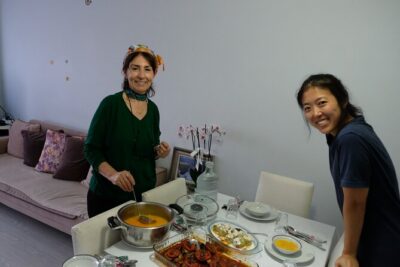 ★ 5.0Private Turkish Cuisine Cooking Class with Local MomsFrom $90114 reviews
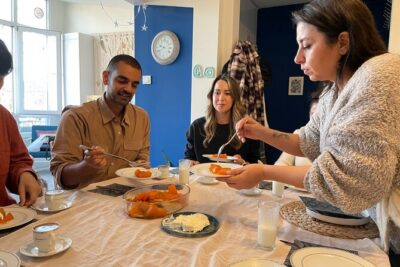 ★ 5.0Traditional Home Cooking with a Local in İstanbul City CenterFrom $8082 reviews
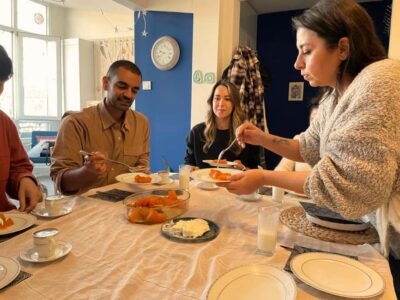 ★ 4.9Traditional Home Cooking with a Local in İstanbul CenterFrom $12078 reviews
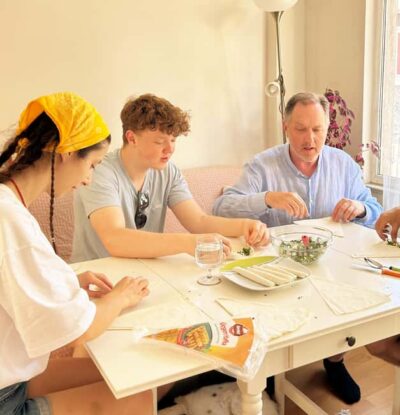 ★ 4.9Authentic Turkish Cooking at a Local’s Home in IstanbulFrom $8424 reviews
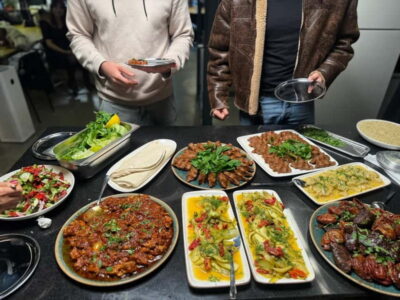 ★ 4.8Turkish Cooking Class with a Professional ChefFrom $12223 reviews
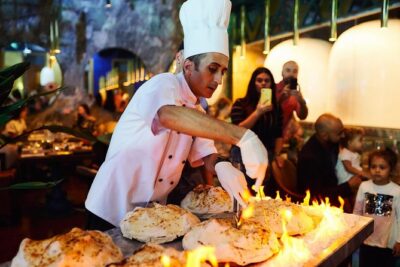 ★ 4.5Cooking Class in Turkey From IstanbulFrom $30023 reviews
 ★ 5.0Çiğ Köfte Cooking Class/Night with Traditional Music At HomeFrom $6020 reviews
Browse the lists this tour appears in