
REVIEW · COOKING CLASSES
Turkish Coffee and Traditional Turkish Dessert Cooking
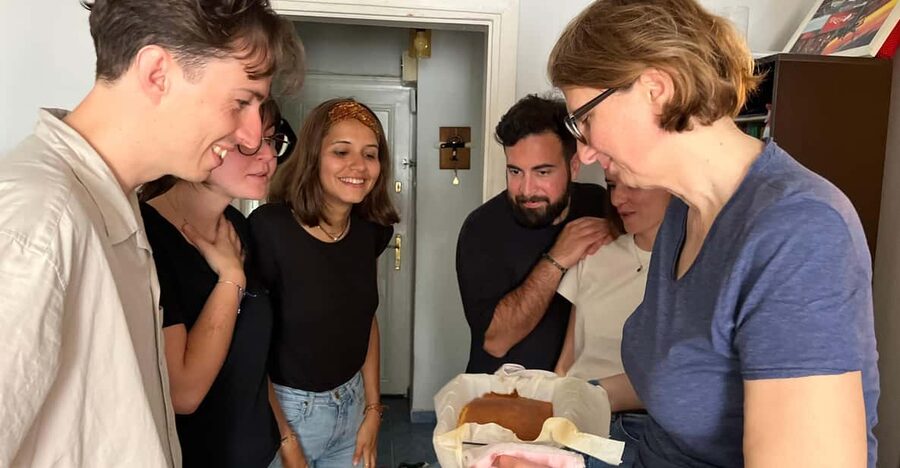
Sweet smoke, golden cheese, and frothy coffee. This Turkish dessert cooking class pairs hands-on künefe with the old ritual of Turkish coffee, all in a friendly home setting. I like that you’re not just watching, you’re making key steps yourself, and I like the cozy, conversational pace that feels like a real Istanbul afternoon. One consideration: künefe contains dairy and gluten, so you’ll want to plan carefully if you have allergies.
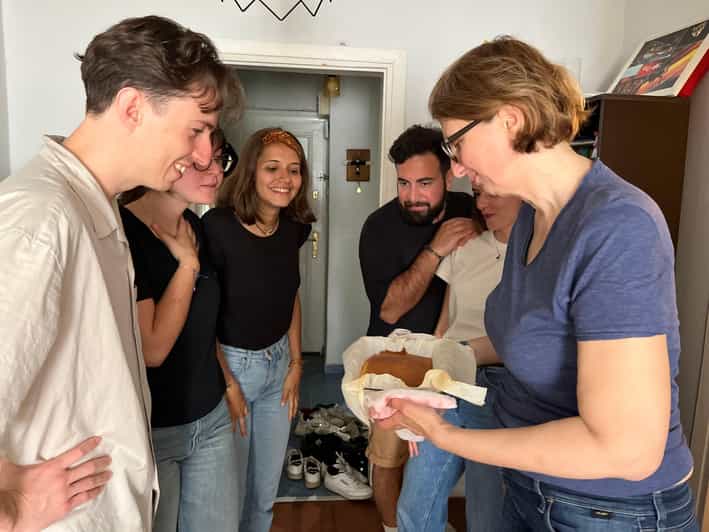
You’ll be welcomed by Nuran, and you may also meet Feyza, the sister-in-law who helps teach and cook. In past classes, the warm feel has gone beyond the lesson too, with family popping in briefly to share dessert and conversation for a few minutes.
The format is designed for small groups, limited to 6 people, and it runs about 2.5 hours with an instructor who speaks Turkish and English. That short window is great for focused learning, but it also means you’ll move from one step to the next without lots of downtime.
In This Review
- Key things that make this class special
- A home-based class in Kâğıthane, Istanbul
- The künefe lesson: shredded pastry, flame heat, and syrup timing
- What to expect if you’re new to cooking
- Turkish coffee: the slow, frothy brew and what it means
- Coffee moment you might get with Feyza
- The second (and sometimes third) dessert: tradition plus flexibility
- Table time in a real home: tea, coffee, and conversation
- Value check: is $59 for 2.5 hours a fair deal?
- Who this class suits best
- Allergy and comfort notes (read this part)
- How to get the most out of your 2.5 hours
- Should you book this Turkish coffee and künefe cooking class?
- FAQ
- How long is the Turkish coffee and dessert cooking experience?
- What dessert will we cook first?
- Will we cook other desserts besides künefe?
- Is Turkish coffee included?
- How big is the group?
- Who teaches the class?
- Where is the meeting point?
- Are there allergy concerns?
- What are the payment and cancellation options?
Key things that make this class special
- Künefe from start to flip: You’ll learn how to layer shredded pastry, cook it over heat, and turn it golden.
- Old-fashioned Turkish coffee method: Slow brewing, froth, and the cultural meaning behind the cup.
- Two or three desserts in one sitting: The class includes künefe plus additional traditional sweets.
- Small-group home atmosphere: Limited to 6 people, in a local household, not a restaurant stage.
- Hands-on teaching, not just tasting: You’ll do the work with guidance while others share the table afterward.
- Coffee conversation can get fun: Some classes include an unofficial coffee-ground reading moment with Feyza.
Worth putting side by side with this Istanbul pick:
A home-based class in Kâğıthane, Istanbul
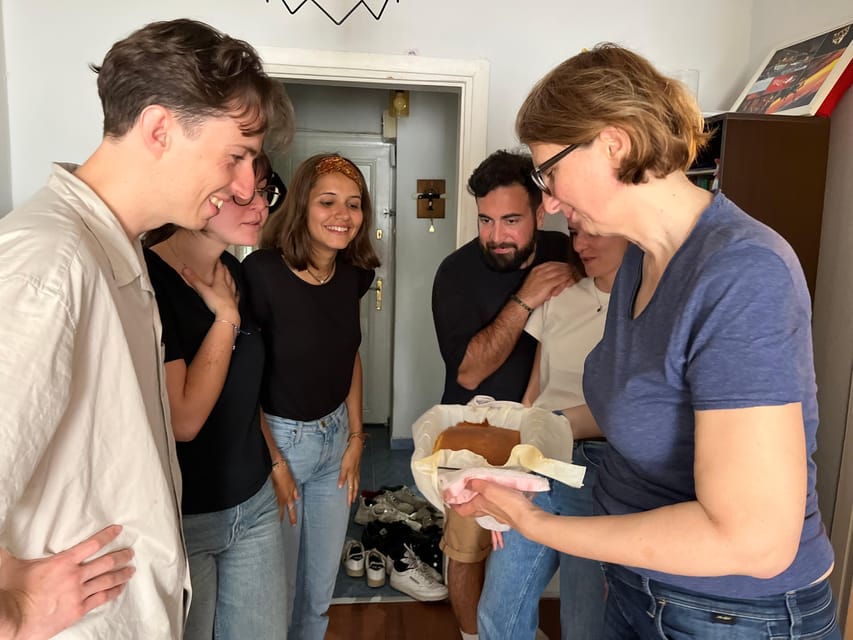
This is the kind of cooking experience that doesn’t feel engineered for tourists. The lesson takes place in a local home in the Marmara Region, specifically in the Kâğıthane area of Istanbul near Talatpaşa. The meeting point is Talatpaşa, Büyükbey Sk. No:4 D:11, 34400 Kâğıthane/İstanbul, and the host lets you in once you arrive.
Why that matters: you get a calmer pace than you’d find in a busy kitchen with customers coming and going. You also get to see how people actually live. Even if you’re in Istanbul for only a few days, this format gives you a “real life” snapshot without needing to hunt for it.
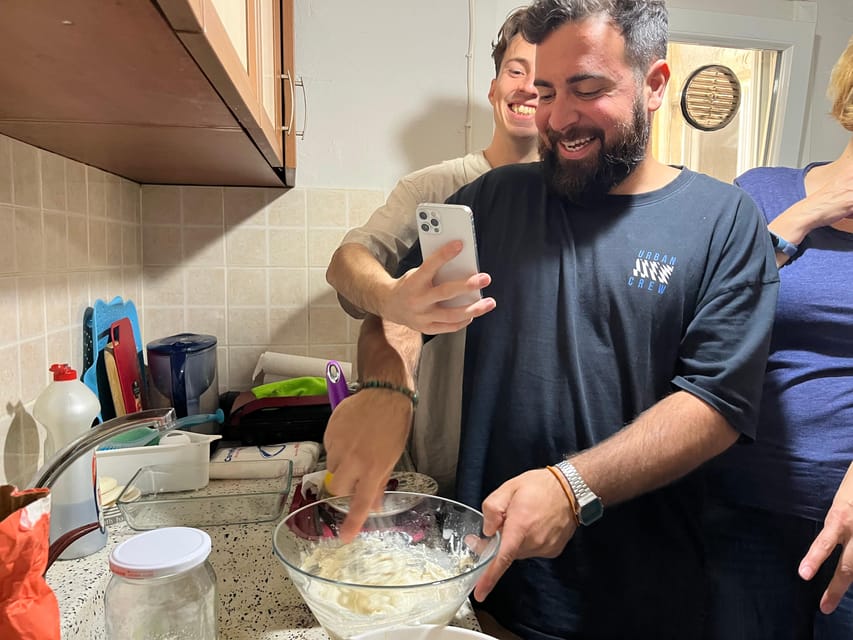
You’ll be working in a small group, capped at 6 participants. That size is a big deal. It usually means you get more direct attention when your pastry layers don’t look like the teacher’s (which is normal) or when you’re trying to nail the timing for coffee foam.
The künefe lesson: shredded pastry, flame heat, and syrup timing
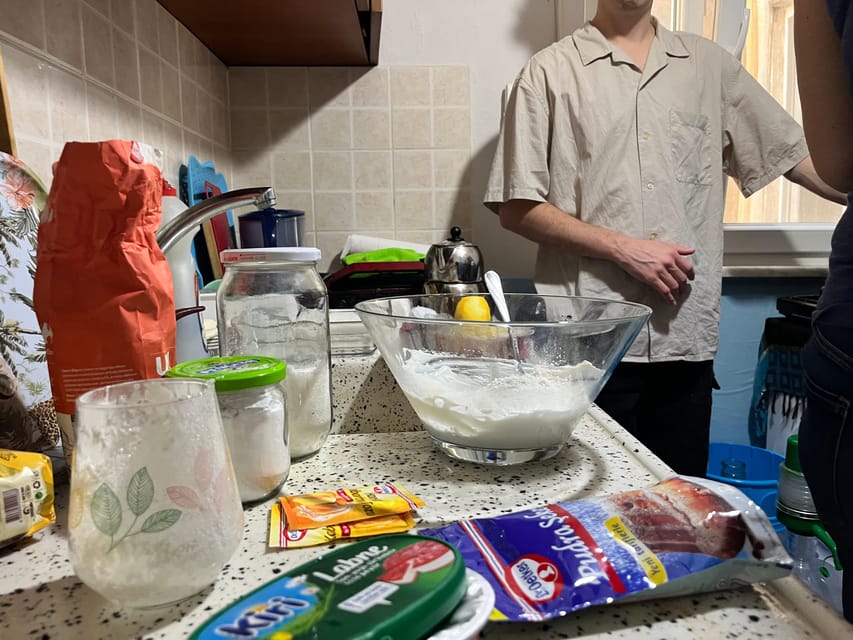
The heart of the class is künefe, the famous crispy cheese dessert made with shredded pastry and a sweet syrup. You start with prep, then cook it over heat in a way that aims for that signature crunch on the outside and melty warmth inside.
What you’ll do in practice:
- Layer the pastry and cheese: You’ll work with shredded wheat-style pastry and learn how to distribute it so it cooks evenly.
- Use regional-style butter: Künefe relies on butter for crisping and flavor. The class focuses on getting that step right.
- Cook over heat, then flip: You’ll learn how to cook until golden and flip so both sides build that crisp texture.
Then comes the syrup stage. Syrup timing can make or break künefe. If it goes in too early, the crunch can soften. If you wait too long, the dessert may not absorb the sweetness the way it should. In a home setting with a small group, you’re more likely to get guidance on when to do what.
Important allergy note: künefe contains dairy (cheese and butter) and gluten (shredded pastry). If you have allergies, tell the provider in advance so you can confirm what’s possible for your situation.
What to expect if you’re new to cooking
If you’ve never made dessert before, you’re still in the right place. The instruction is hands-on, and the steps are taught in a way that helps you follow along even if your confidence level is low. I also like that the class isn’t overly technical. You learn the feel of the process more than you memorize a theory lesson.
Worth putting side by side with this Istanbul pick:
- Istanbul: Turkish Coffee Making and Fortune Telling Workshop★ 4.9 · 1,308 reviews
- Istanbul: Turkish Coffee Making and Fortune Telling Workshop★ 4.9 · 451 reviews
- Turkish Coffee on Sand Workshop: Fortune Telling & Gift Set★ 5.0 · 309 reviews
- Istanbul Highlights: Guided Tour with Turkish Tea or Coffee★ 5.0 · 278 reviews
Turkish coffee: the slow, frothy brew and what it means
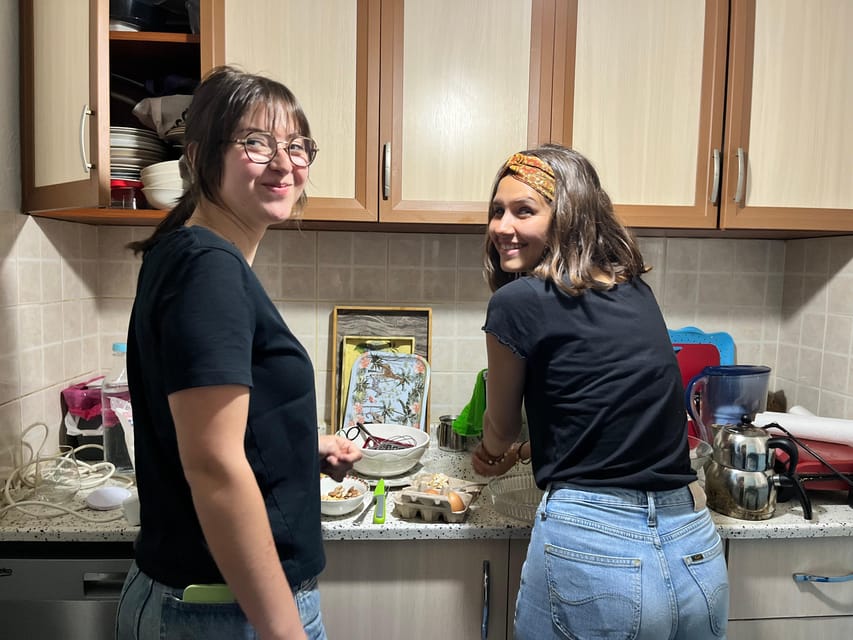
While the künefe cooks, the class shifts to Turkish coffee. This isn’t just a caffeine break. It’s a cultural ritual built into everyday conversation, hospitality, and small talk.
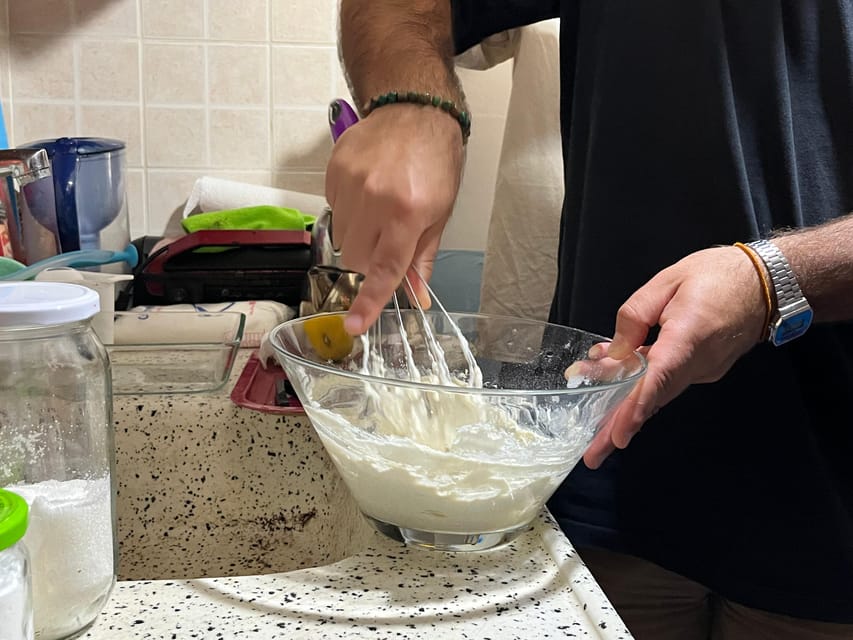
You’ll brew Turkish coffee the old-fashioned way, aiming for the slow froth people look for when they say a cup is done right. You’ll hear about its role in Turkish culture, not as a trivia fact, but as a reason people slow down and connect.
And yes, you may even get a turn at making a cup yourself. Depending on how the class flows, you’ll likely have time for at least one practical try at the process.
Coffee moment you might get with Feyza
One nice extra: in at least one class, Feyza did an unofficial reading of coffee grounds. If that sounds appealing, it’s a reminder that this experience isn’t only about dessert technique. It also gives you that friendly, playful Turkish hospitality feel.
The second (and sometimes third) dessert: tradition plus flexibility
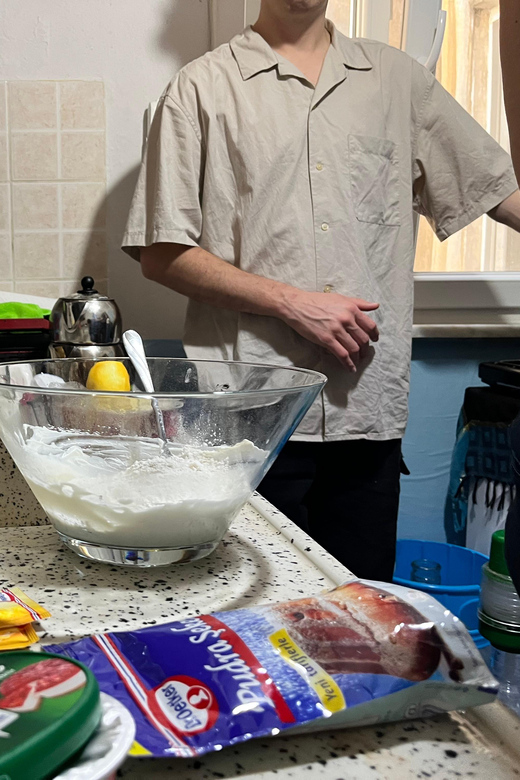
The class includes 2 or 3 Turkish desserts cooking, not only künefe. The exact second sweets can vary by class, but examples from past sessions include flour halva and semolina cookies.
That flexibility is practical. It helps the host choose desserts that fit the kitchen rhythm and the ingredients they have ready. It also means you’re more likely to leave with a broader sense of traditional Turkish sweet flavors, from syrupy textures to crumbly or cookie-style finishes.
When you’re planning your day, think of this as learning the building blocks:
- How Turkish sweets balance sweetness and texture
- How heat and timing affect crispness, softness, and melt
- How syrup, butter, and flour-based ingredients create comfort food that feels simple once you’ve watched it done well
Table time in a real home: tea, coffee, and conversation
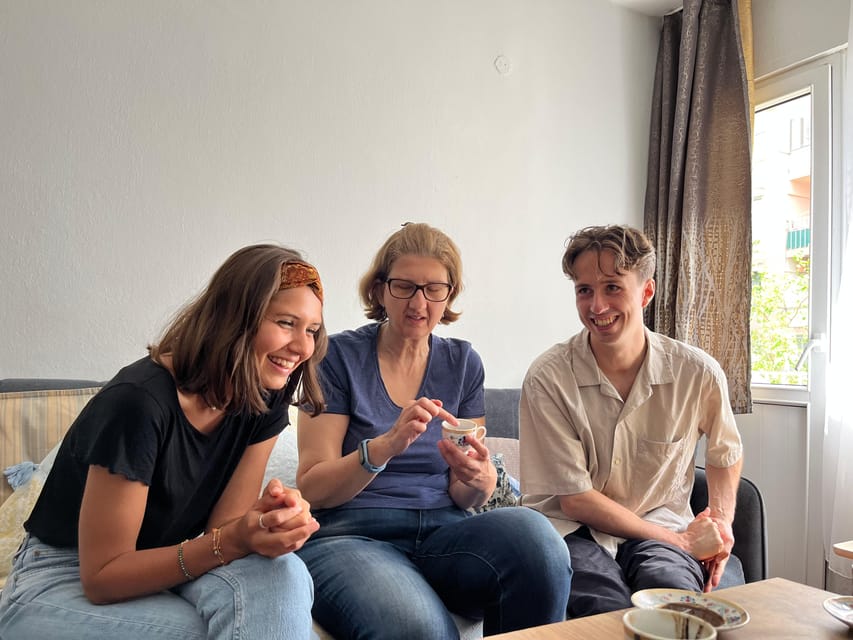
After the cooking, you sit down to enjoy what you made. The included tea/coffee rounds out the meal, and the pace turns social. This is one of the biggest reasons the class feels memorable. You’re eating with the same people guiding you, not watching from a distance.
I like that conversation is part of the experience rather than an add-on. You’ll likely talk about everyday life in Istanbul, dessert preferences, and what you’re seeing in the city. And if family members stop by for a few minutes, it can turn into one of those casual moments you can’t really buy at a restaurant.
One practical tip: pace yourself. Künefe is best when it’s warm, and you’ll also want to taste your other sweets while everything is fresh from the kitchen.
Value check: is $59 for 2.5 hours a fair deal?
At $59 per person for about 2.5 hours, this isn’t the cheapest option in Istanbul. But it also isn’t overpriced for what you’re getting.
Here’s the value logic I’d use:
- You get hands-on instruction (not a guided tasting)
- You cook künefe over heat and learn the flipping step
- You get Turkish coffee brewing, including froth and technique
- Tea/coffee are included
- The group is small (limited to 6), which usually means more attention per person
- It happens in a local home, not a high-traffic tourist venue
If you like food experiences where you walk away with skills, this kind of class tends to feel worth it. If you’re mainly looking for a quick snack-and-photo, a cooking class may feel like a lot of effort for the time you’ll spend eating.
Who this class suits best
I’d point you here if you:
- Want a hands-on Turkish experience that feels local and welcoming
- Enjoy learning technique, not just tasting
- Like dessert more than savory cooking (this one is clearly sweet-focused)
- Are comfortable with the idea of a small, shared kitchen table experience
It’s also a good choice for travelers who want something different from the typical museum-and-market loop. In 2.5 hours, you get both cooking and conversation.
Allergy and comfort notes (read this part)
Because künefe uses dairy and gluten, you need to plan ahead if you have sensitivities or allergies. The class specifically flags that künefe contains cheese, butter, and gluten in the shredded pastry.
If your allergy is serious, don’t assume substitutions are available. Contact the provider in advance and ask what can be done for your situation. Even if you can’t eat künefe, you might still be able to participate in parts of the cooking. But confirm first.
In terms of general comfort, remember it’s a home setting. That usually means there’s less space than a cooking studio and you’ll move closer to the kitchen action.
How to get the most out of your 2.5 hours
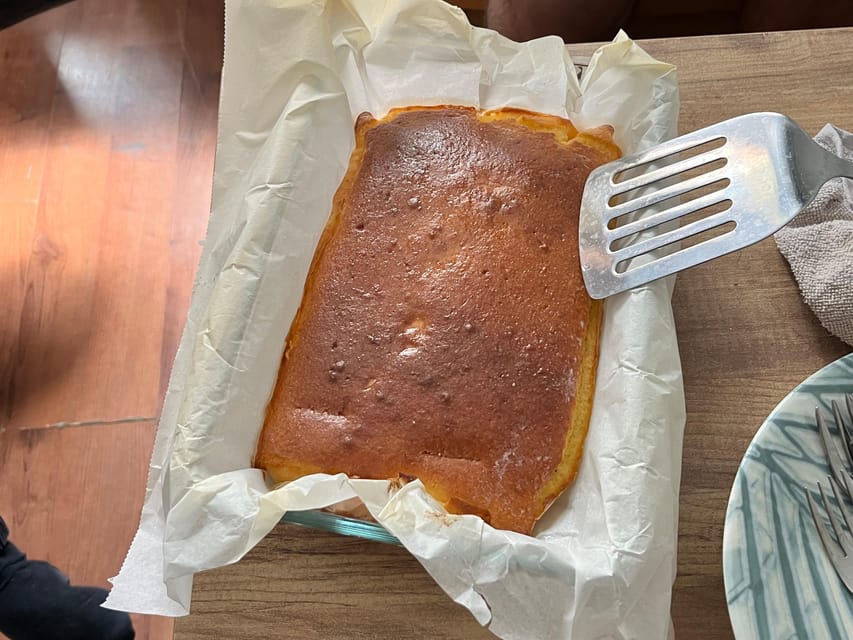
You’ll have the best time if you show up mentally ready to cook.
A few practical ways to make it smoother:
- Eat lightly beforehand if you can. You’ll be tasting multiple things at the table.
- Pay attention to timing. Künefe is about heat and minutes, and coffee foam can be quick.
- Ask questions when the instructor demonstrates. With a small group, you’ll likely get real answers.
- If you want to make Turkish coffee at home, watch the foam and patience cues. That’s where the results usually come from.
Also, don’t be surprised if you leave with more than just dessert memories. A warm home, friendly teaching, and the small family moments can stick longer than the recipe itself.
Should you book this Turkish coffee and künefe cooking class?
Book it if you want a genuine Istanbul experience that mixes hands-on cooking, coffee culture, and a friendly home atmosphere in a short time. The small group size and the focus on technique make it more than a sweet souvenir.
Skip it if you have gluten or dairy allergies you can’t safely manage, or if you’d rather not participate in cooking steps and prefer only eating.
If you’re on the fence, consider this: for many people, the “aha” moment is learning how künefe goes from shredded pastry to crisp golden dessert with syrup in just the right way. That skill is simple to admire in pictures, but it feels different once your hands do it.
And since plans change, it’s offered with free cancellation up to 24 hours in advance for a full refund, plus a reserve now & pay later option, which gives you flexibility.
FAQ
How long is the Turkish coffee and dessert cooking experience?
It lasts about 2.5 hours.
What dessert will we cook first?
You’ll start by preparing künefe, a crispy cheese dessert made with shredded pastry, butter, and homemade syrup.
Will we cook other desserts besides künefe?
Yes. The class includes 2 or 3 Turkish desserts cooking total, with künefe plus additional traditional sweets.
Is Turkish coffee included?
Yes. Tea/coffee are included, and you’ll also brew Turkish coffee during the class.
How big is the group?
It’s a small group limited to 6 participants.
Who teaches the class?
The instructor speaks Turkish and English.
Where is the meeting point?
Talatpaşa, Büyükbey Sk. No:4 D:11, 34400 Kâğıthane/İstanbul. The host lets you in once you arrive.
Are there allergy concerns?
Yes. Künefe contains dairy (cheese and butter) and gluten (shredded wheat pastry). Let the provider know in advance if you have allergies.
What are the payment and cancellation options?
You can reserve now & pay later. You can cancel up to 24 hours in advance for a full refund.
If you want, tell me your travel dates and any dietary limits, and I’ll help you decide whether this is a good fit for your Istanbul schedule and meal plan.
More Coffee Experiences in Istanbul
- Istanbul: Turkish Coffee Making and Fortune Telling Workshop★ 4.9 · 1,308 reviews
- Istanbul: Turkish Coffee Making and Fortune Telling Workshop★ 4.9 · 451 reviews
- Turkish Coffee on Sand Workshop: Fortune Telling & Gift Set★ 5.0 · 309 reviews
- Istanbul Highlights: Guided Tour with Turkish Tea or Coffee★ 5.0 · 278 reviews
- Istanbul Turkish Coffee Making & Fortune Telling Workshop★ 5.0 · 173 reviews
- Istanbul: Sand Brewed Turkish Coffee Workshop in Old Town★ 4.9 · 142 reviews
More Cooking Classes in Istanbul
- Private Turkish Cuisine Cooking Class with Local Moms★ 5.0 · 114 reviews
- Traditional Home Cooking with a Local in İstanbul City Center★ 5.0 · 82 reviews
- Traditional Home Cooking with a Local in İstanbul Center★ 4.9 · 78 reviews
- Authentic Turkish Cooking at a Local’s Home in Istanbul★ 4.9 · 24 reviews
- Istanbul: Turkish Cooking Class with a Professional Chef★ 4.8 · 23 reviews
- Cooking Class in Turkey From Istanbul★ 4.5 · 23 reviews
More Tour Reviews in Istanbul
- Istanbul: Bosphorus Dinner Cruise & Show with Private Table★ 4.8 · 62,058 reviews
- Istanbul: Daytime or Sunset Sightseeing Cruise & Audio Guide★ 4.8 · 14,430 reviews
- Istanbul: Bosphorus Dinner Cruise & Turkish Night Show★ 4.8 · 12,954 reviews
- Best of Istanbul 1, 2 or 3-Day Private Guided Istanbul Tour★ 5.0 · 8,922 reviews
- Istanbul: Basilica Cistern Fast-Track Entry and Audio Guide★ 4.6 · 7,521 reviews
- Istanbul: Hagia Sophia Skip-the-Line Ticket & Museum Option★ 3.7 · 4,958 reviews
Fresh off the boat: new Istanbul reviews



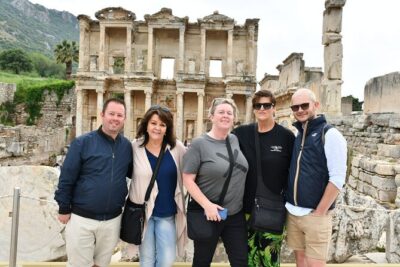


Cooking Classes, compared.
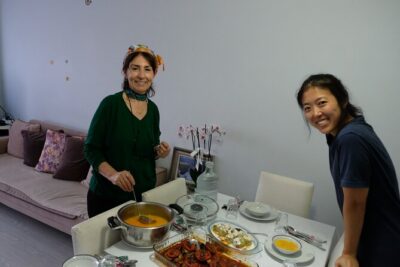 ★ 5.0Private Turkish Cuisine Cooking Class with Local MomsFrom $90114 reviews
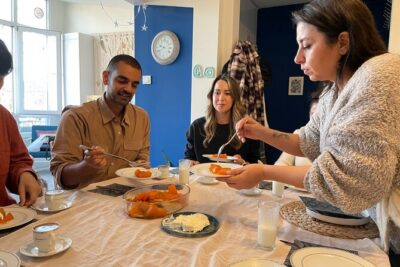 ★ 5.0Traditional Home Cooking with a Local in İstanbul City CenterFrom $8082 reviews
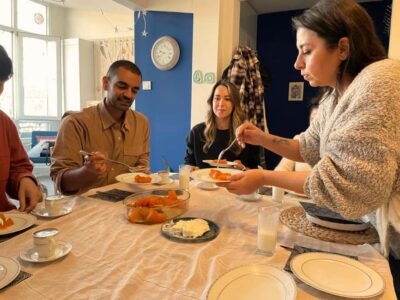 ★ 4.9Traditional Home Cooking with a Local in İstanbul CenterFrom $12078 reviews
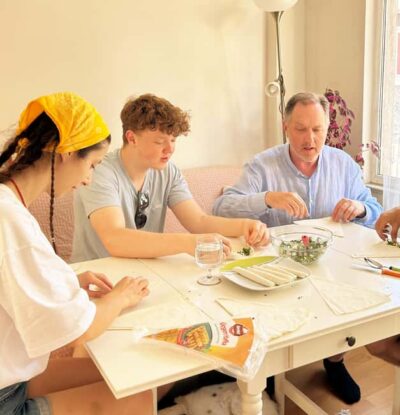 ★ 4.9Authentic Turkish Cooking at a Local’s Home in IstanbulFrom $8424 reviews
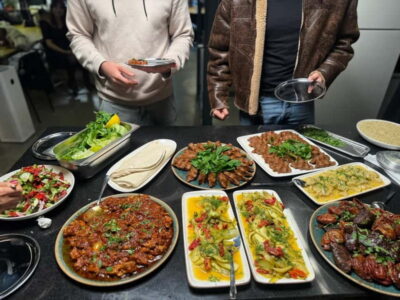 ★ 4.8Turkish Cooking Class with a Professional ChefFrom $12223 reviews
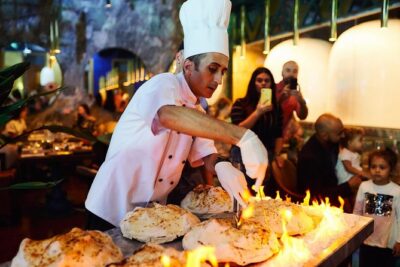 ★ 4.5Cooking Class in Turkey From IstanbulFrom $30023 reviews
 ★ 5.0Çiğ Köfte Cooking Class/Night with Traditional Music At HomeFrom $6020 reviews
Browse the lists this tour appears in