
One itinerary, and you get two different Turkey vibes fast. You start in Istanbul’s historic core and finish in Cappadocia’s cave-hotel world, with domestic flights and English-speaking guides keeping the chaos under control. I especially like that the day plan is built around the big “must-sees,” not long free time with guesswork.
Two things I like most: the blend of major monuments (Blue Mosque, Hagia Sophia Museum, Topkapi Palace) with serious time in Ephesus and Cappadocia, where the sites feel more like walking through real places than just posing in front of them. The other standout is the practical setup: private transfers, an air-conditioned vehicle, and included entrance fees for what’s listed.
One possible drawback: the schedule is packed and includes multiple legs of driving plus domestic flights, so you need to roll with early mornings and travel days when you’d normally want to sleep in.
In This Review
- Key highlights from this Turkey route
- Istanbul: big-ticket sights, organized to save your legs
- Blue Mosque day facts you’ll feel: what each stop is really doing
- Bosphorus cruise to Aegean jump: a scenic reset before ancient ruins
- Pamukkale’s Cotton Castle: where time slows down
- Ephesus day: a full Greco-Roman hit with sensible add-ons
- Cappadocia cave hotel plus Dark Church: the tour earns its magic
- Cappadocia south: hiking time, underground cities, and real views
- Konya stops: Mevlana Museum and a Silk Road caravanserai
- The last morning in Istanbul: simple and timed
- Price and value: what $4,129 buys you (and what to double-check)
- Should you book this Turkey tour?
- FAQ
- What time does the tour start, and where is the meeting point?
- Are domestic flights included in the tour price?
- Are entrance fees included for the sights on the itinerary?
- Is a hot air balloon ride included?
- How much luggage is allowed on the domestic flights?
- Can I cancel or make changes and get a refund?
Key highlights from this Turkey route
- Blue Mosque + Hagia Sophia Museum + Hippodrome in one old-city day
- Topkapi Palace as a full Ottoman “small city” experience, not a quick peek
- Bosphorus cruise that frames Istanbul’s landmarks from the water
- Pamukkale travertine pools with time built in for a mineral-rich soak
- Ephesus in the spotlight: Celsus Library, Grand Theater, plus Artemis-area stops
- Cappadocia coverage that includes Dark Church access and multiple valley walks
Worth putting side by side with this Istanbul pick:
Istanbul: big-ticket sights, organized to save your legs
Istanbul can fry your plans if you wing it. This route helps by front-loading the classic old-city cluster while you still have the energy to handle crowds, stairs, and museum time.
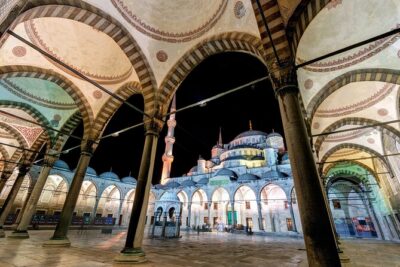
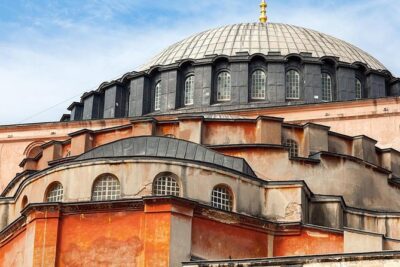
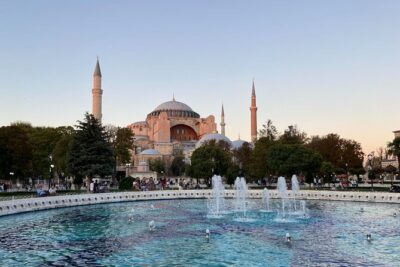
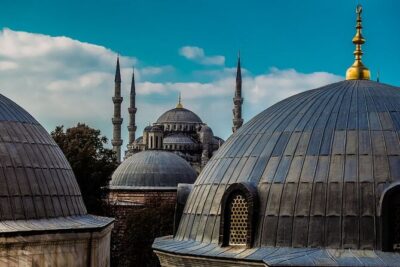
Day 2 is built around the religious and imperial layers of the city. You’ll see the Blue Mosque, described here as Byzantine-style with round roofs and six minarets, then continue to the Hippodrome, a Roman-period square where monuments like the Knitted Obelisk and the Serpent Column sit around the same overall space. After that comes Hagia Sophia Museum, a rare piece of religious architecture tied to the Byzantium period.
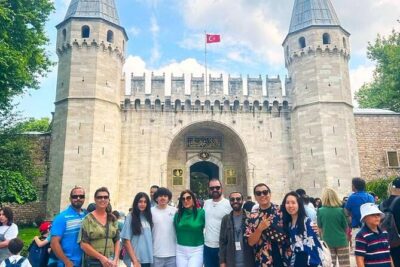
Then you move into Ottoman power with Topkapi Palace. This isn’t just a single building; it works like a small compound of courtyards, gardens, libraries, schools, mosques, and more. For me, the value is simple: you get context for how the empire lived day to day, not only what the sultans wore for portraits.
A consideration: this day is long, and you’re moving between sites back to back. If you hate tightly scheduled walking, build in your own pacing tricks: wear shoes you trust and plan for shade and water breaks even if the route keeps moving.
Blue Mosque day facts you’ll feel: what each stop is really doing
A lot of Istanbul tours list these names like they’re a checklist. This one groups them so the “why” lands as you go.
The Blue Mosque and Hagia Sophia Museum help you see how different faith architecture can share similar scale and ambition. The Hippodrome adds a political and civic angle, because this was a stage for public life in the Roman era. Then Topkapi Palace pulls the story forward into Ottoman rule, where religion, administration, and daily life all overlap.
If you like learning while you walk, this sequencing makes it easier to connect dots. You also won’t lose half a day figuring out what’s near what.
Bosphorus cruise to Aegean jump: a scenic reset before ancient ruins
Day 3 gives you a change of pace. Instead of another museum in Istanbul, you’re on a two-hour Bosphorus cruise from the wharf.
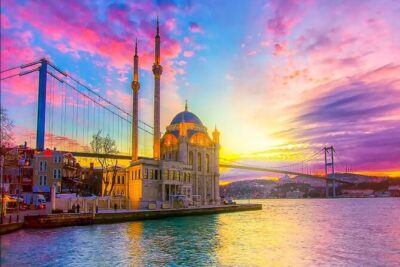
From the water, you get a calmer view of the city’s main features: Dolmabahce Palace, the Bosphorus Bridge, Çamlıca Hill, and Ottoman-style buildings along both banks. The cruise acts like a moving viewpoint session, which is a smart way to balance the walking days.
Then comes the practical pivot. After the cruise, you head to the airport for an afternoon flight to Izmir, and you transfer to Kuşadası. The rest of that day is left open for the seaside town vibe.
One consideration: this is a travel day. You’re stacking sightseeing with flight logistics, so keep your day bag easy to grab and expect less time to wander on your own in İzmir.
- Best of Istanbul 1, 2 or 3-Day Private Guided Istanbul Tour★ 5.0 · 8,922 reviews
- Istanbul: Basilica Cistern Fast-Track Entry and Audio Guide★ 4.6 · 7,521 reviews
- Istanbul: Hagia Sophia Skip-the-Line Ticket & Museum Option★ 3.7 · 4,958 reviews
- Istanbul: Hodjapasha Whirling Dervishes Show & Exhibition★ 4.4 · 4,790 reviews
Pamukkale’s Cotton Castle: where time slows down
If Istanbul feels like motion, Pamukkale is where the schedule loosens. Day 4 is devoted to Pamukkale Thermal Pools, literally described as “Cotton Castle,” where hot springs flow down layered rock.
You’re in the right setting for the signature visual: calcium-rich water forms those milky white travertine pools over time. And this tour includes a special arrangement for a hot spring experience in the travertine pool. Get your swimsuit ready, because the mineral-rich water is part of what makes Pamukkale memorable beyond photos.
In the afternoon, you shift from geology to Roman-era life with Hierapolis Ancient City. You’ll see cemeteries, Roman stone pillars, amphitheaters, and city gates. It’s a good pairing: first you understand the landscape process that created the pools, then you see how an ancient settlement used the same slopes and heights.
A possible drawback: you’ll likely spend time in warm, outdoor conditions. If you’re prone to dehydration, take that seriously. Also, wear swim-safe footwear if you plan to move around the pool area.
Ephesus day: a full Greco-Roman hit with sensible add-ons
Day 5 is the “big ruins” day, and it’s structured well. After breakfast, you drive to Ephesus Ancient City, presented here as the world’s largest and most well-preserved Greco-Roman city.
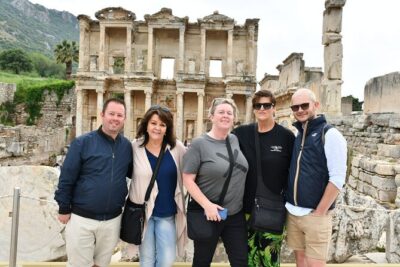
Your guided highlights include the Marble Street, the Temple of Hadrian, Celsus Library, Trajan Fountain, and the Grand Theater that could hold up to 25,000 spectators. Even if you’ve seen Roman sites before, Ephesus has a built-in scale advantage: you’re walking in a city layout, not just touring a single monument.
Then lunch, and the route continues with an excellent “where did this stuff go?” follow-up at the Ephesus Archaeological Museum, where relics from the ancient city are displayed, including the statue of Goddess Artemis.
After that, you move toward the Artemis story again with a stop at the Temple of Artemis, noted here as one of the Seven Wonders of the Ancient World. The tour also includes time at the House of the Virgin Mary, where Mary spent her last five years.
The balance here is smart: you’re not only seeing ruins. You’re linking the city to what museums preserved and what religious tradition remembers.
A practical consideration: this is a long day of sites. It rewards anyone who likes architecture details and city history, but if you want a slow, relaxed pace, this day can feel like a lot.
Cappadocia cave hotel plus Dark Church: the tour earns its magic
Day 5 ends with travel into Cappadocia and a memorable setup: a transfer to a cave hotel and help checking in. If you want that “I’m really here” feeling, the cave lodging is doing real work for you, because it sets expectations before the sightseeing even starts.
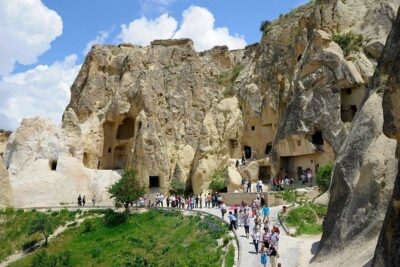
Day 6 is northern Cappadocia. First stop: the Göreme Open-Air Museum, a cluster of rock-cut caves converted into monastic residences and churches, with Byzantine-style murals. This is where Cappadocia feels like a living classroom of stone-carved devotion.
One of the tour’s specific standouts is exclusive access to the Dark Church. It’s called out here because the murals are the most well-preserved due to lack of light. That detail matters. When murals are protected from strong lighting, the artwork tends to remain legible longer, so you’ll get more from your time inside.
After Göreme, you head to Avanos, known for pottery made from clay from the Red River. You’ll see traditional pottery-making and watch artisans at work, with explanations of the craft passed down over generations.
Next comes the valley variety pack:
- Devrent Valley, where lava rocks and the camel-shaped rock earn the nickname Imagination Valley
- Pasabag Valley (Monks Valley) with fairy-chimney stone pillars
- Love Valley for sunset views
A consideration: the day mixes museums, craft observation, and uneven walking on rock paths. Pack for comfortable movement, not fashion.
Cappadocia south: hiking time, underground cities, and real views
Day 7 takes you into southern Cappadocia. You start in Cavuşin Village, with the Great Basilica (St. John the Baptist Chapel), focused on murals.
Then you get a proper workout with a two-hour hike in Red Valley, described here as known for churches carved into rocks. The cliffs reveal multicolored rocks eroded over millions of years, and the tour notes you can find colored lines that indicate age. That kind of detail is where guided time pays off, because the rocks are more than scenery.
Next is Uçhisar Castle, excavated from a 60-meter boulder. Climb to the top for a panoramic view of Cappadocia. This is one of those stops where the payoff feels immediate: you look out and suddenly the whole region makes sense as a geology-and-settlement machine.
After that, Pigeon Valley gives you a more local, practical look. The route explains the pigeon holes used by locals and how pigeons are part of crop and vineyard fertilization. It also ties in the region’s wine reputation without trying to oversell it.
You end with Kaymaklı Underground City, one of the biggest underground cities in the area, spanning eight stories and once home to about 10,000 people. The guided explanation is what brings those rooms to life, because you’re shown living scenarios across different functions.
One consideration: underground sites can feel cooler but sometimes tight. If you’re uncomfortable in enclosed spaces, plan to go slowly and let the guide set expectations.
Konya stops: Mevlana Museum and a Silk Road caravanserai
Day 8 changes the mood again. You leave early for Konya (about three hours by drive), then visit the Mevlana Museum, described as the soul of Konya and the birthplace of whirling dervishes. Next to the mausoleum is the Semahane (Ceremonial Hall), with instruments and rosary beads on display, plus wax museum scenes.
From there you continue to the Sultanhani Caravanserai, a 13th-century Silk Road station still standing and protected. You’ll see porches, stables, guest rooms, and storage for goods and grains.
It’s a nice day for people who like culture beyond the big-picture tourist stops. You get art, ritual, and trade history in one sweep.
Then you’re back on the road to the airport in Cappadocia for the flight to Istanbul, with transfer to your hotel on arrival.
The last morning in Istanbul: simple and timed
Day 9 is straightforward. You check out by noon, then your driver takes you to the airport for departure.
This ending is helpful because it avoids a stressful scramble. You get breakfast, you get the transfer, and you’re done.
Price and value: what $4,129 buys you (and what to double-check)
At $4,129 per person for roughly nine days, the price makes sense if you want a lot of major geography covered with minimal self-planning. The included elements are the big levers:
- Domestic airfares: Istanbul → Izmir and Cappadocia → Istanbul
- English-speaking guides for the itinerary
- Private driver and air-conditioned vehicle
- Entrance fees for the listed sights
- Breakfasts (8)
- Luggage for domestic flights: 15 kilo check-in + 8 kilo cabin
For value, the best part is how much is bundled: you’re not just paying for guides. You’re paying for the friction-removal—transfers, timing, and ticket coverage.
What I’d still double-check before booking:
- Accommodation details: the plan mentions a cave hotel in Cappadocia and an overnight in Pamukkale, but the list of what’s included doesn’t spell out hotel tiers or whether rooms and any single supplements are fully covered.
- Hot air balloon: balloon rides are described as available in Cappadocia, and you’re told to let the operator know in advance because seats are limited. That usually means it’s optional, not automatically built into the package you’re comparing.
Also, a small but real tip from previous experiences: make sure your WhatsApp is ready, since it’s described as the main communication channel for some guests. That can cut down on stress when schedules shift due to timing.
Should you book this Turkey tour?
Book it if you want one organized route that links Istanbul, Ephesus, Pamukkale, Cappadocia, and Konya without you building a spreadsheet. The structure is strong: the days give you major sights early, then add context with museum stops, craft time, and guided dives into how these places worked.
Don’t book it if you’re hoping for a relaxed pace with lots of unscheduled time. This itinerary spends meaningful effort on moving between regions and stacking high-value stops in each day, so it favors people who like clear plans and guided explanations.
If you’re on the fence, the decision hinge is simple: do you want the work of travel planning handled for you, while you focus on the sites? If yes, this is the kind of itinerary that’s built to deliver.
FAQ
What time does the tour start, and where is the meeting point?
The start is listed as 9:00 am at Istanbul Airport (TayakadIn Terminal Street No. 1, Istanbul 34283 Turkiye).
Are domestic flights included in the tour price?
Yes. The tour includes domestic airfares for Istanbul to Izmir and Cappadocia to Istanbul.
Are entrance fees included for the sights on the itinerary?
Yes. Entrance fees for the mentioned sights visited are included.
Is a hot air balloon ride included?
A hot air balloon ride in Cappadocia is described as available. You should let the operator know in advance because seats are limited.
How much luggage is allowed on the domestic flights?
The tour includes 15 kilo check-in and 8 kilo cabin luggage for domestic flights.
Can I cancel or make changes and get a refund?
No. The experience is non-refundable and cannot be changed for any reason if you cancel or amend.
More Historical Tours in Istanbul
- Istanbul Gedikpasa Historical Turkish Bath with Privacy Option★ 5.0 · 1,285 reviews
- Istanbul: Acemoglu Historical Turkish Bath w/Private Options★ 4.6 · 1,190 reviews
- Istanbul: Gedikpasa Historical Hammam with Privacy Add-On★ 4.8 · 918 reviews
- Istanbul Historical Tour with Guide, Lunch and Transfers★ 4.5 · 561 reviews
- All in One Day Istanbul – Historical Tour of Istanbul with Bosphorus Cruise★ 5.0 · 489 reviews
- Istanbul Heritage Tour – Incl. Lunch★ 4.5 · 416 reviews
More Tour Reviews in Istanbul
- Istanbul: Bosphorus Dinner Cruise & Show with Private Table★ 4.8 · 62,058 reviews
- Istanbul: Daytime or Sunset Sightseeing Cruise & Audio Guide★ 4.8 · 14,430 reviews
- Istanbul: Bosphorus Dinner Cruise & Turkish Night Show★ 4.8 · 12,954 reviews
- Best of Istanbul 1, 2 or 3-Day Private Guided Istanbul Tour★ 5.0 · 8,922 reviews
- Istanbul: Basilica Cistern Fast-Track Entry and Audio Guide★ 4.6 · 7,521 reviews
- Istanbul: Hagia Sophia Skip-the-Line Ticket & Museum Option★ 3.7 · 4,958 reviews
Fresh off the boat: new Istanbul reviews
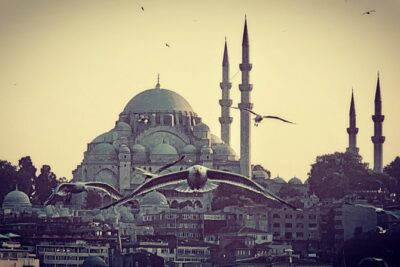
Historical Tours, compared.
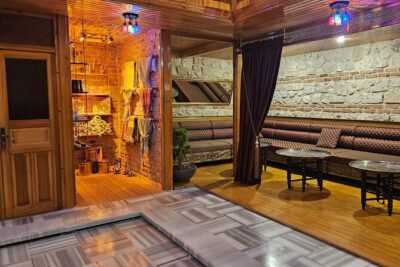 ★ 5.0Istanbul Gedikpasa Historical Turkish Bath with Privacy OptionFrom $601,285 reviews
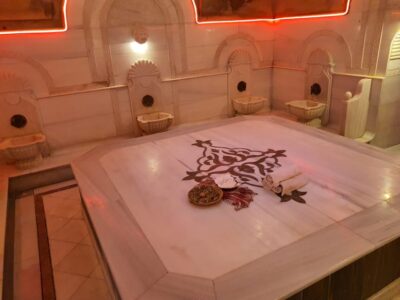 ★ 4.6Acemoglu Historical Turkish Bath w/Private OptionsFrom $421,190 reviews
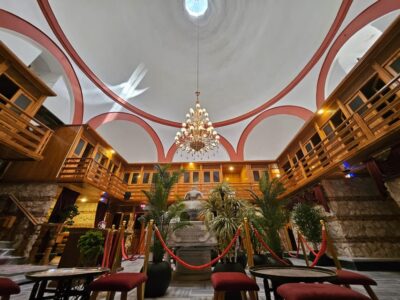 ★ 4.8Gedikpasa Historical Hammam with Privacy Add-OnFrom $59918 reviews
 ★ 4.5Istanbul Historical Tour with Guide, Lunch and TransfersFrom $248561 reviews
 ★ 5.0All in One Day Istanbul – Historical Tour of Istanbul with Bosphorus CruiseFrom $164489 reviews
 ★ 4.5Istanbul Heritage Tour – Incl. LunchFrom $216416 reviews
 ★ 4.5Historical PeninsulaFrom $57362 reviews
 ★ 5.0Full-Day Private Guided Cultural Tour of IstanbulFrom $120279 reviews
Browse the lists this tour appears in