
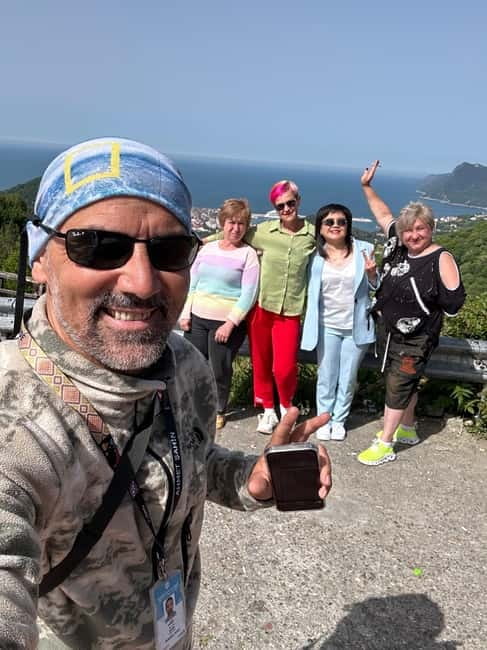
REVIEW · FENER & BALAT TOURS
Istanbul: Fener and Balat Guided Walking Tour
A few neighborhoods feel like different cities. This Fener and Balat guided walking tour shows you Istanbul through Greek, Armenian, Jewish, and Bulgarian landmarks, with photo stops that actually make sense on foot. I especially like the focus on specific sites like the Church of St. Mary of the Mongols (1266) and the Iron Church, plus the way the guide ties the walking routes to the people who lived here. One drawback to plan for: you’ll be on your feet for a lot of stairs and uneven steps.
The route is short on paper but long on steps in real life. You’ll pass churches and schools and keep your eyes up for details in the old wood houses and colorful stairways in Balat. If you’re not comfortable walking at a steady pace, this isn’t your best match.
In This Review
- Key things you’ll notice on this Fener and Balat walk
- Starting in Eminönü: where the tour rhythm begins
- Fener first: Greek stops, photo breaks, and those staircases
- Dimitrie Cantemir’s house and St. Mary of the Mongols (1266)
- Phanar Greek Orthodox College: more than a landmark
- Panagia Paramythia Church: a key stop on the community map
- Balat: Iron Church and the cast-iron story
- Wooden houses, Balat streets, and realistic photo expectations
- How much walking you should plan for, and what to bring
- Price and value: is $83 for 3 hours worth it?
- Language, guide style, and getting help mid-day
- Should you book the Fener and Balat guided walking tour?
- FAQ
- Where does the tour start?
- How long is the Fener and Balat guided walking tour?
- What’s included in the price?
- Are church entrances included, and is there a line to wait in?
- Can I take photos with flash inside the churches?
- Is the tour wheelchair accessible?
- FAQ
- What should I bring for this tour?
- What languages is the guide available in?
- Is smoking allowed during the tour?
- What about cancellations and refunds?
- Can I book without paying right away?
- Is flash photography the only photography restriction?
Key things you’ll notice on this Fener and Balat walk
- St. Mary of the Mongols (1266): one of the standout historical stops on the route.
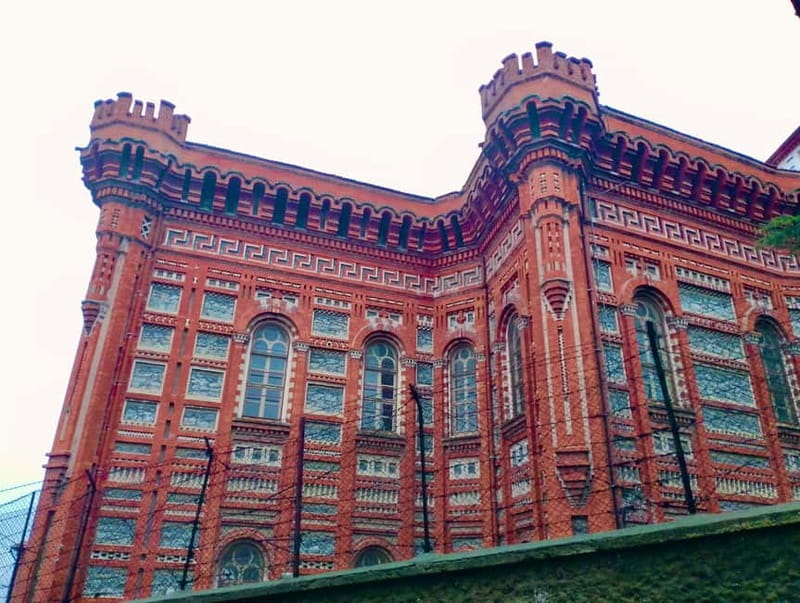
- Phanar Greek Orthodox College: a major landmark that explains the Greek community’s presence in the area.
- Panagia Paramythia Church: a meaningful stop that adds another layer to the neighborhood mix.
- The Bulgarian Church, also called the Iron Church: cast iron is the reason people remember it.
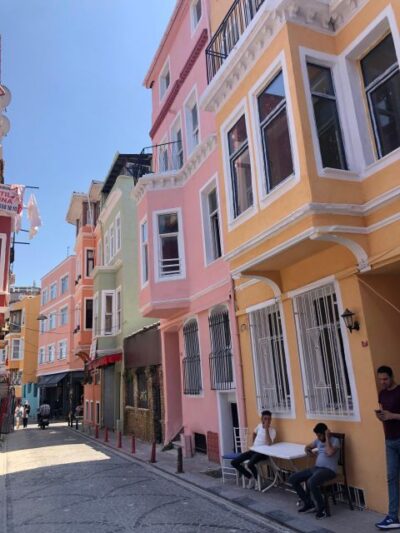
- Balat’s wooden houses and colorful staircases: great for photos, and more fun than you might expect.
- A guide who helps you connect the dots: especially helpful if you’re fitting this into a packed Istanbul day.
More of Fener and Balat's painted lanes



Starting in Eminönü: where the tour rhythm begins
Your tour starts in Eminönü at the Harem Arabalı Vapur İskelesi area. The practical detail that matters here is simple: you’ll want to arrive a few minutes early so you can spot the guide holding a Tripster Travel sign and get into the group without stress.
From the start, the walking style is built for orientation. You’ll be moving through streets where the neighborhood identity shifts quickly—Greek-influenced landmarks, then Bulgarian or Orthodox stops, then back to the street-level life between them. The benefit for you is that you don’t have to figure out every turn on your own to get the right sites in a 3-hour window.
It’s also worth knowing the tour guide works in English and Russian, which is useful if you’re more comfortable matching the explanation to the language you think in. And yes, the tour includes entrance to the Greek Church and the Bulgarian Church, so you’re not just doing a drive-by.
Fener first: Greek stops, photo breaks, and those staircases
The plan begins in Fener, and it’s a smart choice. You start with recognizable Greek references, then the route gradually expands into the bigger neighborhood mosaic. Expect a short photo stop and guided segment right away, then more photo and free-time pauses as you move.
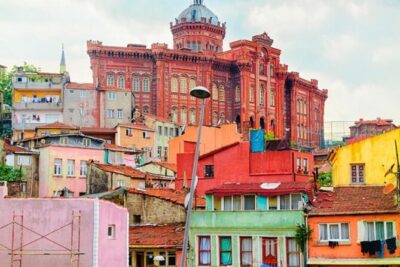
Early on, you’ll see a Greek church and a Greek primary school area, which helps you understand that this isn’t just a museum neighborhood. It’s a place where community life has been happening alongside churches and schools for a long time. After that, you’ll follow the steep streets and the colorful staircases that Fener and Balat are famous for.
This is one of the reasons I like this kind of guided walk. The staircases aren’t just for photos. They shape how people move, where they built homes, and why some buildings feel layered and stacked. If you go on your own, you might get the pictures but miss the logic of the route.
Drawback to consider: stair climbs and uneven steps are part of the deal. Comfortable shoes aren’t a suggestion—they’re how you’ll enjoy the tour without turning it into a leg workout you didn’t plan for.
Dimitrie Cantemir’s house and St. Mary of the Mongols (1266)
After the first Fener stretch, the tour moves into its most dramatic historical anchor: the house of Romanian prince Dimitrie Cantemir. That stop works well because it gives the route a “person in history” angle, not only a “building in history” angle. It’s a reminder that Istanbul’s old quarters were shaped by real lives moving through politics, culture, and scholarship.
Then comes the major star for many people: the Church of St. Mary of the Mongols, built in 1266. Even if churches aren’t your usual thing, this is the kind of landmark that makes you pause. It’s old enough to feel like a physical link to centuries of change—especially in a part of Istanbul where multiple communities share the same streets over time.
The tour includes entrance here, and it’s also where the photography rules matter. Flash photography is not permitted inside churches, so if you’re thinking about indoor shots, plan for natural light instead. I also recommend keeping your camera accessible but not out the whole time; part of the value is learning what you’re seeing, not only shooting it.
Worth putting side by side with this Istanbul pick:
- Istanbul: Blue Mosque, Hagia Sophia, & Old Town Walking Tour★ 4.8 · 2,372 reviews
- Istanbul: Fener Balat Half-day Guided Walking Tour★ 4.9 · 1,711 reviews
- Istanbul Highlights Small-Group Walking Guided Tour★ 4.5 · 1,346 reviews
- Istanbul: European and Asian Side Guided Foodie Walking Tour★ 4.9 · 1,038 reviews
Phanar Greek Orthodox College: more than a landmark
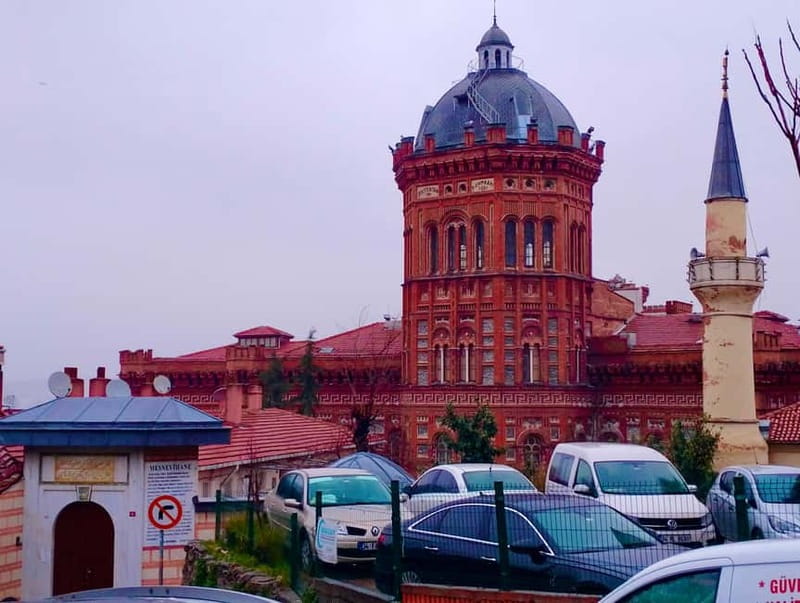
Right after St. Mary of the Mongols, the itinerary heads toward the Phanar Greek Orthodox College. This stop adds context you won’t easily get if you only look at exterior facades. It helps you understand how education, religion, and community identity overlap in the area.
Phanar is the kind of place where a guided explanation changes your perspective. You start noticing details you might otherwise skip: the role of institutions, how communities organize life around learning and worship, and how those patterns echo across the streets you’re walking.
If you like history that’s grounded in daily structure—schools, churches, institutions—you’ll enjoy this part more than you might expect.
Panagia Paramythia Church: a key stop on the community map
From the Phanar area, the tour continues to Panagia Paramythia Church. This is a good example of why a guided itinerary helps in Balat and Fener. You can wander these districts for hours, take plenty of photos, and still miss what each building represents.
Panagia Paramythia gives you another reference point for the neighborhood’s Orthodox traditions and the way religious architecture marks community space. You also get a rhythm break here with time to absorb the view and reset before heading further into Balat.
If you’re the type who likes to understand the “why” behind what you’re seeing, this is where the tour starts to feel like more than a checklist.
Balat: Iron Church and the cast-iron story
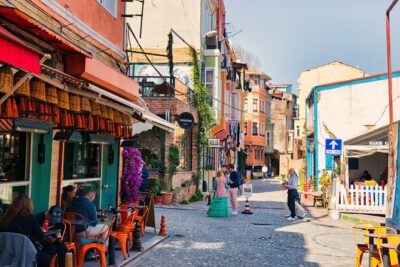
Next you move into Balat, where the route becomes even more about streetscape. Balat is the district that pulls people in with its photogenic wooden houses and the stairway network that makes everything feel dramatic at pedestrian level.
The highlight here is the Bulgarian Church, also known as the Iron Church because of the cast iron used in its production. This is one of those details that makes the building more than a stop. Once you know the iron element is central to its construction, you’ll look at the church differently—like you’re seeing a specific solution and style that came from local needs and building materials.
The tour includes entrance to the Bulgarian Church too, so you can see it up close rather than just spotting it from the street. And again, no flash inside churches, so be ready to rely on daylight and keep your shots steady.
Wooden houses, Balat streets, and realistic photo expectations
Once you’re in Balat, you’ll get a stretch focused on the neighborhood atmosphere—photo stops, time to walk, and guided context between them. This is where I think this tour offers a good balance: you get planned “must-see” landmarks, then you get enough free time to enjoy the streets without feeling rushed.
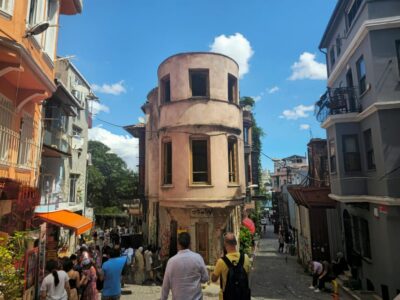
Balat’s wooden houses and colorful staircases are the big draw. What I’d tell you practically is to expect stairs, sharp corners, and close-packed streets. That means you’ll want to keep your phone or camera accessible, but not constantly in your hand while climbing. Your best photos often come after you pause and let your eyes adjust to depth and levels—where rooftops, balconies, and stairs stack.
This is also the part of the tour where you’ll likely feel the neighborhoods more as lived space. The overview mentions locals using the area for coffee, and you’ll sense that on the sidewalks—people moving at a human pace, not a tourist schedule.
How much walking you should plan for, and what to bring
This tour is 3 hours, and the big thing you’re buying is not just the sights—it’s guidance through a steep, step-heavy quarter of Istanbul. The included stops and entrances make it efficient, but you still have to do the walking.
Bring these, and you’ll thank yourself:
- Comfortable shoes for uneven steps
- Water to stay hydrated
- Hat, sunscreen for sun exposure during stair climbs
- Camera for the staircases and houses
Also note what’s not allowed: smoking is not permitted, and flash photography isn’t allowed inside churches. If you’re the type who loves indoor photos, plan your settings for natural light rather than expecting flash to do the work.
The tour is not suitable for people with mobility impairments or wheelchair users. If mobility is a concern for you, you’ll likely have a hard time with stairs and the general walking terrain.
Price and value: is $83 for 3 hours worth it?
At $83 per person for a 3-hour guided walk, the price is best understood as a package deal: you’re paying for route expertise, live interpretation, and entrance to the Greek Church and the Bulgarian Church. You’re also skipping the ticket line, which matters in practice when you’re trying to stay on schedule.
Could you do parts of this on your own? Sure—you can explore Fener and Balat independently. But you’ll be relying on your own navigation to find the right buildings and on your own interpretation to understand why specific sites matter to Greek, Armenian, Jewish, and Bulgarian communities in the area.
This tour’s value comes from connecting those dots in real time while you walk. You also save time by having a planned order that keeps the “great moments” fairly close together instead of spread across random detours.
Where the cost might feel less justified is if you’re only after quick photos and you don’t care about the historical context at the churches and institutions. If you want meaning, this tour is built for that.
Language, guide style, and getting help mid-day
The tour runs with a live guide in English and Russian. That flexibility helps a lot if you want your explanations in the language you’re comfortable with, especially when you’re inside churches where details matter.
One practical detail you should like: guides have been described as helpful in adjusting to your schedule if you only take a portion of the route on a day with other plans. For you, that means you’re less likely to feel stranded if you need to continue your own Istanbul agenda afterward.
If your guide happens to be Emine, there’s at least one reported experience of her being kind and attentive, with real help finding the next step of a traveler’s day. Even if you don’t get the same guide, the tour concept is the same—local context, clear pacing, and support so you stay oriented.
Should you book the Fener and Balat guided walking tour?
If you want a short, focused way to see Istanbul’s neighborhood layers on foot, I’d recommend booking. This tour works especially well when you care about specific landmarks like St. Mary of the Mongols (1266) and the Iron Church, and you like walking with context rather than guessing.
I’d skip it if any of the following are true for you: stairs are a problem, you hate walking for 3 hours, or you prefer to roam without schedules and explanations. Also, if indoor church time frustrates you—like waiting for access or following photography rules—then plan for that in your mindset.
FAQ
Where does the tour start?
It starts in Eminönü at the Harem Arabalı Vapur İskelesi area. The guide will be waiting with a Tripster Travel sign.
How long is the Fener and Balat guided walking tour?
The tour lasts about 3 hours.
What’s included in the price?
You get a live tour guide, entrance to the Greek Church and the Bulgarian Church, and visits to historical sites and famous wooden houses.
Are church entrances included, and is there a line to wait in?
Yes, entrance to the Greek Church and the Bulgarian Church is included, and the tour says it skips the ticket line.
Can I take photos with flash inside the churches?
Flash photography is not allowed inside the churches. Regular photography is allowed.
Is the tour wheelchair accessible?
No. It is not suitable for people with mobility impairments or wheelchair users.
FAQ
What should I bring for this tour?
Wear comfortable shoes, and bring a hat, camera, sunscreen, and water.
What languages is the guide available in?
The live tour guide is available in English and Russian.
Is smoking allowed during the tour?
Smoking is not allowed.
What about cancellations and refunds?
You can cancel up to 24 hours in advance for a full refund.
Can I book without paying right away?
Yes, it offers reserve now & pay later.
Is flash photography the only photography restriction?
The only photography restriction listed is that flash photography is not permitted inside the churches.
More Tours in Istanbul
- Best of Istanbul 1, 2 or 3-Day Private Guided Istanbul Tour★ 5.0 · 8,922 reviews
- Istanbul: Bosphorus Sightseeing Cruise Tour with Audio Guide★ 4.6 · 4,704 reviews
- Istanbul: Blue Mosque & Hagia Sophia Guided Tour w/ Tickets★ 4.8 · 3,600 reviews
- Istanbul: Blue Mosque, Hagia Sophia, & Old Town Walking Tour★ 4.8 · 2,372 reviews
- Istanbul: Princes Islands Tour with Heybeliada and Buyukada★ 4.4 · 2,305 reviews
- Istanbul: Basilica, Hagia Sophia, Blue Mosque Tour & Cruise★ 4.5 · 1,929 reviews
More Tour Reviews in Istanbul
- Istanbul: Bosphorus Dinner Cruise & Show with Private Table★ 4.8 · 62,058 reviews
- Istanbul: Daytime or Sunset Sightseeing Cruise & Audio Guide★ 4.8 · 14,430 reviews
- Istanbul: Bosphorus Dinner Cruise & Turkish Night Show★ 4.8 · 12,954 reviews
- Best of Istanbul 1, 2 or 3-Day Private Guided Istanbul Tour★ 5.0 · 8,922 reviews
- Istanbul: Basilica Cistern Fast-Track Entry and Audio Guide★ 4.6 · 7,521 reviews
- Istanbul: Hagia Sophia Skip-the-Line Ticket & Museum Option★ 3.7 · 4,958 reviews
More Lanes in Fener and Balat
- Istanbul: Fener Balat Half-day Guided Walking Tour★ 4.9 · 1,711 reviews
- Half day Fener-Balat Walking Tour in Turkiye★ 5.0 · 308 reviews
- Istanbul: Colorful Fener & Balat Walking Tour w/Expert Guide★ 4.7 · 234 reviews
- Istanbul: Fener, Balat, Old Greek and Jewish Quarter Tour★ 4.9 · 234 reviews
- Istanbul: Fener & Balat Guided Tour through Colored Streets★ 4.8 · 171 reviews
- Istanbul in Colors: Balat Tour★ 5.0 · 92 reviews
Fresh off the boat: new Istanbul reviews

Fener & Balat Tours, compared.
 ★ 4.9Fener Balat Half-day Guided Walking TourFrom $201,711 reviews
 ★ 5.0Half day Fener-Balat Walking Tour in TurkiyeFrom $20308 reviews
 ★ 4.9Fener, Balat, Old Greek and Jewish Quarter TourFrom $59234 reviews
 ★ 4.7Colorful Fener & Balat Walking Tour w/Expert GuideFrom $18234 reviews
 ★ 4.8Fener & Balat Guided Tour through Colored StreetsFrom $15171 reviews
 ★ 5.0Istanbul in Colors: Balat TourFrom $6892 reviews
 ★ 5.0Fener and Balat – Old Greek & Jewish QuarterFrom $6074 reviews
 ★ 5.0Istanbul City Walk: Colors, Culture & History Fener Balat TourFrom $3056 reviews
Browse the lists this tour appears in