
REVIEW · WALKING TOURS
Istanbul Jewish Quarter Walking Tour
That quiet alley feeling is exactly the point. This small-group walk through Istanbul’s Jewish Quarter brings you face-to-face with synagogues you can still visit and the stories of a community shaped by trade, empire, and faith. I especially liked how the route ties street-level sights to real context, so nothing feels like random sightseeing.
The two things I really love here are the chance to see the only currently active Ashkenazi synagogue open to visits and prayers, and the way the guide explains what you’re looking at as you walk. One thing to consider: the area involves hills and stairs, so comfy shoes matter.
If you care about how different communities lived side-by-side in old Istanbul, this tour hits hard. I also like the small-group size, because you actually get time for questions without the pace feeling rushed. And yes, you’ll hear about the community’s culture and religion through the ages—not just facts, but how people practiced and organized their daily lives.
One possible drawback: the price is steep for a walking tour. You’re paying for a professional guide, synagogue donations, museum entry, and hotel pickup plus an air-conditioned minivan ride—so it’s best when you value guided access and “insider” explanations more than you value doing it on your own.
In This Review
- Key things I’d plan for
- Karaköy’s Jewish Quarter: why this walk feels more human
- Price and value: what you’re really paying for
- Getting oriented: start point, end point, and walking pace
- Ari Ashkenazi Synagogue: seeing the only currently active Ashkenazi life in Istanbul
- Neve Shalom Synagogue: 1951, and why the timing matters
- The Quincentennial Foundation Museum: turning the street into a story
- Schneidertempel (Tailor’s Synagogue) Art Gallery: when old walls get a second life
- Camondo Buildings and Kamondo Stairs: the Ottoman-era family shortcut
- Practical expectations: comfort, documents, and respectful visits
- Who this tour fits best (and who should rethink it)
- Should you book this Istanbul Jewish Quarter Walking Tour?
- FAQ
- How long is the Istanbul Jewish Quarter Walking Tour?
- What does the tour cost?
- Where does the tour start and end?
- Is pickup included?
- What are the main stops during the tour?
- Are any entrances included?
- What should I bring for the tour?
- Is food or drinks included?
- What time does the tour begin?
Key things I’d plan for
- A working Ashkenazi synagogue stop near Galata Tower, where visits and prayers are part of the reality
- Neve Shalom (opened in 1951) with a free admission ticket and a feel for ceremonies still tied to the calendar
- Museum context included at the Quincentennial Foundation Museum of Turkish Jews, so the street stops make sense
- Schneidertempel, the Tailor’s Synagogue turned into an art gallery you can actually spend time with
- Camondo Buildings and the Kamondo Stairs story—an Ottoman-era finance family shortcut with local legend flavor
Worth putting side by side with this Istanbul pick:



Karaköy’s Jewish Quarter: why this walk feels more human
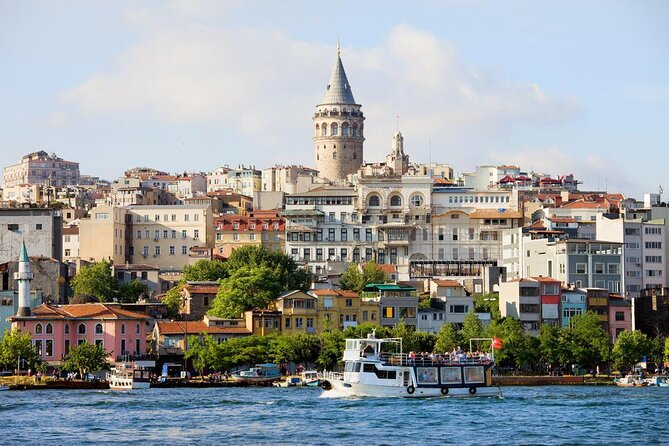
Istanbul is big on layers, but it can be easy to skim those layers when you only see the big-name monuments. This tour focuses on a smaller slice of the city—Karaköy, in the broader Galata/Beyoğlu area—where Jewish community life shows up in specific buildings, street patterns, and names you’d miss without a guide.
What makes it interesting is that you’re not just learning about the past in a lecture tone. You’re seeing places that still matter for today. The itinerary includes stops with real religious function, plus museums and preserved spaces, so you get both the living side and the historical side.
And since it’s a small group capped at 15 (and the activity info also notes a maximum of 4 travelers), you’ll likely move at a pace where you can ask follow-up questions. That matters here, because the topic is personal and sometimes complex—history, identity, and faith don’t always fit neatly into a few soundbites.
Price and value: what you’re really paying for
At $254.89 per person, this is not a budget walk. The good news is that the cost isn’t just for “someone to walk with you.” The tour price is built around:
- Hotel pickup (and transport by air-conditioned minivan)
- A professional guide
- Entrance fee to the Quincentennial Foundation Museum of Turkish Jews
- Donations to the synagogues
Food and drinks aren’t included, so you’ll want to plan for that separately.
So how do you judge value? For me, it’s worth it when you want guided access and interpretation—especially for synagogue visits where local customs and sensitivity really matter. If you’re the type who would otherwise pay for museums and paid entry sites plus spend extra time trying to coordinate access, the pricing starts looking more reasonable. If you simply want to wander streets on your own, you’ll get a cheaper day—but you’ll lose the specific explanations that make the buildings mean something.
One more practical note: the tour runs about 3 hours 20 minutes to 4 hours 10 minutes, starting at 10:00 am. That length is ideal for this kind of route—long enough for multiple stops, short enough that you’re not stuck doing one long museum slog.
Getting oriented: start point, end point, and walking pace
The tour starts at Neve Shalom Synagogue (Bereketzade, Büyük Hendek Cd. No:61, 34445 Beyoğlu/İstanbul) and ends at Kamondo Stairs on Bankalar Caddesi (Bankalar Cd. No:10, 34421 Beyoğlu/İstanbul).
Even though hotel pickup is offered, expect a walking-based format. The meeting point is a place you can find using public transport, and the area is walkable, but it’s not flat. One of the most repeated practical points from the experience details you provided is that there are hills and stairs. I’d treat this as a “good walking shoes day,” not a sandals-and-a-tote day.
Also plan for short, contained visits—about 30–45 minutes at key locations. You’re not spending all day sitting. You’ll be moving between stops, listening, and then stepping inside long enough to take in what the guide wants you to notice.
- Best of Istanbul 1, 2 or 3-Day Private Guided Istanbul Tour★ 5.0 · 8,922 reviews
- Istanbul: Basilica Cistern Fast-Track Entry and Audio Guide★ 4.6 · 7,521 reviews
- Istanbul: Hagia Sophia Skip-the-Line Ticket & Museum Option★ 3.7 · 4,958 reviews
- Istanbul: Hodjapasha Whirling Dervishes Show & Exhibition★ 4.4 · 4,790 reviews
Ari Ashkenazi Synagogue: seeing the only currently active Ashkenazi life in Istanbul
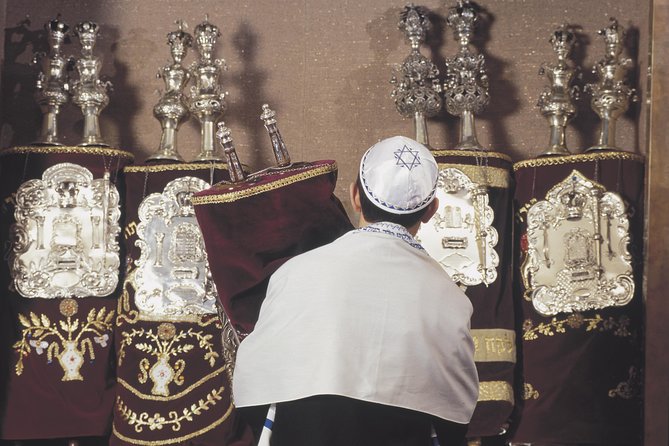
One of the biggest draws is the focus on the only currently active Ashkenazi synagogue in Istanbul that’s open to visits and prayers. That’s not a generic “tour stop.” It’s a living place—so your mindset should be quiet and respectful, the way you would for any house of worship that’s still used.
Because it’s located near Galata Tower, it also helps anchor you geographically. You’re not wandering aimlessly—you’re walking in the same part of the city where major visual landmarks overlap with community history.
What I like about this stop is that it gives the day a strong emotional center. Even if you know little about Ashkenazi communities or Ottoman-era Jewish settlement patterns, you’ll likely leave with a clearer sense of what continuity looks like: faith practiced in a space that’s not only preserved, but active.
Practical tip: if you’re sensitive to crowds or prefer quieter entry times, go in with patience. Places that still host prayers can have timing that feels different from a standard museum schedule.
Neve Shalom Synagogue: 1951, and why the timing matters

After the Ashkenazi focus, you’ll spend time at Neve Shalom Synagogue, opened in 1951. You get about 30 minutes, and the admission ticket is free for this stop.
This is a helpful counterpoint to older stories. The Jewish presence in Istanbul isn’t only about centuries-old ruins and archives; it also includes modern community building, ceremonies, and continuity after major historical changes. A 1951 opening date helps you see that the community didn’t just survive—it kept organizing, worshipping, and marking milestones.
During your time here, expect the guide to connect what you’re seeing with how ceremonies and community life unfold. You’ll also be strolling the neighborhood enough to spot other synagogues in the wider orbit of the community, including references to Georgian and Italian synagogues as part of the street-level context.
The Quincentennial Foundation Museum: turning the street into a story
The Quincentennial Foundation Museum of Turkish Jews is where the day starts to click. You’ll spend about 45 minutes, and museum entry is included.
A museum stop can easily feel like a rest break—or a detour. Here it works because it’s placed so you can apply what you learned outside. After you’ve seen recognizable community sites, the museum gives you the structure: names, timelines, and themes that help you interpret the buildings and the neighborhood layout you’re walking through.
The museum also operates in a more active way than a purely static collection. The experience details mention temporary exhibits and events like conferences, seminars, and concerts. That matters because it signals that this isn’t just a storage room for the past. It’s a place where the community’s present and future concerns have room to show up.
If you tend to skim exhibits, you can still get value here by listening to the guide’s emphasis—use the museum as a framework, not a full museum marathon.
Schneidertempel (Tailor’s Synagogue) Art Gallery: when old walls get a second life
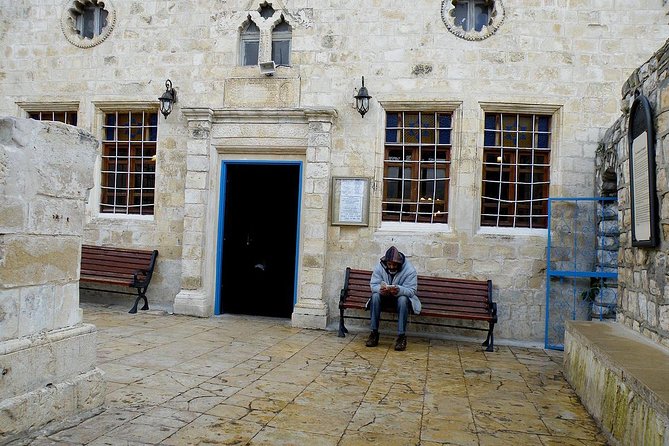
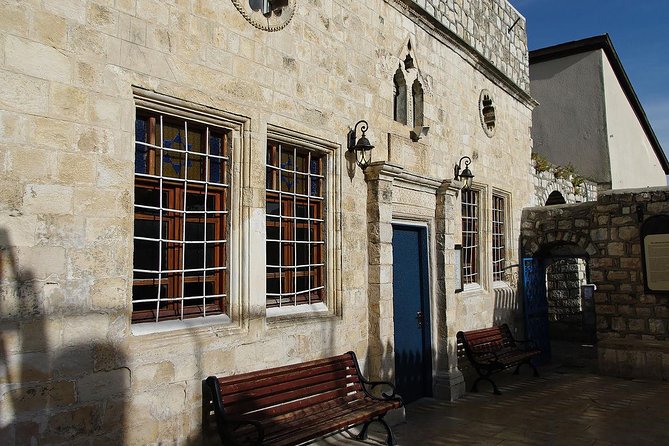
Next comes Schneidertempel Art Gallery, a historic synagogue in the Galata area also nicknamed the Tailor’s Synagogue. You’ll have about 30 minutes, and admission is included.
This stop is interesting because it shows how places can change function without losing their identity. Even though it’s presented as an art gallery, the building’s synagogue past shapes how you experience it. You’re looking at art, yes—but you’re also standing inside a structure with earlier religious purpose.
This is a great moment in the day to slow down. The guide can help you notice details that connect architecture to community life. And if you’re someone who likes Ottoman-era neighborhoods because of the layers of trade and crafts, the Tailor’s Synagogue name adds a human job-history angle—people created their livelihoods in the same streets where they gathered.
Camondo Buildings and Kamondo Stairs: the Ottoman-era family shortcut
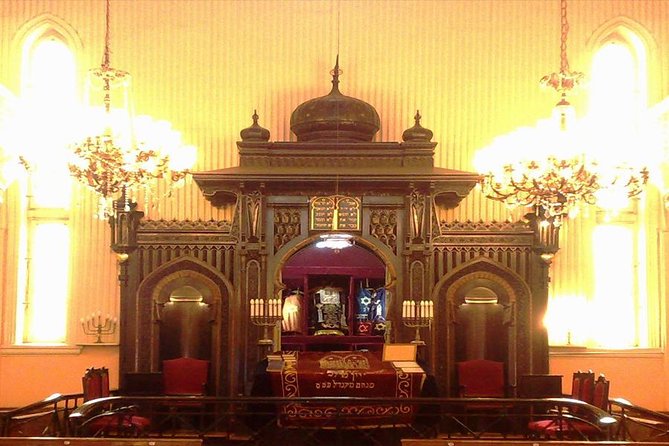
The tour ends at the Kamondo Stairs area, tied to the larger story of the Camondo Buildings. According to the experience information, the curved staircase was built around 1870–1880 and financed by Abraham Camondo, a Jewish financier and banker to the Ottoman Empire.
What makes this stop more than a pretty staircase is the local legend around why it exists:
- It was supposedly built to help transport Camondo’s children to their school.
- It was also described as a shortcut for Camondo to reach Bankalar Caddesi.
Whether you take every legend literally or treat it as part of the neighborhood storytelling, you get something useful: a sense of how powerful families moved through the city and how their plans shaped street connections. It’s one of those “small infrastructure” details that helps you understand urban life back then.
Your end point here is a good payoff because it feels like a mini viewpoint moment—an architectural flourish that turns your walking route into a narrative.
Practical expectations: comfort, documents, and respectful visits
This tour includes hotel pickup and transport by air-conditioned minivan, but you should still plan on a fair amount of walking on uneven ground. The repeated mention of hills and stairs is your biggest comfort cue.
Bring:
- A current valid passport (required on the day of travel)
- Comfortable shoes you don’t mind getting a bit dusty
- Water if you’re staying out in Beyoğlu/Karaköy after the tour, since food and drinks aren’t included
You also get a mobile ticket, which is helpful for smooth check-in.
One more mindset tip: synagogue visits are not like museum visits. Even when entry is open for tourists, you’re stepping into a place of worship and community practice. Go in ready to listen, not ready to treat everything like a photo backdrop.
Who this tour fits best (and who should rethink it)
This is a strong match if:
- You want a guided explanation tied directly to specific places
- You care about how Jewish life appears on the ground in Istanbul, not just in general terms
- You like small groups and direct Q&A time
- You’re comfortable with uneven walking and stairs
You might rethink it if:
- You dislike stairs and hills and don’t feel confident managing uneven pavement
- You’re looking for a low-cost, flexible day rather than a structured route with included admissions and donations
- You prefer free-roaming with no guide interpretation
Given the time commitment (about 3.5–4 hours), it works best as a dedicated sightseeing block in the middle of your day, not as something you slot in between appointments with no buffer.
Should you book this Istanbul Jewish Quarter Walking Tour?
I’d book it if your goal is meaning, not just movement. The combination of synagogue visits, a real community museum stop, and the strong ending at Kamondo Stairs gives you a complete mini-arc: worship and community space, historical context, and then a physical city detail that ties it together.
I’d also feel good about booking if you value a small group and want the guide to explain what you’re seeing while you’re still standing in front of it. At this price, you’re paying for access plus interpretation, not just for exercise.
The only reason to pause is the cost and the walking demands. If you’re okay with hills and stairs and you’re the type who likes guided context, this tour is a solid way to see a side of Istanbul many visitors never slow down to understand. If you want, tell me your walking comfort level and which hotel area you’re staying in, and I’ll help you decide how to fit it into your day.
FAQ
How long is the Istanbul Jewish Quarter Walking Tour?
The tour runs about 3 hours 20 minutes to 4 hours 10 minutes.
What does the tour cost?
The price is $254.89 per person.
Where does the tour start and end?
It starts at Neve Shalom Synagogue (Bereketzade, Büyük Hendek Cd. No:61, Beyoğlu) and ends at Kamondo Stairs on Bankalar Caddesi (Bankalar Cd. No:10, Beyoğlu).
Is pickup included?
Yes, hotel pickup is offered, and you’ll also use transport by air-conditioned minivan.
What are the main stops during the tour?
You’ll visit Ari Ashkenazi Synagogue, Neve Shalom Synagogue, the Quincentennial Foundation Museum of Turkish Jews, Schneidertempel Art Gallery, and you’ll finish at Kamondo Stairs/Camondo Buildings area.
Are any entrances included?
Yes. The Quincentennial Foundation Museum entrance fee is included, and donations to the synagogues are included. Neve Shalom Synagogue is listed as free admission for your visit.
What should I bring for the tour?
A current valid passport is required on the day of travel.
Is food or drinks included?
No. Food and drinks are not included.
What time does the tour begin?
The start time is 10:00 am.
More Walking Tours in Istanbul
- Istanbul: Blue Mosque, Hagia Sophia, & Old Town Walking Tour★ 4.8 · 2,372 reviews
- Istanbul: Fener Balat Half-day Guided Walking Tour★ 4.9 · 1,711 reviews
- Istanbul Highlights Small-Group Walking Guided Tour★ 4.5 · 1,346 reviews
- Istanbul: European and Asian Side Guided Foodie Walking Tour★ 4.9 · 1,038 reviews
- Half day Fener-Balat Walking Tour in Turkiye★ 5.0 · 308 reviews
- Istanbul: Colorful Fener & Balat Walking Tour w/Expert Guide★ 4.7 · 234 reviews
More Tours in Istanbul
- Best of Istanbul 1, 2 or 3-Day Private Guided Istanbul Tour★ 5.0 · 8,922 reviews
- Istanbul: Bosphorus Sightseeing Cruise Tour with Audio Guide★ 4.6 · 4,704 reviews
- Istanbul: Blue Mosque & Hagia Sophia Guided Tour w/ Tickets★ 4.8 · 3,600 reviews
- Istanbul: Blue Mosque, Hagia Sophia, & Old Town Walking Tour★ 4.8 · 2,372 reviews
- Istanbul: Princes Islands Tour with Heybeliada and Buyukada★ 4.4 · 2,305 reviews
- Istanbul: Basilica, Hagia Sophia, Blue Mosque Tour & Cruise★ 4.5 · 1,929 reviews
More Tour Reviews in Istanbul
- Istanbul: Bosphorus Dinner Cruise & Show with Private Table★ 4.8 · 62,058 reviews
- Istanbul: Daytime or Sunset Sightseeing Cruise & Audio Guide★ 4.8 · 14,430 reviews
- Istanbul: Bosphorus Dinner Cruise & Turkish Night Show★ 4.8 · 12,954 reviews
- Best of Istanbul 1, 2 or 3-Day Private Guided Istanbul Tour★ 5.0 · 8,922 reviews
- Istanbul: Basilica Cistern Fast-Track Entry and Audio Guide★ 4.6 · 7,521 reviews
- Istanbul: Hagia Sophia Skip-the-Line Ticket & Museum Option★ 3.7 · 4,958 reviews
Fresh off the boat: new Istanbul reviews

Walking Tours, compared.
 ★ 4.8Blue Mosque, Hagia Sophia, & Old Town Walking TourFrom $712,372 reviews
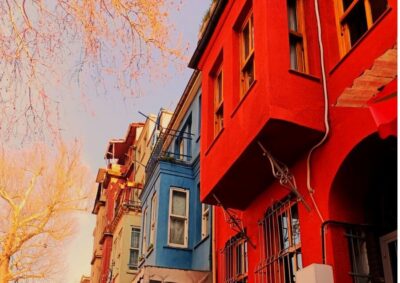 ★ 4.9Fener Balat Half-day Guided Walking TourFrom $201,711 reviews
 ★ 4.5Istanbul Highlights Small-Group Walking Guided TourFrom $1551,346 reviews
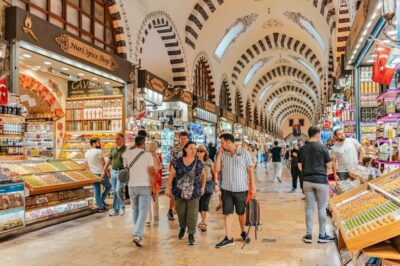 ★ 4.9European and Asian Side Guided Foodie Walking TourFrom $1351,038 reviews
 ★ 5.0Half day Fener-Balat Walking Tour in TurkiyeFrom $20308 reviews
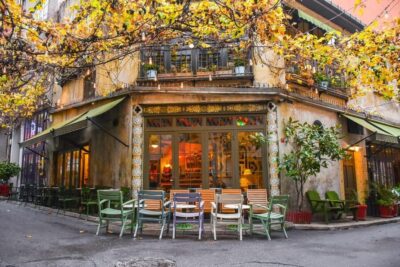 ★ 4.7Colorful Fener & Balat Walking Tour w/Expert GuideFrom $18234 reviews
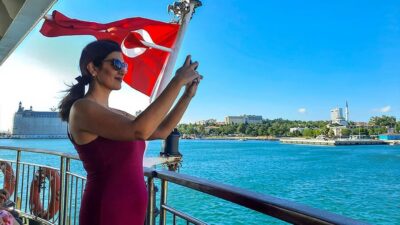 ★ 4.4Asian Side Walking Tour with Ferry RideFrom $29224 reviews
 ★ 5.0Old Town Of Istanbul Orientation – Tip Based Walking TourFrom $18181 reviews
Browse the lists this tour appears in