
A Roman-era day can feel like time travel. This tour stitches together Istanbul’s Byzantine and Roman leftovers into a walkable, story-driven route.
I like the way it goes beyond the usual highlights and actually shows you the city’s fortifications, churches, aqueducts, and imperial power in the same morning-to-afternoon loop. I also love that you get a licensed guide who shapes the pace around your interests and energy level.
One thing to plan for: several major sights have museum/entry fees not included, so your budget can jump a bit if you want to go inside everything.
In This Review
- Key points worth knowing before you go
- Roman Byzantine Istanbul starts fast: Sirkeci at 9:00
- Yedikule Castle and the Seven Towers: the view is the payoff
- Mevlanakapı: where Roman walls still feel monumental
- Chora Museum (Kariye Camii): mosaics and frescoes you’ll remember
- Tekfur Sarayı: palaces from the outside, optional inside
- Fatih Mosque Complex: imperial religion with Roman echoes
- Valens Aqueduct (Bozdogan Kemeri): 4th-century engineering, still huge
- Zeyrek Mosque: Byzantine + Ottoman art after earthquake and fire
- Price and value: what $120 buys you (and what it doesn’t)
- The tour style: pace, questions, and real help on the ground
- Who this tour fits best
- Should you book Roman Byzantine Heritage of Istanbul?
- FAQ
- What is the meeting point for the tour?
- What time does the tour start?
- How long is the tour?
- Are museum or attraction entrance tickets included?
- Is lunch included?
- Is the tour private and in English?
- Is public transportation included?
- What if weather is poor?
Key points worth knowing before you go
- A private route with English guidance means more time for questions and fewer traffic-and-crowd compromises.
- Chora (Kariye) is the artistic centerpiece, with extensive mosaics and frescoes that are the real reason to come.
- Yedikule and Mevlanakapı focus on the city’s defenses, not just its pretty monuments.
- Tekfur Sarayı gives you palatial architecture with the option to go inside if you prefer.
- Valens Aqueduct and Zeyrek Mosque add quieter context, especially if you like seeing how everyday systems worked.
Worth putting side by side with this Istanbul pick:
Roman Byzantine Istanbul starts fast: Sirkeci at 9:00
The day begins at Merhaba Pastaneleri in Sirkeci at 9:00 am, and you end back at the same spot. That matters because it keeps your logistics simple in Istanbul, where getting across town can eat time fast.
This is a private tour for your group only, offered in English, and led by a professional licensed guide. The result is not just facts at each stop. It’s a guided thread—Roman Constantinople, then Byzantine, then Ottoman layers—so the city stops feeling like random monuments.
Timewise, expect 6 to 8 hours outdoors and on the move. You’ll cover several neighborhoods, and you should show up ready for walking plus short rides as needed.
Yedikule Castle and the Seven Towers: the view is the payoff
Yedikule (Castle of the Seven Towers) is where the tour grabs you with scale. It used to be a Roman Golden Gate connection point, then became the Ottomans’ famous seven-tower stronghold. Today you get a dramatic fortress setting and panoramic views over Istanbul—exactly the kind of scene that helps everything you see later make sense.
This stop runs about 1 hour, and the admission ticket is not included. The views are the big reason to go, even if you don’t plan on spending forever inside.
Practical note: bring something for sun or wind. Fortress areas can feel exposed, and the rest of your day will go smoother if you’re comfortable now.
Mevlanakapı: where Roman walls still feel monumental
Next up is Mevlanakapı, one of the best-preserved examples of the Roman-era walls around Istanbul. The key idea here is scale: these were described as the largest and most complex urban fortifications of their time.
This stop is about 1 hour, and it’s free. For me, that makes Mevlanakapı one of the highest value moments on the route. You don’t just see a wall—you understand how a city protected itself, how geography shaped defenses, and why Byzantines and Ottomans kept using the bones of earlier structures.
If you love fortifications, bring your “compare mode.” Notice how thick the structures feel, how they control movement, and how the wall line frames the city around it.
- Best of Istanbul 1, 2 or 3-Day Private Guided Istanbul Tour★ 5.0 · 8,922 reviews
- Istanbul: Basilica Cistern Fast-Track Entry and Audio Guide★ 4.6 · 7,521 reviews
- Istanbul: Hagia Sophia Skip-the-Line Ticket & Museum Option★ 3.7 · 4,958 reviews
- Istanbul: Hodjapasha Whirling Dervishes Show & Exhibition★ 4.4 · 4,790 reviews
Chora Museum (Kariye Camii): mosaics and frescoes you’ll remember
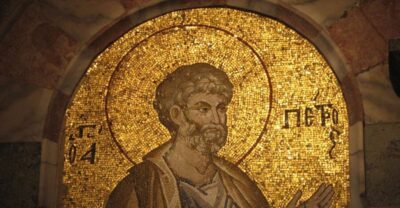
If you want one place that can carry the entire day, it’s Chora Museum—also known as Kariye Camii (a name you’ll likely hear used on-site). This is the tour’s art stop, and it’s built around what makes late Byzantine design so specific: mosaics and frescoes covering almost the whole interior world.
Chora is about 1 hour, and admission is not included. This is also the stop where your guide’s explanations can really change how you experience the art. In past tours of this type, a guide named Ünsal has used digital material on an iPad to show reference images and help you spot the details you’d otherwise miss. That kind of visual support is especially useful here because the artwork is dense and layered.
What you should do: go in expecting to pause often. Even if you only stand in one or two areas, you’ll get more from the mosaics if you give yourself time to look rather than rushing through.
Tekfur Sarayı: palaces from the outside, optional inside
Tekfur Sarayı is tied to a Roman imperial past—once a palace of Roman emperors. Today the interior has been reconstructed and turned into a museum, while the exterior still carries strong original character.
Plan for about 30 minutes. Admission is not included, and you’ll likely spend most time examining it from the outside, with an option to visit inside if you prefer.
I like Tekfur Sarayı because it sits in that satisfying middle zone: not as famous as a few other Istanbul sights, but still important enough to show you how power lived in the city. If you’re the type who enjoys architecture more than museums, you’ll still get value from the exterior viewing time.
Fatih Mosque Complex: imperial religion with Roman echoes
Fatih Mosque and its complex is where Istanbul’s imperial story gets loud again. This is the mosque built by Sultan Mehmed, the conqueror of Constantinople, who held the title Caesar of Rome among his many names.
This stop is about 1 hour and it’s free. You’ll also see Sultan’s tomb in the courtyard. The tour frames the site not only as Ottoman architecture, but as a place connected to a Roman and Christian past—exactly the sort of cross-over you want on a Roman Byzantine-themed day.
One consideration: timing around prayer can affect how smoothly you move through mosque areas. In one account of this kind of route, the schedule sometimes required quick transitions at mosque stops to align with prayer-time flow. If you’re strict about pacing, keep your schedule flexible and follow your guide’s lead.
Valens Aqueduct (Bozdogan Kemeri): 4th-century engineering, still huge
Then you switch from religion and palace symbolism to practical systems: Valens Aqueduct, also known as Bozdogan Kemeri. This 4th-century Roman aqueduct once fed the city as part of the longest Roman water network, and it’s still impressive in its monumental presence.
It’s a 30-minute stop and free. The payoff here is seeing how big infrastructure was, and how long it can survive when a city keeps repurposing its spaces.
If you’re thinking, I came for Byzantine churches and mosaics—fair. But aqueducts are where you get the real-world context for how Constantinople functioned. They help your brain connect the art you saw earlier to the city that demanded that water system.
Zeyrek Mosque: Byzantine + Ottoman art after earthquake and fire
Zeyrek Mosque is described as a 12th-century Roman building that still preserves a blend of Byzantine and Ottoman art, despite damage from earthquakes and devastating fires. That mix of beauty and survival is part of why the site feels honest.
This stop runs about 1 hour and it’s free. You also get an additional bonus: the area around it offers another panorama, and the tour route is designed so you don’t just look once—you get to explore the space around the mosque too.
I especially like Zeyrek when I want the day to slow down a bit. It’s easier to absorb the idea of layered time here—structures changed, cultures shifted, yet forms remained.
Price and value: what $120 buys you (and what it doesn’t)
The tour price is listed at $120 per person, running 6 to 8 hours, with a licensed professional guide included. That’s the foundation of the value: in Istanbul, the difference between a self-guided day and a guided one is not just speed. It’s interpretation—someone connects the dots between mosaics, walls, emperors, and infrastructure.
But you should budget for what’s not included. Museum or entry fees are not included, with one listed estimate of €25 per person for museum entry tickets. Also, public transportation is about €3 per person (so expect some mix of walking and local rides).
So the practical math looks like: you’re paying for the guided experience plus paying extra if you want to enter the ticketed sites like Yedikule and Chora. If you’re the type who loves to go inside, the added fees are worth planning for. If you prefer to focus on exteriors and quick photo moments, you’ll still get strong value from the free stops.
Also worth noting: the tour offers group discounts and uses a mobile ticket. For practical travelers, that can save the little hassles that build up over a long Istanbul day.
The tour style: pace, questions, and real help on the ground
The most praised aspect of this experience is the guide. A named guide, Ünsal, shows up repeatedly in accounts as extraordinary for detailed explanations and for finding important Roman heritage sights that don’t show up on the standard mass routes.
Two things this style means for you:
- You’ll get time for your questions instead of a brisk script.
- Your pace can adjust. In one account, the tour took longer than expected because explanations and conversations continued at a natural tempo, with no rush to shut you down.
Another high-impact detail: the guide may use an iPad with reference visuals to explain art and design in the mosques and churches. For Chora in particular, that kind of support helps you understand what you’re actually looking at.
And if you’re a little lost about what to do afterward, there can be real follow-through. In one account, the guide helped with lunch ideas (including introducing a special sweet dish) and even arranged a taxi and waited until you were safely on your way back.
You’re buying guidance, not just “point and photo.”
Who this tour fits best
This is a strong pick if you:
- Care about Roman and Byzantine layers, especially fortifications and church art
- Want a private day with room to steer the conversation
- Like architecture and systems too (aqueducts and walls, not just chapels)
It might feel less perfect if you:
- Want a totally relaxed, no-fee, only-open-spaces day (because ticketed entries can add cost)
- Get stressed by mosque-area timing and foot traffic (prayer schedules can change flow)
Should you book Roman Byzantine Heritage of Istanbul?
I’d book this tour if you want Istanbul with a storyline. The route connects major themes—defense (Yedikule and Mevlanakapı), art (Chora), imperial settings (Tekfur Sarayı and Fatih Mosque), and everyday infrastructure (Valens Aqueduct). That combination is exactly what makes the day feel more meaningful than a checklist.
Go for it if you value guidance quality and you want a tour that adjusts to your interests. With a guide like Ünsal, the explanations and pacing can turn mosaics and stones into something you actually understand.
Just do one thing before you decide: plan your budget for museum entries and accept that you’ll spend most of a half-day moving between sites. If that’s your kind of day, this one is a solid, high-value way to experience the Roman Byzantine side of Istanbul.
FAQ
What is the meeting point for the tour?
The meeting point is Merhaba Pastaneleri SirkeciHoca Paşa, Ankara Cd., 34112 Fatih/İstanbul, Türkiye.
What time does the tour start?
The tour starts at 9:00 am.
How long is the tour?
It runs for approximately 6 to 8 hours.
Are museum or attraction entrance tickets included?
No. Entrance tickets to museums are not included, and the price note lists €25.00 per person. Some stops are free, but key museum stops are not included.
Is lunch included?
No. Lunch is not included.
Is the tour private and in English?
Yes. It is a private tour/activity for only your group, and it is offered in English.
Is public transportation included?
No. Public transportation is not included, with €3.00 per person listed.
What if weather is poor?
The tour requires good weather. If it is canceled due to poor weather, you’ll be offered a different date or a full refund.
More Historical Tours in Istanbul
- Istanbul Gedikpasa Historical Turkish Bath with Privacy Option★ 5.0 · 1,285 reviews
- Istanbul: Acemoglu Historical Turkish Bath w/Private Options★ 4.6 · 1,190 reviews
- Istanbul: Gedikpasa Historical Hammam with Privacy Add-On★ 4.8 · 918 reviews
- Istanbul Historical Tour with Guide, Lunch and Transfers★ 4.5 · 561 reviews
- All in One Day Istanbul – Historical Tour of Istanbul with Bosphorus Cruise★ 5.0 · 489 reviews
- Istanbul Heritage Tour – Incl. Lunch★ 4.5 · 416 reviews
More Tour Reviews in Istanbul
- Istanbul: Bosphorus Dinner Cruise & Show with Private Table★ 4.8 · 62,058 reviews
- Istanbul: Daytime or Sunset Sightseeing Cruise & Audio Guide★ 4.8 · 14,430 reviews
- Istanbul: Bosphorus Dinner Cruise & Turkish Night Show★ 4.8 · 12,954 reviews
- Best of Istanbul 1, 2 or 3-Day Private Guided Istanbul Tour★ 5.0 · 8,922 reviews
- Istanbul: Basilica Cistern Fast-Track Entry and Audio Guide★ 4.6 · 7,521 reviews
- Istanbul: Hagia Sophia Skip-the-Line Ticket & Museum Option★ 3.7 · 4,958 reviews
Fresh off the boat: new Istanbul reviews
Historical Tours, compared.
 ★ 5.0Istanbul Gedikpasa Historical Turkish Bath with Privacy OptionFrom $601,285 reviews
 ★ 4.6Acemoglu Historical Turkish Bath w/Private OptionsFrom $421,190 reviews
 ★ 4.8Gedikpasa Historical Hammam with Privacy Add-OnFrom $59918 reviews
 ★ 4.5Istanbul Historical Tour with Guide, Lunch and TransfersFrom $248561 reviews
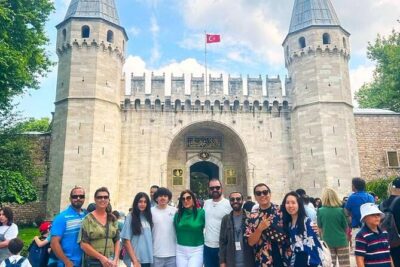 ★ 5.0All in One Day Istanbul – Historical Tour of Istanbul with Bosphorus CruiseFrom $164489 reviews
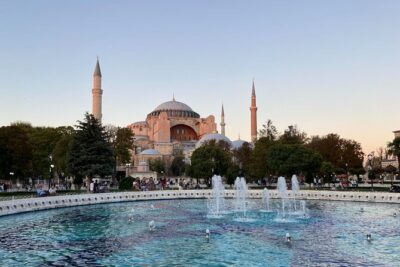 ★ 4.5Istanbul Heritage Tour – Incl. LunchFrom $216416 reviews
 ★ 4.5Historical PeninsulaFrom $57362 reviews
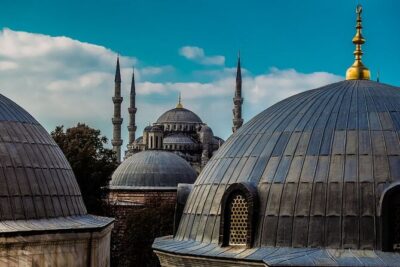 ★ 5.0Full-Day Private Guided Cultural Tour of IstanbulFrom $120279 reviews
Browse the lists this tour appears in